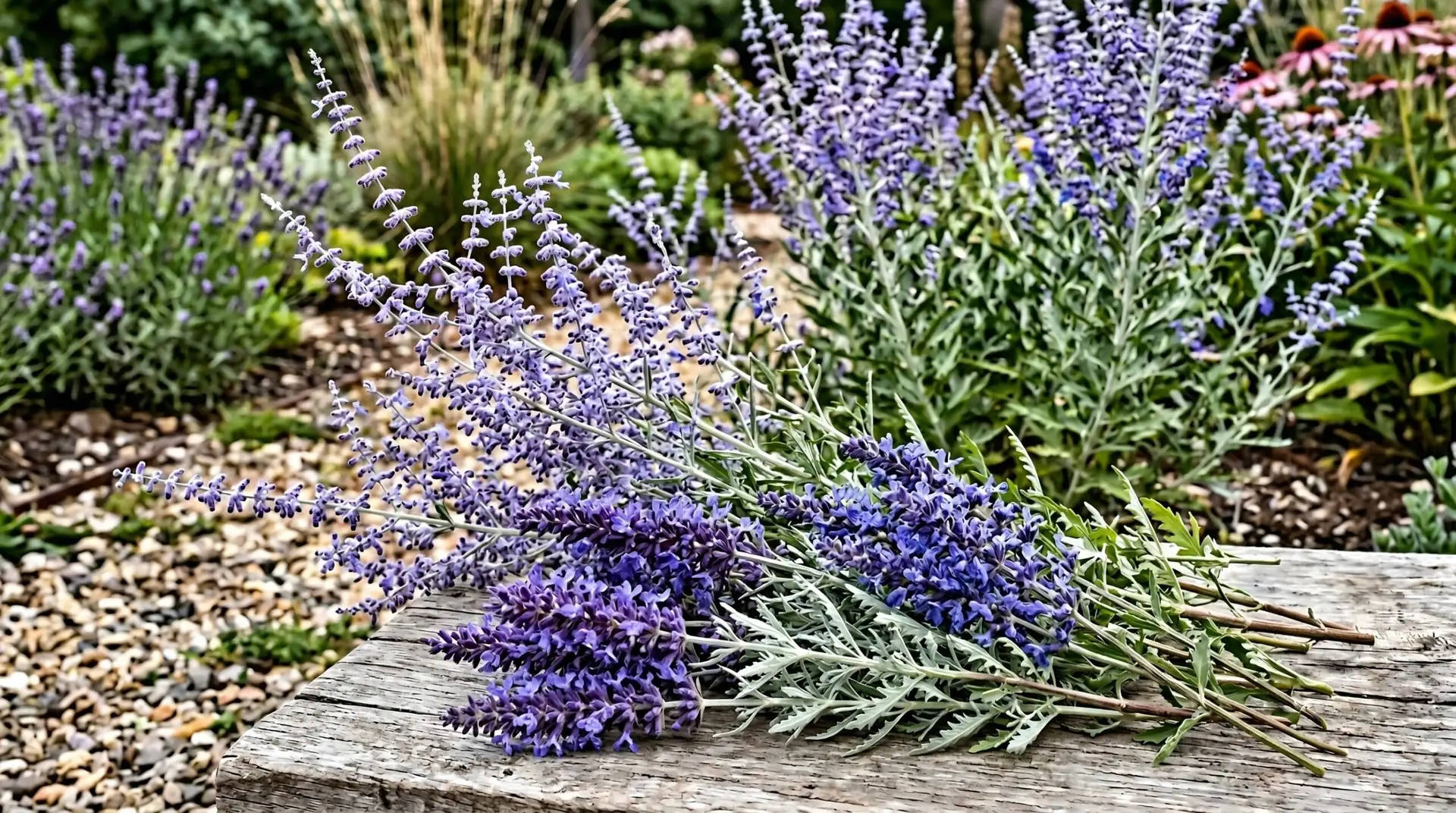
The first time you see a mature Russian sage in full bloom, it registers as a trick of the light. The stems create a hazy cloud of violet and silver that seems to float above the garden bed. I remember walking past a neighbor’s yard years ago and stopping completely in my tracks just to look at the sheer volume of color. It was late August, a time when the rest of the garden was looking tired and scorched from the heat, but this plant was completely unbothered. The deeply cut, silvery leaves smelled like sage and lavender mixed with something distinctly sharp and turpentine-like when I brushed against them. That combination of visual softness and rugged, drought-tolerant resilience is what first pulled me into growing this plant.
Getting the straight species to behave in a typical garden setting was my first real lesson in how plants respond to rich soil. I planted my first standard Russian sage in a well-amended bed, watered it faithfully, and watched it grow into a massive, floppy mess that smothered everything around it. The heavy summer rains split the crown wide open, leaving a donut-shaped hole in the center while the stems sprawled across the lawn. I quickly learned that these plants actually want to be neglected in lean, sharply draining soil with minimal supplemental water. Once I moved them to the driest, hottest edge of my yard, they finally stood up straight and gave me that dense wash of late summer color I had been looking for. Getting a difficult plant to finally thrive in your own yard brings a very specific kind of satisfaction that keeps you hooked on gardening.
Contents 4 sections
The shift toward compact Russian sage
Even with perfect cultural conditions, the original species simply gets too large for many modern yard spaces. Growers and breeders recognized this problem, which led to a quiet revolution in Russian sage varieties over the last two decades. We started seeing new introductions that promised the same silvery foliage and purple calyxes but on much shorter, sturdier frames. This shift completely changed how I use the plant, allowing me to place it near the front of borders or in tight corners where the old sprawling types would never fit. You no longer need a massive estate to enjoy that signature haze of blue flowers. These compact options hold their shape through heavy thunderstorms and require far less maintenance to look presentable by the end of the season.
Finding the best perovskia for your specific space usually comes down to evaluating the mature height and the intensity of the flower color. Some of the newer introductions lean heavily into darker, almost indigo calyxes that hold their color long after the actual flowers have dropped. This extended season of interest is a massive benefit when you are trying to keep the garden looking alive through September and October. I have tested several of these shorter introductions in my own beds, watching how they handle humidity, drought, and the occasional heavy pruning. While they all share the same basic requirements for full sun and dry feet, they behave quite differently once they settle into the ground.
Denim ‘n Lace and Blue Jean Baby
If I had to choose a single favorite among the compact Russian sage options, I would immediately point to Denim ‘n Lace. This variety solves almost every structural problem that plagued the older types by producing incredibly strong, upright stems that refuse to lodge or flop. The flower panicles are spaced very closely together on the stems, creating a much denser, more solid look than the airy, loose habit of the standard species. The calyxes are a very rich amethyst color, and they hold that color for weeks on end, giving the illusion that the plant is blooming long after the true flowers have faded. I love planting this one right alongside Catmint, as the two plants share a similar color palette but offer completely different textures and habits. Denim ‘n Lace tops out around thirty inches tall, making it an incredibly reliable mid-border plant that never demands staking or fussing.
Blue Jean Baby is another exceptional choice that offers a slightly different visual texture in the garden. This variety stays a bit shorter, usually maxing out at about two feet tall, and it tends to bloom earlier in the season than many of its relatives. The foliage on Blue Jean Baby is noticeably softer and more finely dissected, giving the whole plant a very delicate, ferny appearance before the flowers even open. The blooms themselves start as a lavender-blue and mature into a deeper purple, creating a subtle gradient effect across the plant as the season progresses. I have found it to be exceptionally vigorous, filling out its allotted space quickly without becoming aggressive or invasive. It is a highly satisfying plant to watch develop from a tight cluster of spring foliage into a perfect dome of late summer color.
Little Spire and Lacey Blue
Little Spire holds a special place in my garden because it was one of the very first compact varieties to hit the market. It was an absolute revelation at the time, offering a reliable two-to-three-foot height that finally made Russian sage accessible for smaller beds. The stems are thick and silvery-white, providing a sharp contrast against the violet-blue flowers that open in mid-summer. However, I will be completely honest and say that Little Spire can still get a bit floppy if it receives too much water or if the soil is too rich. It requires a stern hand with the watering hose, demanding that you back away and let it bake in the dry heat to keep its upright posture. When grown lean and mean, it is a magnificent plant that still earns its keep among the newer introductions.
For the absolute front of the border, Lacey Blue is often planted as the shortest and most compact variety available. It rarely exceeds eighteen inches in height, forming a very tight, dense mound of heavily textured, grayish-green leaves. The flowers are quite large compared to the overall size of the plant, packing a tremendous amount of color into a very small footprint. My experience with Lacey Blue has been a mix of deep appreciation and occasional frustration. Because it sits so close to the ground, it is highly susceptible to rot if you live in an area with high summer humidity or heavy rainfall. You absolutely must give this variety gravelly, fast-draining soil, or it will simply melt away in the August heat.
The daily rewards of the late season garden
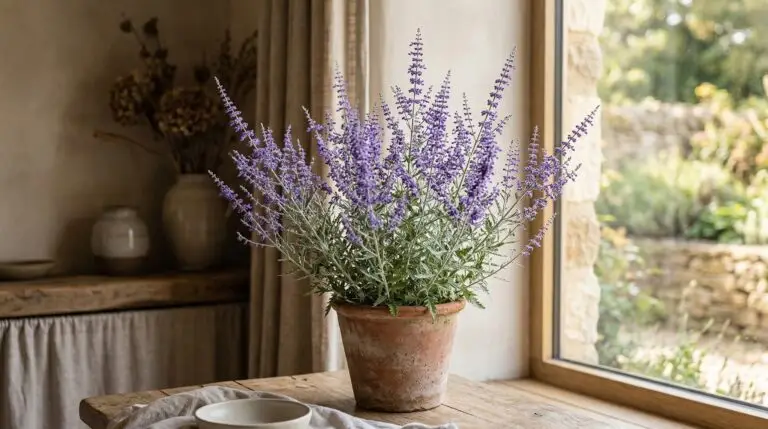
The real joy of growing these plants comes in the late summer when the rest of the garden is looking exhausted. Walking out in the early morning and seeing those silvery stems covered in dew is a quiet thrill that never gets old. The flowers act as an absolute magnet for bumblebees, honeybees, and small native pollinators, turning the entire patch into a humming, active ecosystem. I often cut a few stems to bring indoors, mixing them with late-blooming Lavender to create simple, highly aromatic bouquets for the kitchen table. The scent of the cut stems fills the room with that sharp, clean, desert-like fragrance that instantly clears the mind. Even as the actual flowers drop, the colored calyxes remain on the cut stems, drying beautifully in a vase for winter arrangements.
Enthusiasm for a plant is always tempered by the reality of growing it, and Russian sage certainly has its frustrating moments. I have lost plants to winter wetness, watched entire patches sulk after a heavy week of rain, and accidentally snapped brittle stems while trying to weed around the base. The woody crowns can be slow to wake up in the spring, often leaving you wondering if the plant survived the winter at all. But then the tiny silver leaves finally emerge, the stems shoot up with surprising speed, and the hazy blue flowers return right when you need them most. That reliable late-season performance, combined with the structural beauty of the silver stems, is exactly what keeps me planting these varieties year after year.
More About Russian Sage
Russian sage companion plants: what to grow and avoid
How to grow Russian sage for airy lavender-blue clouds that float above the summer border
Russian sage versus lavender and which silver-stemmed blue bloomer is right for your garden
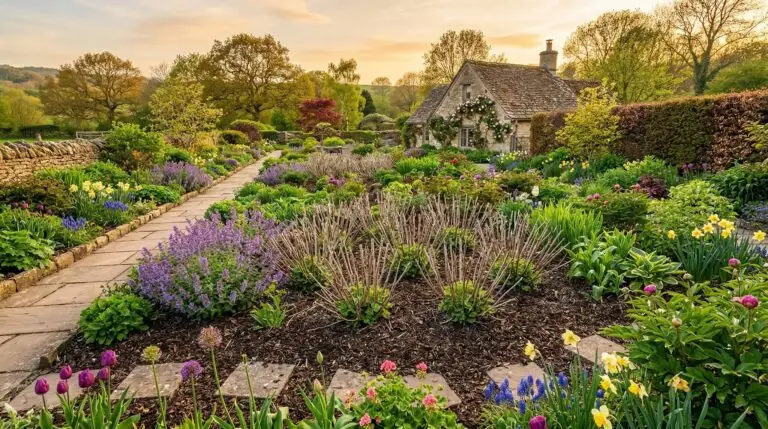
How to prune Russian sage in spring without ending up with a woody tangled mess
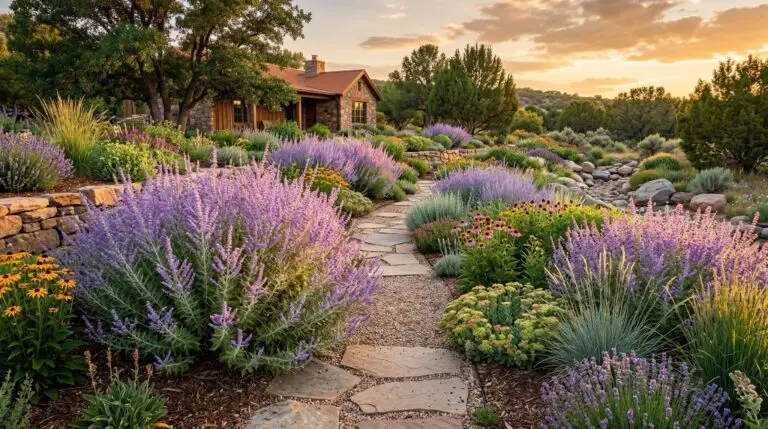
Russian sage as a drought-tolerant superstar for waterwise and xeriscape gardens
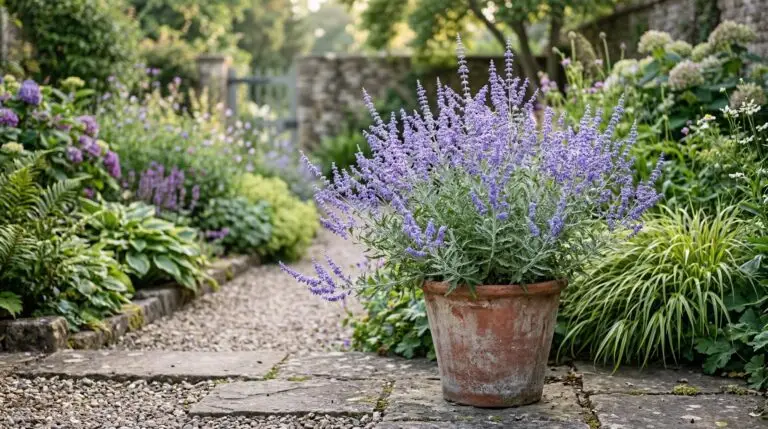
Growing Russian sage in containers for silver-blue drama on sunny patios
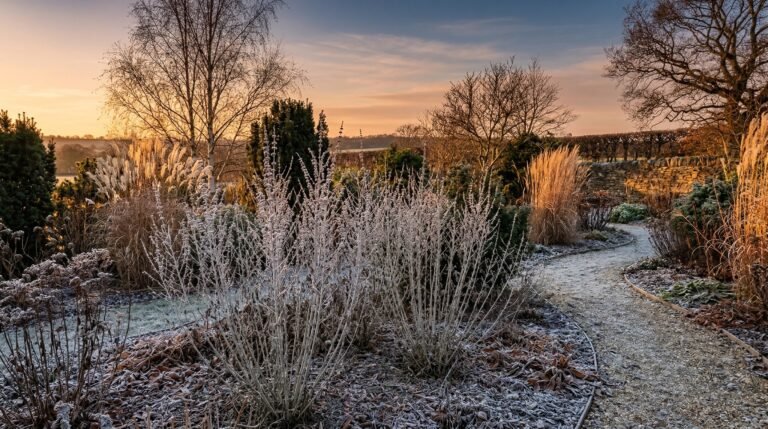
Russian sage in winter and the silver-white stems that bring structure to the frozen garden
Russian sage for pollinators and the long bloom season that feeds bees for months
Enjoying our flower guides? Add YourFlowersGuide as a preferred source on Google. It helps more readers find us.
Add to Preferred Sources