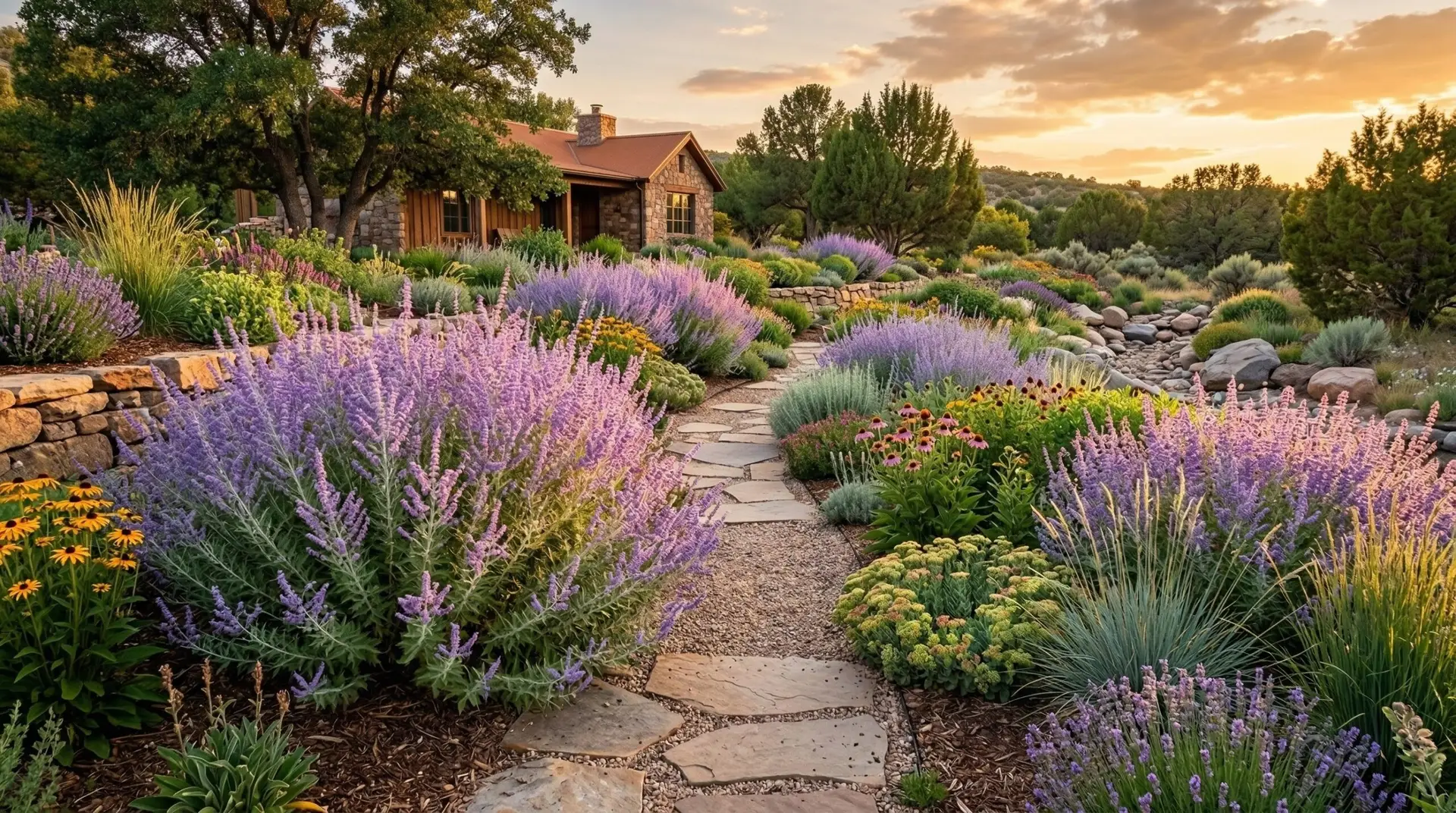
Before bringing home any drought-tolerant perennials, you need to understand exactly what that term means for your specific property. Many gardeners buy Russian sage expecting an immediate, zero-water miracle, only to watch the plant struggle during its first hot summer. The reality of planning a successful xeriscape is that true drought tolerance is earned through proper site preparation and careful establishment. Russian sage will eventually become the set-it-and-forget-it perennial you want, but you have to put in the foundational work first. By treating the installation as a methodical process rather than a weekend impulse, you save money on replacement plants and reduce your long-term maintenance hours.
Contents 4 sections
Assessing your site for waterwise perennials
The first step in your planning process is a brutal evaluation of your existing soil and sunlight conditions. Russian sage requires a minimum of six to eight hours of direct, unobstructed sunlight every single day to maintain a strong, upright structure. If you plant it in partial shade, the stems will flop over, requiring you to spend time staking and tying the plant throughout the summer. Soil drainage is equally critical because this plant will rot quickly in heavy, moisture-retentive clay. You need to dig a test hole and fill it with water to see how fast it drains before you commit to planting. If the water sits for more than an hour, you must either plan to build raised berms or switch your focus to a completely different location on your property.
Evaluating your site also means deciding on the type of mulch or top cover you will use in this garden zone. Traditional wood mulch holds moisture against the crown of the plant, which often leads to winter rot in Mediterranean-style perennials. A gravel garden approach works much better for Russian sage, creating a dry surface that reflects heat and keeps the base of the plant dry. If you decide to transition to a gravel mulch system, you need to calculate the volume of crushed stone required and factor that into your project budget. Transitioning a standard garden bed into a true xeriscape requires moving heavy materials, so you should schedule this labor-intensive preparation work well before you purchase any live plants.
Preparing the ground and the budget
Budgeting for a waterwise garden requires balancing the cost of soil preparation with the cost of the plants themselves. You will likely spend more money on coarse sand, expanded shale, or gravel to improve drainage than you will on the Russian sage. When buying the plants, you can save a significant amount of money by purchasing smaller quart-sized pots instead of mature gallon-sized specimens. Small plants establish their root systems much faster in dry, rocky soil and will catch up to the larger sizes by their second growing season. If you plan to create a full Mediterranean-inspired design, you should also price out companion plants with identical water needs. Including plants like lavender and yarrow in your initial budget ensures you can plant the entire bed at once, rather than trying to match watering schedules for new and old plants later.
Your preparation timeline should begin at least three weeks before your target planting date. Use this time to strip away existing sod, incorporate drainage amendments, and lay down your base layer of inorganic mulch. You should also map out the mature spacing of the plants, keeping in mind that Russian sage can easily reach three to four feet wide. Giving the plants adequate space ensures good air circulation, which prevents foliar diseases and reduces your future maintenance tasks. If you crowd the plants to get a full look immediately, you will be forced to dig up and divide them within three years. Planning for the mature size saves you from doing the same labor twice.
Executing the planting process
The actual planting phase requires strict attention to the establishment timeline, particularly regarding your watering schedule. During the first growing season, you must water your Russian sage deeply once or twice a week, depending on your local temperatures. The roots need this consistent moisture to grow deep into the soil profile, which is the mechanism that provides drought tolerance in future years. Many gardeners make the mistake of withholding water immediately, treating the new transplants as if they are already established. You should expect the first year to be entirely about root establishment, with a relatively modest display of flowers. By the second year, the root system will be deep enough to support the massive flush of silver foliage and purple blooms you expect.
While you execute your planting plan, you should group your Russian sage with other perennials that follow the exact same establishment timeline. Mixing thirsty plants with dry-loving plants creates a maintenance nightmare where you are constantly hand-watering individual specimens. You can create a visually striking, low-water bed by planting your sage alongside coreopsis, which provides a bright yellow contrast to the cool purple tones. For structural variety, globe thistle offers a completely different texture while demanding the same sharp drainage and full sun. Planting these species together allows you to put the entire garden bed on a single, infrequent watering schedule once the first year of establishment is complete.
Managing long term maintenance
Once you get past the first year, the maintenance commitment for Russian sage drops to almost zero, making it highly efficient for busy property owners. You will not need to apply supplemental fertilizer, as rich soil actually causes the plant to produce weak, floppy growth. Your primary task will be a single, hard pruning session in early spring just as the new green buds begin to swell on the lower stems. You must cut the entire plant back to about six to eight inches above the ground, using heavy duty bypass pruners to cleanly sever the woody stalks. This annual pruning takes about five minutes per plant and ensures a tight, compact habit for the upcoming summer. If you skip this step, the plant will become woody, hollow in the center, and increasingly unmanageable.
Your watering routine will also change drastically in the second and third years of the plant’s life. A fully established Russian sage requires no supplemental water unless you experience a severe drought lasting several weeks. In most climates, normal rainfall provides all the moisture the deep taproot needs to sustain the plant through the hottest months of summer. You can effectively disconnect your irrigation system in this zone, saving both money on your water bill and time spent monitoring sprinklers. This complete independence from the hose is the true reward for taking the time to plan, prepare, and establish the bed correctly.
To get started on your waterwise garden this week, grab a shovel and dig a twelve-inch test hole in your proposed planting location. Fill the hole with water, let it drain completely, and then fill it a second time to accurately measure the drainage rate. Use a tape measure to check the water level every hour so you have precise data rather than a rough guess. While you wait for the hole to drain, spend some time observing the site to confirm it receives at least six solid hours of direct sun. Gathering this concrete information today gives you the exact parameters you need to decide if Russian sage is the right investment for your property.
More About Russian Sage
Russian sage companion plants: what to grow and avoid
How to grow Russian sage for airy lavender-blue clouds that float above the summer border
Russian sage versus lavender and which silver-stemmed blue bloomer is right for your garden
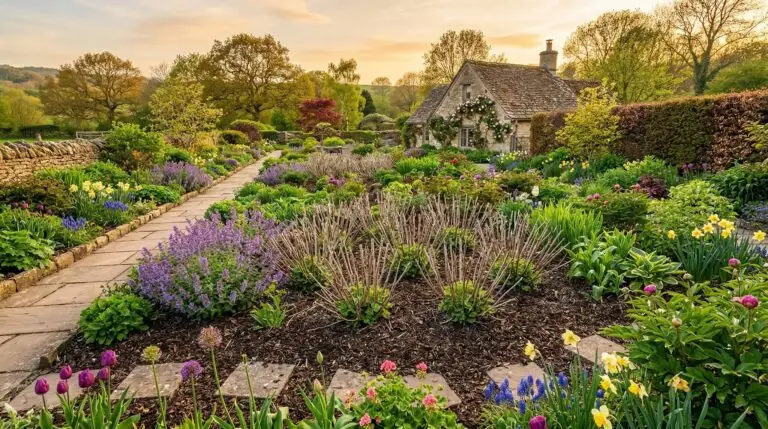
How to prune Russian sage in spring without ending up with a woody tangled mess
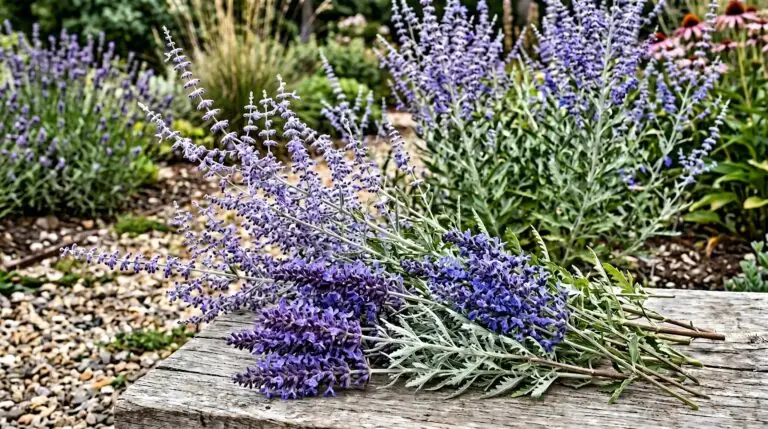
Best Russian sage varieties from compact Little Spire to silvery Blue Jean Baby
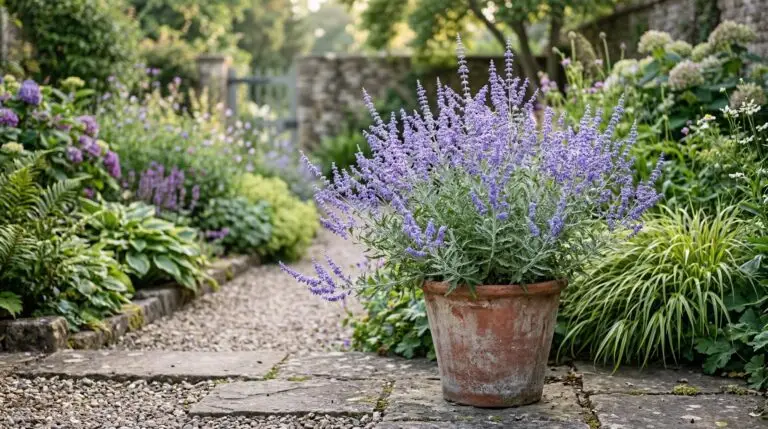
Growing Russian sage in containers for silver-blue drama on sunny patios
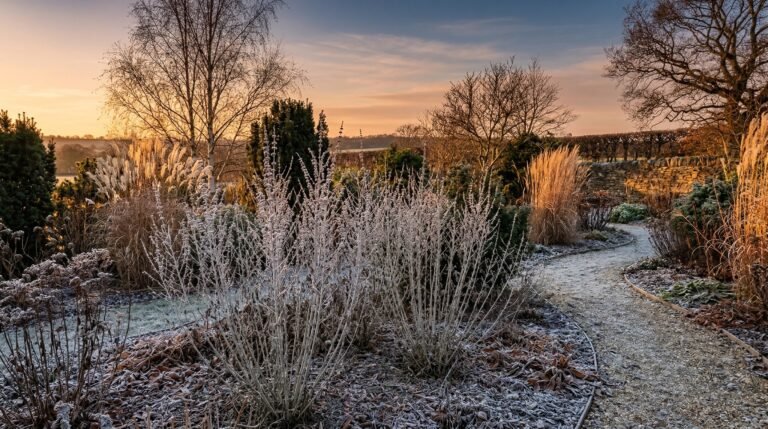
Russian sage in winter and the silver-white stems that bring structure to the frozen garden
Russian sage for pollinators and the long bloom season that feeds bees for months
Enjoying our flower guides? Add YourFlowersGuide as a preferred source on Google. It helps more readers find us.
Add to Preferred Sources