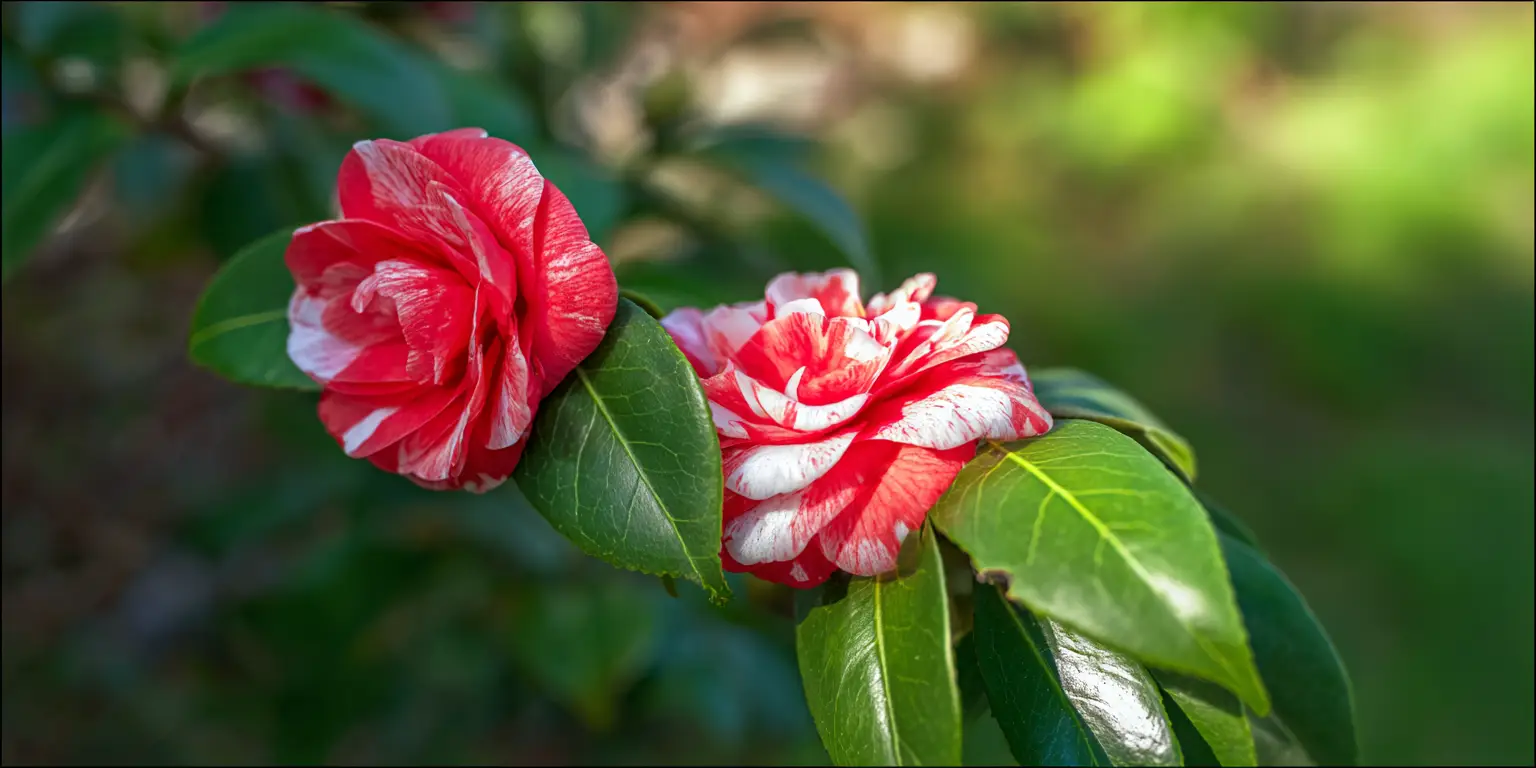
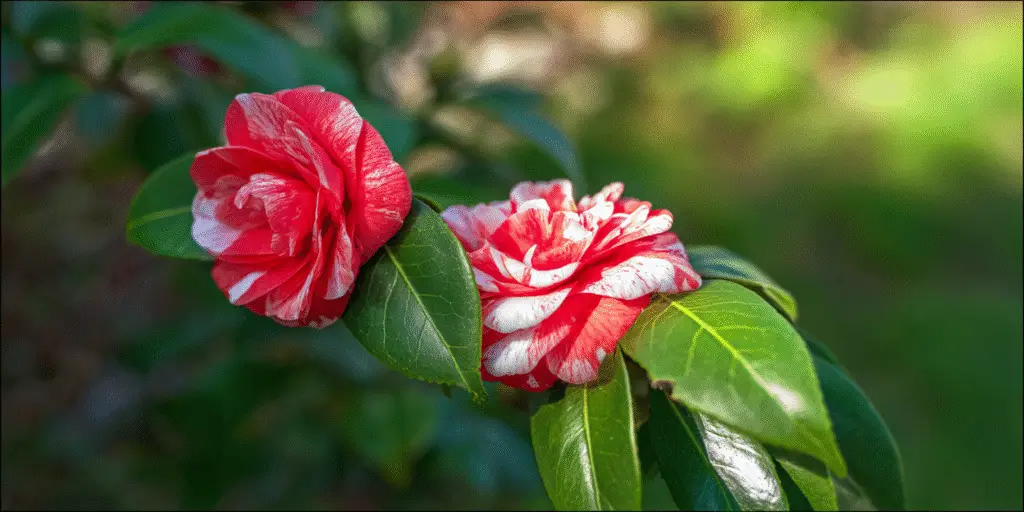
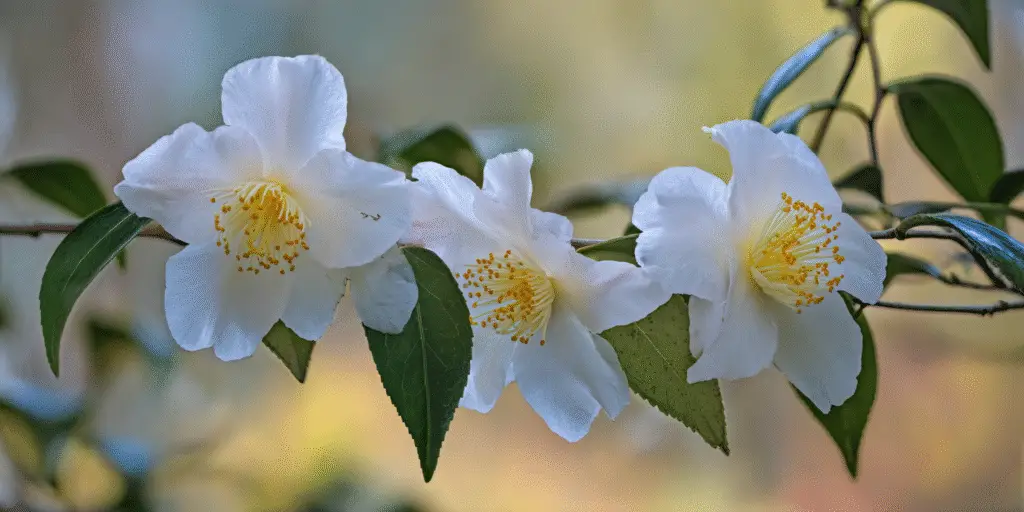
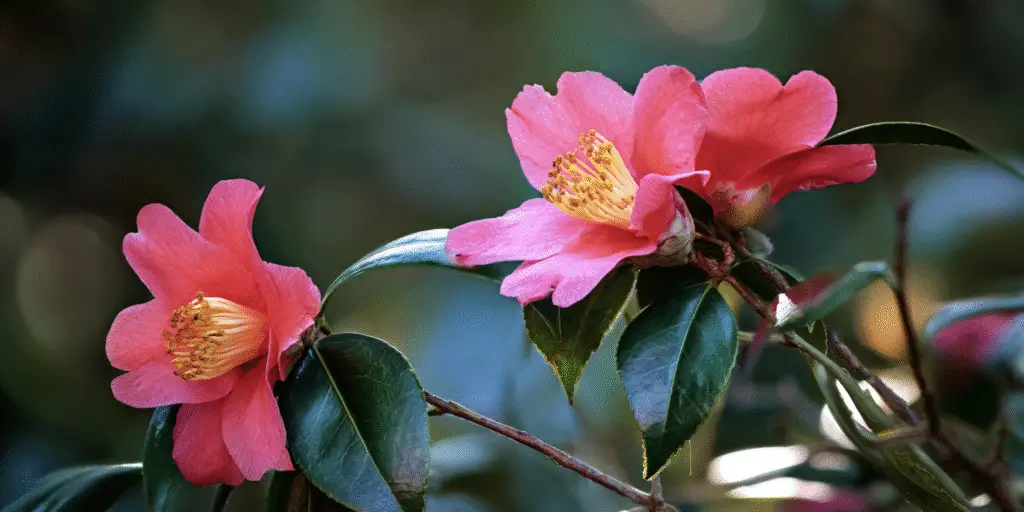
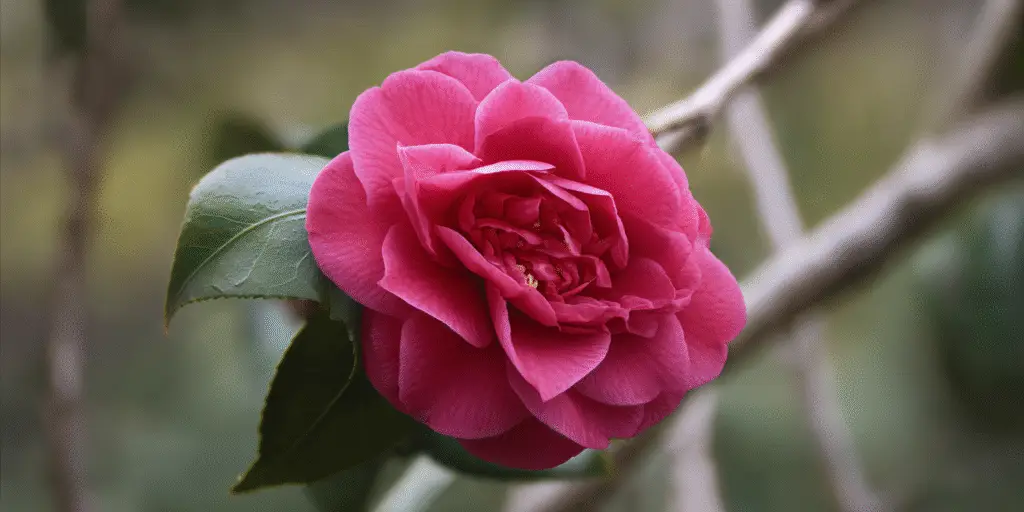
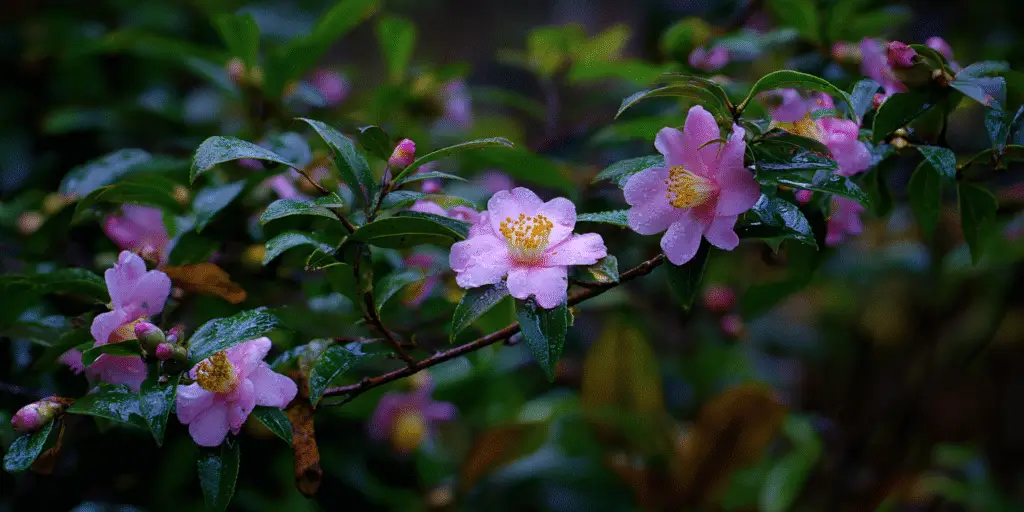
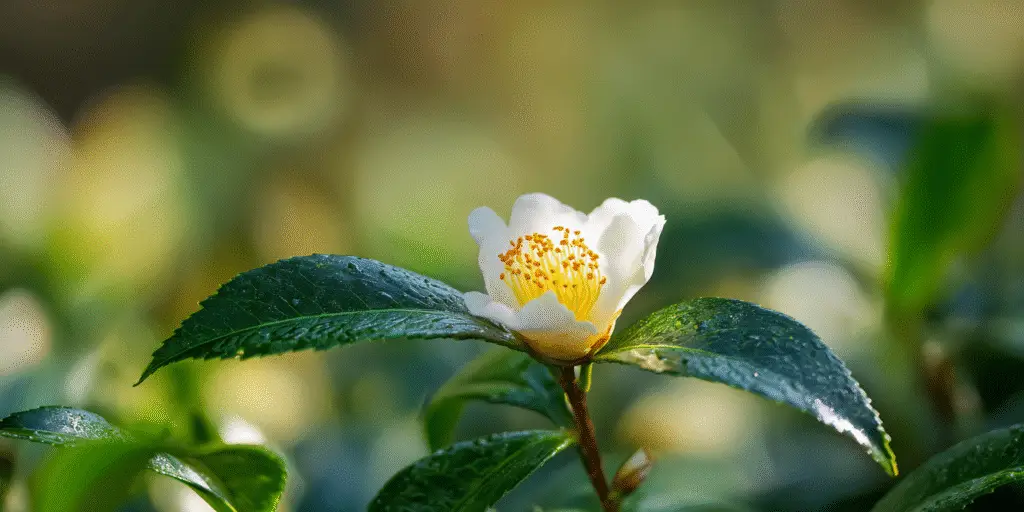
Camellia japonica is the classic garden camellia grown for its evergreen leaves and showy winter to spring flowers. It stands out for its many formal double and semi‑double forms. It performs best in bright dappled shade or morning sun with protection from hot afternoon sun. It prefers acidic, organic, well‑drained soil and steady moisture. Near the cold edge of its range, a sheltered site reduces bud drop after late freezes. Typical hardiness is USDA zones 7 to 9.
At‑a‑glance
Group/Class: Species
Height × spread: 7–12 ft (2.1–3.7 m) × 5–10 ft (1.5–3.0 m)
Bloom window: late winter to spring
Color & flower form: white, pink, or red; single to formal double
Fragrance: 0 none
USDA hardiness: zones 7–9
Breeder / Year / Origin: unknown, unknown, China and Japan
Cut‑flower notes: stems moderate; open flowers last about 2–4 days; floating displays work well
Pet safety: safe
How it differs
Larger leaves and flowers than sasanqua types.
Blooms later than fall‑blooming camellias.
Prefers more shade than sun‑tolerant camellias.
More sensitive to sudden hard freezes than newer hardy hybrids.
Strengths
Evergreen structure with glossy foliage.
Thousands of cultivars for color and form choice.
Performs well under tall tree canopies in dappled light.
Long‑lived landscape shrub in suitable climates.
Care in one minute
Site: morning sun or bright dappled shade; shelter from winter sun and wind.
Soil and pH: acidic 5.5 to 6.5; organic; well‑drained; 2–3 in mulch.
Watering: even moisture; avoid waterlogging.
Feeding: after bloom, use acid‑forming fertilizer at label rates.
Pruning: right after flowering; minimal shaping.
Overwintering: in Zone 7, use protected microclimates to reduce bud damage.
Watch‑outs
Bud drop with freeze–thaw or drought.
Susceptible to camellia petal blight, canker, root rot in wet soils, and scale insects.
Yellowing leaves in alkaline soils (raise acidity).
Best uses (tags)
specimen; woodland‑edge; screens; containers
Provenance note
Native to China and Japan and cultivated for centuries; modern hardy selections extend its use in cooler sites.
Written by: Your Flowers Guide editorial team We are a small independent group of flower lovers who research and review each guide using trusted horticultural and educational sources. Learn more about us