returns in
184
days
Bloom calendar
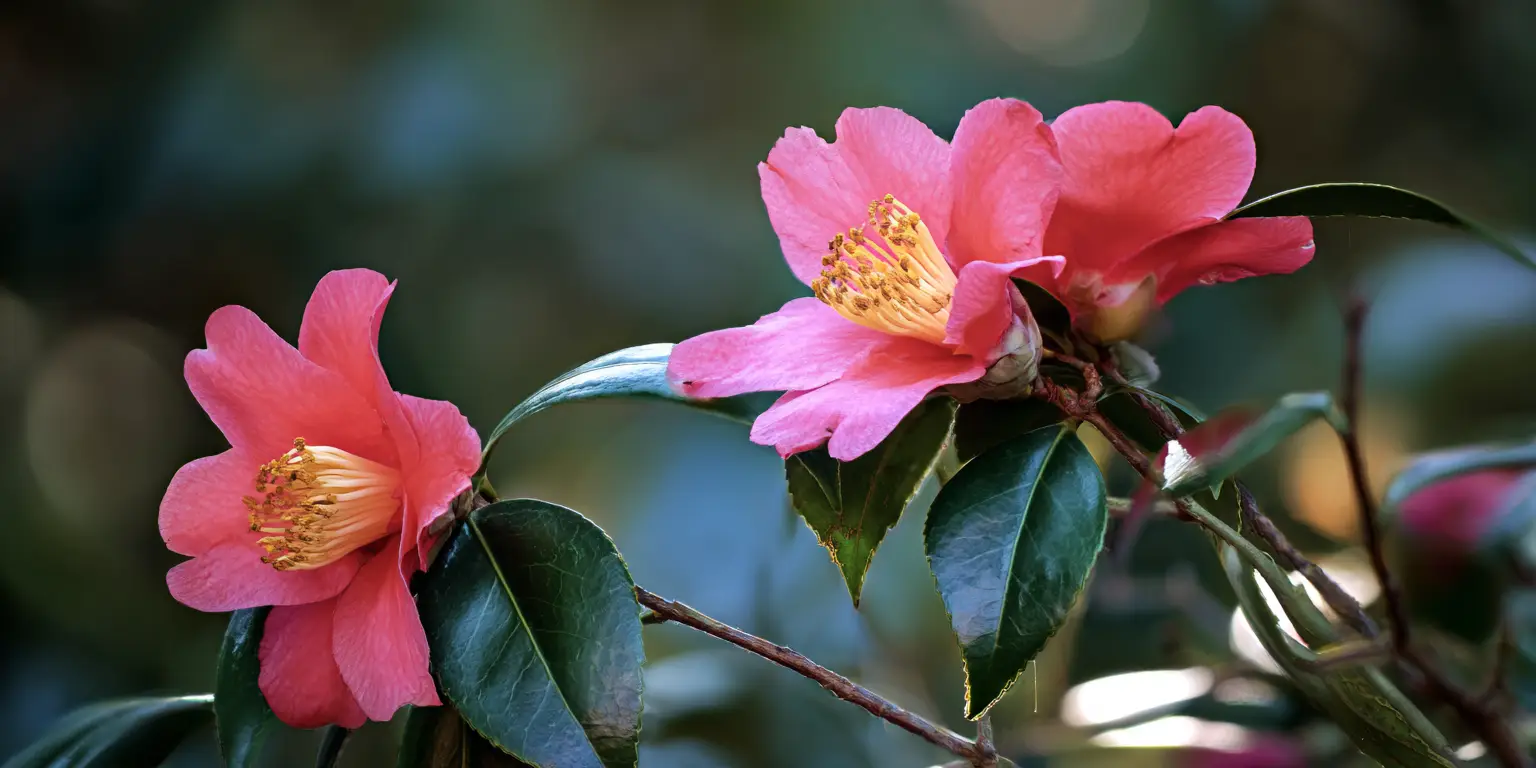
Camellia williamsii
Hybrid group (C. japonica × C. saluenensis) · J.C. Williams and Col. Stephenson Clarke, 1940s, United Kingdom
At‑a‑glance
- Group/Class: Hybrid group (C. japonica × C. saluenensis)
- Height × spread: 10–15 ft (3.0–4.6 m) × 5–8 ft (1.5–2.4 m), varies by cultivar
- Bloom window: late winter to spring; some start as early as November
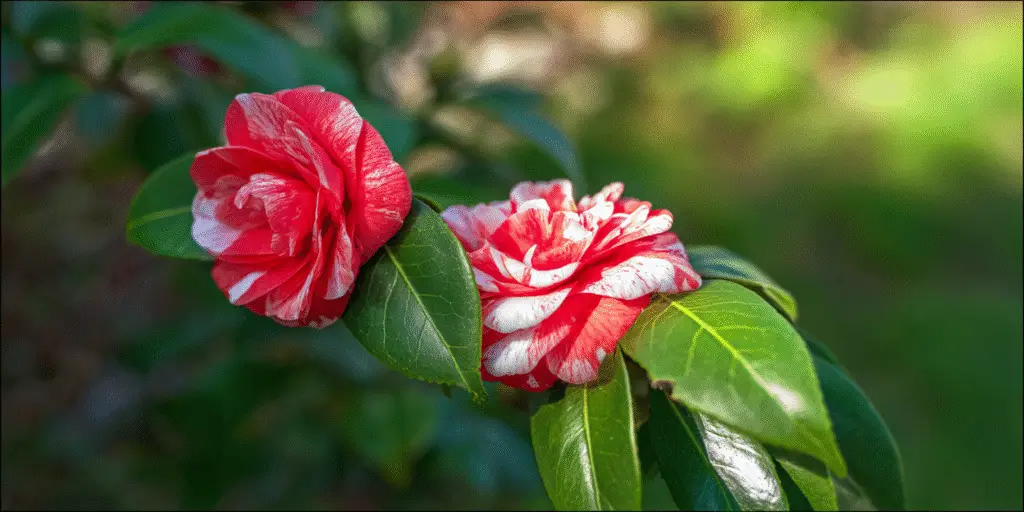
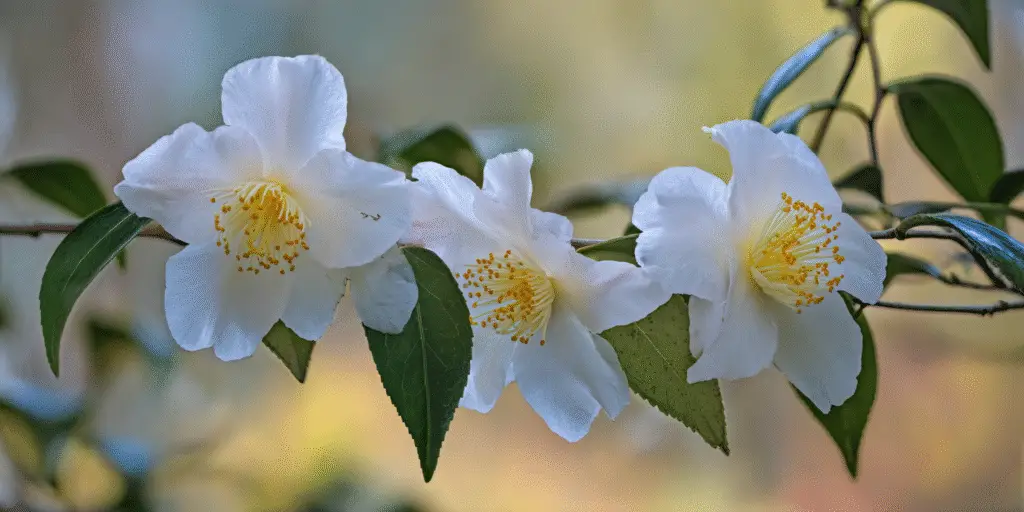
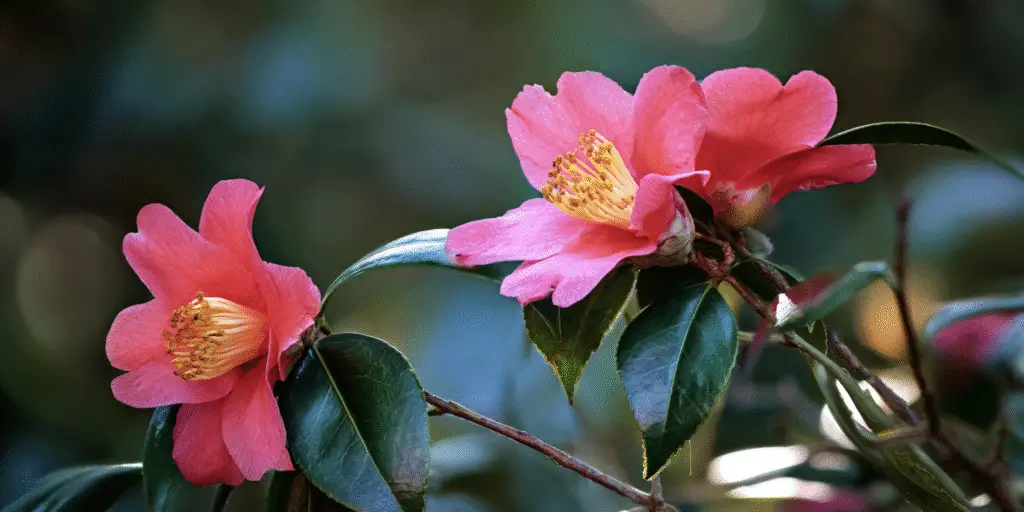
- Color & flower form: pinks, whites, reds; single to double
- Fragrance: 0 none
- USDA hardiness: zones 7–9 (varies by cultivar)
- Breeder / Year / Origin: J.C. Williams and Col. Stephenson Clarke, 1940s, United Kingdom
- Cut‑flower notes: flowers often drop whole when old; stems have short vase life; float blooms or use flowering branches
- Pet safety: safe
How it differs
- Spent flowers drop cleanly instead of browning in place.
- Often blooms over a long season, with some starting in November.
- Reliable bud set and floriferous habit in cool climates.
- Foliage and habit often close to japonica with added vigor.
Strengths
- Heavy bloom and good garden reliability.
- Tidy look because old flowers fall away.
- Performs in bright shade and sheltered sites.
Care in one minute
Light: part shade with protection from hot afternoon sun.
Soil: acidic, organic, and well‑drained with 2–3 in mulch.
Water: even moisture during bud set and bloom.
Feeding: light, acid‑forming fertilizer after flowering.
Pruning: light shaping right after bloom.
Watch‑outs
- Frost‑damaged flowers may cling; remove to keep plants tidy.
- Root rot in wet soils and camellia scale if stressed.
Best uses (tags)
Provenance note
Raised in the UK at Caerhays and Borde Hill from the 1930s; widely distributed by the 1940s.
References
- Trees and Shrubs Online – Camellia × williamsii
- Norfolk Botanical Garden – Williamsii hybrids overview
- Clemson University HGIC – Camellia
- UF/IFAS EDIS – Camellias at a Glance
Similar Flowers
Enjoying our flower guides? Add YourFlowersGuide as a preferred source on Google. It helps more readers find us.
Add to Preferred Sources