returns in
184
days
Bloom calendar
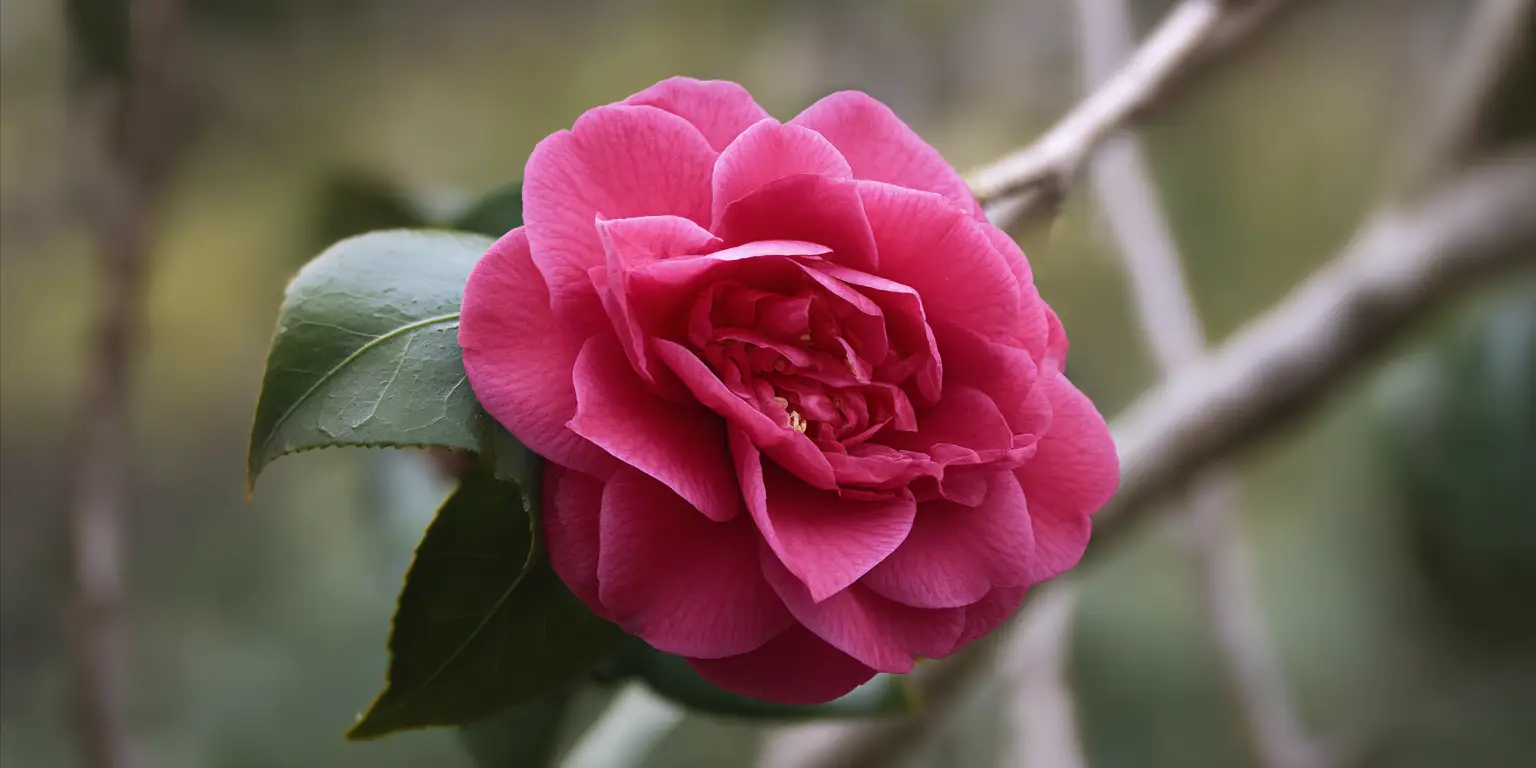
Camellia reticulata
Species
At‑a‑glance
- Group/Class: Species
- Height × spread: 8–10 ft (2.4–3.0 m) × 6–8 ft (1.8–2.4 m) in gardens; larger with age
- Bloom window: February to April (varies by cultivar and climate)
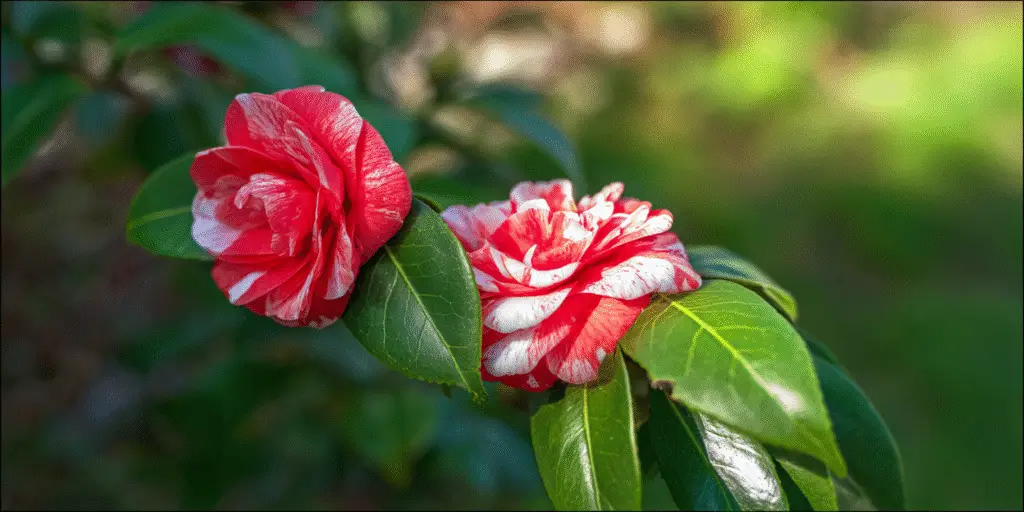
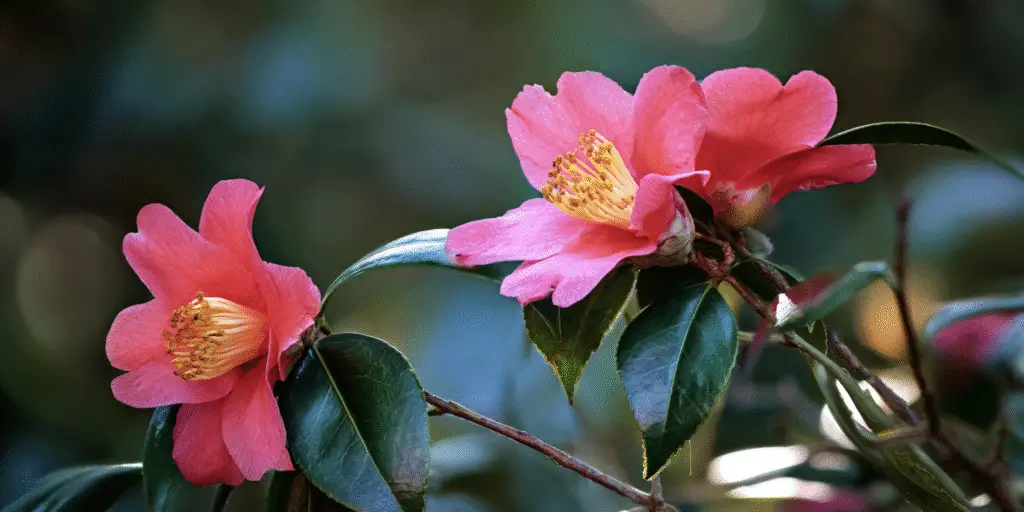
- Color & flower form: very large pink to red; mostly single to semi‑double
- Fragrance: 0 none
- USDA hardiness: zones 8–10
- Breeder / Year / Origin: unknown, unknown, China (Yunnan)
- Cut‑flower notes: huge petals bruise easily; short vase life; floating displays show blooms best
- Pet safety: safe
How it differs
- Largest flowers among commonly grown camellias.
- Often blooms later than japonica; some cultivars bloom in fall.
- Less cold‑hardy; needs shelter in most of North America outside the Deep South and West Coast.
- Looser, more open branching than japonica.
Strengths
- Dramatic specimen for mild climates.
- Bold texture and distinctive flower size.
- Good focal point for winter to spring interest.
Care in one minute
Light: bright shade or morning sun; protect from hot or early morning winter sun.
Soil: acidic and organic; excellent drainage is essential.
Water: even moisture; mulch to moderate swings.
Feeding: light acid‑forming fertilizer after bloom.
Pruning: minimal; thin lightly after flowering.
Watch‑outs
- Cold damage below typical zone range; avoid exposed sites.
- Root rot in poorly drained soils; petal blight in wet springs.
- Buds and petals can scorch in direct early morning sun after frost.
Best uses (tags)
Provenance note
Native to Yunnan, China; cultivated for its huge flowers and introduced widely into mild‑climate gardens.
References
- Kew – Plants of the World Online: Camellia reticulata
- Missouri Botanical Garden – C. reticulata ‘Crimson Robe’ (zone, size)
- NC State Extension – Camellia reticulata
- Pacific Horticulture – A Fresh Look at Camellia reticulata
Similar Flowers
Enjoying our flower guides? Add YourFlowersGuide as a preferred source on Google. It helps more readers find us.
Add to Preferred Sources