returns in
184
days
Bloom calendar
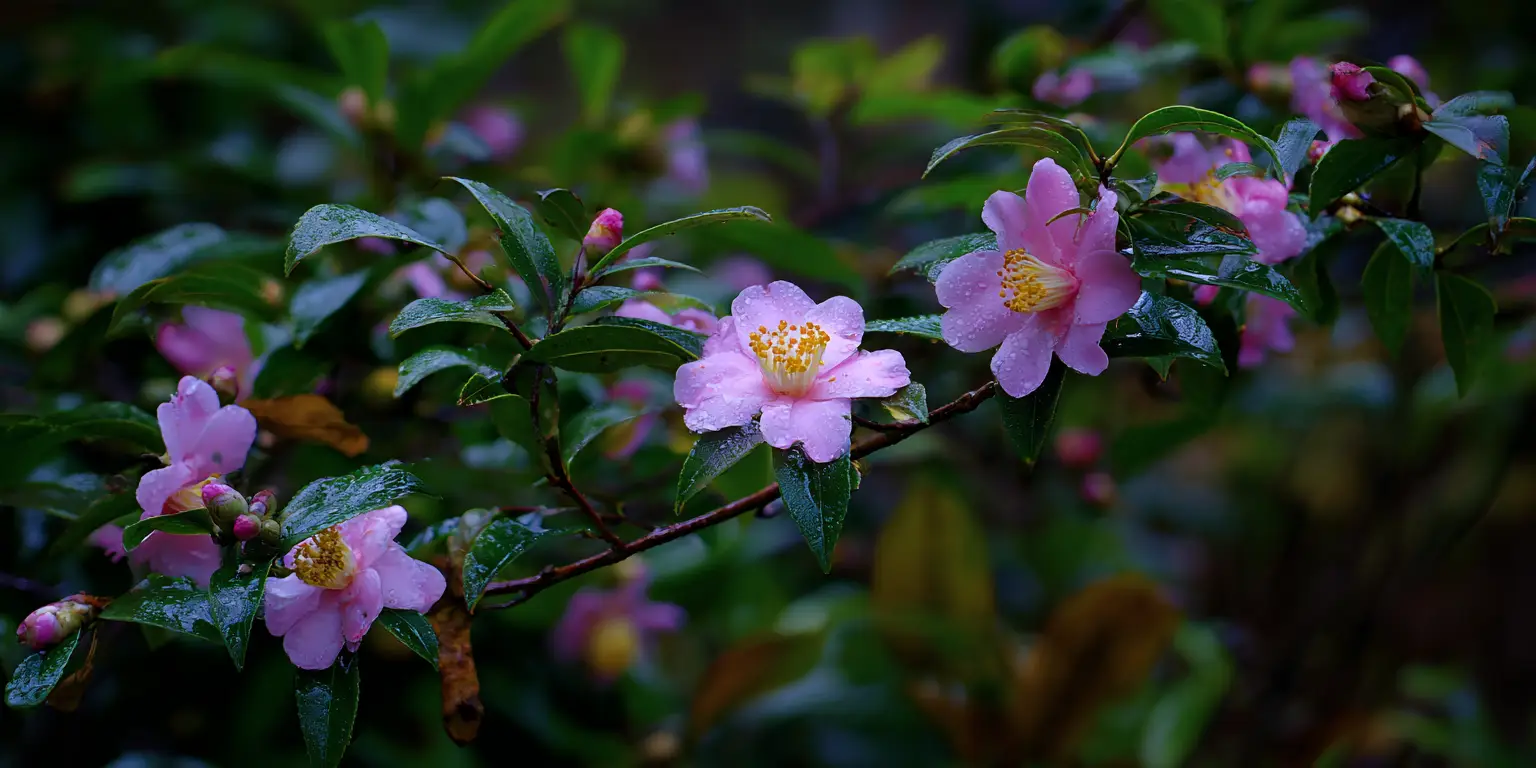
Camellia hiemalis
Hybrid group (C. sasanqua × C. japonica)
At‑a‑glance
- Group/Class: Hybrid group (C. sasanqua × C. japonica)
- Height × spread: 6–10 ft (1.8–3.0 m) × 4–6 ft (1.2–1.8 m), varies by cultivar
- Bloom window: late fall to early winter
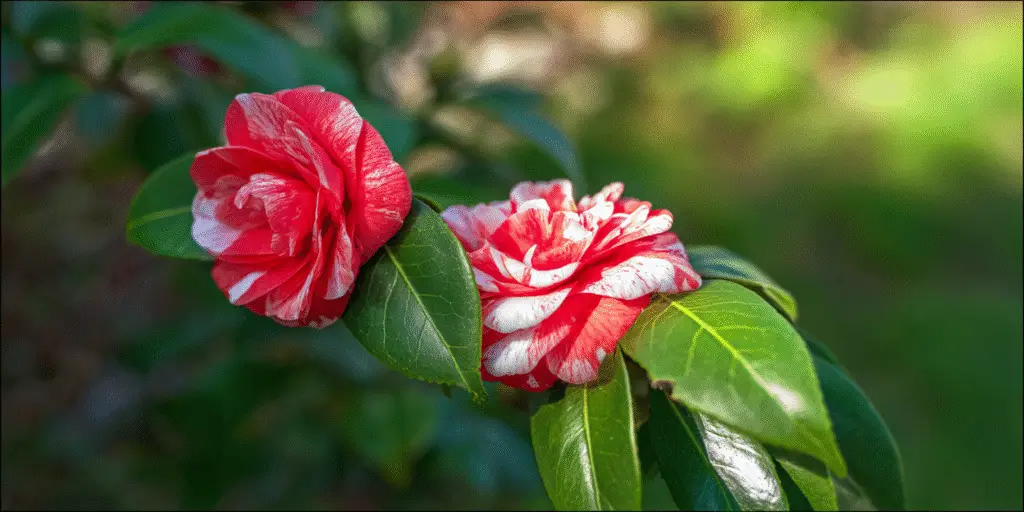
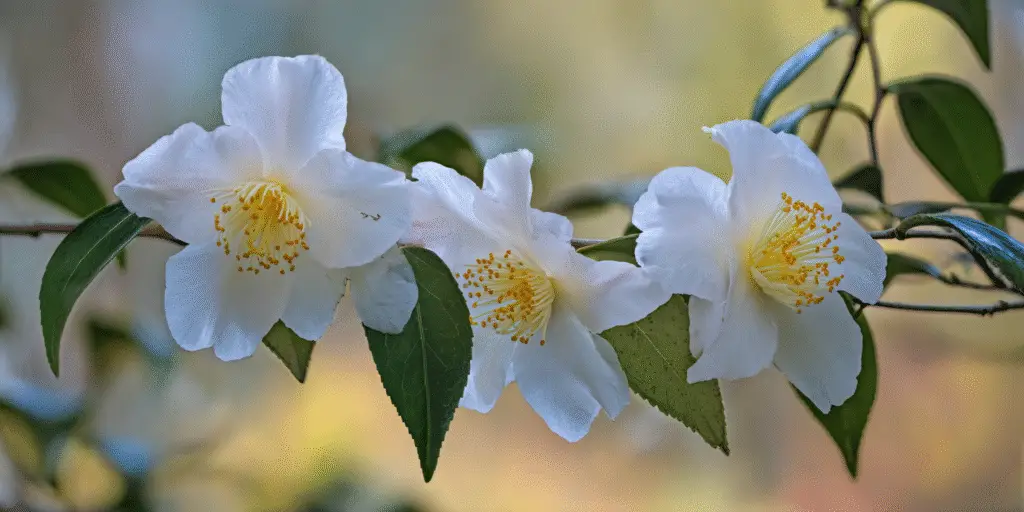
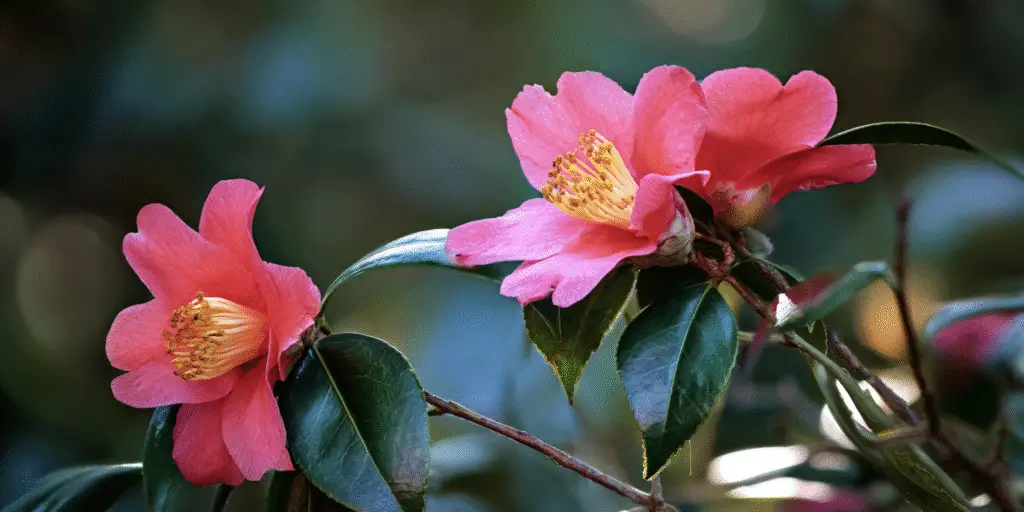
- Color & flower form: pink to white; single to semi‑double
- Fragrance: 1 trace
- USDA hardiness: zones 7–9
- Breeder / Year / Origin: unknown, unknown, Japan
- Cut‑flower notes: short vase life; pick half‑open; floating displays are effective
- Pet safety: safe
How it differs
- Earlier bloom than most japonicas.
- Finer texture and more compact habit than many japonicas.
- Generally more sun‑tolerant than japonica types.
- Works well where a hedge or foundation shrub is needed.
Strengths
- Dependable fall color in zones 7 to 9.
- Takes pruning and shaping.
- Good performer in large containers.
Care in one minute
Light: sun to part shade; shelter from winter wind where possible.
Soil: acidic, organic, well‑drained; mulch 2–3 in.
Water: consistent moisture, especially during bud set.
Feeding: light acid‑forming fertilizer after bloom.
Pruning: shape immediately after flowering.
Watch‑outs
- Early hard freezes can nip buds and flowers.
- Petal blight and scale possible; monitor and remove infected blooms.
- Yellowing in alkaline soils; maintain acidity.
Best uses (tags)
Provenance note
Hybridized in Japan; widely planted in North America as compact, early‑blooming camellias.
References
- UF/IFAS EDIS – Camellias at a Glance
- JC Raulston Arboretum – Camellia × hiemalis ‘Rose of Autumn’
- Clemson University HGIC – Camellia
- ASPCA – Common Camellia (non‑toxic to pets)
Similar Flowers
Enjoying our flower guides? Add YourFlowersGuide as a preferred source on Google. It helps more readers find us.
Add to Preferred Sources