returns in
184
days
Bloom calendar
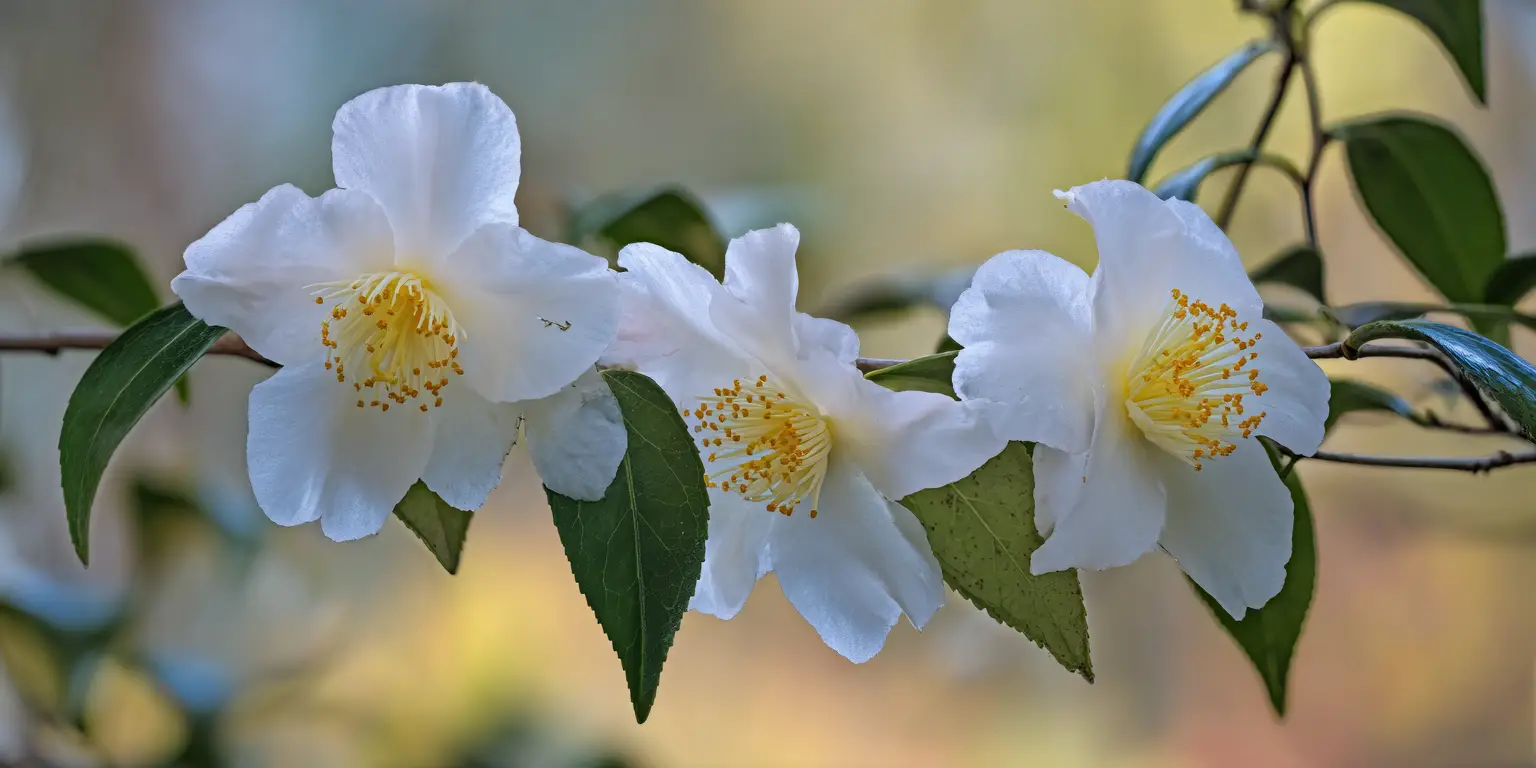
Camellia sasanqua
Species
At‑a‑glance
- Group/Class: Species
- Height × spread: 6–14 ft (1.8–4.3 m) × 5–7 ft (1.5–2.1 m)
- Bloom window: fall to early winter
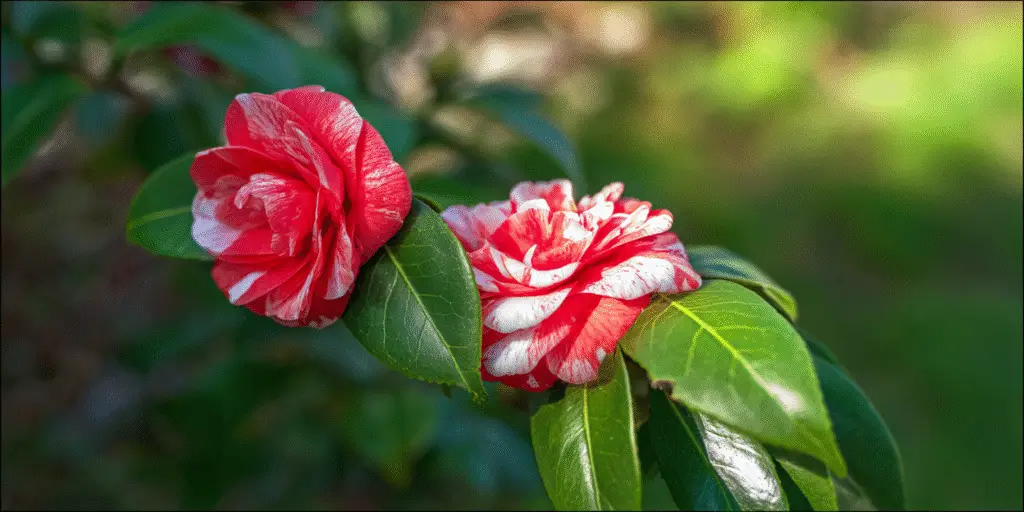
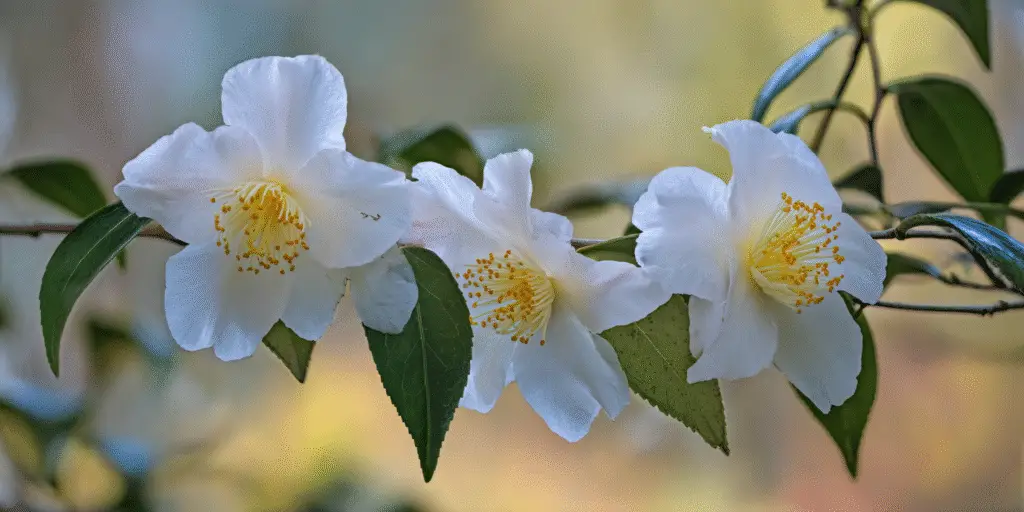
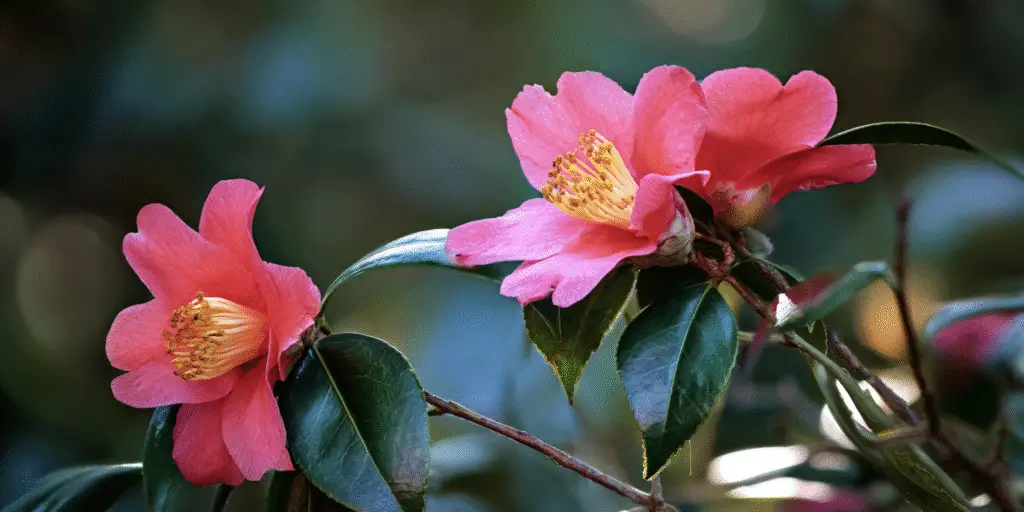
- Color & flower form: white to pink to red; usually single to semi‑double
- Fragrance: 1 trace
- USDA hardiness: zones 7–9
- Breeder / Year / Origin: unknown, unknown, Japan
- Cut‑flower notes: blooms drop quickly; not ideal as cut flowers; floating displays are better
- Pet safety: safe
How it differs
- Blooms earlier than most japonicas.
- Smaller leaves and finer texture.
- Tolerates more sun and brief drought once established.
- More resistant to Phytophthora root rot.
Strengths
- Fast growth; trains well for hedges and espaliers.
- Light fragrance on many cultivars.
- Performs in containers and narrow spaces.
Care in one minute
Light: full sun to part shade; shelter from drying winter winds where possible.
Soil: acidic and organic with good drainage; mulch to moderate moisture.
Watering: steady moisture the first year; then deep, occasional watering.
Feeding: light, acid‑forming fertilizer after bloom if needed.
Pruning: shear or shape right after flowering; set next year’s buds on old wood.
Watch‑outs
- All camellias can get petal blight; remove spent blooms.
- Scale, aphids, mites possible; manage with monitoring.
- Yellowing in alkaline soils; keep pH acidic.
Best uses (tags)
Provenance note
Native to Japan; widely used in North American landscapes for early season color and hedging.
References
- NC State Extension – Camellia sasanqua profile
- Missouri Botanical Garden – Camellia sasanqua
- UF/IFAS EDIS – Camellias at a Glance
- ASPCA – Common Camellia (non‑toxic to pets)
Similar Flowers
Enjoying our flower guides? Add YourFlowersGuide as a preferred source on Google. It helps more readers find us.
Add to Preferred Sources