returns in
184
days
Bloom calendar
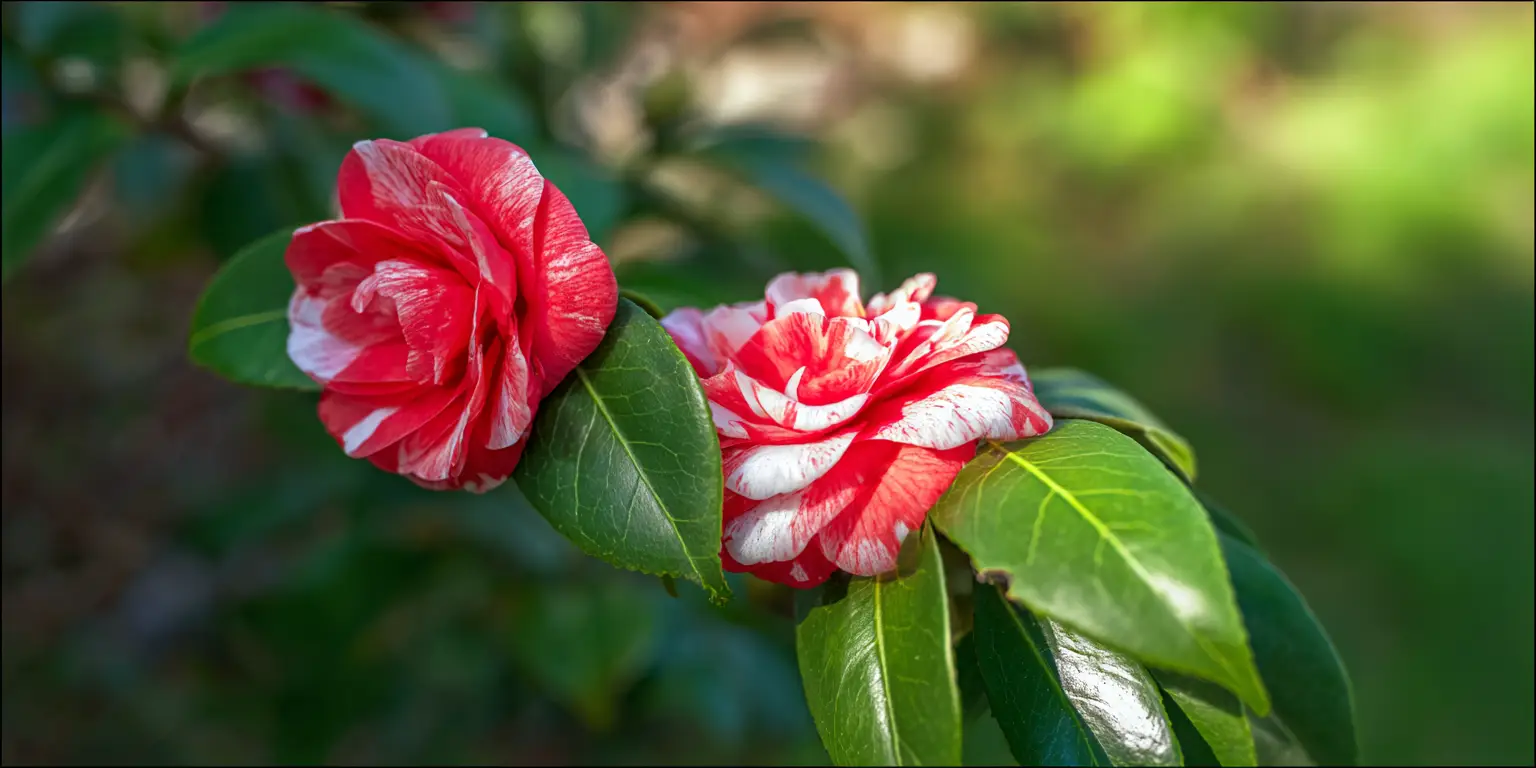
Camellia japonica
Species
At‑a‑glance
- Group/Class: Species
- Height × spread: 7–12 ft (2.1–3.7 m) × 5–10 ft (1.5–3.0 m)
- Bloom window: late winter to spring
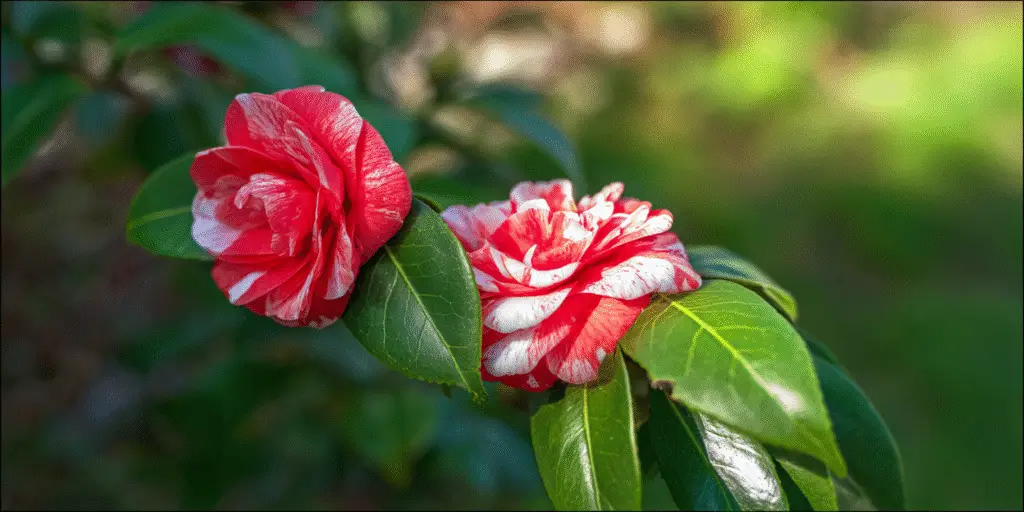
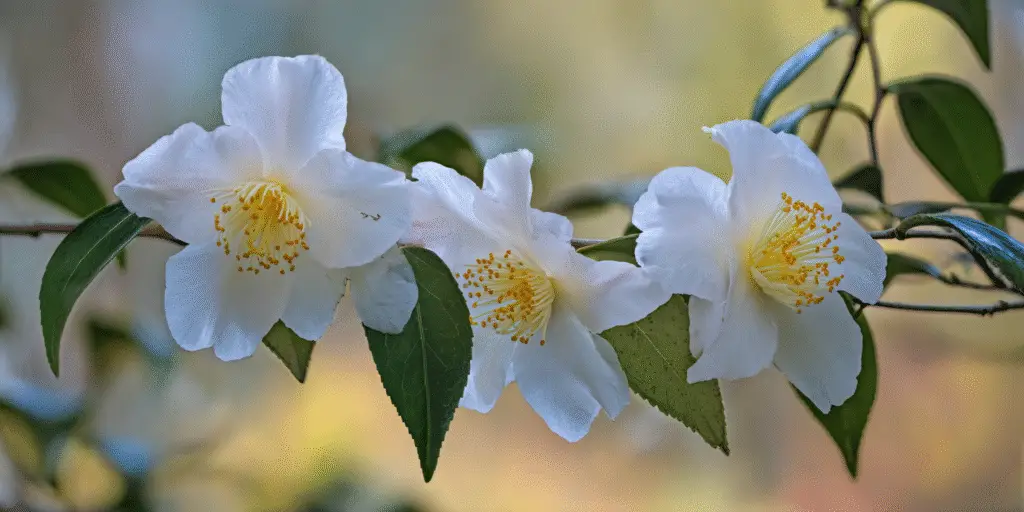
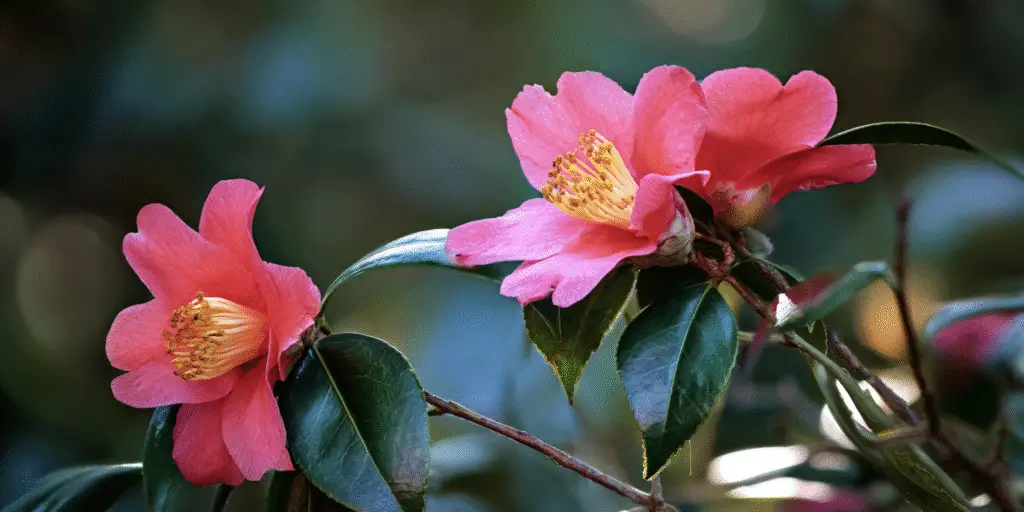
- Color & flower form: white, pink, or red; single to formal double
- Fragrance: 0 none
- USDA hardiness: zones 7–9
- Breeder / Year / Origin: unknown, unknown, China and Japan
- Cut‑flower notes: stems moderate; open flowers last about 2–4 days; floating displays work well
- Pet safety: safe
How it differs
- Larger leaves and flowers than sasanqua types.
- Blooms later than fall‑blooming camellias.
- Prefers more shade than sun‑tolerant camellias.
- More sensitive to sudden hard freezes than newer hardy hybrids.
Strengths
- Evergreen structure with glossy foliage.
- Thousands of cultivars for color and form choice.
- Performs well under tall tree canopies in dappled light.
- Long‑lived landscape shrub in suitable climates.
Care in one minute
Site: morning sun or bright dappled shade; shelter from winter sun and wind.
Soil and pH: acidic 5.5 to 6.5; organic; well‑drained; 2–3 in mulch.
Watering: even moisture; avoid waterlogging.
Feeding: after bloom, use acid‑forming fertilizer at label rates.
Pruning: right after flowering; minimal shaping.
Overwintering: in Zone 7, use protected microclimates to reduce bud damage.
Watch‑outs
- Bud drop with freeze–thaw or drought.
- Susceptible to camellia petal blight, canker, root rot in wet soils, and scale insects.
- Yellowing leaves in alkaline soils (raise acidity).
Best uses (tags)
Provenance note
Native to China and Japan and cultivated for centuries; modern hardy selections extend its use in cooler sites.
References
- Missouri Botanical Garden – Camellia japonica profile:
- Clemson University HGIC – Camellia
- ASPCA – Common Camellia (non‑toxic to pets)
Similar Flowers
Enjoying our flower guides? Add YourFlowersGuide as a preferred source on Google. It helps more readers find us.
Add to Preferred Sources