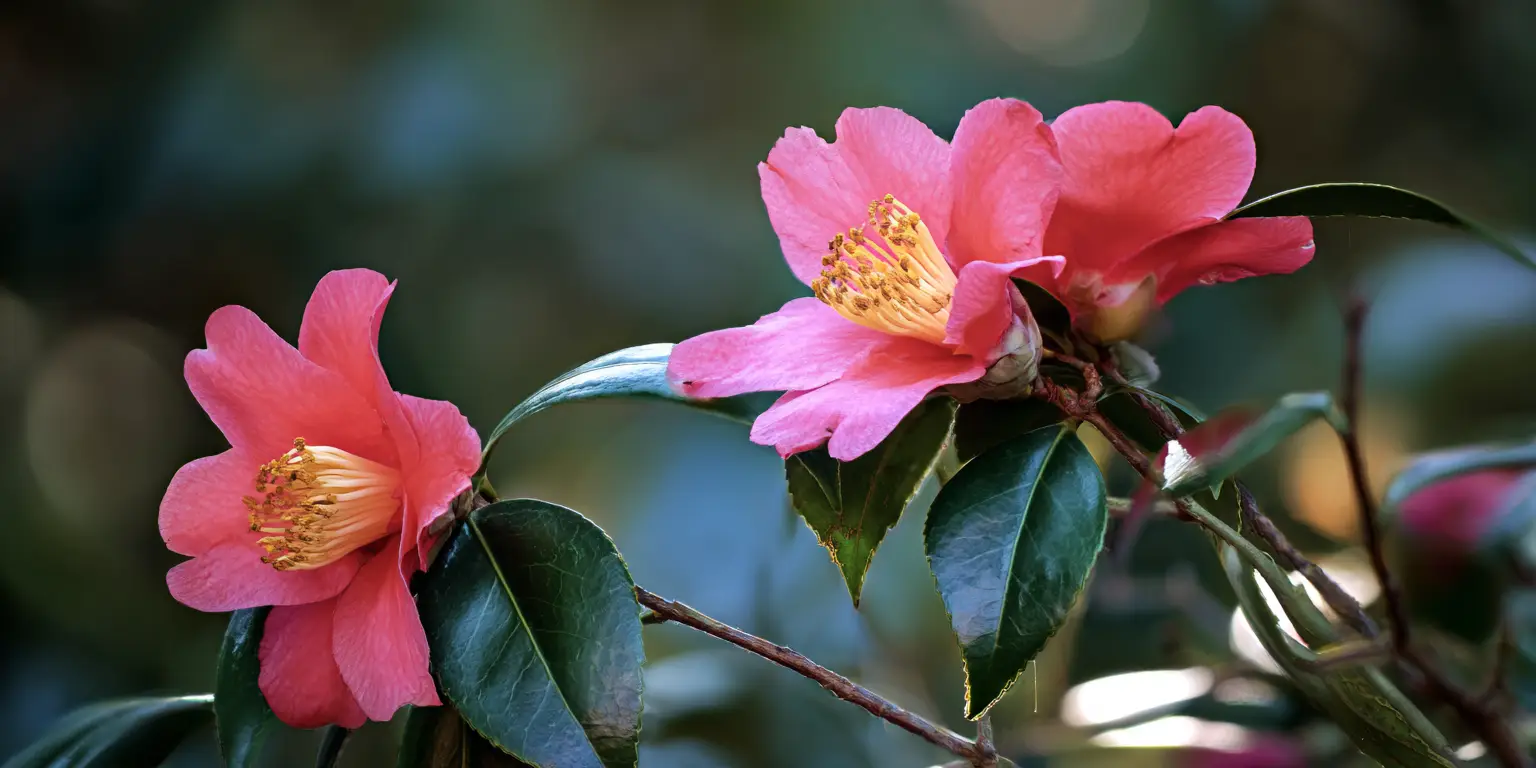
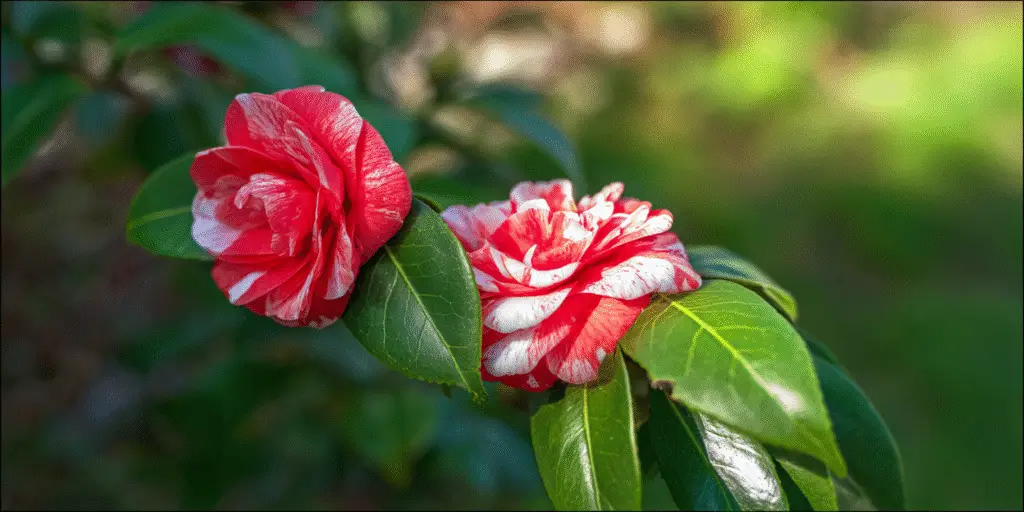
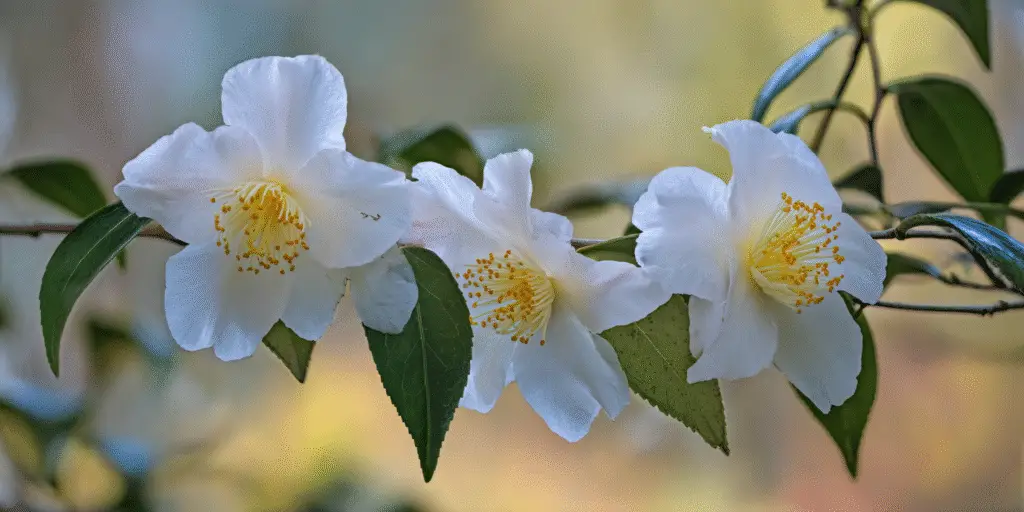
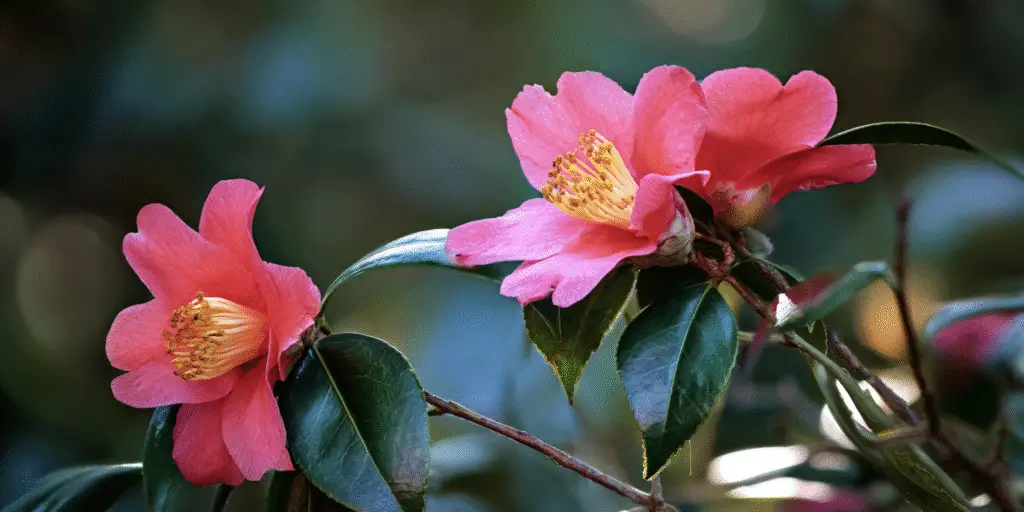
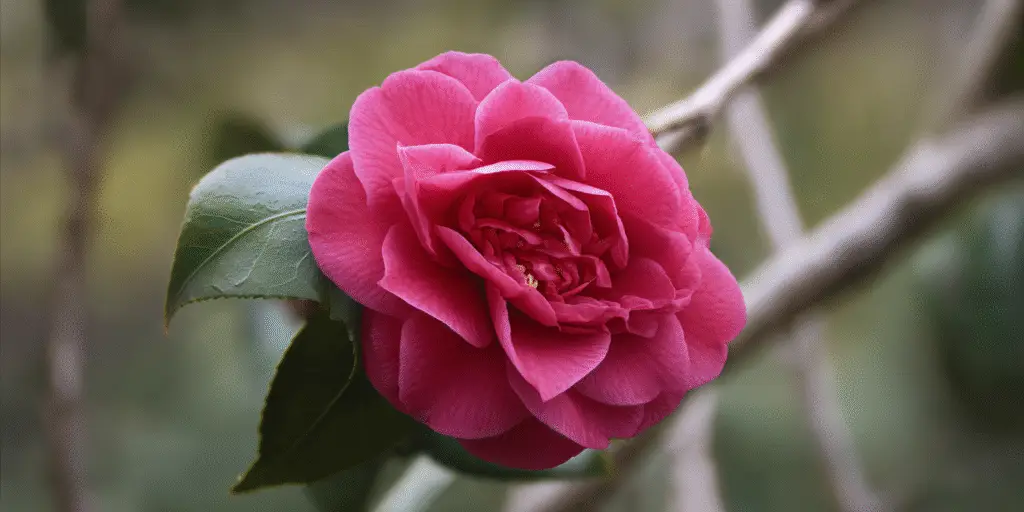
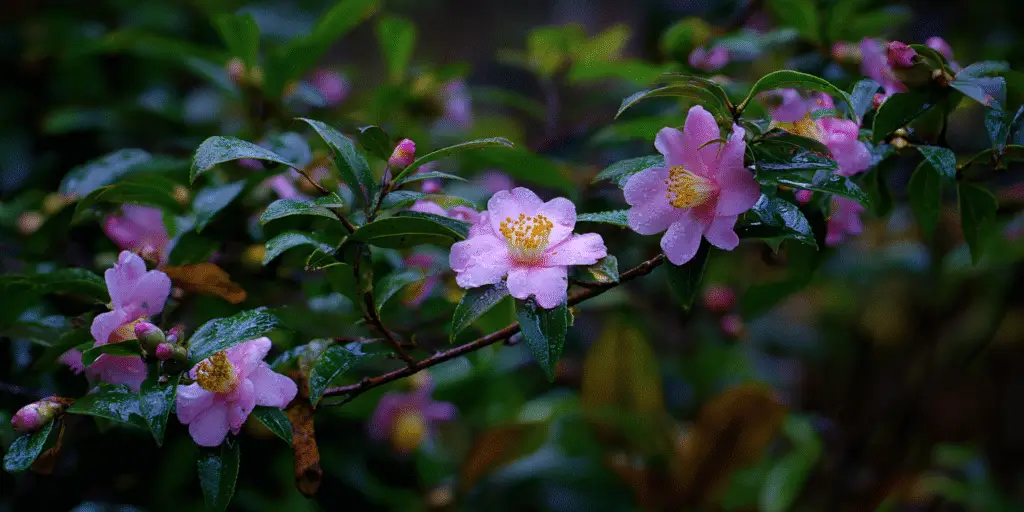
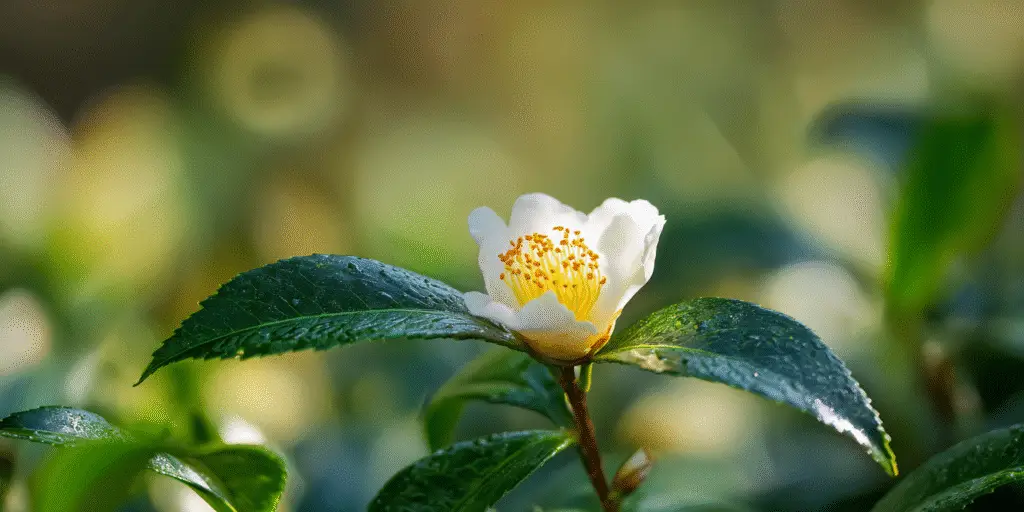
Camellia × williamsii is a hybrid group from crosses between Camellia japonica and C. saluenensis made in the United Kingdom. It stands out for profuse, reliable bloom and for flowers that usually drop cleanly when spent. It performs best in part shade with acidic, well‑drained soils and steady moisture. Many cultivars flower from late winter into spring; a few begin as early as November. Typical hardiness is similar to other garden camellias in USDA zones 7 to 9, varying by cultivar.
At‑a‑glance
Group/Class: Hybrid group (C. japonica × C. saluenensis)
Height × spread: 10–15 ft (3.0–4.6 m) × 5–8 ft (1.5–2.4 m), varies by cultivar
Bloom window: late winter to spring; some start as early as November
Color & flower form: pinks, whites, reds; single to double
Fragrance: 0 none
USDA hardiness: zones 7–9 (varies by cultivar)
Breeder / Year / Origin: J.C. Williams and Col. Stephenson Clarke, 1940s, United Kingdom
Cut‑flower notes: flowers often drop whole when old; stems have short vase life; float blooms or use flowering branches
Pet safety: safe
How it differs
Spent flowers drop cleanly instead of browning in place.
Often blooms over a long season, with some starting in November.
Reliable bud set and floriferous habit in cool climates.
Foliage and habit often close to japonica with added vigor.
Strengths
Heavy bloom and good garden reliability.
Tidy look because old flowers fall away.
Performs in bright shade and sheltered sites.
Care in one minute
Light: part shade with protection from hot afternoon sun.
Soil: acidic, organic, and well‑drained with 2–3 in mulch.
Water: even moisture during bud set and bloom.
Feeding: light, acid‑forming fertilizer after flowering.
Pruning: light shaping right after bloom.
Watch‑outs
Frost‑damaged flowers may cling; remove to keep plants tidy.
Root rot in wet soils and camellia scale if stressed.
Written by: Your Flowers Guide editorial team We are a small independent group of flower lovers who research and review each guide using trusted horticultural and educational sources. Learn more about us