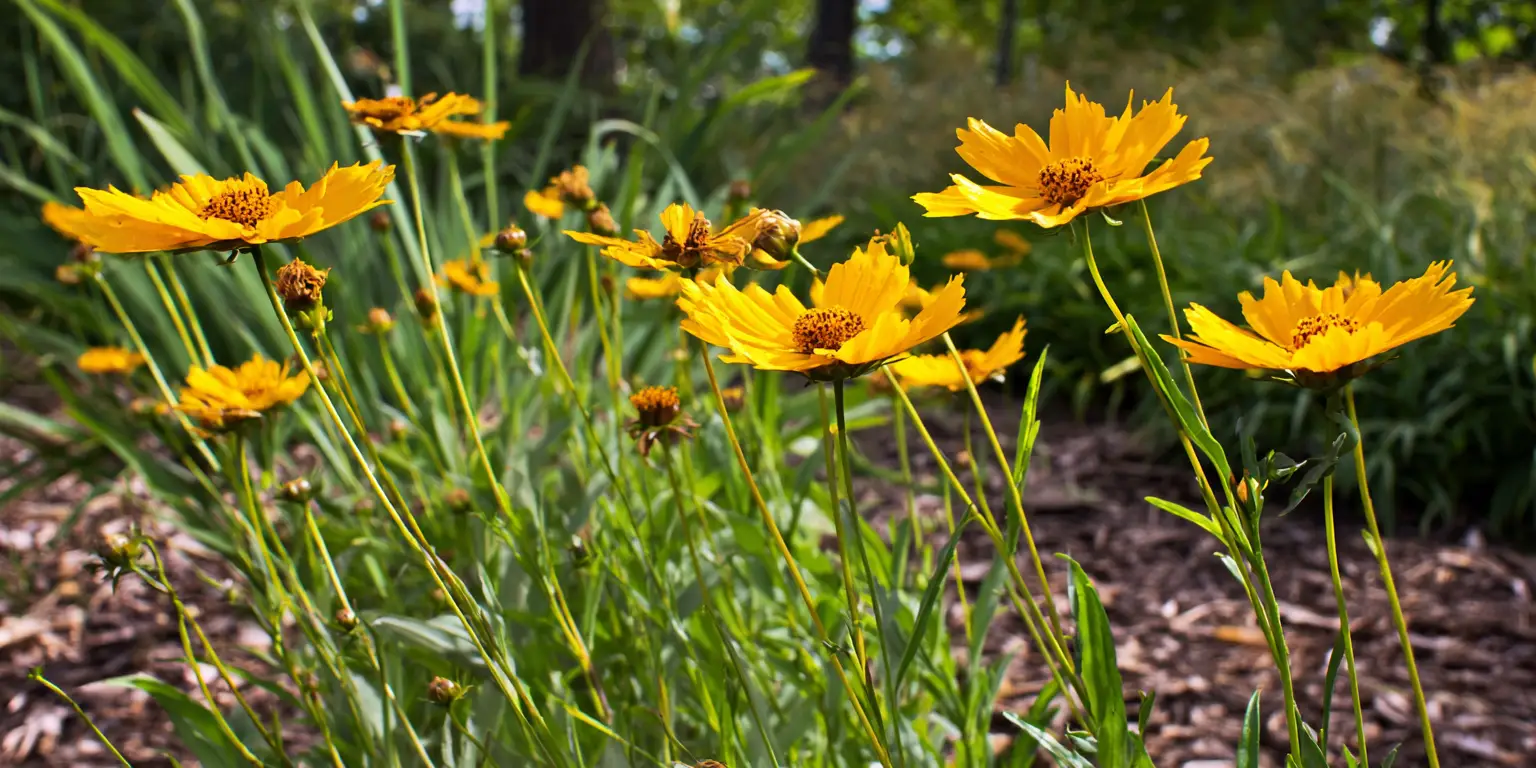
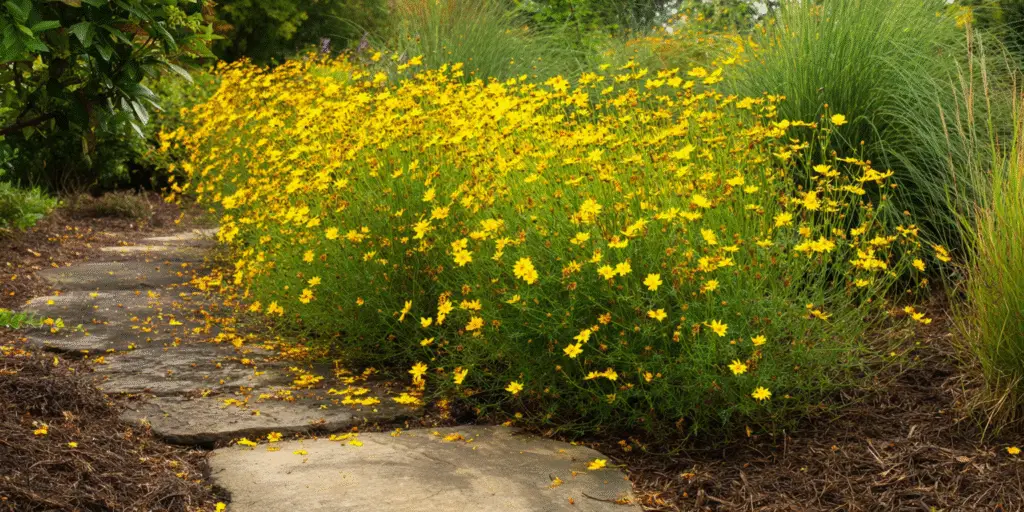
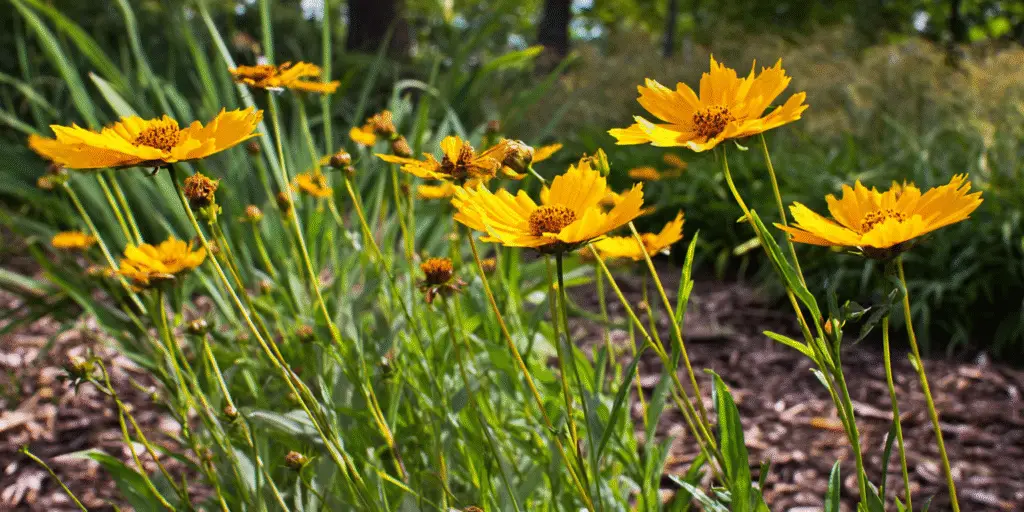
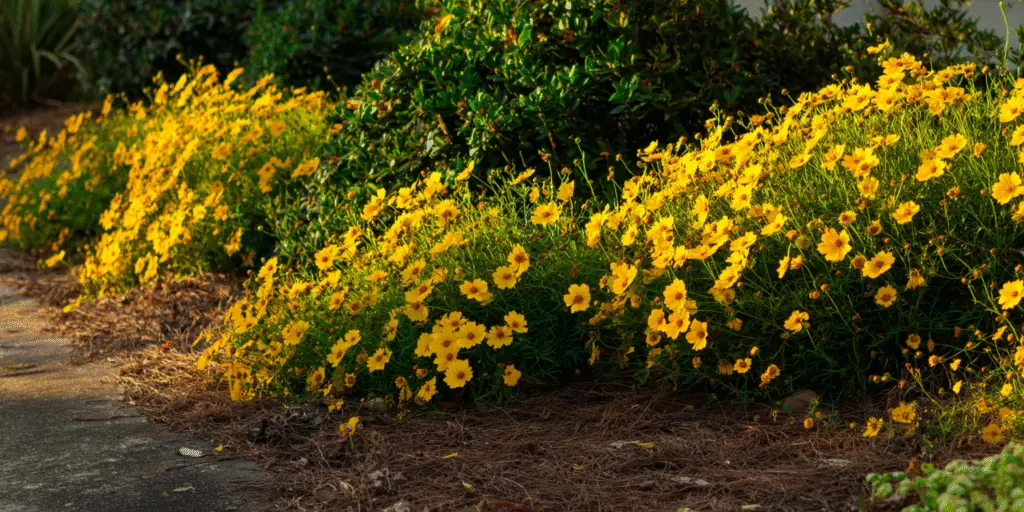
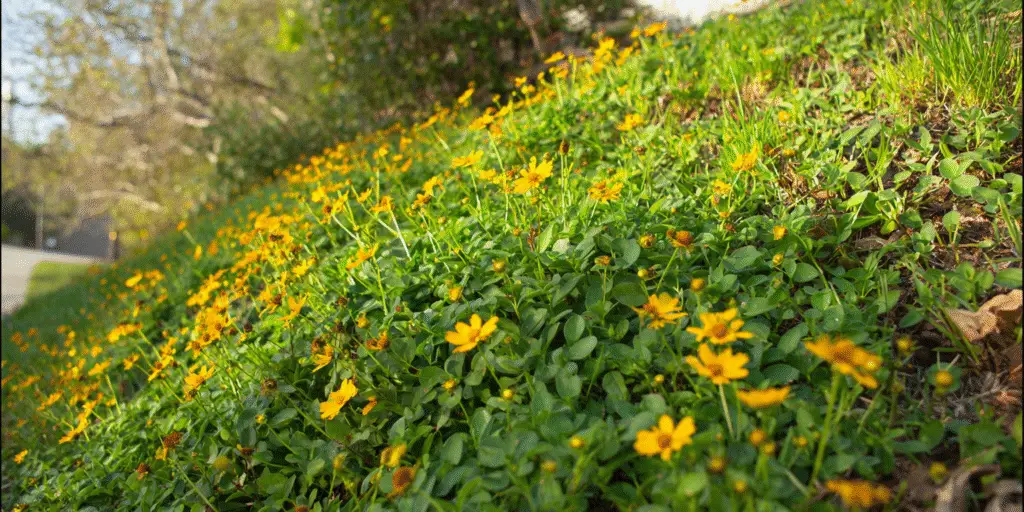
Coreopsis lanceolata is a clump‑forming perennial with bright yellow daisies in late spring. Plants thrive in full sun and well‑drained, sandy or rocky soils. This species tolerates heat, humidity, and drought once established. It is a dependable choice for meadows and naturalized plantings in North America. Deadhead to extend bloom and limit self‑seeding. Division every few years maintains vigor.
At‑a‑glance
Group/Class: species; perennial
Height × spread: 12-36 in (30-90 cm) × 12-24 in (30-60 cm)
Bloom window: May to June (longer with deadheading)
Color & flower form: yellow, single daisies with notched rays
Fragrance: 0 none
USDA hardiness: zones 4-9
Breeder / Year / Origin: unknown; native to southeastern Canada and south‑central United States
Cut‑flower notes: stems fairly sturdy; good for cutting; typical vase life unknown / varies by handling
Pet safety: safe
How it differs
Blooms earlier than many tickseed species, often in late spring.
Clump‑forming habit with broader leaves versus threadleaf types.
Self‑seeds more readily than many named hybrids.
Performs on lean, sandy or rocky soils where other perennials struggle.
Strengths
Heat, humidity, and drought tolerant after establishment.
Deer resistant foliage and flowers.
Low maintenance with good performance in poor soils.
Useful for naturalizing and roadside conditions.
Care in one minute
Site: full sun for strongest stems and best bloom.
Soil and pH: well‑drained sandy or rocky loam; acidic to neutral.
Watering: average moisture; allow soil to dry between waterings once established.
Written by: Your Flowers Guide editorial team We are a small independent group of flower lovers who research and review each guide using trusted horticultural and educational sources. Learn more about us