in bloom
now
through Sep
Bloom calendar
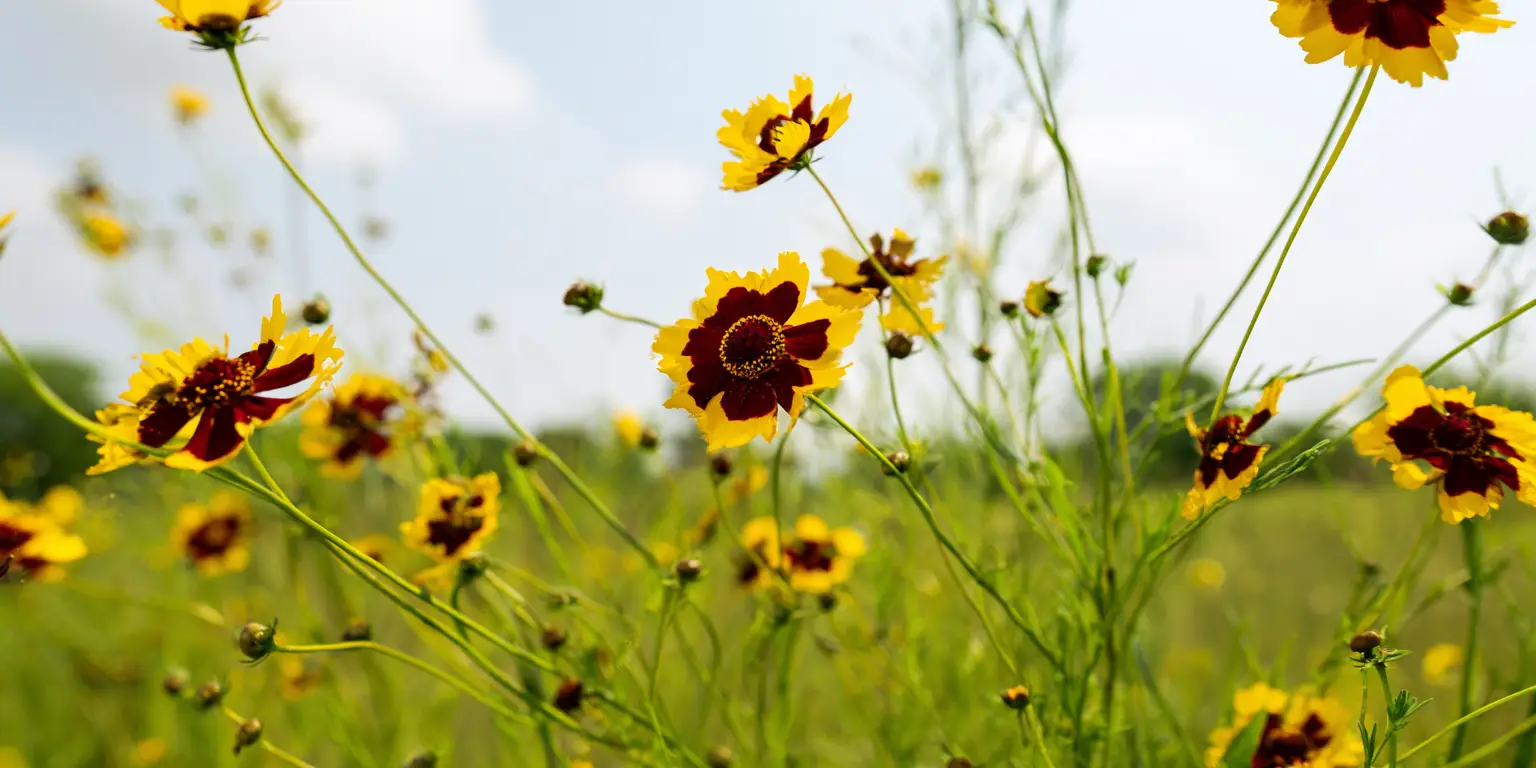
Coreopsis tinctoria
species; annual
At‑a‑glance
- Group/Class: species; annual
- Height × spread: 18-60 in (45-150 cm) × 12-24 in (30-60 cm)
- Bloom window: summer to frost
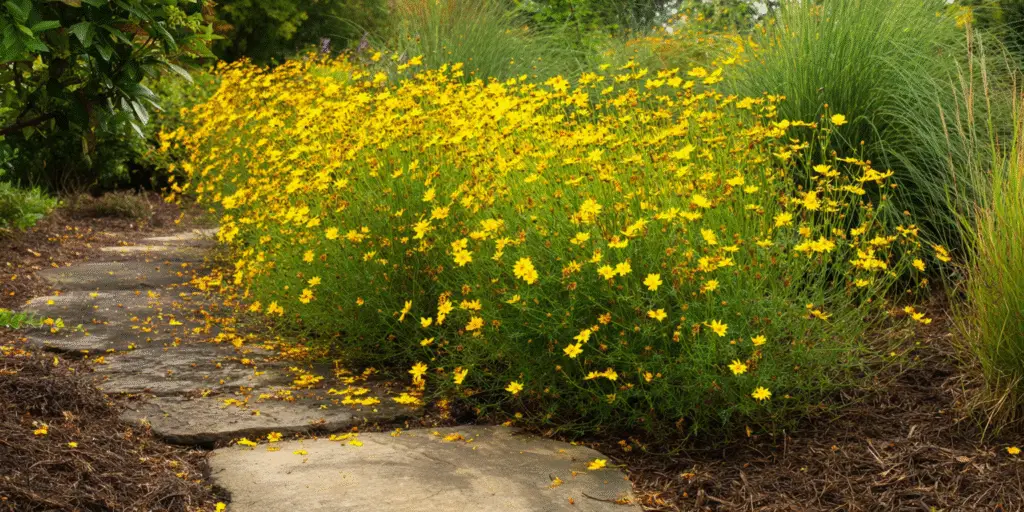
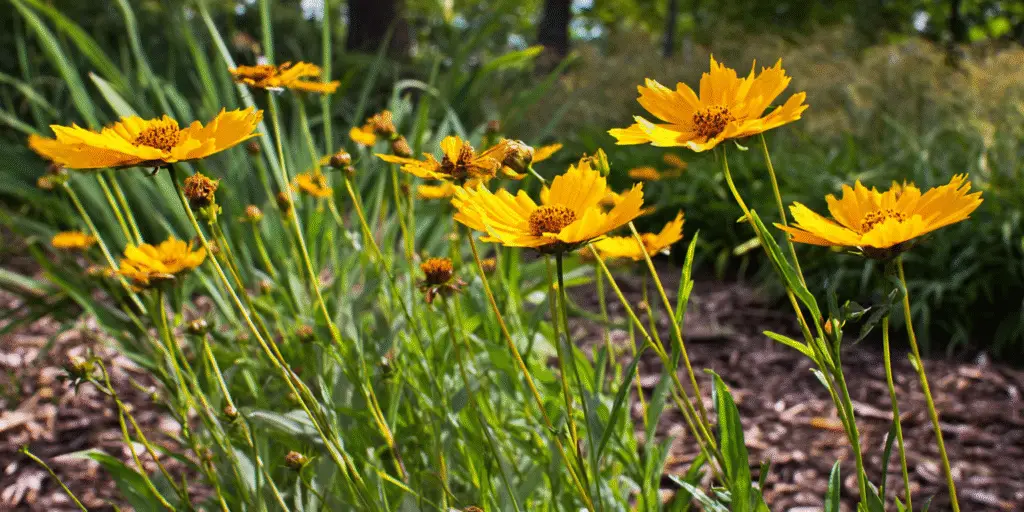
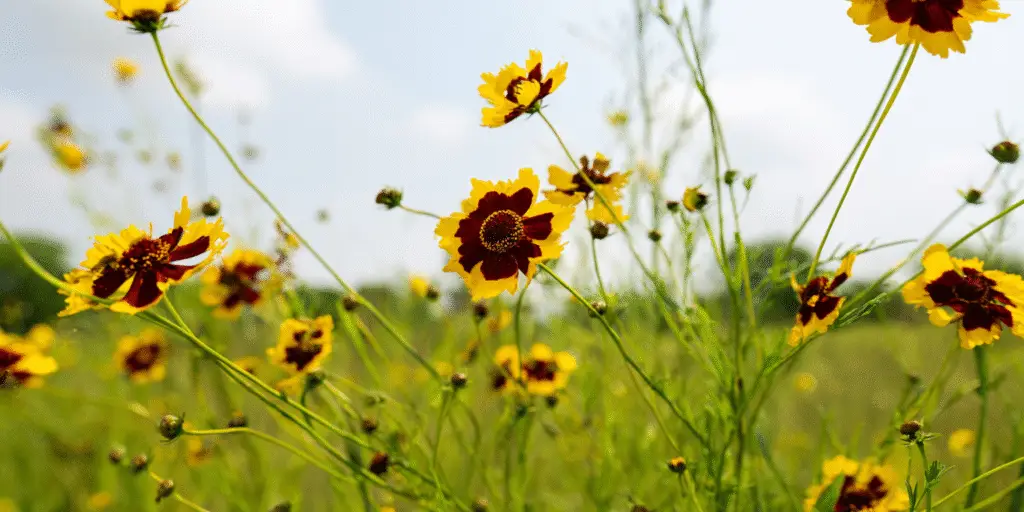
- Color & flower form: yellow to yellow‑with‑maroon eye; single daisies
- Fragrance: 0 none
- USDA hardiness: grown as annual in all zones
- Breeder / Year / Origin: unknown; native to central North America
- Cut‑flower notes: stems slender; harvest when a few flowers are open; typical vase life unknown / varies by handling
- Pet safety: safe
How it differs
- Annual life cycle versus many perennial Coreopsis species.
- Longest bloom window in the genus in many climates when deadheaded.
- Readily self‑seeds, especially in disturbed or sandy soils.
- Bicolored forms offer red‑and‑yellow contrast uncommon in the genus.
Strengths
- Fast to flower from seed.
- Tolerates lean, sandy soils and summer heat.
- Supports pollinators throughout summer.
- Good for meadow mixes and seasonal color.
Care in one minute
Site: full sun with open exposure.
Soil and pH: well‑drained, lean soils; neutral to slightly acidic.
Watering: average moisture; avoid constant wet or boggy conditions.
Feeding: none to light; excessive nitrogen increases lodging.
Grooming: deadhead to extend bloom and limit reseeding; stake taller stands if windy.
Overwintering: none; collect seed if you want repeat displays.
Watch‑outs
- Can reseed freely; deadhead to limit volunteers.
- Taller plants may lodge in fertile soils or wind.
- Not drought‑tolerant in shallow containers.
- Crowded stands can see mildew late in the season.
Best uses (tags)
Provenance note
Native to the Great Plains and adjacent regions; the epithet tinctoria refers to traditional dye use of the flowers.
References
- NC State Extension Plant Toolbox – Coreopsis tinctoria
- Lady Bird Johnson Wildflower Center – Coreopsis tinctoria
- UF/IFAS Environmental Horticulture fact sheet – Coreopsis tinctoria
- ASPCA – Coreopsis (Tickseed) non‑toxic to pets
Similar Flowers
Enjoying our flower guides? Add YourFlowersGuide as a preferred source on Google. It helps more readers find us.
Add to Preferred Sources