
in bloom
now
through Sep
Bloom calendar
Coreopsis rosea
species; perennial
At‑a‑glance
- Group/Class: species; perennial
- Height × spread: 12-24 in (30-60 cm) × 24-36 in (60-90 cm)
- Bloom window: June to September (with deadheading)
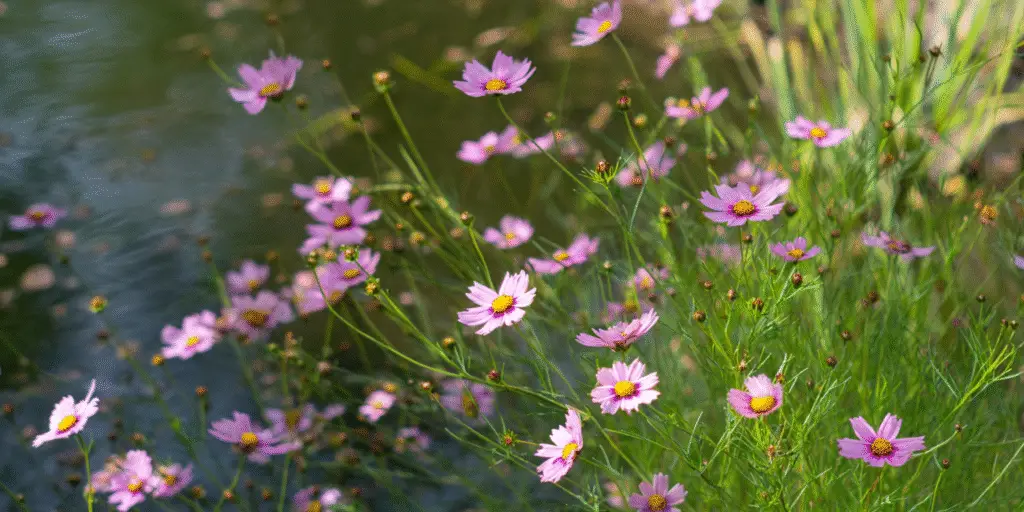
- Color & flower form: soft pink rays with yellow disks; single daisies
- Fragrance: 0 none
- USDA hardiness: zones 3-8
- Breeder / Year / Origin: unknown; native to the northeastern Atlantic coastal plain
- Cut‑flower notes: stems slender for small arrangements; good cut noted; typical vase life unknown / varies by handling
- Pet safety: safe
How it differs
- Pink flowers rather than the typical yellow of most Coreopsis.
- Prefers average to moist soils and may struggle in drought.
- Forms broad, mounded clumps wider than tall.
- Best in cooler summers or coastal sites.
Strengths
- Uncommon color within the genus.
- Long bloom with regular deadheading.
- Attracts pollinators.
- Deer tolerant in many gardens.
Care in one minute
Site: full sun; light afternoon shade in hot inland sites.
Soil and pH: average, well‑drained soils that hold some moisture; neutral to slightly acidic.
Watering: regular moisture in summer; do not allow sustained drought.
Feeding: light feeding in spring only.
Grooming: deadhead through summer; shear lightly to encourage a fresh flush.
Overwintering: mulch in colder zones; ensure winter drainage.
Watch‑outs
- Lower drought tolerance than many tickseeds.
- Can decline in prolonged heat without moisture.
- Needs drainage to prevent crown issues.
Best uses (tags)
Provenance note
Native to the northeastern U.S. coastal plain; selected into several garden forms since the late twentieth century.
References
- Lady Bird Johnson Wildflower Center – Coreopsis rosea
- Missouri Botanical Garden Plant Finder – Coreopsis rosea
- ASPCA – Coreopsis (Tickseed) non‑toxic to pets
Similar Flowers
Enjoying our flower guides? Add YourFlowersGuide as a preferred source on Google. It helps more readers find us.
Add to Preferred Sources