Contents
Delphinium elatum
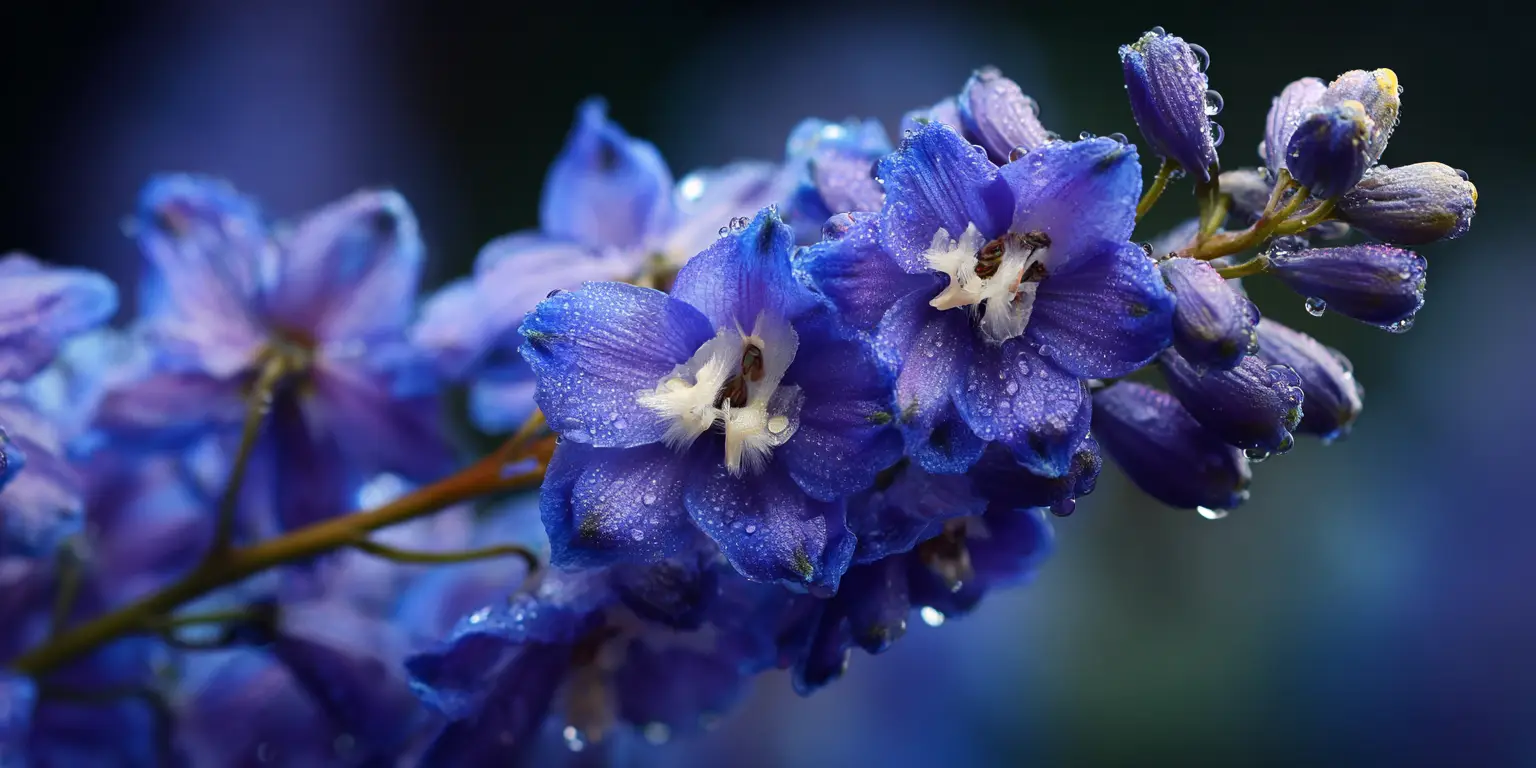
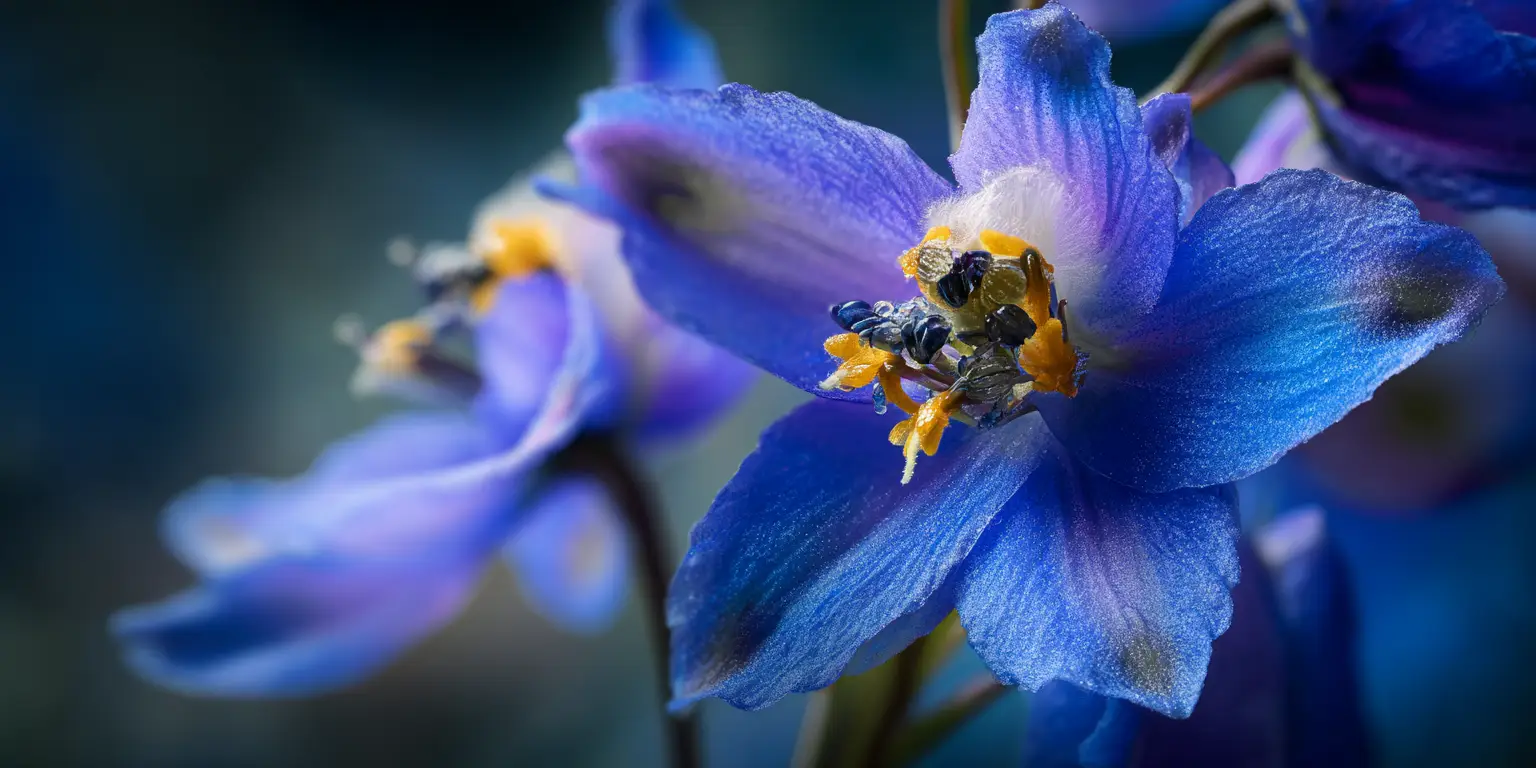
Delphinium elatum is a tall herbaceous perennial grown for its long spires of blue flowers. It is a cottage-garden classic, and the blooms sit above most border plants. Each spike opens dozens of small florets over a few weeks, and the nectar draws in butterflies and hummingbirds. Many gardeners plant delphiniums for their clear blues, a shade that is not easy to find in many other perennials. In mixed borders, they pair well with roses, peonies, and lighter annuals such as cosmos and zinnias. They do ask for a bit of care, including rich soil, steady moisture, and support for the hollow stems. When the plant is happy, you get a strong flush in early summer and, sometimes, a smaller round later in the season.
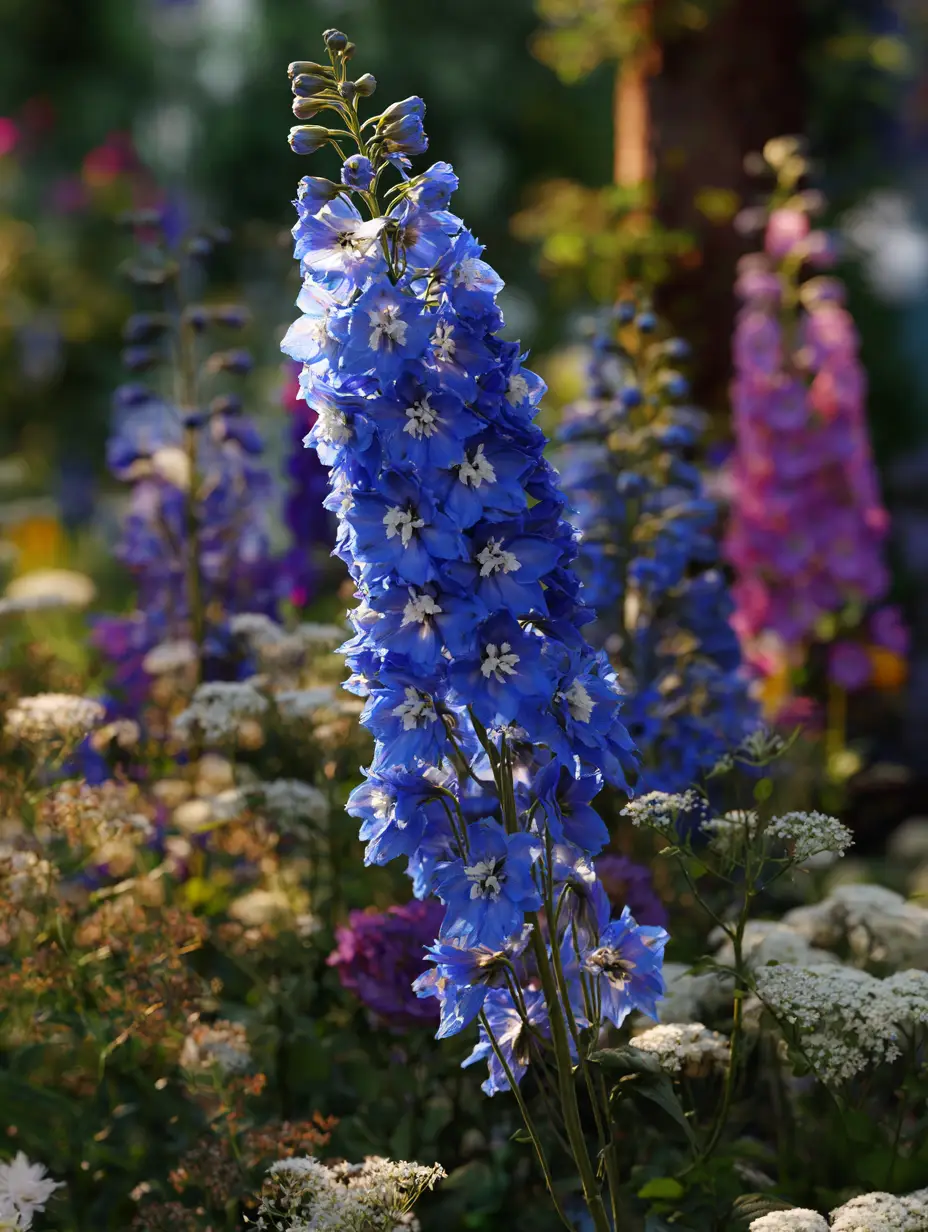
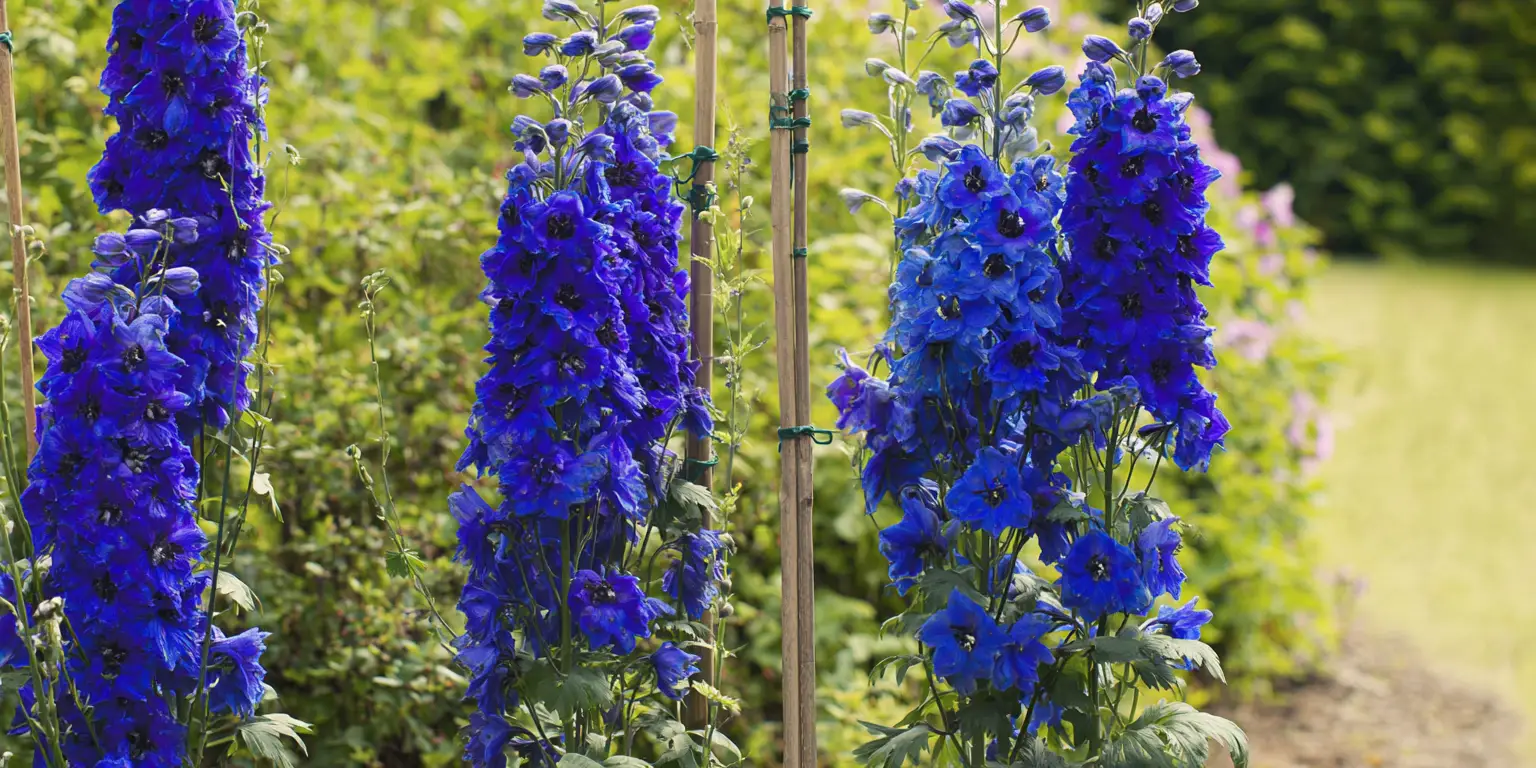
A clear, step-by-step guide to soil, planting, watering, feeding, pruning, and winter care. Includes zone timing, container tips, companions, and quick fixes for common problems.

Bouquet Ideas
Explore simple, beautiful bouquet ideas for the home, gifts, and special occasions from romantic mixes to clean, minimal styles. Each idea includes suggested flower combinations, color palettes, and sizes, with photos for quick inspiration.
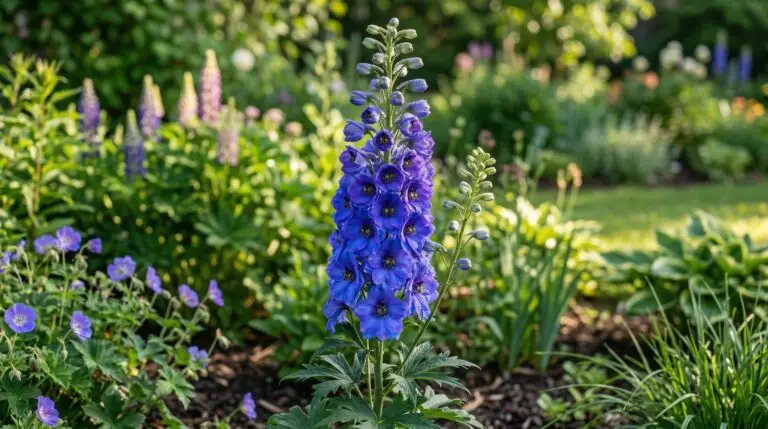
Delphiniums as show-stopping cut flowers for dramatic tall arrangements
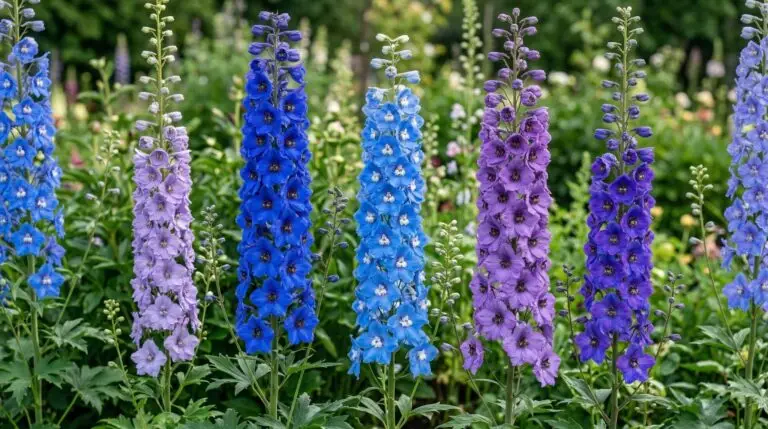
Best delphinium varieties from towering Pacific Giants to compact Magic Fountains
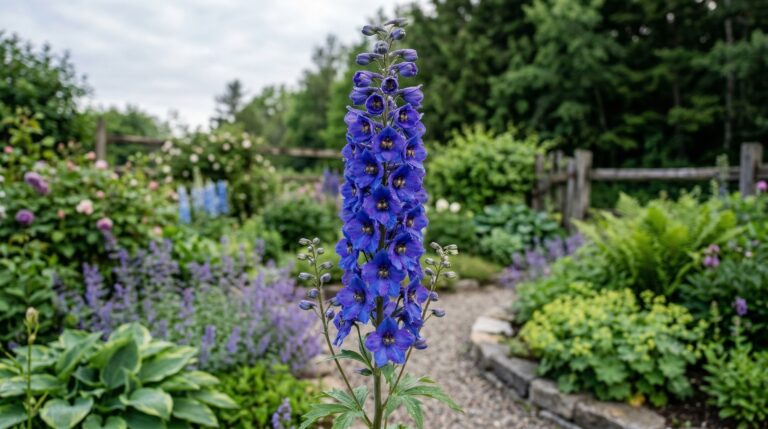
How to grow tall delphinium spires that tower above the garden like living architecture
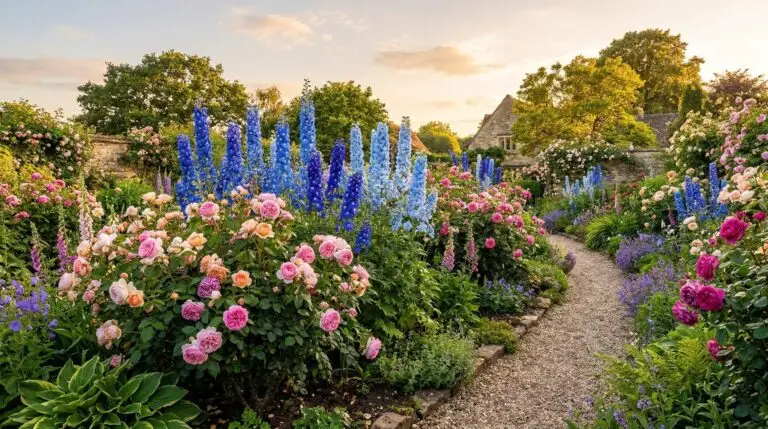
Delphinium companion plants: what to grow, what to avoid
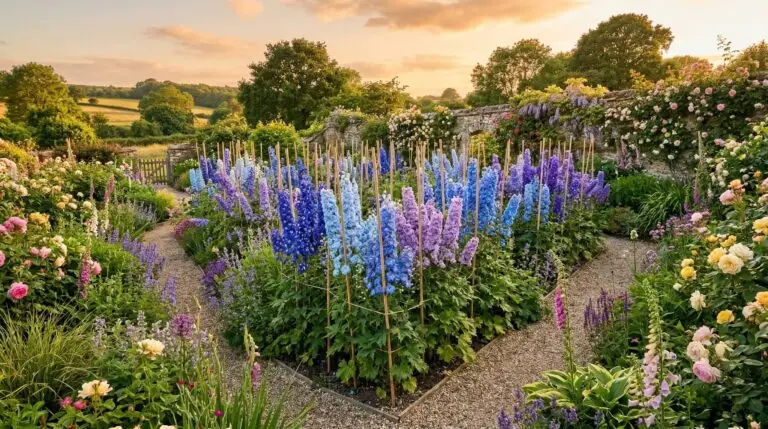
Staking delphiniums properly so tall flower spikes survive wind and rain storms
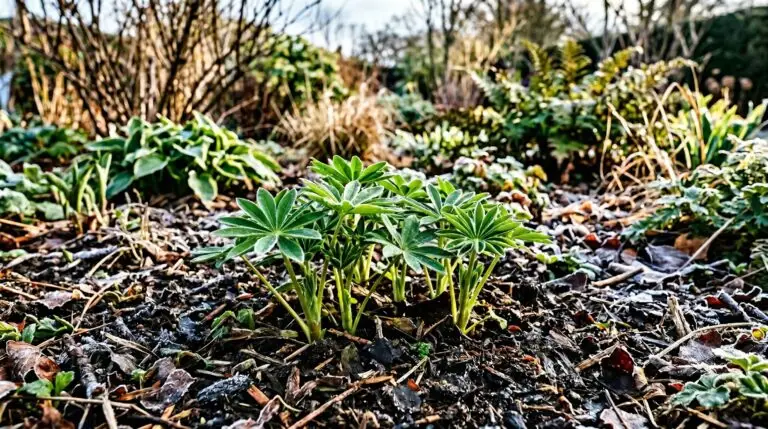
Growing delphiniums from seed and the patience required for first-year blooms
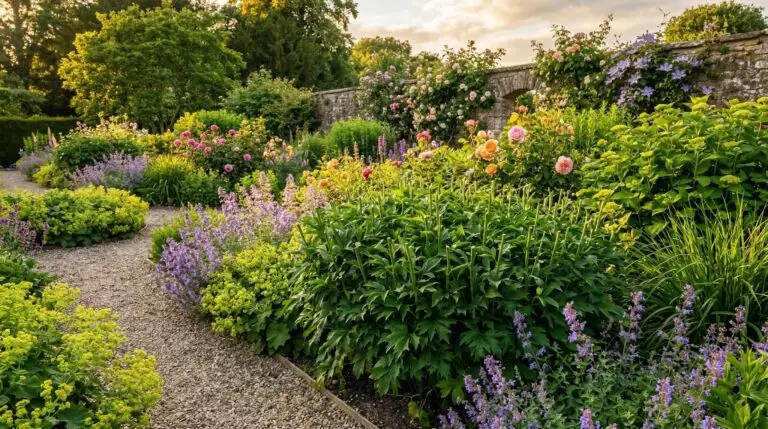
How to get delphiniums to rebloom by cutting back spent flower spikes
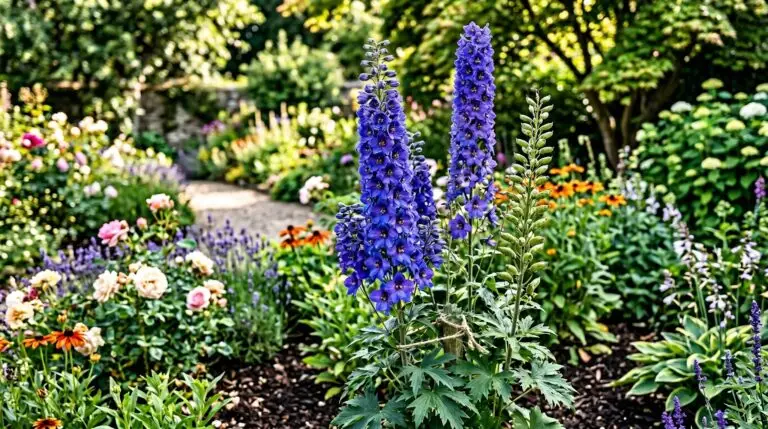
Why delphiniums are short-lived perennials and how to keep them coming back
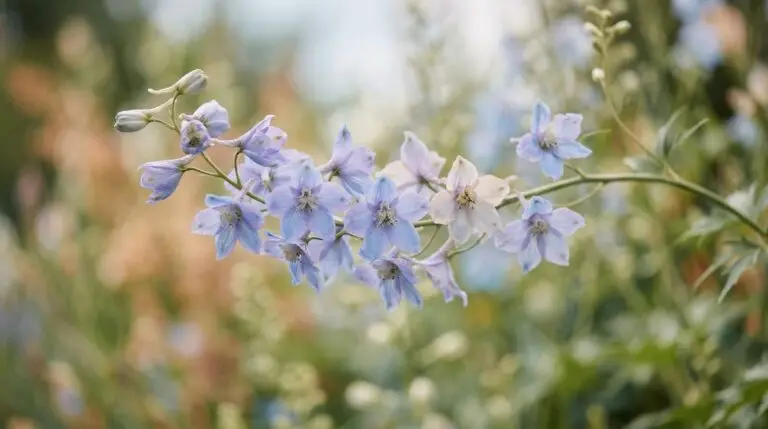
Delphinium flower meaning and the symbolism of true blue in the garden
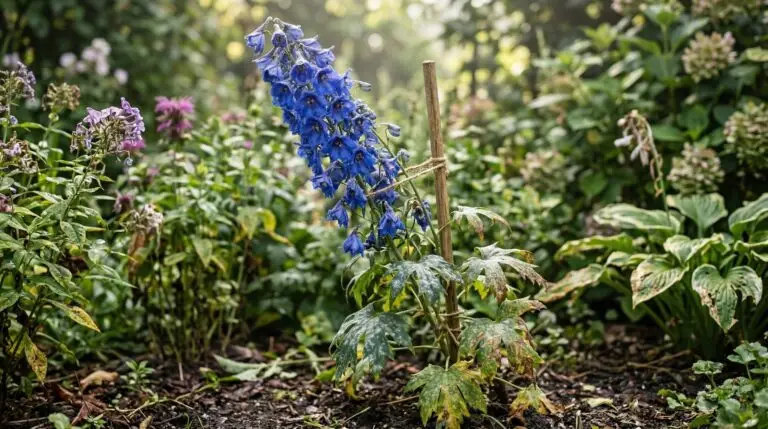
Delphiniums in hot climates and alternatives for gardeners south of zone 7
🌱 Taxonomy and origin
Delphinium elatum is in the buttercup family, Ranunculaceae, alongside anemones, ranunculus, and monkshood. It belongs to the genus Delphinium, which includes a few hundred species often called delphiniums or larkspurs. The species name elatum means “tall”, which fits the plant’s height in bloom. In gardens, it is often labeled simply as delphinium or larkspur, but “larkspur” is also used for annual relatives commonly listed under Consolida. Delphinium elatum is native to cooler parts of Europe and northern Asia, where it grows in meadows, woodland edges, and along valleys. It has been grown and bred in gardens for centuries, and many modern tall garden types trace back to D. elatum. The genus name Delphinium comes from Greek delphis, meaning dolphin, a nod to the bud shape before the flowers open.
🌸 Bloom time
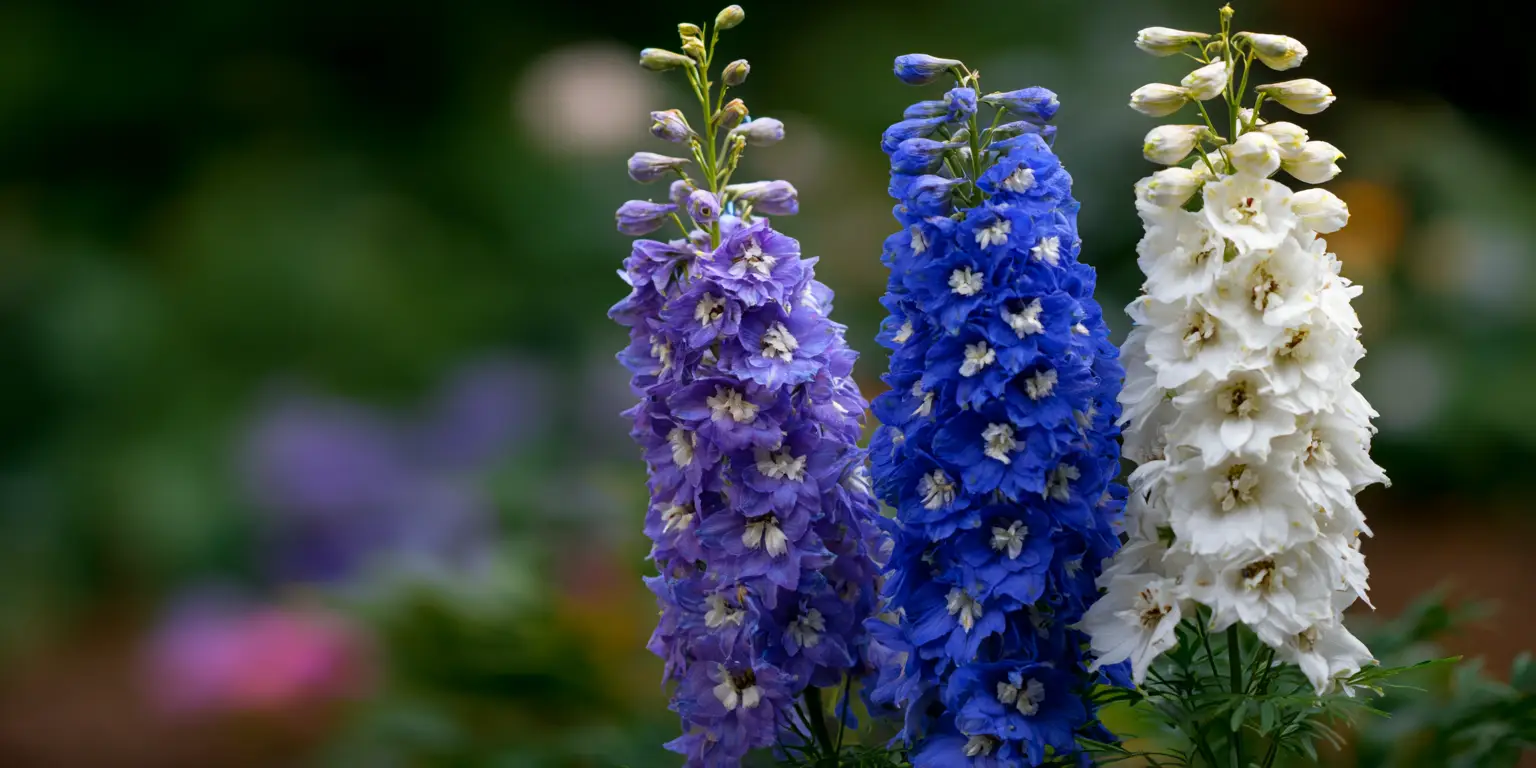
Delphinium elatum blooms in late spring to early summer, with peak flowering often in June and July. The buds open from the bottom upward, so each spike stays colorful for several weeks. Most forms bloom in clear sky blue to deep indigo, though hybrids can also be white, purple, pink, or bicolor. After the main flush, many gardeners cut off the spent spikes. With good feeding and steady watering, the plant may send up a smaller second bloom in late summer or early fall. Hot, dry weather can shorten the bloom period, so afternoon shade and consistent moisture help in warmer areas.
📏 Height and spread
Delphinium elatum is a tall, upright perennial. In good conditions, it reaches about 3 to 6 feet (0.9 to 1.8 m) when in bloom, and some hybrids can grow taller. The flower spike rises on a hollow stem from a clump of basal foliage. A mature plant usually spreads about 1.5 to 2.5 feet (45 to 75 cm). Give plants space for airflow. Spacing 2 to 3 feet between plants helps reduce mildew. Because of their height, delphiniums are often placed toward the back of a bed or along a fence, and most benefit from staking in windy sites. They stay as clumps rather than running through the garden, but the crown can slowly widen over time.
☀️ Light
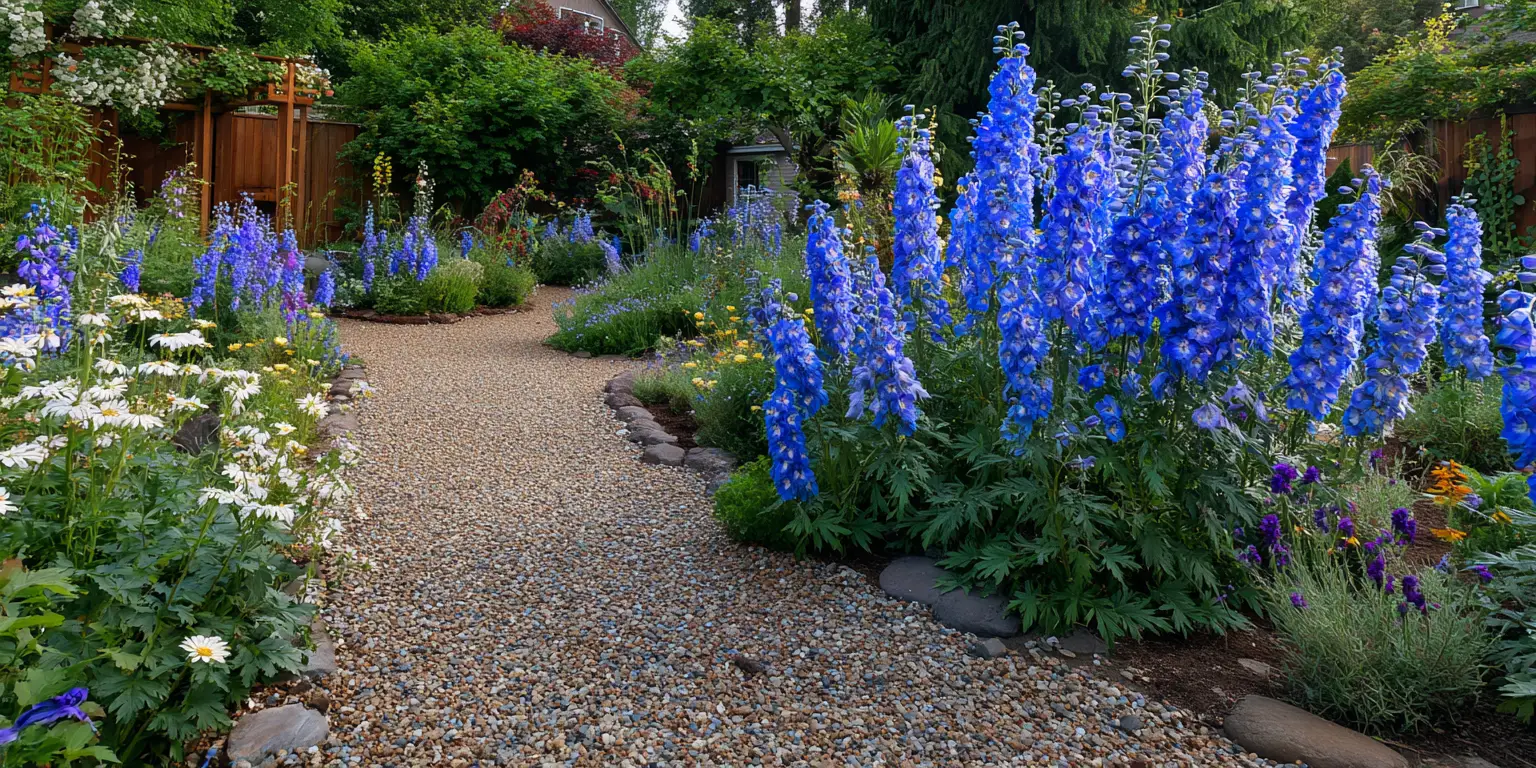
Delphiniums grow best with plenty of light. Delphinium elatum prefers full sun, about 6 hours of direct sunlight a day. In cool or mild-summer regions, full sun encourages sturdy stems and heavy bloom, and it helps foliage dry faster after rain or watering. In hotter climates, light afternoon shade can reduce heat stress and leaf scorch. Too much shade usually leads to taller, weaker stems and fewer flowers. If your summers are very hot and humid, even a sunny spot may not be enough, because prolonged heat can cause plants to decline. Aim for sun in the morning, some protection in the late afternoon where needed, and good airflow around the clump.
💧 Water
Delphinium elatum likes evenly moist soil. Water deeply so the root zone stays damp, then let the surface dry slightly between waterings. In many gardens, that works out to once or twice a week, adjusted for rainfall and temperature. Avoid letting the soil dry out for long stretches, but also avoid soggy ground, which can lead to root and crown rot. Water at the base instead of overhead to keep leaves drier and reduce mildew. A mulch layer helps hold moisture and keeps roots cooler through summer.
🌍 Soil and pH
Delphinium elatum grows best in rich, well-drained soil with plenty of organic matter. A loamy mix that holds moisture without staying wet is ideal. Work in compost or well-rotted manure before planting, and improve heavy clay with generous organic matter to help drainage. Delphiniums tend to do well in neutral to slightly alkaline soil, around pH 7.0 or a bit higher. If your soil is strongly acidic, adding lime can move it closer to neutral. Soil pH does not change delphinium flower color the way it can with hydrangeas, but it can affect nutrient availability and overall vigor.
❄️ USDA hardiness
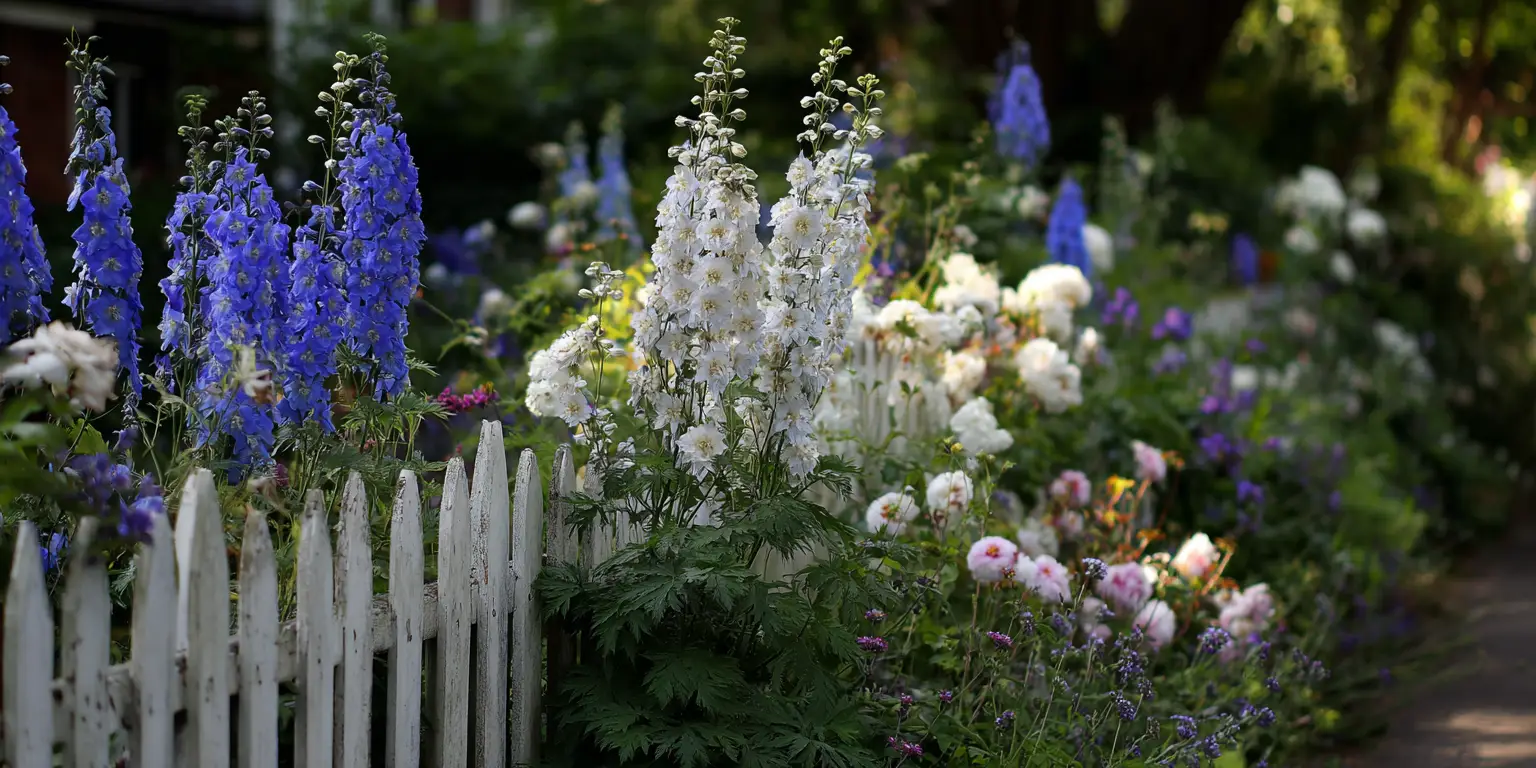
Delphinium elatum is hardy in USDA Zones 3 through 7. In zone 3, it can handle winter temperatures down to about -40 F (-40 C), and it generally performs best where summers are not too hot. In zones 3 to 7, plants die back in winter and return from the roots in spring. They also benefit from a true dormant season. In zone 8, results depend on local heat and humidity. Cooler coastal or high-elevation areas may keep plants going for a few years, while hot-summer areas often struggle. In zones 9 and 10, Delphinium elatum usually declines in summer heat. Gardeners in warm climates sometimes grow it as a spring-blooming annual or biennial by planting in fall or late winter. In marginal areas, morning sun with light afternoon shade and steady moisture can help. If you are close to the edge of its range, choosing hybrids that list improved heat tolerance may improve results.
🌼 Propagation and longevity
Delphinium elatum can be propagated by seed, cuttings, or division. Seed growing is common if you want a lot of plants. Start seeds indoors 8 to 10 weeks before the last frost, or sow outdoors in late fall so they experience cold over winter. Fresh seed usually germinates better than old seed, and a short chill period can also help. Expect seedlings to take a few weeks to sprout, and most do not bloom until their second year. Seeds from hybrids may not match the parent plant for height or color, so named cultivars are often propagated vegetatively.
Cuttings are a dependable way to copy a specific delphinium cultivar. Take basal cuttings in spring as new shoots emerge from the crown. Choose a shoot about 3 to 4 inches long, ideally with a small heel of tissue attached, and root it in a free-draining mix under high humidity. Rooting hormone can improve success. This method keeps the new plant identical to the parent.
Division is possible, but it can be rough on delphiniums because of their deep taproot and brittle roots. If you divide, do it in early spring as growth starts, or in fall after flowering where fall planting works well. Lift a healthy clump carefully, split it into a few sections with buds and roots attached, replant right away, and keep the divisions evenly watered until they settle in. Some plants recover well, while others sulk, so many gardeners prefer cuttings for preserving favorite varieties.
Delphinium elatum is often short-lived compared with many other perennials. Many garden plants last about 3 to 5 years, and fewer if conditions are stressful. Heavy flowering and occasional crown or root problems can take a toll over time. To keep delphiniums in a border, many gardeners plan to renew them by starting seed every few years or rooting a few cuttings. In climates where delphiniums thrive, it is common to keep a small rotation of younger plants coming along as older clumps slow down.
👃 Fragrance
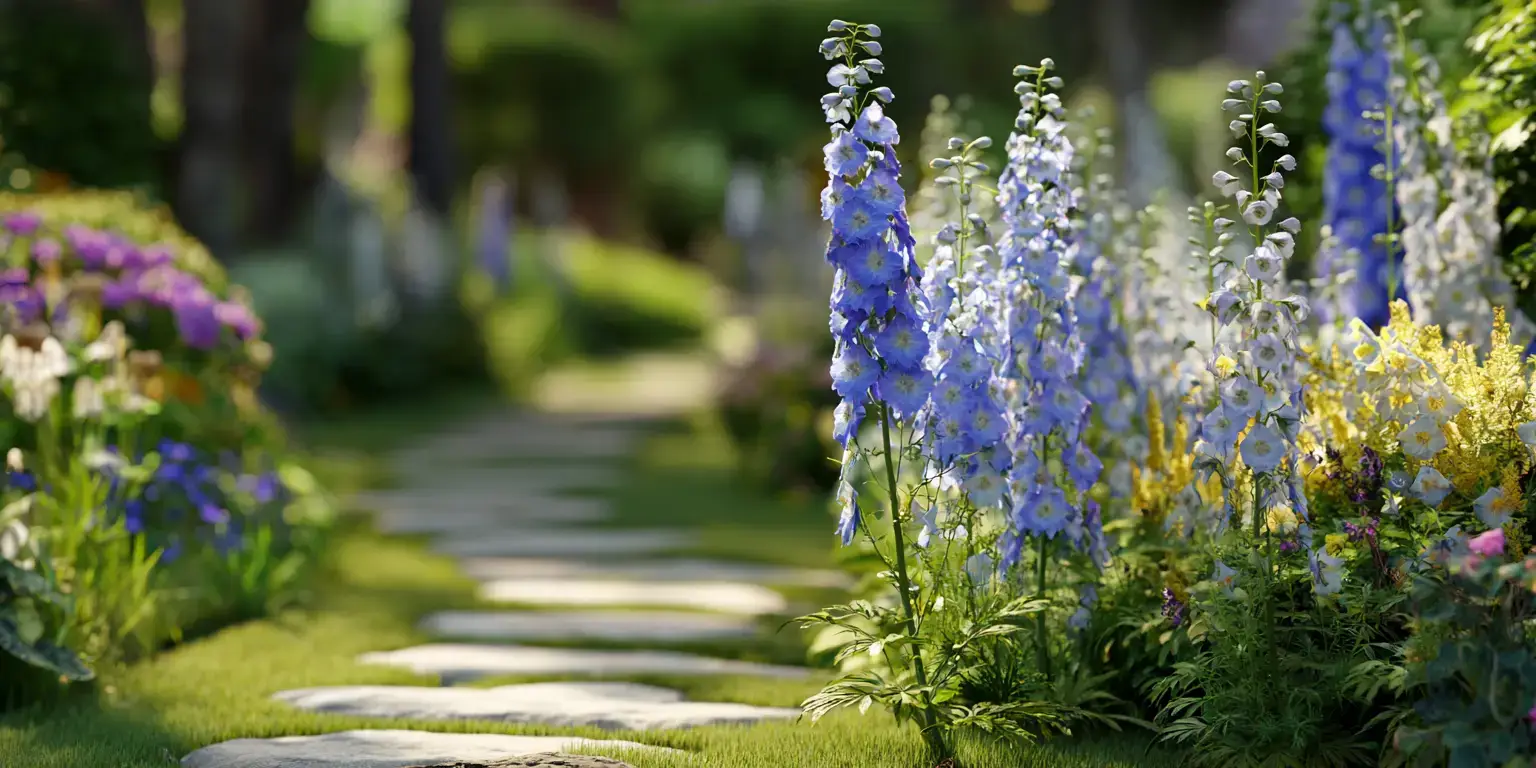
Delphinium flowers are not known for fragrance. Delphinium elatum blooms usually have little to no scent, and most people grow the plant for color and height rather than perfume. If you lean in close, you may notice a faint, fresh plant smell, but it is subtle.
A few modern hybrids are sometimes described as lightly fragrant, but this is the exception. Even when scent is present, it tends to stay close to the flower rather than carrying through the garden.
In arrangements, delphiniums add height and cool color without adding much aroma. That can be a plus for people who prefer low-scent bouquets.
⚠️ Toxicity and pet safety
All parts of Delphinium elatum are toxic if eaten by people or animals. Like other members of the buttercup family, delphiniums contain alkaloids that can cause serious illness. Larkspurs are also known for poisoning livestock when grazed in the wild. In a home garden, the main concern is curious children or pets that might chew on leaves, flowers, or seeds.
Plant delphiniums where they are less likely to be sampled, and keep cut stems and seed pods out of reach. The plant tastes bitter, so most pets leave it alone, but caution is still a good idea. Wear gloves if you have sensitive skin, and wash your hands after handling the plant. If you suspect a person or pet has eaten part of a delphinium, contact a medical professional or veterinarian promptly.
Do not leave trimmings where pets can reach them. Dispose of cut material securely, especially after deadheading. With simple precautions, delphiniums can be grown safely in the garden.
🌿 Vase life
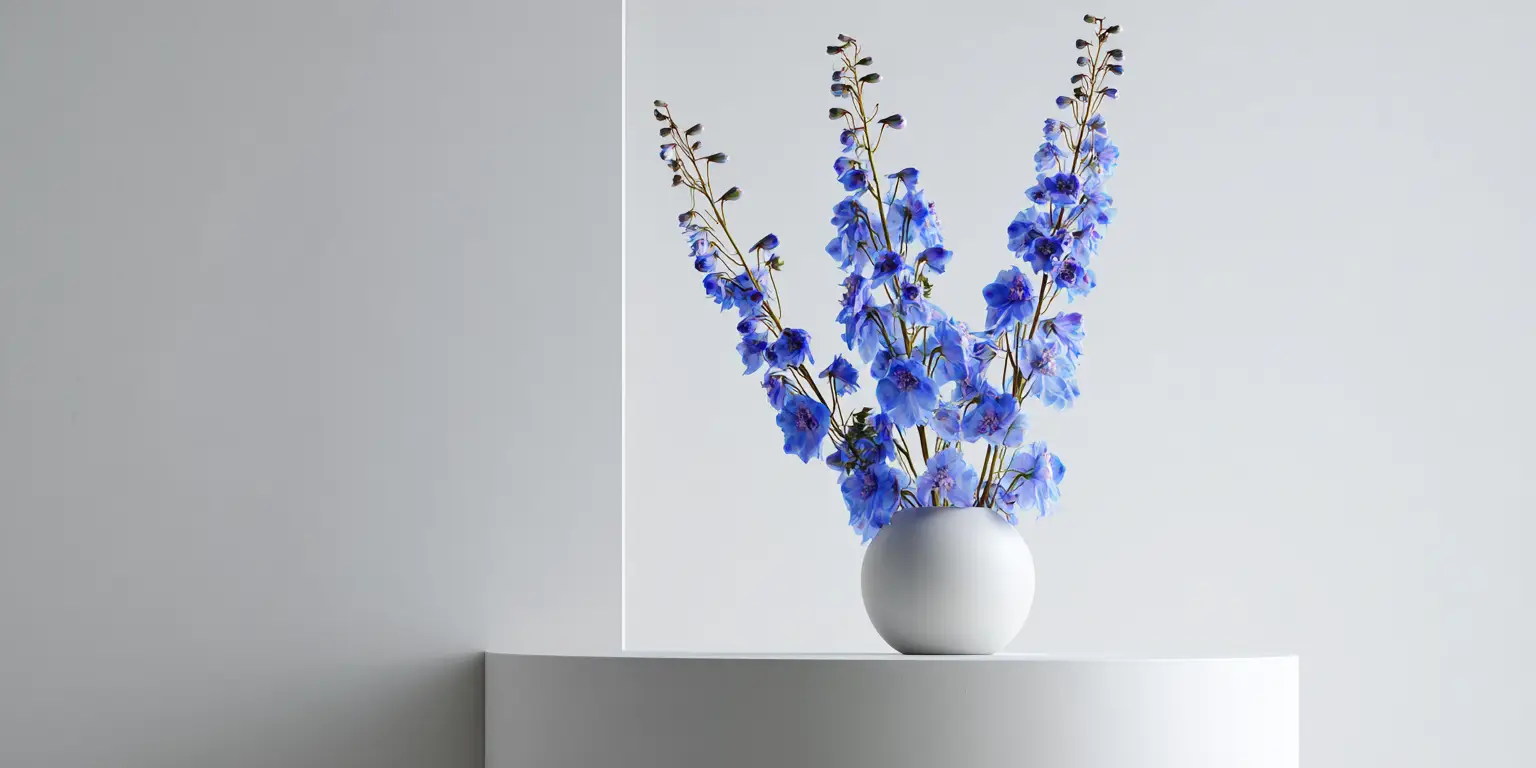
Delphiniums can work well as cut flowers if you harvest them at the right stage. Delphinium elatum stems often last about 5 to 7 days in a vase, and sometimes a bit longer with good care. Cut stems when roughly a quarter to a third of the florets on the spike are open, usually the lowest flowers, with the rest still in bud. The buds will continue to open indoors and extend the display.
Use clean pruners and place stems in water right away. Strip off any leaves that would sit below the water line. Recut the ends when you bring them inside, and use fresh water in a clean vase. Flower food can help by keeping the water cleaner and supplying sugar. Delphiniums are sensitive to ethylene, so keep them away from ripening fruit and fading flowers. A cool spot out of direct sun helps them last longer.
Delphinium stems naturally turn upward if they are stored or transported lying down. Keep stems upright during conditioning to reduce bending. If you receive stems with a curve, stand them in deep water in a tall container and give them time to rehydrate. As the lower florets fade, you can remove them to keep the spike looking tidy.
🐛 Pests and diseases
Delphinium elatum can be fussy, and pests and diseases are part of the usual learning curve. Slugs and snails often chew tender new shoots in spring, especially in damp weather. Barriers, traps, and regular checks help protect young growth. Aphids may also cluster on stems and buds. A strong spray of water or insecticidal soap usually knocks them back. In some areas, caterpillars, Japanese beetles, or stem borers may show up. If a stem suddenly wilts and you see a hole in it, remove and discard that stem to limit the problem.
Powdery mildew is a common disease on delphiniums, especially where foliage stays damp and airflow is poor. It shows up as a white, dusty coating on leaves. Improve spacing, water at the base, and avoid heavy shade to reduce pressure.
Crown rot and root rot can occur in soil that stays wet. Plants may collapse from the base or decline quickly. Good drainage and avoiding overwatering are the best prevention.
Deer and rabbits usually leave delphiniums alone because the plant is toxic and bitter. Keeping plants well fed, cleaning up old stems after frost, and giving them good airflow all help reduce recurring problems.
FAQ
How do I plant and care for Delphinium elatum to get the best blooms?
Plant Delphinium elatum in fertile, well-drained soil in a sunny spot. In hot areas, morning sun with light afternoon shade helps. Water consistently, feed during the growing season, and stake early so stems are supported before the flower spikes get heavy. After flowering, cut off spent spikes to encourage a smaller second bloom.
Do delphiniums come back every year?
In suitable climates, yes. In zones 3 to 7, Delphinium elatum dies back in winter and returns in spring. Many plants are short-lived, so you may need to replace older clumps every few years.
Are Delphinium elatum and annual larkspur the same thing?
They are related, but not the same. Delphinium elatum is a perennial. Annual larkspur is often sold under Consolida, commonly Consolida ajacis, although you may still see it labeled as “larkspur” in seed catalogs. Annual larkspur is grown from seed each year and usually has thinner stems and a lighter, more delicate look. Perennial delphiniums form a crown that survives winter and send up taller, heavier spikes. If you want tall spires that return year after year, choose perennial delphiniums.
What causes my delphinium stems to flop or break, and how can I prevent it?
Wind, heavy rain, and the weight of the flower spike are the usual causes. Support is the main fix: stake plants early or use a grow-through ring or cage. Low light can also lead to weaker stems, so give the plant enough sun. Avoid heavy doses of high-nitrogen fertilizer, which can push soft growth. If a stem breaks, you can often cut it cleanly and use it indoors.
Can I grow Delphinium elatum in containers?
It can work in a large, deep container with rich soil and regular watering, but it takes attention. Choose a shorter series, use a sturdy support, and protect the pot from drying out in summer. In cold climates, containers can also freeze harder than the ground, so winter protection may be needed.
What is the July birth flower and is it related to delphinium?
One traditional July birth flower is larkspur, which includes Delphinium. Many lists use “larkspur” for July, and delphinium is often mentioned because it is closely related and shares the same general flower form.
Interesting tips
- Delphinium elatum gets its genus name from Greek delphis (dolphin). The buds were said to resemble small dolphins before the flowers open.
- Delphinium flowers have been used historically to tint dyes and inks in some places, though it is not a common use today.
- Delphiniums are often described as deer resistant and rabbit resistant. The same toxins that make the plant unsafe to eat make it unappealing to many grazers.
- The species name elatum means “tall”. With good soil and steady moisture, some hybrids can reach 7 feet or more in bloom.
- In the language of flowers, larkspur is sometimes associated with an open heart and strong affection. Larkspur is also widely listed as a July birth flower.
Related Guides & Flowers
- Gentian (Gentiana) – Deep true blues and purples on upright clusters; a natural companion for tall delphiniums in cool borders.
- Great Blue Lobelia (Lobelia siphilitica) – Late-summer blue spikes for moist spots; extends the blue season after delphiniums fade.
- Blue Flax (Linum perenne) – Airy, sky-blue blooms that weave between taller spires; soft movement and long bloom window.
- Love-in-a-Mist (Nigella damascena) – Lacy foliage and misty blue flowers; a light, self-seeding filler around delphinium clumps.
- Globe Thistle (Echinops) – Architectural steel-blue globes; drought-tough structure that contrasts delphinium spires.
- Virginia Bluebells (Mertensia virginica) – Spring woodland blue before delphiniums peak; bridges early-to-summer color.
- Cornflowers (Centaurea cyanus) – Classic cottage blue for massing; easy annual rhythm with your perennials.
References
- NC State Extension Plant Database – Delphinium (Larkspur): comprehensive profile with habitat notes and clear toxicity flags for humans and pets.
- Penn State Extension – Delphinium Diseases (2025): table of key diseases, symptoms, causal agents, and management for garden delphiniums.
- UC IPM – Delphinium (Floriculture & Ornamental Nurseries): authoritative pest and disease guidance (Botrytis, powdery mildew, rusts, nematodes; links to IPM tactics).
Written by: Your Flowers Guide editorial team
We are a small independent group of flower lovers who research and review each guide using trusted horticultural and educational sources. Learn more about us