Assessing your site for wax begonias
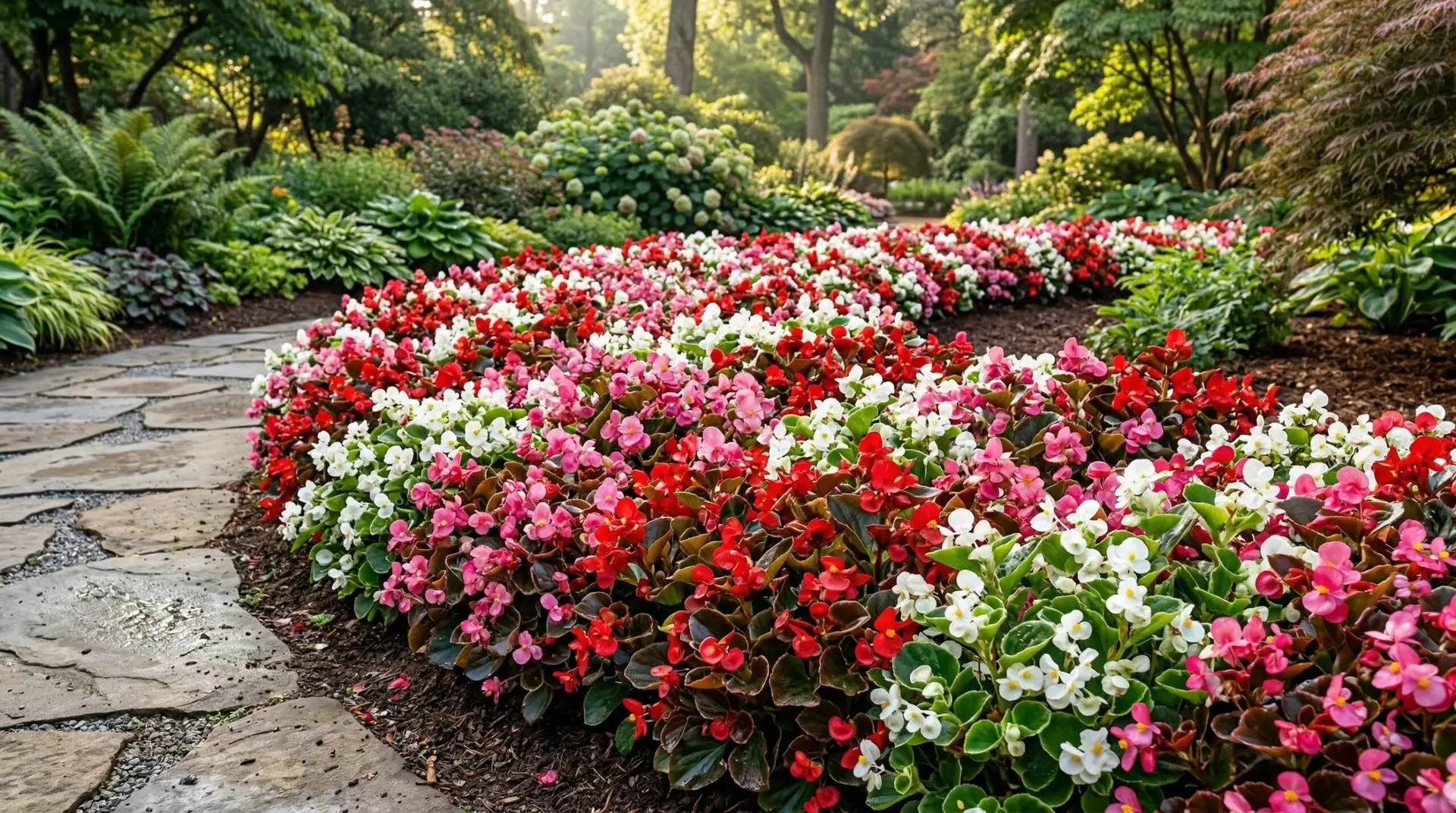
Before you purchase flats of wax begonia for your garden beds, you need to evaluate the physical space where they will grow. Wax begonias, botanically known as Begonia semperflorens, are highly adaptable low maintenance annual flowers, but they still require specific baseline conditions to thrive from spring until the first frost. Take a walk through your yard and observe the light patterns throughout the day to determine exactly how many hours of direct sun your proposed planting areas receive. Green-leafed varieties typically perform best in partial shade where they get morning sun and afternoon protection. Bronze-leafed varieties possess a natural tolerance for full, direct sunlight and can handle the intense heat of late afternoon without scorching. If you have deeply shaded areas under mature trees, you might need to reconsider your plant choice, as wax begonias need at least dappled light to produce a continuous display of blooms. Gardeners dealing with heavy shade often find better success planting traditional shade impatiens instead. Assess your soil drainage as well, because these plants develop root rot quickly if they sit in heavy clay that holds water for days after a rainstorm.
Budgeting and sourcing your bedding plants
Once you understand your site conditions, you must establish a budget and determine the quantity of plants required for your project. Bedding begonias are usually sold in flats of 36 or 48 small plugs, which makes them highly economical for mass planting designs and long borders. Measure the square footage of your planting area or the linear footage of your garden edging to calculate exactly how many flats you need to buy. Calculate your plant count based on a spacing of eight to twelve inches between each root ball, depending on how quickly you want the area to look full. Buying flats from a local nursery in early spring is the most cost-effective approach, but you must wait to put them in the ground until all danger of frost has passed and the soil has warmed. If you plant them in cold soil, they will simply sit there and sulk, wasting valuable growing weeks while they wait for the ground temperatures to rise. Take this waiting period to prepare your beds by mixing a few inches of compost into the top layer of soil to improve drainage and provide a slow release of nutrients. Factoring in the cost of compost and mulch alongside the plant flats gives you a realistic view of the total project expense before you begin.
Executing a mass planting design
The physical execution of planting wax begonias requires a methodical approach to achieve a uniform, professional appearance in your landscape. Start by laying out all the individual plants on top of the prepared soil while they are still in their plastic cell packs. This allows you to adjust the spacing and check the geometry of your mass planting or border edging before you commit to digging any holes. For a solid mass of color, stagger the rows in a zigzag pattern rather than lining them up in a strict grid, as the zigzag arrangement helps the plants knit together seamlessly as they grow. When you remove the plants from their cells, gently loosen the bottom of the root mass to encourage outward growth into the surrounding soil. Dig holes just deep enough to keep the top of the root ball level with the surrounding soil line, as planting them too deeply encourages stem rot at the base. Water the entire bed thoroughly immediately after planting to settle the soil around the roots and eliminate any hidden air pockets. Allow four to six weeks from your planting date for the individual plants to grow together and form a continuous carpet of foliage and flowers.
Managing ongoing care and maintenance
The true value of wax begonias becomes apparent when you evaluate their ongoing maintenance requirements throughout the long summer months. These plants are famous for their self-cleaning blooms, meaning the spent flowers drop off naturally and you never have to spend hours pinching off dead petals to encourage new growth. This trait dramatically reduces your weekly garden chores compared to high-maintenance annuals that require constant deadheading to look presentable. You will need to establish a consistent watering routine, providing about one inch of water per week through rainfall or supplemental irrigation. Allow the top inch of soil to dry out completely between watering sessions, as the fleshy stems of Begonia semperflorens store water efficiently and tolerate brief dry spells much better than they tolerate soggy conditions. They handle summer heat waves and heavy rainstorms with equal resilience, bouncing back quickly after severe weather that would flatten weaker plants. If you want to mix them with other durable annuals in a large sunny bed, consider interplanting them with trailing petunias for contrasting textures, or place them in front of taller sturdy marigolds to create a tiered border. A light application of balanced liquid fertilizer every four weeks is the only other task required to keep them flowering heavily until the autumn frost.
Setting up your planting schedule this week
You can begin planning your wax begonia project today by taking a few concrete steps in your garden. Grab a measuring tape and calculate the exact dimensions of the beds or borders you want to fill with low maintenance annual flowers this season. Write down the measurements and note the sun exposure for each specific area so you know whether to shop for bronze-leafed or green-leafed varieties. Test your soil drainage by digging a small hole, filling it with water, and timing how long it takes to drain completely away. If the water sits for more than a few hours, add organic compost to your shopping list alongside your plant flats. Map out a timeline that aligns with your local frost-free date, scheduling your soil preparation for the week before planting and the actual installation for a cool, overcast weekend. Taking these organizational steps now ensures your garden beds will look full, healthy, and colorful with minimal effort required for the rest of the growing season.
More About Begonia
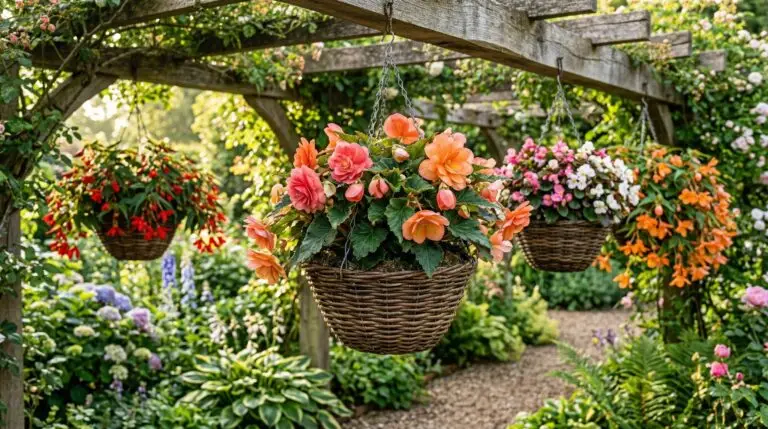
Growing tuberous begonias in hanging baskets for cascading summer color
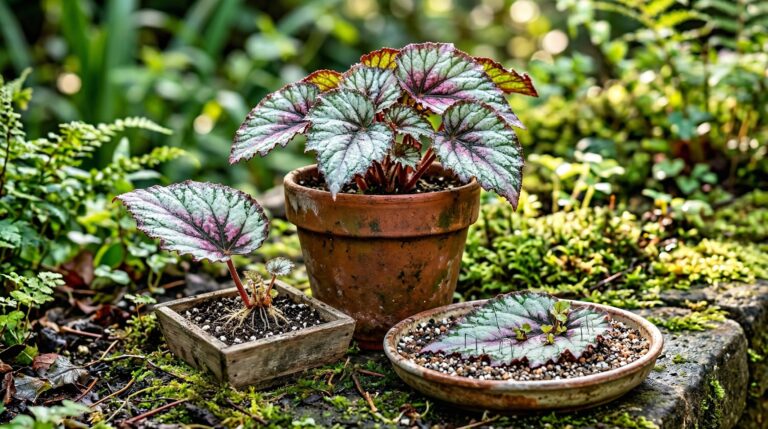
How to propagate begonias from leaf cuttings and stem cuttings step by step
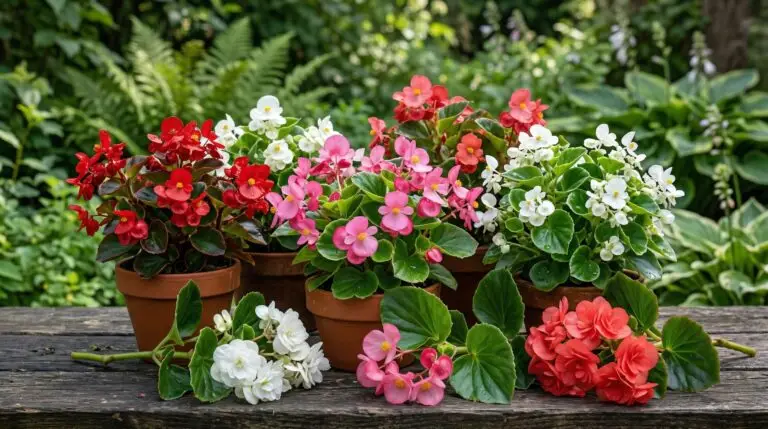
Best begonia varieties for shade gardens that add color where sun rarely reaches
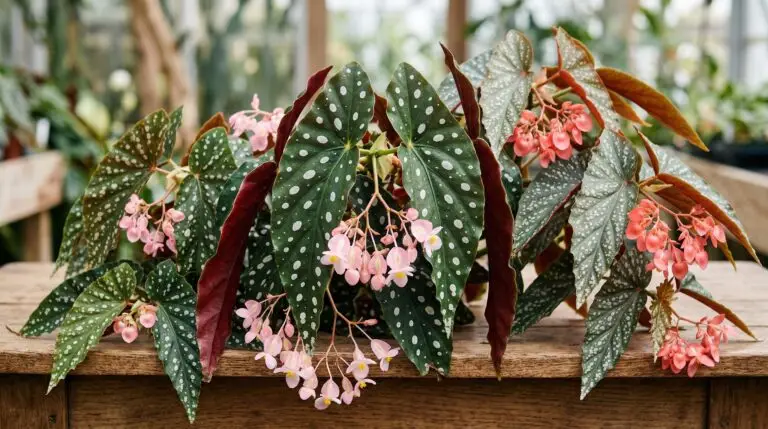
Angel wing begonias as statement houseplants with polka dot leaves and hanging clusters
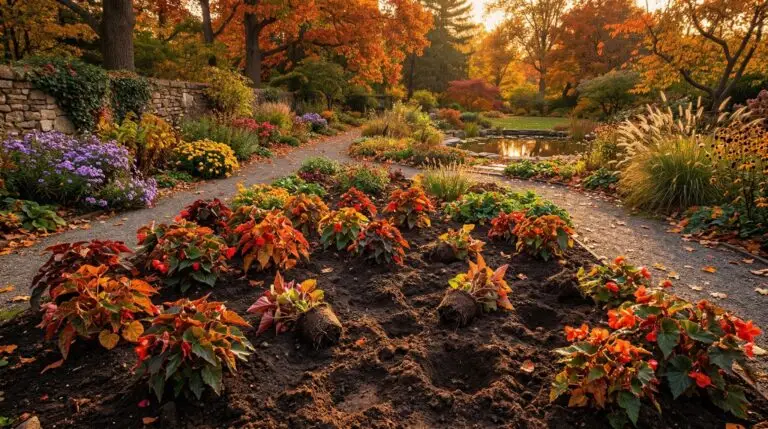
How to overwinter begonia tubers and bring them back bigger next summer
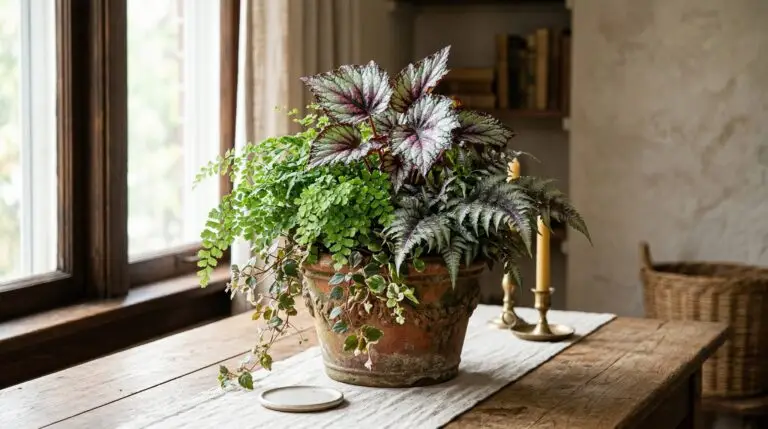
Begonia container combinations that look gorgeous on a shaded front porch
Begonia flower meaning and the Victorian message of caution and gratitude
Why begonia leaves are curling dropping or developing brown spots