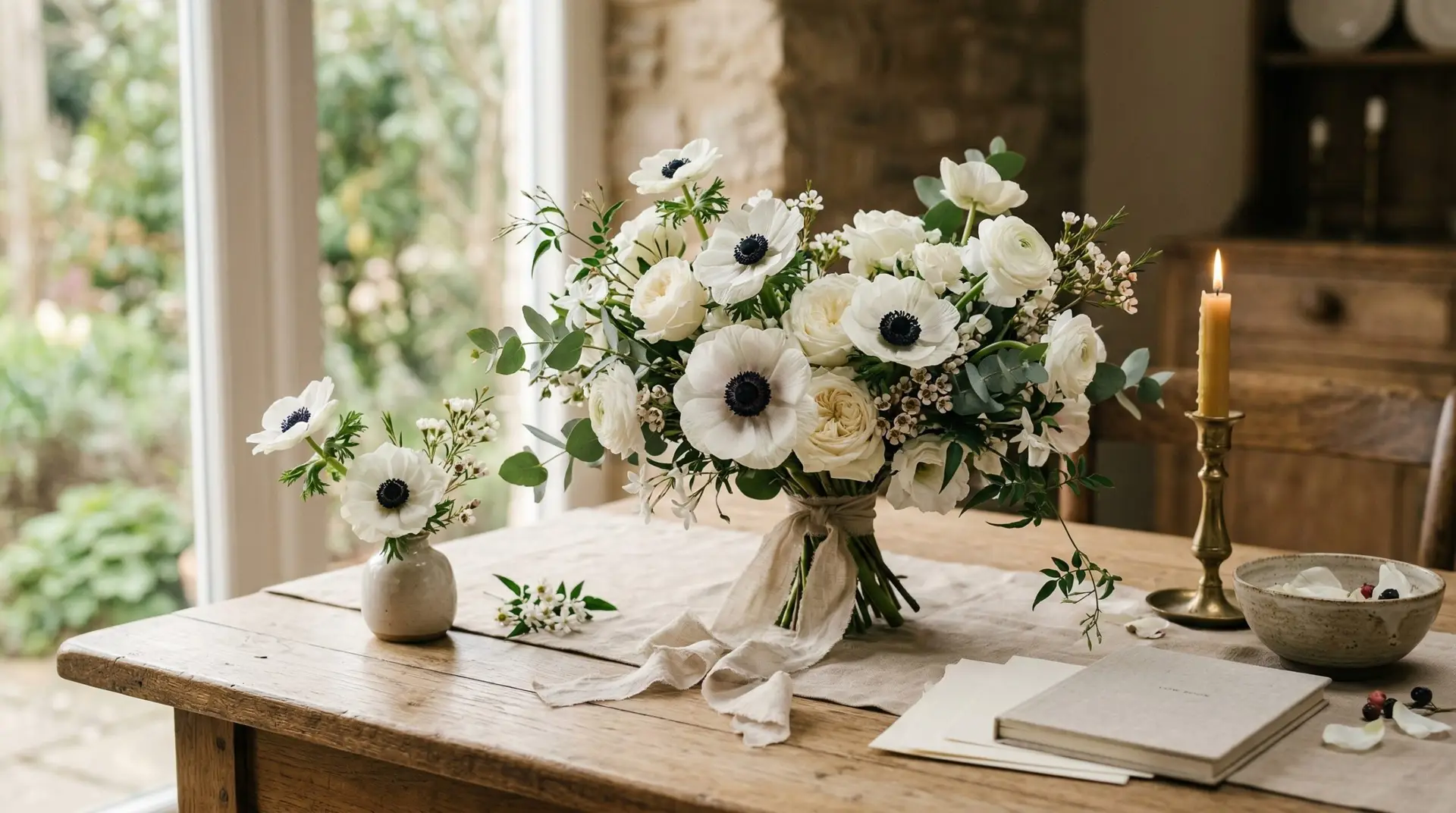
A late winter morning brings a distinct quality of light that filters through frosted glass and settles onto the florist’s worktable. There, resting among piles of green foliage and pale blooms, the white anemone commands immediate attention with its stark, inky center. Most flowers win admiration through sheer volume or complicated layers of ruffled petals, but the anemone relies on sharp, unapologetic contrast to make its mark. When a bride carries an anemone wedding bouquet down the aisle, she carries a piece of living art that requires no extra embellishment to hold the eye. The delicate, papery petals seem almost fragile, yet they frame a core so dark and structural that it anchors the entire floral arrangement. Florists have long understood the magnetic pull of these blooms, reaching for them when a design needs a touch of modern sophistication wrapped in natural elegance. There is something satisfying about a flower that refuses to be entirely sweet, offering instead a sophisticated edge that elevates the whole aesthetic of an anemone wedding.
The anchor of the arrangement
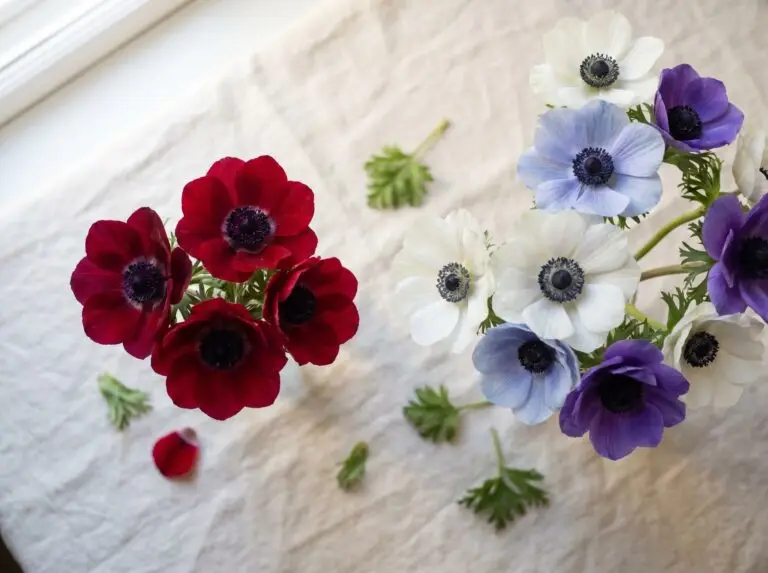
The defining feature of the most sought-after anemone bridal flowers is undeniably that dark, textured heart. While other blooms blend softly into their neighbors, the black center of a white anemone is a visual punctuation mark within a sea of softer tones. This dark eye draws the viewer’s gaze immediately, establishing a focal point that keeps the arrangement from looking like a formless cloud of pastels. Floral designers use this characteristic to create movement and depth, placing the blooms strategically so the dark centers guide the eye across the bouquet. The contrast works beautifully against soft silk ribbons and delicate lace gowns, providing a necessary visual weight that grounds the ethereal elements of bridal attire.
Building palettes around the bloom
Color palettes dictate the mood of any ceremony, and anemones adapt remarkably well to vastly different aesthetic choices. The classic pairing of crisp white petals with a navy or black center naturally suits a formal, black-tie affair where tuxedo jackets and elegant gowns dominate the room. Yet, these same flowers shift effortlessly into a moody, bohemian setting when surrounded by deep burgundy foliage, chocolate cosmos, and trailing velvet ribbons. Gardeners and florists also prize the less common variations, such as pale blush or soft lavender anemones, which bring a gentle wash of color to spring ceremonies. These tinted varieties maintain the signature dark center but soften the overall contrast, making them ideal for daytime celebrations in sunlit conservatories or open gardens. The structural simplicity of the petals ensures that regardless of the chosen color scheme, the flower remains distinct and recognizable among more complicated blooms. By allowing the anemone to dictate the contrast level, designers can build bouquets that feel entirely cohesive and intentional.
Companions in the bridal bouquet
Selecting the right companions for an anemone requires an understanding of texture and form to complement its striking geometry. The dense, swirling petal structure of a ranunculus provides the perfect textural foil to the wide, open face of the anemone. Tucking a classic rose next to an anemone bridges the gap between traditional romance and modern design, softening the sharp contrast of the dark eye. Spring brides often request the inclusion of lush peonies, whose massive, ruffled blooms provide a luxurious backdrop that allows the simpler anemone to pop forward. These combinations rely on a careful orchestration of scale and texture, ensuring each flower brings its own distinct character to the bride’s hands.
Timing the harvest for ceremony day
The desire for an anemone wedding bouquet often requires careful consideration of the calendar, as these flowers are deeply tied to the cooler months of the year. They begin to appear in flower markets in late fall, reaching their peak quality and availability throughout the winter and early spring. Brides planning a July or August ceremony will find them difficult to source, as the plants naturally enter dormancy when the soil warms and summer heat sets in. Florists working with winter anemones know that the blooms are highly responsive to temperature changes, often closing tightly in a cold cooler and opening wide when brought into a warm studio. This sensitivity means designers must time their preparation perfectly, coaxing the petals to open just enough for the ceremony without allowing them to blow completely open and drop. The stems are notoriously fleshy and require clean, cool water to remain firm and hydrated through a long day of photographs and celebrations. Proper handling ensures the blooms look just as fresh during the evening reception as they did during the morning portrait sessions.
There is a quiet intimacy in watching an anemone respond to the warmth of a room as the wedding day unfolds. The petals, initially cupped and protective, slowly relax to reveal the full intensity of that dark, velvet center to the gathered guests. This subtle transformation adds a layer of living energy to the floral arrangements, reminding everyone present that the bouquet is composed of natural, breathing elements. A well-designed arrangement captures this fleeting beauty, holding it steady for a few precious hours. Long after the vows are spoken and the petals eventually fall, the memory of that sharp, elegant contrast remains a defining image of the day.
More About Anemone

How to plant anemone corms in fall for a spectacular spring flower display
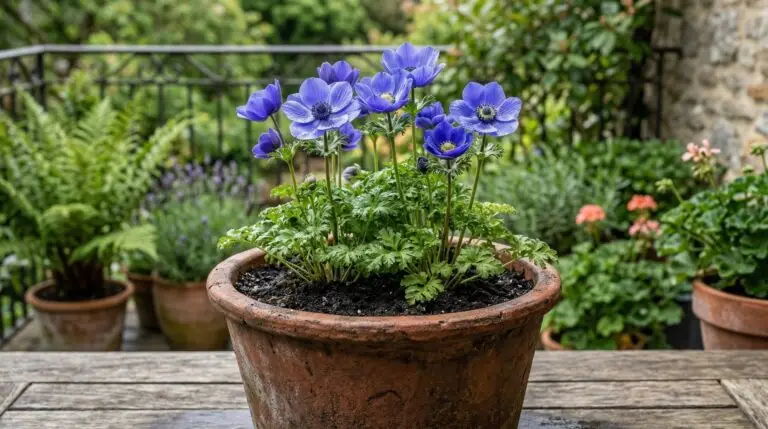
How to grow anemones in containers for a colorful spring balcony garden

Naturalizing anemones in woodland gardens for wild-looking spring carpets
Anemone flower meaning and the mythological story behind the windflower
Growing anemones as cut flowers for endless spring and fall arrangements

Anemone and ranunculus planted together for the ultimate spring flower garden

Why your anemone corms did not sprout and how to succeed next time
Anemone meaning, from anticipation and protection to forsaken love