Long before the first written records, humans walked into a cave in the Caucasus Mountains and left behind dyed, knotted fibers of wild flax. This moment, dating back thirty thousand years, marks the beginning of a profound relationship between people and a slender plant with pale blue flowers. The wild ancestors of modern flax grew quietly on hillsides, offering little in the way of food but hiding immense strength within their green stems. Early foragers discovered that crushing the stalks revealed long, tough bast fibers that could be twisted into cordage for tying tools or making nets. This realization shifted the trajectory of human history. People stopped merely gathering the wild plants and began deliberately saving the shiny brown seeds to scatter in cleared patches of soil. The act of planting those seeds transformed a wild weed into one of the earliest cultivated crops on earth.
The dawn of spun thread
The story of linum history truly took root in the fertile mud of the Nile River valley. Ancient Egyptians cultivated Linum usitatissimum, a botanical name that translates directly to the most useful flax. The rhythm of the agricultural year revolved around the flooding of the river and the subsequent sowing of the flat, tear-shaped seeds. Farmers pulled the mature plants entirely by the roots rather than cutting them to preserve the maximum length of the internal fibers. They laid the harvested bundles in shallow water, allowing the outer cellular tissue to rot away in a process called retting. Workers then beat the dried stalks to separate the woody core from the flexible threads inside. Spinners and weavers turned these raw threads into yards of fine linen cloth. This white fabric clothed the living in the blistering desert heat and wrapped the mummified bodies of pharaohs for their passage into the afterlife.
Phoenician merchants recognized the worth of this durable cloth and the seeds that produced it. They loaded their ships with bundles of linen and sacks of flaxseed to trade across the Mediterranean Sea. The plant soon found its way into the cooler climates of Europe, adapting easily to new soils and different seasons. A crop that once dressed Egyptian royalty became a fundamental necessity for everyday survival across a new continent.
Crossing oceans and taking root
By the Middle Ages, almost every rural European household maintained a patch of blue flowers out of pure necessity. Growing flax demanded an extraordinary amount of physical labor from the entire family. After the summer harvest, the stalks required breaking, scutching, and hackling over iron combs to produce a spinnable fiber. The rougher threads became heavy sails for ships and durable sacks for grain, while the finest strands were bleached in the sun to make shirts and bedsheets. Much like the poppy, which was cultivated alongside it for its oil-rich seeds and medicinal properties, flax was an indispensable part of the agrarian economy. The delicate, sky-blue blossoms belied the harsh, backbreaking work required to process the stems. People measured their wealth in stacks of folded linen stored carefully in wooden chests.
When early colonists sailed across the Atlantic Ocean, they carried small leather pouches filled with flax seeds in their pockets. The survival of these new settlements depended heavily on the ability to produce cloth locally, far away from European textile mills. Several colonial governments passed laws requiring every household to plant a specific amount of flax each spring. The agricultural calendar of early America was entirely dictated by the growth of these slender green stalks. Families sowed the seeds in April, watched the blue flowers open in June, and pulled the yellowing plants from the earth in late summer. The hum of the spinning wheel turning flax fiber into thread provided the steady soundtrack to long winter evenings. The plant literally wove the fabric of early American life, turning raw frontier soil into wearable garments.
From homespun cloth to garden beauty
The dawn of the industrial age brought a sudden shift to the ten thousand years of continuous flax cultivation. The invention of the cotton gin in the late eighteenth century made cotton much cheaper and easier to process than the labor-intensive linen. Farmers slowly abandoned their large fields of blue flowers as factory-made cotton cloth became widely available. Yet the plant did not vanish entirely from the agricultural world. The seeds themselves held significant economic value, leading to a new chapter in flax history. Farmers pressed the harvested seeds to extract linseed oil, an essential ingredient used to mix paints, finish furniture, and protect wooden farm tools from the weather. They ground the remaining seed meal into nutritious feed for their livestock, ensuring that no part of the plant went to waste.
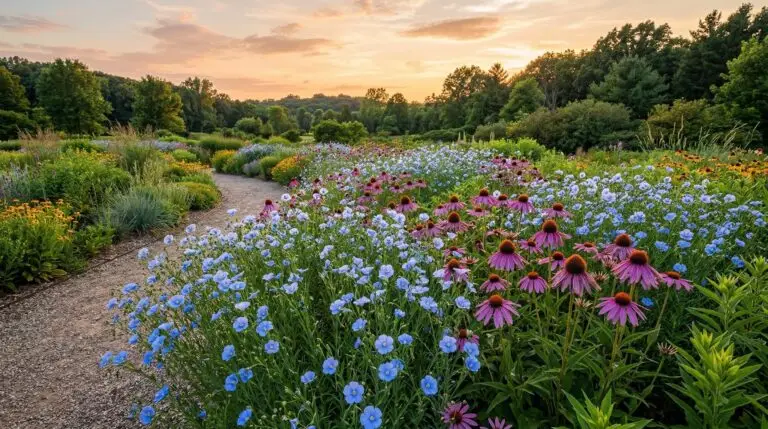
As the industrial demand for home-grown fiber faded, gardeners began to look at the plant with fresh eyes. They noticed the striking beauty of the perennial species, Linum perenne, and started bringing it into their flower beds strictly for visual pleasure. True, clear blue is a notoriously rare color in the botanical world, making the simple, five-petaled blooms highly sought after. Just as lavender transitioned from a purely utilitarian herb used to scent linens into a beloved garden staple, flax left the farmer’s field and entered the ornamental border. The slender, wire-like stems give the plant a delicate, airy appearance that moves gracefully with the slightest summer breeze. Gardeners appreciated how easily it grew in poor, rocky soils where heavier, more demanding flowers would simply wither. The plant asked for very little water and rewarded the grower with weeks of continuous color.
A single day in the modern garden
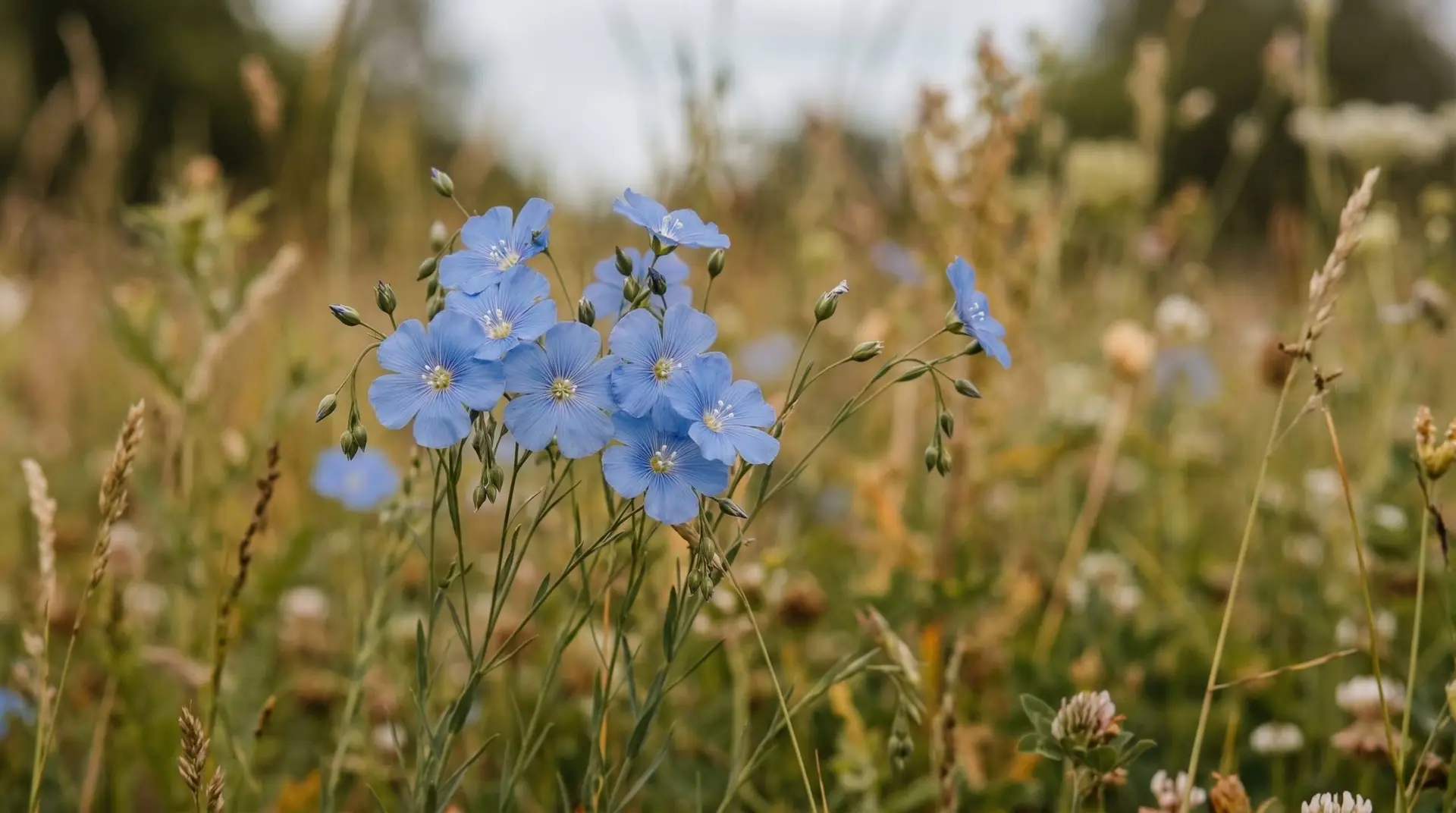
The true magic of blue flax in the modern garden lies in the daily rhythm of its blooming cycle. The passage of time is visible in the lifespan of a single, fragile flower. Each blossom opens just as the morning sun crests the horizon, turning its smooth, unwrinkled face toward the light. The petals are a translucent shade of sky blue, marked with faint, darker veins that guide pollinators toward the center. By midday, as the summer heat begins to rise, the brief life of the flower concludes. The petals drop silently to the earth, creating a soft blue shadow on the soil beneath the plant. The stems stand bare for the afternoon, only to produce hundreds of new, tightly coiled buds that will repeat the entire performance the very next morning.
Planting flax today offers a quiet connection to a vast, unfolding history. When you scatter the shiny brown seeds into a prepared garden bed, you participate in a ritual that stretches back to the dawn of agriculture. The roots reach down into the same earth that grew the sails of merchant ships and the garments of ancient kings. The plant requires no special tending, asking only for a sunny spot and a bit of dry ground to thrive. Standing in the garden on a warm June morning, watching the blue flowers open to the sky, bridges the gap between the ancient world and the present moment. The blossoms fall by noon, just as they always have, leaving behind a story written in the soil.
More About Blue Flax
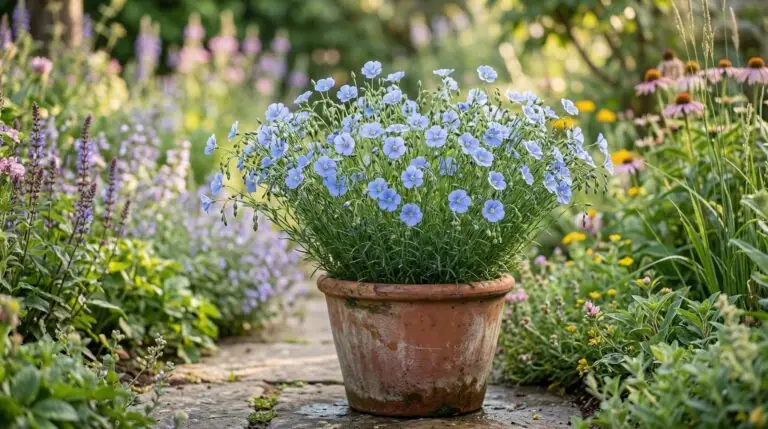
Growing blue flax in containers and window boxes for sky-blue summer color
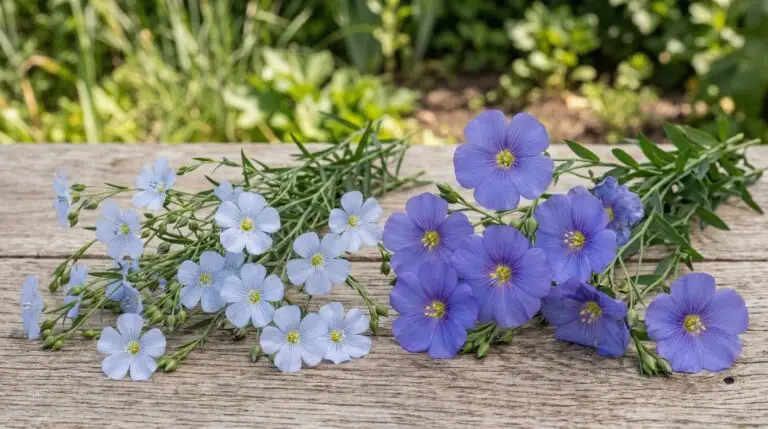
Lewis flax versus perennial blue flax and which native species to grow
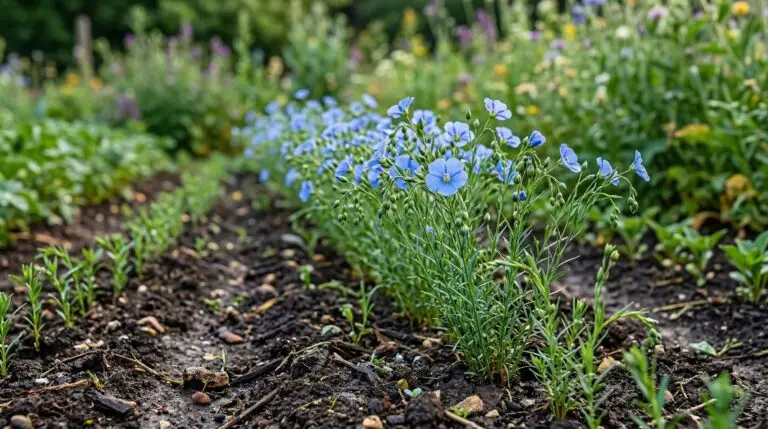
How to grow blue flax from seed for a low maintenance wildflower meadow
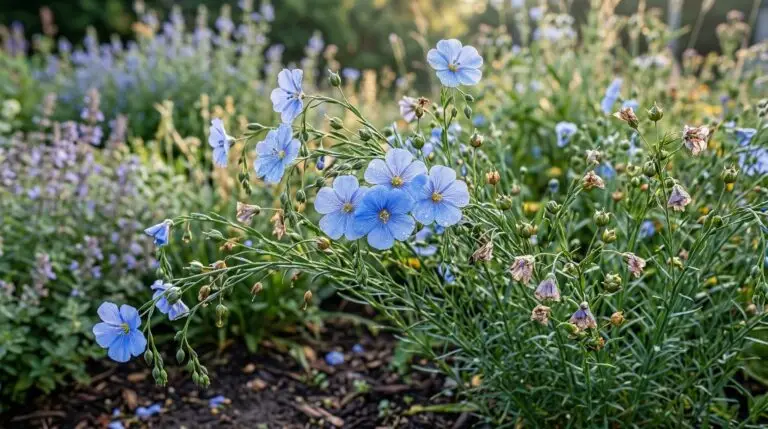
Why blue flax flowers only last one day and why that is actually a good thing
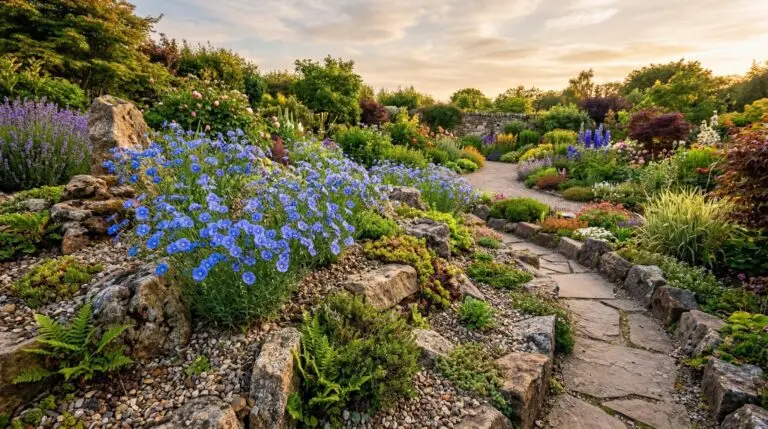
Blue flax in rock gardens and gravel pathways for a natural alpine look
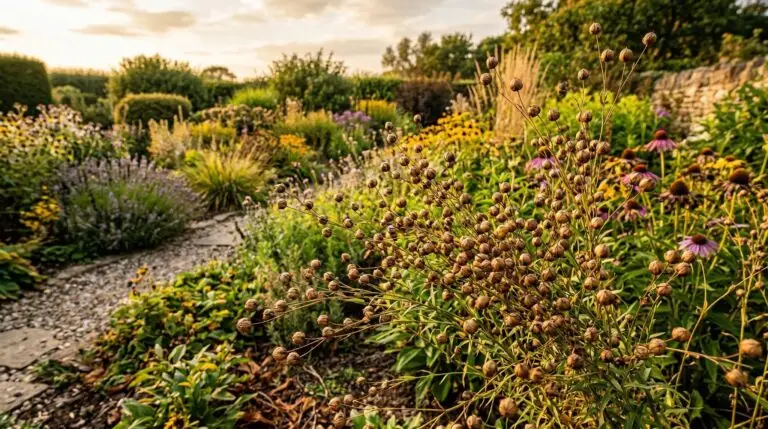
How to collect and save blue flax seeds for planting next season
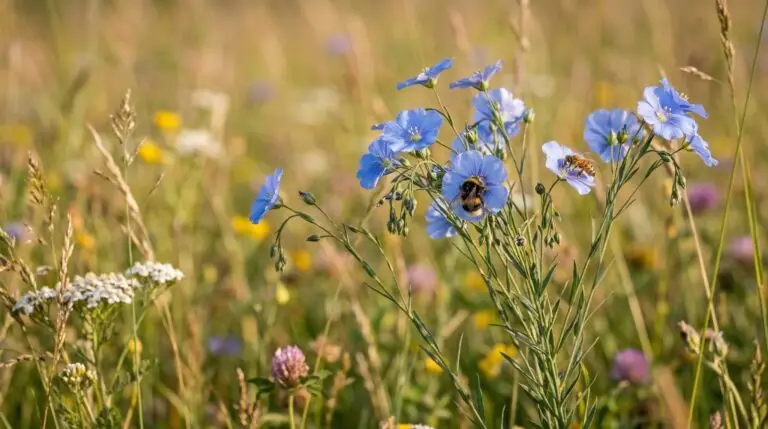
Blue flax for pollinator gardens attracting native bees and beneficial insects
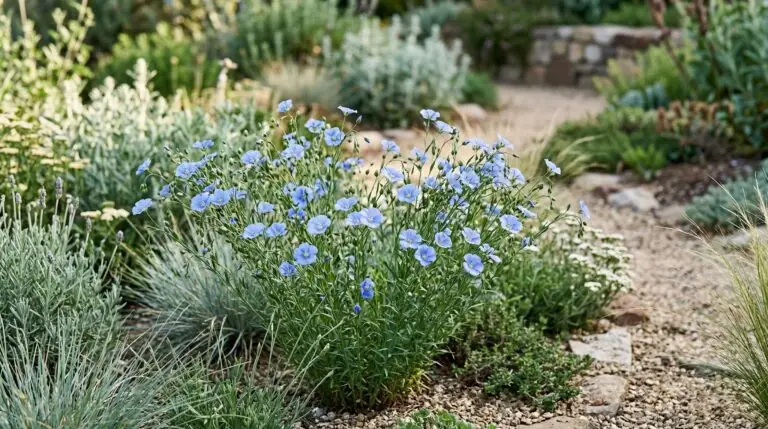
Blue flax for xeriscaping and drought-tolerant gardens that still look beautiful