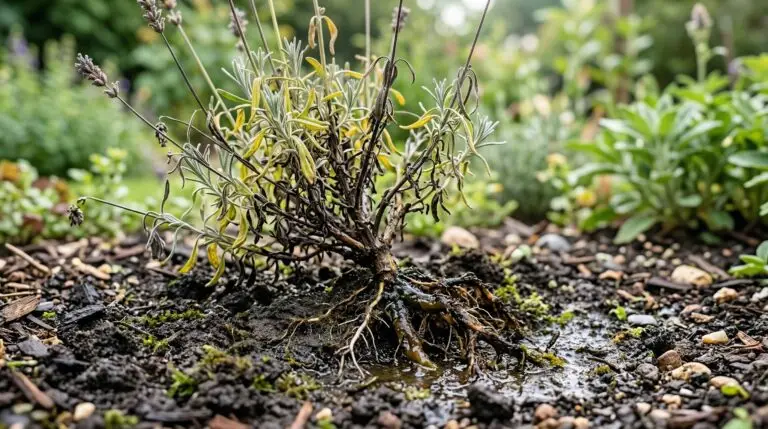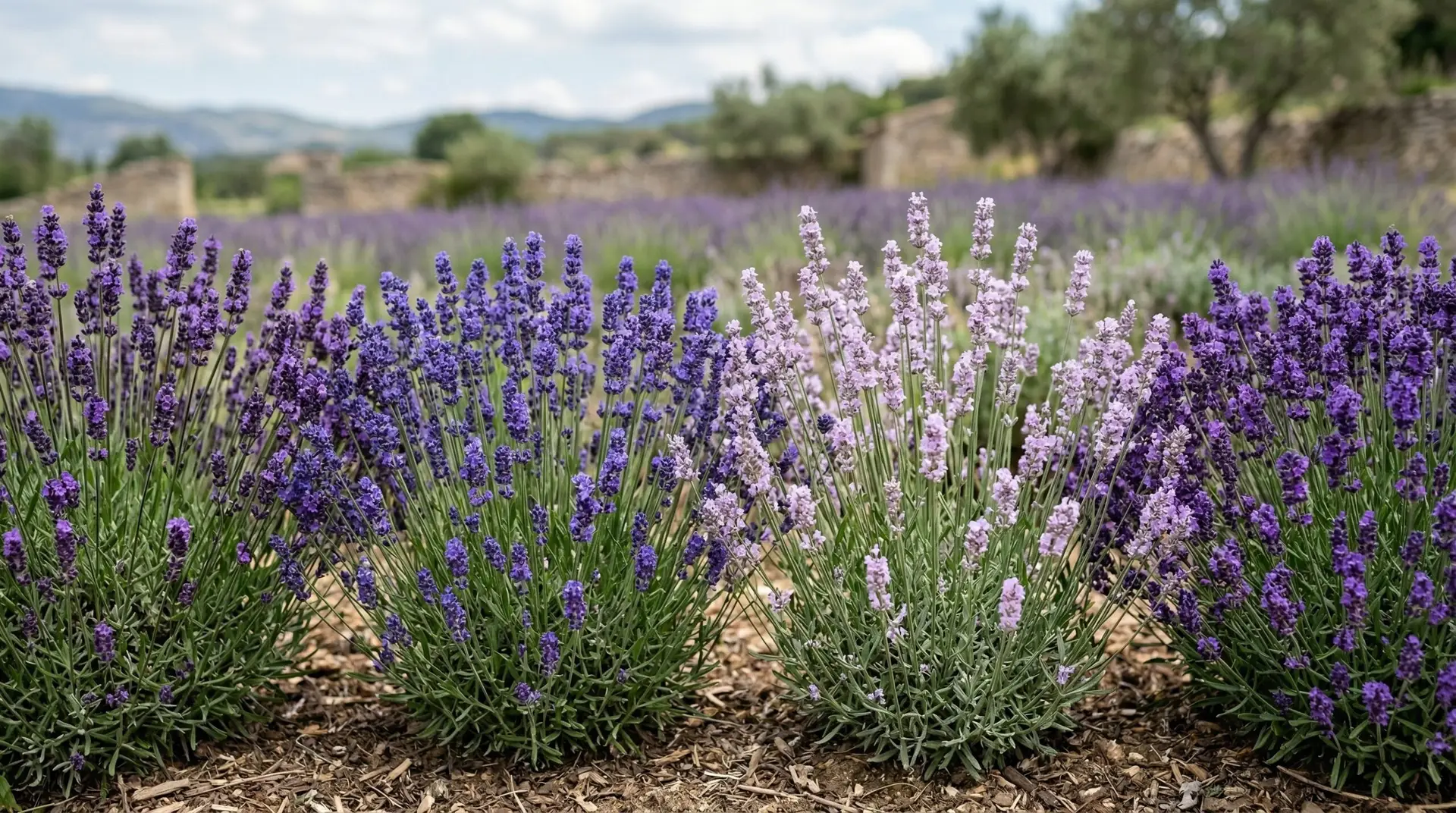
The world of lavender is vast, but most gardeners only need to understand three distinct groups to make the right choice for their gardens. Rather than attempting to catalog every cultivar available on the market, it is far more useful to examine the best representatives of the English, French, and Spanish types. Garden centers often sell generic, unnamed lavender plants that offer unpredictable cold hardiness and variable bloom times. Selecting a specific, named variety ensures you get the exact height, oil content, and winter survival rate your garden requires. By focusing on a few exceptional cultivars, you can avoid the common frustration of watching a poorly chosen lavender slowly decline in unsuitable soil or climate conditions. This curated approach saves time, money, and garden space by matching the right plant genetics to your specific goals.
The primary decision most gardeners face is choosing between English lavender and French hybrids. English lavender, botanically known as Lavandula angustifolia, provides the sweetest fragrance and the best flavor for culinary use, along with excellent cold hardiness. French lavender, or Lavandula x intermedia, is a sterile hybrid that grows much larger, yields significantly more essential oil, and handles summer heat with greater resilience. Spanish lavender, Lavandula stoechas, is entirely different with its unique floral structure and strict preference for mild winters. Understanding these baseline differences allows you to match the plant to your specific growing environment rather than fighting against its natural preferences. Choosing the correct species group is the single most important step in establishing a healthy, long-lived lavender plant.
The reliable English classics
When you want true, deep purple color and sweet fragrance, ‘Hidcote’ remains the standard against which all other English lavenders are measured. This variety produces exceptionally dark violet flower spikes on a compact, tidy plant that rarely exceeds two feet in height. The foliage maintains a strong silver tone throughout the year, providing excellent structural interest even when the plant is out of bloom. ‘Hidcote’ blooms early in the summer, and its tightly packed flower heads retain their rich color beautifully when dried for crafts or potpourri. Many modern catalogs push newer compact varieties, but ‘Hidcote’ has maintained its position because it offers an unmatched combination of intense color and reliable cold hardiness down to Zone 5. It is the definitive choice for edging formal beds or creating a low, fragrant hedge.
If your garden requires a slightly more robust English type that handles varied conditions well, ‘Munstead’ is the traditional alternative to ‘Hidcote’. It grows slightly larger and looser in form, producing lighter lavender-blue flowers that open earlier in the season. The flavor profile of ‘Munstead’ is highly regarded in the kitchen, making it the preferred choice for infusing sugars, baking, or crafting simple syrups. While it lacks the dark visual drama of ‘Hidcote’, it often demonstrates better tolerance for the occasional heavy rain or slightly less-than-perfect drainage. For gardeners who want the classic English lavender experience without the strict need for formal, compact mounds, ‘Munstead’ provides a highly dependable and fragrant option.
High-yield French hybrids for challenging climates
For sheer volume of flowers and intense, penetrating fragrance, the French hybrid ‘Grosso’ is the definitive choice. This plant grows into a massive, three-foot dome of gray-green foliage, sending up long, elegant wands of violet flowers that dominate the mid-summer garden. ‘Grosso’ is the primary variety cultivated commercially for essential oil production because its large flower heads contain an incredibly high concentration of camphor-rich oil. The strong camphor scent makes it less suitable for culinary use, but it excels in making sachets, wands, and fragrant bouquets that last for years. If you have plenty of space and want a dramatic, architectural plant that thrives in blazing heat and poor soil, ‘Grosso’ delivers a performance that smaller English types simply cannot match.
Older garden manuals often recommend the older French variety ‘Provence’, but in practice, it underperforms in areas with high summer humidity or sudden winter temperature drops. The newer introduction ‘Phenomenal’ has largely rendered ‘Provence’ obsolete for the average home gardener by solving the most common issues associated with growing lavender in challenging climates. ‘Phenomenal’ demonstrates remarkable resistance to the root and crown rots that typically plague lavenders in humid summer regions. It also survives harsh winter dieback far better than other large hybrids, maintaining its neat, mounding habit year after year. For gardeners who have struggled to keep lavender alive in the past, or those looking for a large companion plant to pair with Russian Sage in a hot, dry border, ‘Phenomenal’ represents a significant upgrade in reliability.
The distinct appeal of Spanish lavender
Spanish lavender offers a completely different aesthetic with its barrel-shaped flower heads topped by distinctive, flag-like bracts that resemble butterfly wings. These varieties bloom much earlier than their English or French counterparts, often starting their display in mid-spring and continuing in waves through the early summer. The foliage carries a sharp, almost pine-like scent that differs sharply from the sweet floral notes of traditional lavender. Because they are only hardy to Zone 7 or 8, Spanish lavenders are best utilized as container plants or annuals in colder regions, where they provide immediate spring color. While they require more winter protection, their unique floral structure and early bloom time make them a worthwhile addition for gardeners willing to accommodate their specific climate needs.
Within the Spanish group, varieties like ‘Anouk’ and ‘Kew Red’ offer excellent garden performance and striking color variations. ‘Anouk’ produces dark plum flowers with lighter purple bracts on a plant bred specifically for better disease resistance and a slightly improved tolerance for cold. ‘Kew Red’ abandons the traditional purple palette entirely, offering bright cerise-crimson flower heads topped with pale pink bracts. These Spanish types look particularly striking when planted in terracotta pots or placed at the front of a warm-climate border alongside sprawling perennials like Catmint. By selecting these refined cultivars over generic Spanish lavender, you gain a plant with a tighter growth habit and a much longer, more prolific flowering season.
Selecting the definitive lavender
Choosing a single best lavender requires balancing visual appeal, fragrance, and overall garden resilience. Taking all these factors into account, the French hybrid ‘Phenomenal’ is the most practical addition to the modern garden. It bridges the gap between the massive, fragrant presence of traditional French varieties and the rigorous survival requirements of unpredictable climates. The plant builds a strong, architectural presence in the garden while shrugging off both extreme winter cold and heavy summer humidity. While culinary gardeners will always need an English type like ‘Hidcote’ for the kitchen, ‘Phenomenal’ offers the highest success rate and the most reliable visual display for the vast majority of growing situations. Its superior genetics take the guesswork out of growing lavender, allowing you to enjoy the classic fragrance without the usual maintenance headaches.
More About Lavender
Lavender flower meaning and why this herb has calmed humanity for thousands of years
Harvesting and drying lavender at the perfect moment for the strongest fragrance
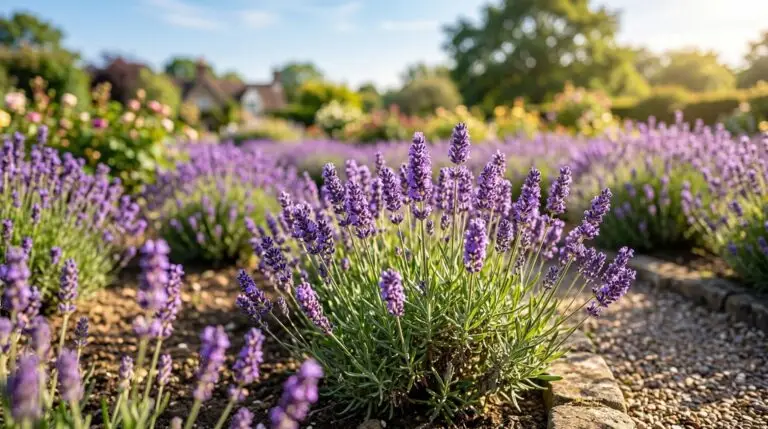
How to grow lavender for fragrant purple spikes and the Mediterranean garden of your dreams
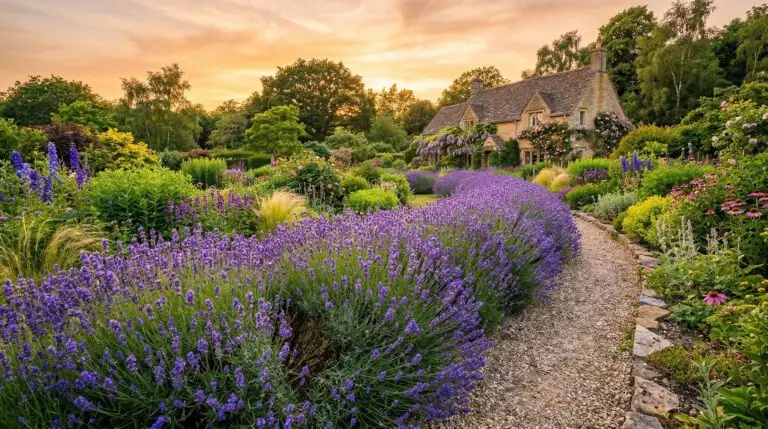
Pruning lavender at the right time to prevent woody bare stems and keep plants compact
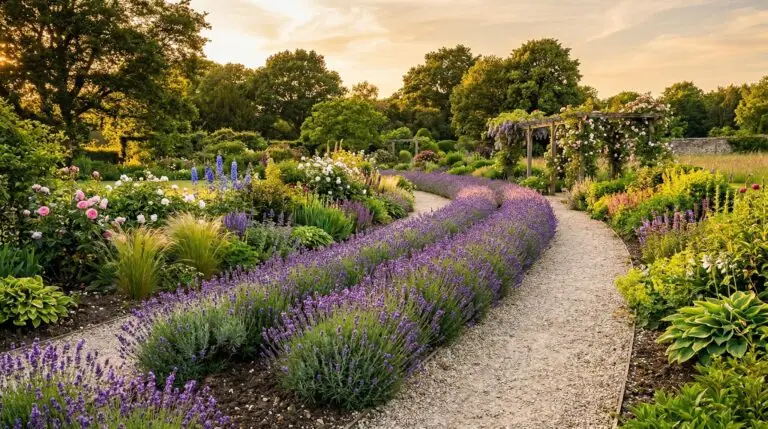
Designing a lavender hedge border that lines your garden path with fragrance
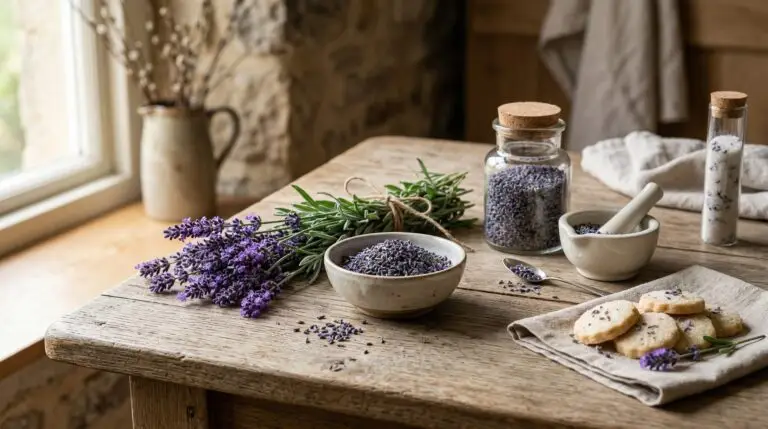
Cooking with lavender from herb-crusted lamb to lavender lemonade and shortbread
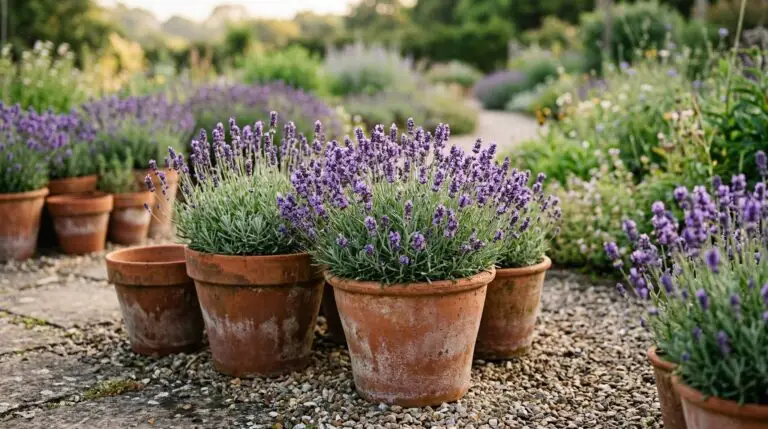
Growing lavender in containers for fragrant patio and balcony gardens
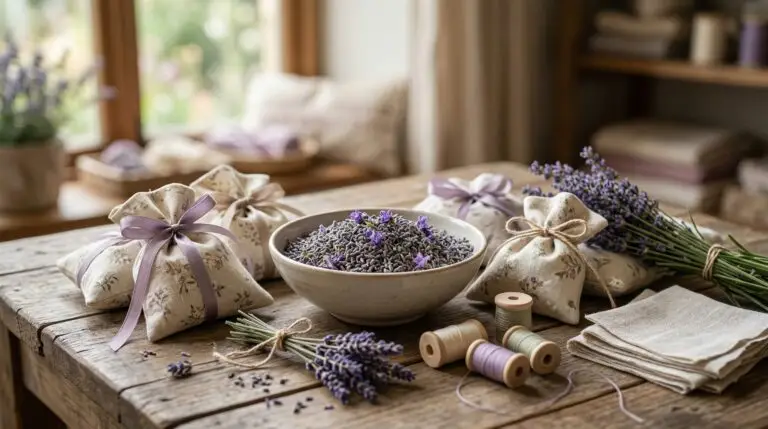
Lavender sachets potpourri and dried flower crafts using your garden harvest