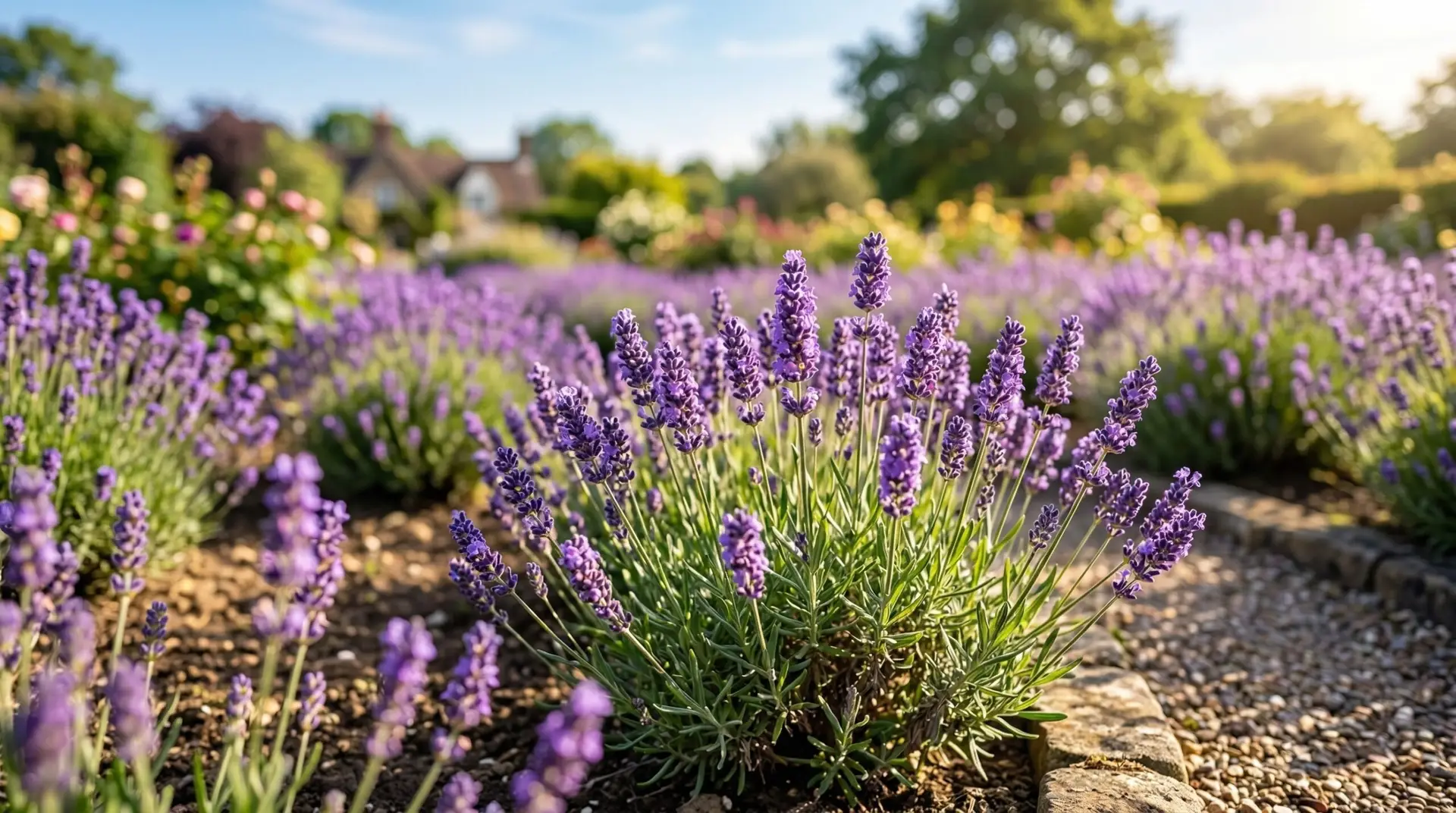
I have pulled more dead lavender out of well-intentioned home gardens than almost any other perennial. Gardeners often approach growing lavender with the assumption that a plant so beloved requires constant feeding, rich soil, and regular watering. The reality of lavender plant care is entirely the opposite, as this is a subshrub that thrives on neglect and actively resents pampering. Originating from the dry, rocky slopes of the Mediterranean basin, lavender has evolved to survive in lean, alkaline soils baking under an intense summer sun. When we try to force it into a typical garden border with heavy loam and automatic sprinkler systems, the plant inevitably succumbs to root rot. To succeed with this fragrant herb, you must recreate the harsh conditions of its native habitat. Once established in the right environment, a lavender plant will easily live for ten to fifteen years, producing dense flushes of purple spikes every summer.
Contents 6 sections
- Selecting the right lavender for your specific climate
- Soil preparation and the mechanics of sharp drainage
- Watering protocols and the danger of organic mulch
- Pruning techniques for longevity and structural integrity
- Harvesting blooms and understanding essential oil production
- Designing a cohesive dry garden with companion plants
Selecting the right lavender for your specific climate
Before digging a hole, you must understand that not all lavenders behave the same way in the garden. The true English lavender, botanically known as Lavandula angustifolia, is the most cold-hardy option and typically survives down to USDA Zone 5. Cultivars like ‘Hidcote’ and ‘Munstead’ fall into this category, offering a compact growth habit and the sweetest fragrance for culinary use. In warmer regions with mild winters, the Spanish or French lavenders, Lavandula stoechas, perform beautifully, though they will perish if temperatures drop below freezing for extended periods. Growers in humid climates often struggle with both of these types because the moisture trapped in the dense foliage encourages fungal diseases. For areas with high summer humidity or intense heat, the lavandins, Lavandula x intermedia, are the most reliable choice. These are sterile hybrids created by crossing English lavender with spike lavender, resulting in robust, disease-resistant plants like ‘Provence’ and ‘Grosso’ that produce exceptionally long flower wands.
Soil preparation and the mechanics of sharp drainage
The single most common cause of lavender mortality is poor drainage. Lavender roots require high levels of oxygen and will rot rapidly if forced to sit in waterlogged soil for even a few days. You must provide sharp drainage, a horticultural term meaning water moves through the soil profile almost immediately after a heavy rain event. If you garden in heavy clay, you cannot simply dig a hole and fill it with potting soil, as this creates a bathtub effect that traps water around the root zone. Instead, you should plant your lavender on a raised mound or berm composed of native soil mixed heavily with coarse sand, gravel, or crushed pumice. Lavender also requires an alkaline soil pH, ideally resting between 6.5 and 8.0, to properly absorb nutrients. If your soil is acidic, working a handful of pelletized garden lime into the planting hole will help create the sweet soil conditions this plant expects.
Watering protocols and the danger of organic mulch
Understanding how to water lavender correctly requires a shift in typical gardening habits. Newly planted lavender needs consistent moisture during its first growing season to establish a deep root system, meaning a deep soaking once a week is usually sufficient. Once the plant reaches its second year, you should only water during prolonged periods of drought, allowing the soil to dry out completely between waterings. Overhead irrigation is detrimental because wet foliage invites fungal pathogens like botrytis and phytophthora. You should apply water directly to the soil surface using a drip line or a carefully placed hose. Equally important is how you dress the soil around the plant, as applying traditional bark or wood mulch against the stems will trap moisture and rot the crown. You should always use an inorganic mulch like crushed gravel, pea stone, or coarse sand, pulling it back slightly from the woody base to ensure adequate air circulation.
Pruning techniques for longevity and structural integrity
Pruning lavender is a subject of much debate among professional growers, but the consensus relies on understanding the plant’s woody nature. Lavender is a subshrub, meaning it develops a hard, woody base over time while producing soft, herbaceous growth at the tips. If left unpruned, the plant will splay open from the center, creating a woody, brittle structure that breaks easily under the weight of snow or heavy rain. You must prune lavender annually to encourage tight, dense branching and prevent the center from splitting. The safest time to prune is late spring, just as you see the first tiny green buds pushing out from the stems. You should cut back about one-third of the overall plant volume, shaping it into a neat mound while being careful to leave plenty of green growth on every stem. Cutting down into the old, leafless wood will usually kill that branch entirely, as lavender rarely pushes new growth from old, hardened wood.
Harvesting blooms and understanding essential oil production
Growing lavender successfully naturally leads to a bountiful harvest, and timing your cuts correctly maximizes the fragrance and longevity of the flowers. The volatile essential oils responsible for the distinct lavender scent reach their peak concentration just before the flower buds fully open. If you wait until the entire spike is covered in open, fuzzy flowers, the oil content has already begun to dissipate and the dried buds will shatter easily. You should harvest early in the morning after the dew has evaporated but before the heat of the afternoon sun pulls the oils down into the stems. Using sharp, sterile bypass pruners, cut the stems as long as possible, leaving at least two inches of green growth above the woody base. Tie the stems into small bundles and hang them upside down in a dark, well-ventilated room to dry completely over the course of two to three weeks. This harvesting process actually acts as a beneficial summer pruning, encouraging a secondary flush of growth and keeping the plant tidy.
Designing a cohesive dry garden with companion plants
When planning a garden space for lavender, you should surround it with plants that share its exact cultural requirements for full sun and dry roots. Mixing thirsty perennials with drought-tolerant Mediterranean herbs guarantees that one or the other will suffer. A classic and highly successful pairing involves planting lavender alongside Russian Sage, as both plants thrive in lean soil and their blooming periods overlap beautifully. You can also create a long-lasting succession of purple and blue tones by incorporating Catmint, which will often begin blooming just as the first flush of lavender is forming its buds. For a stronger vertical element in the dry border, adding several varieties of Salvia will introduce deep indigo and violet spikes that contrast well with the rounded, mounding habit of the lavender plants. By grouping these sun-loving, low-water species together, you create an ecologically sound planting zone that requires minimal irrigation. Looking ahead to your next growing season, focus your efforts on improving soil drainage rather than buying fertilizer, and you will soon have a thriving, fragrant lavender patch that returns reliably year after year.
More About Lavender
Lavender flower meaning and why this herb has calmed humanity for thousands of years
Harvesting and drying lavender at the perfect moment for the strongest fragrance
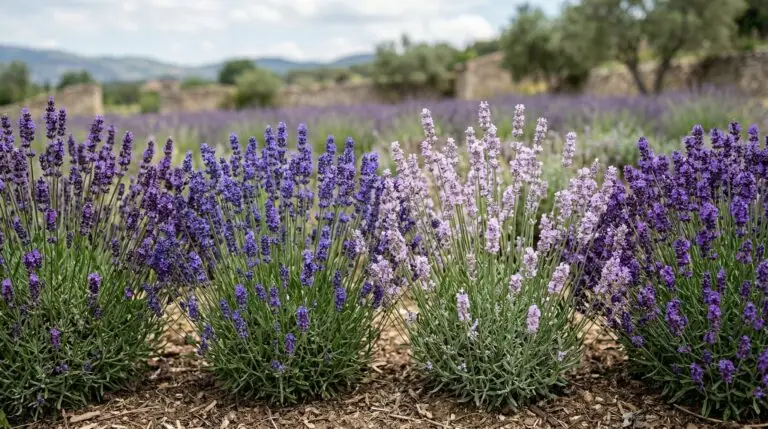
Best lavender varieties from English Hidcote to French Provence and Spanish butterfly types
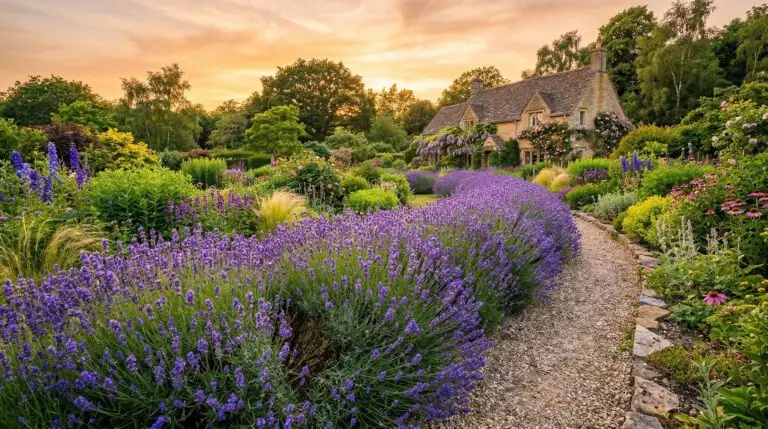
Pruning lavender at the right time to prevent woody bare stems and keep plants compact
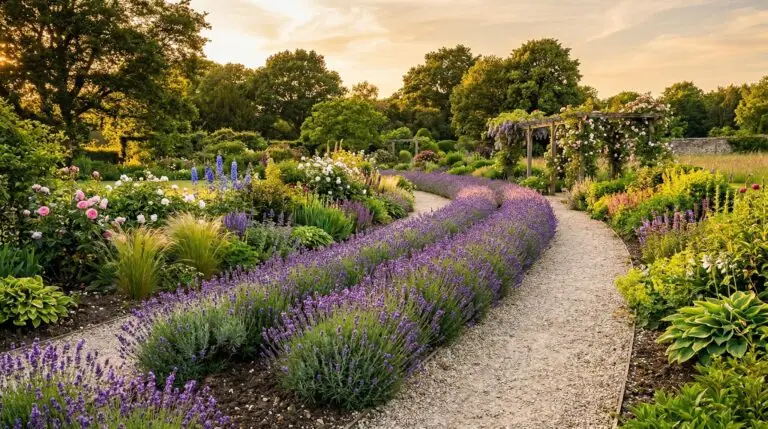
Designing a lavender hedge border that lines your garden path with fragrance
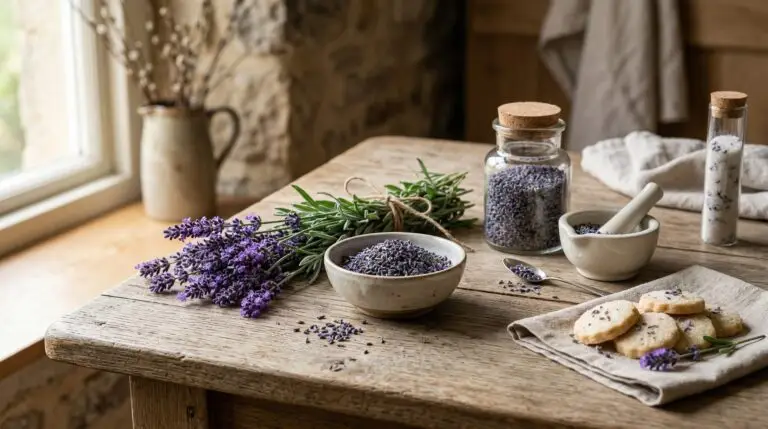
Cooking with lavender from herb-crusted lamb to lavender lemonade and shortbread
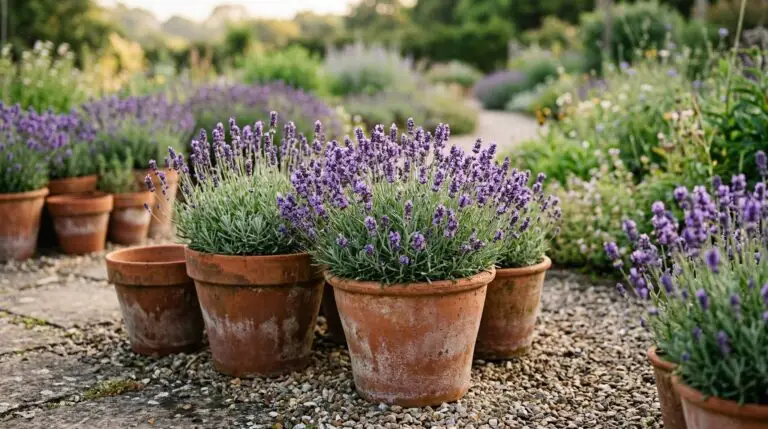
Growing lavender in containers for fragrant patio and balcony gardens
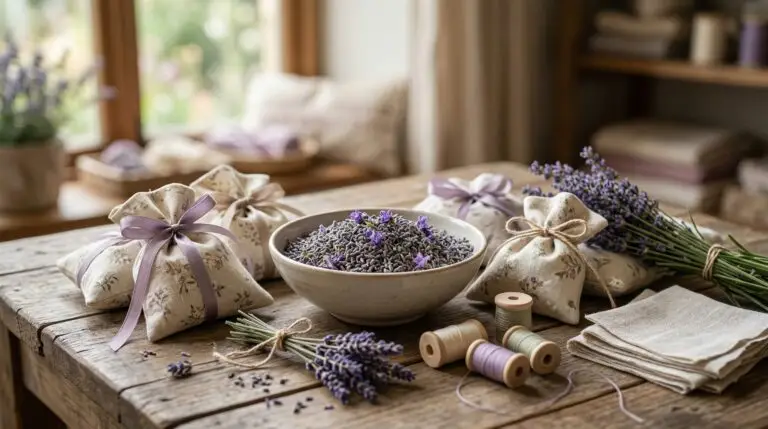
Lavender sachets potpourri and dried flower crafts using your garden harvest
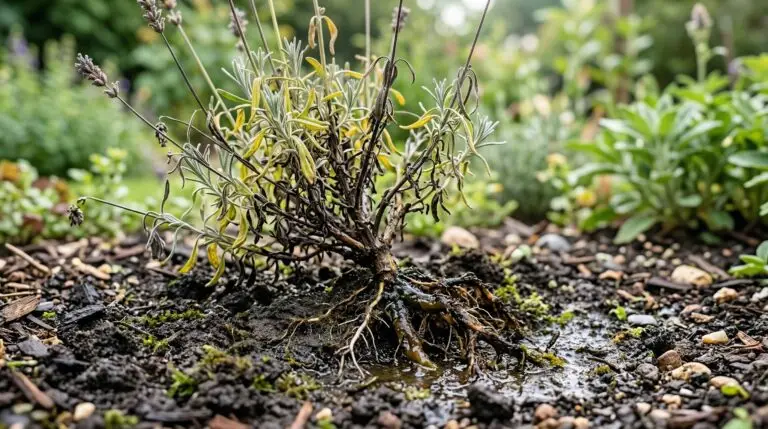
Why lavender dies in humid climates and the varieties that survive southern summers
Enjoying our flower guides? Add YourFlowersGuide as a preferred source on Google. It helps more readers find us.
Add to Preferred Sources