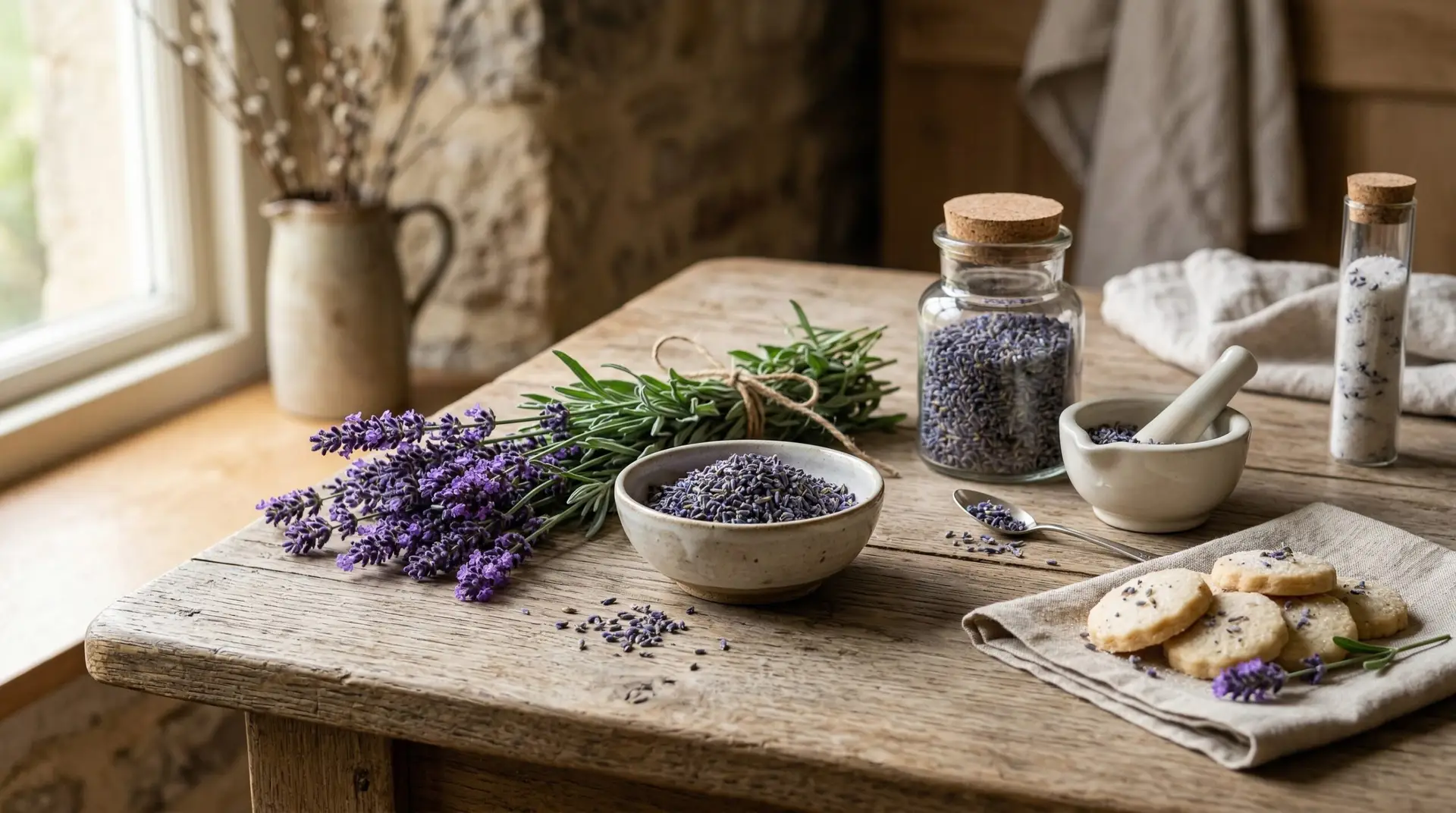
One of the first things gardeners ask when they start growing lavender is whether they can actually eat the purple spikes blooming in their yard. You might look at a thriving plant and imagine whipping up a batch of lavender lemonade or baking delicate shortbread cookies. The short answer is yes, all lavender is technically safe to consume, but that does not mean every plant belongs in your mixing bowl. People often try baking with whatever variety they find at the garden center, only to end up with cookies that taste exactly like a drawer sachet. This happens because different varieties contain different essential oil profiles, and some are bred purely for their strong, sharp fragrance rather than a delicate palate.
The natural follow-up question is how to identify the varieties that actually taste good in food. When you are looking for culinary lavender, you specifically want English lavender, known botanically as Lavandula angustifolia. Varieties like ‘Munstead’ and ‘Hidcote’ are the gold standard for cooking with lavender because they contain very low levels of camphor. Camphor is the compound that gives certain lavenders that sharp, piney, almost medicinal smell that works wonderfully in bath salts but ruins a good cake. French and Spanish lavenders have high camphor levels, making them the culprits behind that dreaded soapy flavor people complain about when lavender recipes go wrong.
Contents 3 sections
Extracting flavor without overwhelming the palate
Once you have the right English lavender in hand, you might wonder exactly how to incorporate those little buds into your cooking without overpowering the dish. The secret to success lies in understanding that lavender is highly concentrated, meaning the less-is-more approach is absolutely essential. A general rule for cooking with lavender is to use about a third of the amount of dried lavender as you would fresh, and to start with just a pinch. You can always add a tiny bit more, but you cannot take it away once the oils have permeated your batter or sauce. One of the safest and most reliable ways to introduce the flavor is by making lavender sugar. You simply bury a few dried culinary lavender buds in a jar of plain white sugar, let it sit for a week or two, and then sift out the buds.
By the way, people often do not realize that how you process the buds changes the way they release their flavor into your food. If you leave the buds whole in a delicate shortbread dough, you risk giving your guests a sudden, intense burst of floral oil when they bite into a flower. Grinding the dried buds into a fine powder with a mortar and pestle or a spice grinder distributes the oils evenly throughout the recipe. This creates a smooth, subtle background note rather than an aggressive floral punch. You can use this ground powder directly in your flour mixtures for baked goods or whisk it into the base syrup when making a refreshing pitcher of lavender lemonade.
Bringing floral notes to savory meals
This leads to something many growers wonder about as they get comfortable with floral flavors: does lavender only belong in the dessert course? While sweets are the most common starting point, culinary lavender truly shines when you treat it as a robust savory herb similar to rosemary or thyme. It is actually a traditional component in many modern blends of herbes de Provence, alongside savory, marjoram, rosemary, and oregano. When you mix dried lavender buds with coarse sea salt, cracked black pepper, and garlic, you create an exceptional rub for roasting meats. Herb-crusted lamb is perhaps the most classic savory application, as the earthy richness of the meat perfectly balances the bright, slightly sweet notes of the flower.
You might also wonder what other flavors pair well with lavender in a savory context. Lemon, garlic, olive oil, and goat cheese all have the right acidic or fatty profiles to carry the floral notes without letting them dominate the dish. Just as you might experiment with the delicate petals of a rose in a savory glaze, lavender works beautifully when folded into a rich butter and melted over roasted potatoes or grilled chicken. It pairs exceptionally well with bitter or earthy elements that ground its airy qualities. If you enjoy brewing savory or herbal broths, you might even consider how it complements the earthy depth of a chrysanthemum tea or infusion, though lavender requires a much lighter hand.
Storing and preserving the harvest
After a successful summer harvest, friends usually ask how to keep that fresh culinary flavor going through the dark winter months. Drying the buds is the most straightforward method, but the timing of your harvest dictates the quality of your dried herbs. You need to cut the stems just as the first few buds on the flower head begin to open, rather than waiting for the entire wand to bloom. At this early stage, the essential oils are at their absolute peak concentration and the buds will hold tightly to the stem as they dry. Hang the bundles upside down in a dark, warm place with good air circulation to prevent mold and preserve their color.
Once the stems snap easily, you might wonder about the best way to store the buds for long-term kitchen use. Stripping the buds from the stems and keeping them in an airtight glass jar in a dark cupboard will protect the delicate oils from degrading in sunlight. Another fantastic preservation method that people often overlook is creating your own lavender honey. You simply warm a cup of mild honey gently on the stove, stir in a tablespoon of dried culinary lavender, and let it steep off the heat for a few hours before straining. This infused honey captures the absolute essence of the summer garden and lasts indefinitely in your pantry.
You might not have considered what happens to lavender’s flavor if you cook it at high heat for an extended period. Many people assume that, like rosemary, lavender can withstand hours of roasting or boiling without losing its character. In reality, the delicate volatile oils that give culinary lavender its sweet, floral taste evaporate very quickly under high, prolonged heat, leaving behind a bitter, woody residue. If you are making a slow-simmered stew or a long-roasting dish, you will get much better results by adding your lavender near the end of the cooking time or using it in a finishing glaze. Treating the buds gently ensures you capture the exact flavor you intended, keeping the garden’s essence perfectly intact on your plate.
More About Lavender
Lavender flower meaning and why this herb has calmed humanity for thousands of years
Harvesting and drying lavender at the perfect moment for the strongest fragrance
How to grow lavender for fragrant purple spikes and the Mediterranean garden of your dreams
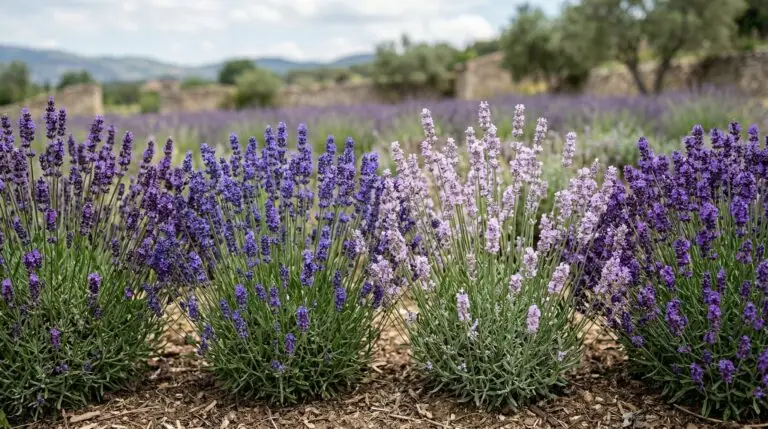
Best lavender varieties from English Hidcote to French Provence and Spanish butterfly types
Pruning lavender at the right time to prevent woody bare stems and keep plants compact
Designing a lavender hedge border that lines your garden path with fragrance
Growing lavender in containers for fragrant patio and balcony gardens
Lavender sachets potpourri and dried flower crafts using your garden harvest
Why lavender dies in humid climates and the varieties that survive southern summers
Enjoying our flower guides? Add YourFlowersGuide as a preferred source on Google. It helps more readers find us.
Add to Preferred Sources