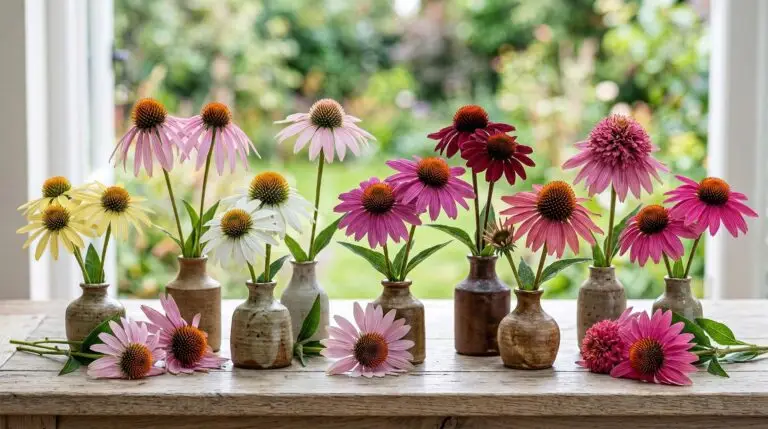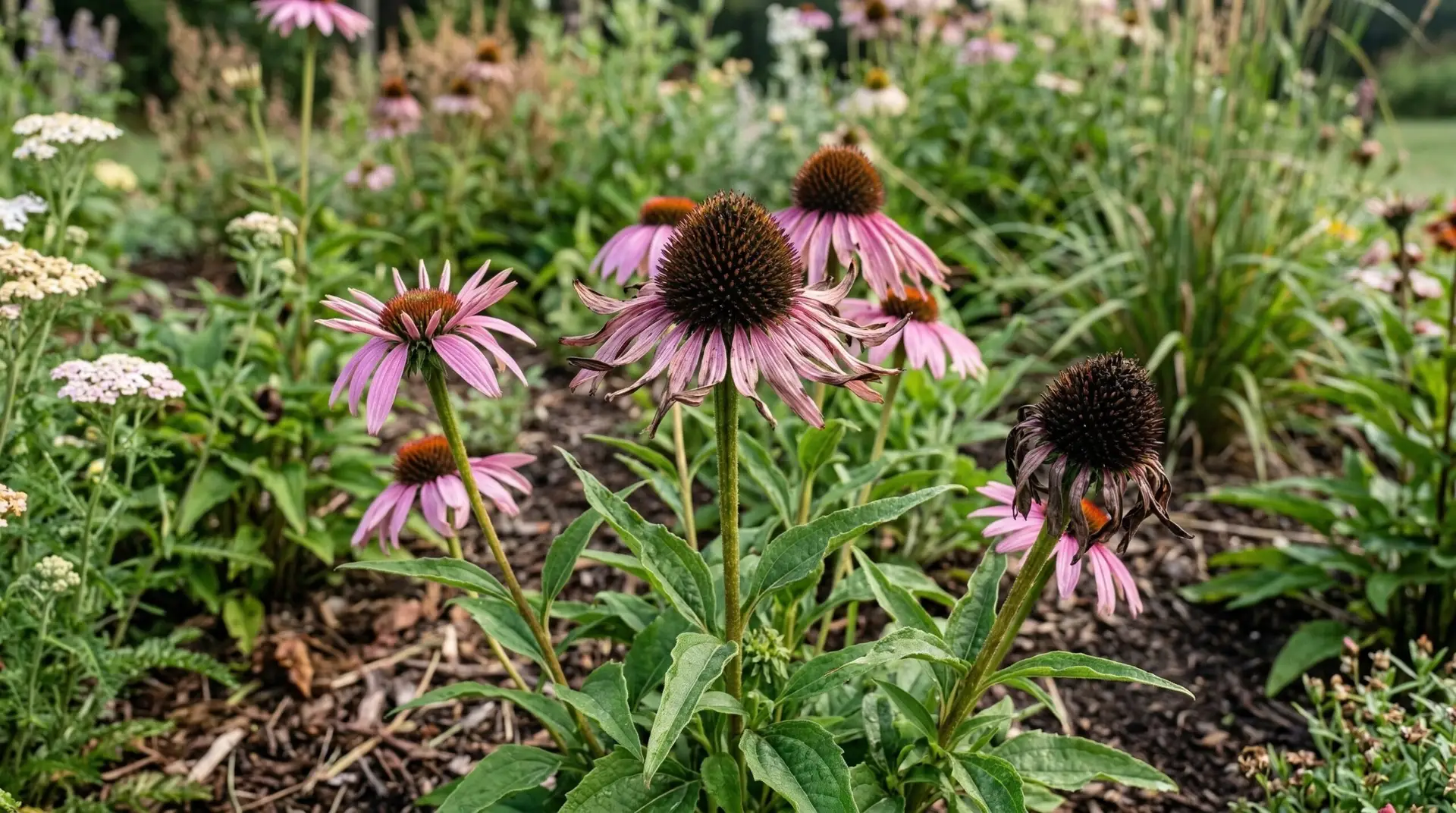
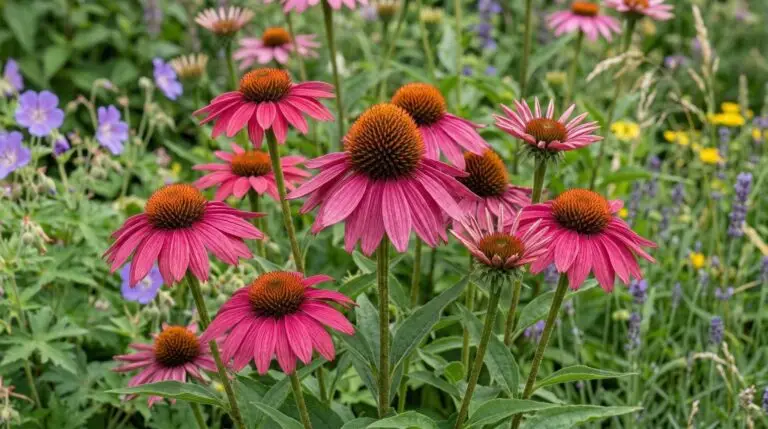
The early morning sun warms the garden soil, catching the heavy dew resting on the stiff petals of Echinacea purpurea. Most gardeners view coneflowers as the reliable backbone of the perennial border, standing tall through heat and drought. Yet bringing these sturdy natives indoors reveals an entirely different side of their character. A freshly cut coneflower possesses an architectural elegance that transforms a simple glass jar into a sculptural display. The drooping petals and prominent bristly centers offer a textural contrast that softer, more delicate blooms simply cannot match. When treated correctly, a coneflower cut flower becomes a long-lasting anchor for indoor arrangements. These tough stems bridge the humid days of midsummer and the crisp afternoons of autumn with ease.
The journey from garden bed to kitchen table begins with observation. You have to watch the progression of the bloom, noting how the petals emerge tightly packed before slowly relaxing downward. There is a specific window when the flower holds the most energy and potential for a long life in water. Catching the blooms at this precise stage ensures they will remain vibrant indoors while the garden continues its natural cycle outside.
Timing the harvest for maximum vase life
The secret to an extraordinary coneflower vase life lies entirely in when you approach the plant with your clippers. The ideal moment arrives just as the petals have fully colored but before they drop back into their classic shuttlecock shape. Look closely at the central cone, which should appear somewhat flat and tight, with only the outermost ring of tiny florets beginning to open and produce pollen. If you wait until the entire cone is fuzzy with golden pollen, the flower has already completed its primary biological purpose and will shatter quickly indoors. Cutting early in the morning, before the summer sun pulls moisture from the stems, gives the flowers the best chance of surviving the shock of harvest. The stems are firm and fully hydrated at dawn, snapping crisply beneath a sharp blade.
Bringing a bucket of cool, clean water directly into the garden saves the flowers from unnecessary stress. You should plunge the cut stems immediately into the water, keeping them submerged while you finish your morning rounds. This immediate hydration prevents air bubbles from forming at the base of the stem, which would otherwise block water uptake later. A quick transition from garden to bucket sets the foundation for an echinacea bouquet that will look fresh for days.
Preparing stems for an echinacea bouquet
Once inside the cool quiet of the kitchen, the real conditioning work begins. Coneflower stems are thick and somewhat hairy, covered in leaves that will quickly rot if left below the water line. You must strip every leaf that might touch the water, leaving only a few near the top to frame the bloom. Recutting the stems at a sharp angle under running water exposes fresh tissue, allowing the plant to drink freely. Placing the prepared stems in a clean vase filled with fresh water and floral preservative encourages the blooms to settle into their new environment. After a few hours of resting in a cool, dark room, the stems stiffen completely and become ready for arranging. This simple conditioning process routinely yields a coneflower vase life of ten to fourteen days.
Water maintenance is the final requirement for keeping the arrangement looking sharp. The thick stems can cloud the vase water rapidly, especially in warm rooms. Changing the water every two days and giving the stems a fresh trim keeps the bacteria levels low. You will notice the petals maintaining their rigid, colorful posture much longer when the water remains crystal clear.
Designing with summer and fall companions
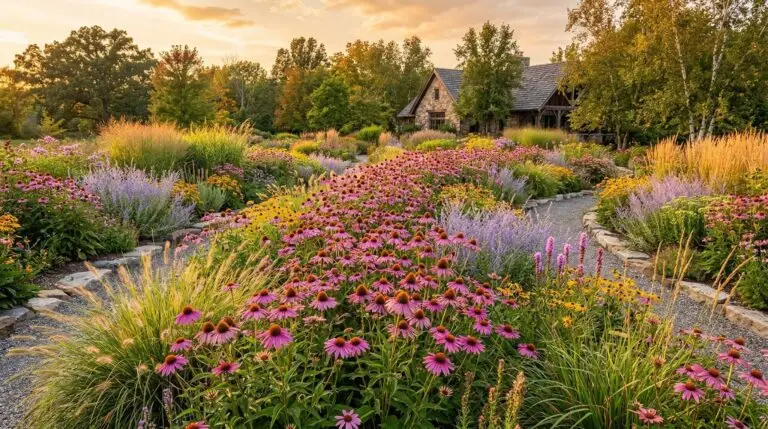
The strong, rigid stems of coneflowers make them excellent structural elements in mixed arrangements. They naturally demand companions that can stand up to their visual weight without competing for dominance. Late summer offers an abundance of suitable partners right in the same garden beds. Mixing purple coneflowers with the golden disks of black-eyed Susans creates a classic prairie aesthetic that feels both wild and intentional. You can soften the stiff geometry of the echinacea by weaving in wispy native grasses like switchgrass or Northern sea oats. The airy seed heads of the grasses fill the negative space between the heavy coneflower heads, adding movement and grace to the design.
As the season shifts toward autumn, the color palette of your arrangements can deepen and mature. Combining pale green or white coneflower varieties with rust-colored zinnias produces a sophisticated, muted display. For a larger, more dramatic centerpiece, you can use the coneflowers as a lower, textural base beneath towering sunflowers. The contrast between the drooping echinacea petals and the broad, flat sunflower faces creates a rich visual rhythm on the table.
Finding beauty in the dried seed heads
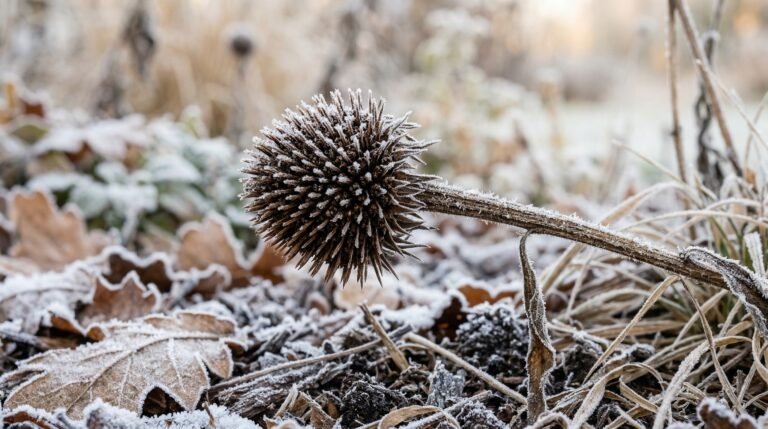
Even after the colorful petals finally fade and wither, the coneflower has another life to offer the indoor gardener. The prominent central cone, which gives the plant its name, dries into a rigid, spiky dome that holds its shape indefinitely. You can simply pull away the spent petals, leaving the dark, textural orb perched atop its sturdy stem. These dried cones add a rugged, architectural element to late autumn and winter arrangements. Hanging the stems upside down in a dry, well-ventilated space for a few weeks ensures the necks dry completely straight. Once cured, the deep brown and black seed heads mix beautifully with dried pods, branches, and evergreens.
There is a quiet satisfaction in carrying a single plant through so many different phases of the year. The coneflower begins as a bright splash of summer color on the kitchen counter and ends as a structural silhouette on the winter mantle. Watching the light catch the bristly edges of a dried echinacea cone on a cold November afternoon brings the memory of July heat back indoors. It is a reminder that the garden never really stops giving, as long as you know how to look at what remains.
More About Coneflower
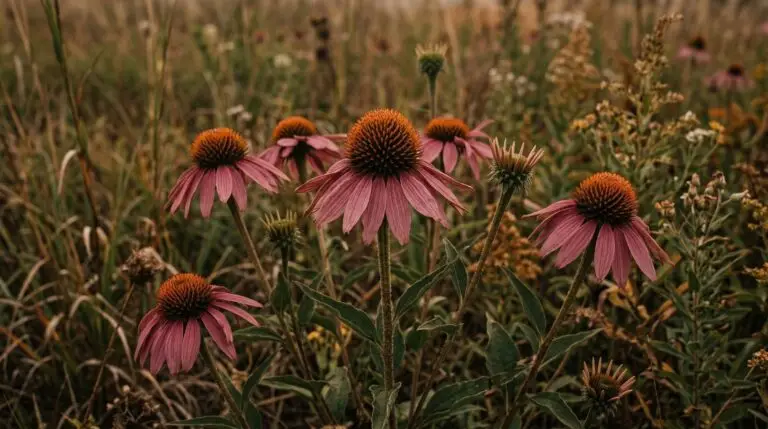
Echinacea for health and immunity and how it connects to the garden coneflower
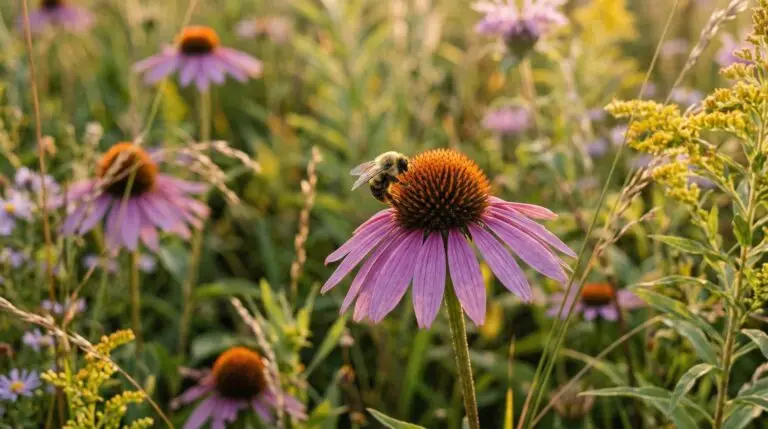
Coneflowers as the backbone of pollinator gardens attracting bees butterflies and birds
How to grow coneflowers from seed for a naturalistic wildflower garden
Coneflower and ornamental grass combinations for a modern prairie garden design
Growing coneflowers in containers for sunny balconies and apartment gardens
Why coneflowers flop over and how to grow sturdy upright plants without staking
Best coneflower varieties from classic purple to sunset orange and double blooms