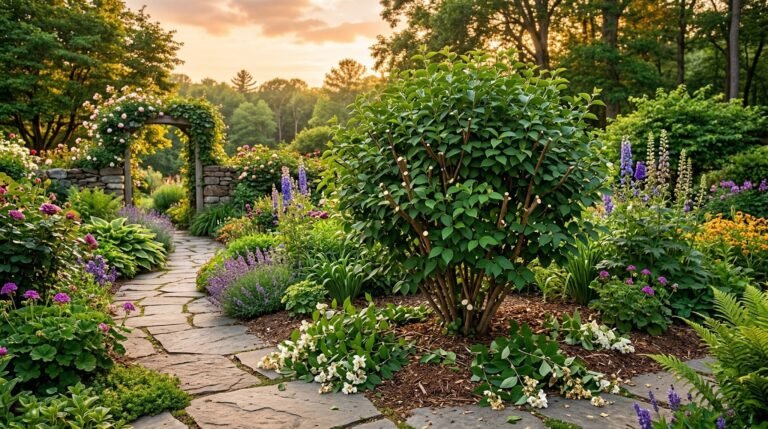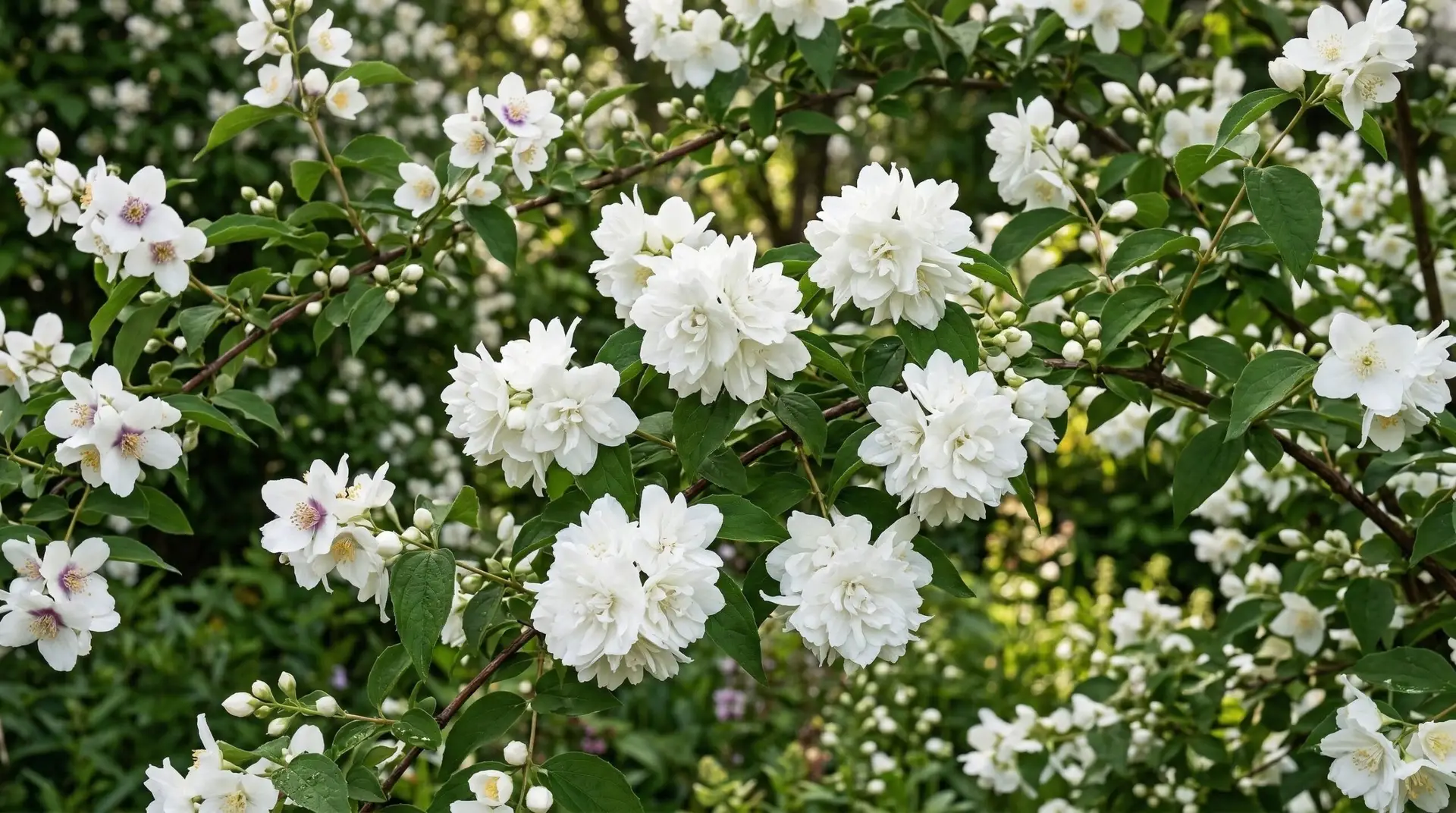
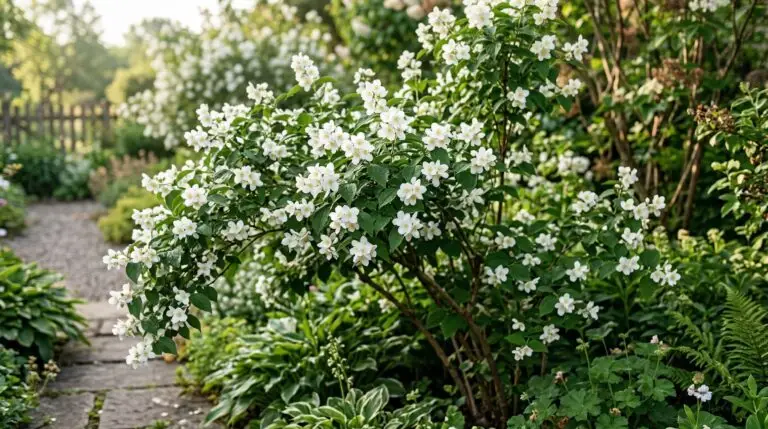
The common mock orange is a shrub that demands careful selection rather than casual planting. Walk into any basic garden center in early summer, and you will likely find rows of unnamed Philadelphus plants that grow into massive, tangled thickets with only a faint scent. If you are going to dedicate garden space to a plant that blooms for just a few weeks, you need to choose a variety that delivers an exceptional performance. The true value of this genus lies in its intoxicating, citrus-heavy fragrance that rivals the best lilac bushes in the spring garden. By ignoring the generic offerings and seeking out specific mock orange varieties, you can find plants tailored for tight spaces, striking foliage, or absolute maximum perfume.
Many historical varieties have fallen out of favor simply because modern gardeners lack the space for a shrub that reaches ten feet in every direction. Breeders have responded by introducing a wave of compact mock orange options, but sometimes these newer introductions sacrifice the very fragrance that made the plant famous in the first place. A thoughtful approach to selecting the best philadelphus requires balancing the intensity of the scent with the physical footprint the plant will occupy. I have evaluated dozens of cultivars over the years, dismissing those with weak stems, sparse blooms, or negligible fragrance. The selections detailed below represent the most reliable, distinct, and rewarding varieties available for the home garden.
The standard for intense fragrance
For gardeners who want the classic, room-filling perfume that defines this species, the variety known as Virginal remains the absolute standard. Introduced over a century ago, this heritage plant produces clusters of large, fully double white flowers that look like miniature carnations. The scent is heavy, sweet, and distinctly reminiscent of orange blossoms, carrying easily across a yard on a warm evening. You must be prepared for its size, as Virginal is a vigorous grower that routinely reaches nine feet tall and wide, often developing a somewhat leggy base over time. I recommend planting it at the back of a mixed border where smaller perennials can hide its lower branches while allowing the spectacular floral display to take center stage.
Refined choices for compact spaces
When space is limited, Snowbelle is the best compact mock orange you can plant. This Canadian introduction solves the primary flaw of older varieties by maintaining a dense, rounded shape that rarely exceeds four feet in height and width. Despite its reduced stature, Snowbelle produces an astonishing number of pure white, double flowers that completely cover the dark green foliage in early summer. The fragrance is excellent, though perhaps slightly less overpowering than Virginal, making it perfect for planting directly next to a patio or a frequently used walkway. Unlike the sprawling heritage types, this tidy shrub requires very little pruning to keep it looking intentional and well-kept throughout the growing season.
For a truly miniature option that is frequently overlooked by modern nurseries, Manteau d’Hermine offers a completely different texture. This heritage dwarf variety stays incredibly low to the ground, typically maxing out at just thirty inches tall with a slightly wider spread. The flowers are mostly double but smaller than those of Snowbelle, and they appear in such dense clusters that the plant truly looks like it is wearing a white mantle, exactly as its French name suggests. The foliage is finer and more delicate than standard mock orange varieties, giving the plant a softer appearance in the landscape even when it is not in bloom. It is an ideal choice for the front of a border or even for large container plantings where you want the classic citrus scent without the overwhelming bulk of a traditional shrub.
Varieties with visual distinction
The most common criticism of the entire Philadelphus genus is that the plants look rather dull once the short blooming period ends. The variety Aureus completely subverts this expectation by producing bright, golden-yellow foliage that holds its color beautifully in partial shade. The leaves emerge a vivid chartreuse in the spring, offering a brilliant contrast to the pure white, single flowers that carry a sharp, clean citrus scent. While it does not bloom quite as heavily as the double-flowered varieties, the golden leaves provide vital structure and light to darker corners of the garden long after the petals drop. It provides the same early color as a bright yellow forsythia, but it offers a much longer season of visual interest through its striking summer leaves.
Almost all mock orange flowers are entirely white, which makes the subtle coloration of Belle Etoile a remarkable exception. Each single white flower features a distinct maroon or magenta blotch at the very center, drawing the eye inward and providing a beautiful backdrop for the golden stamens. This French hybrid stays relatively compact, growing to a manageable five or six feet with a graceful, arching habit that looks far more elegant than the stiff, upright growth of many other types. The fragrance is exceptional, possessing a spicy undertone that sets it apart from the purely sweet scent of Virginal or Snowbelle. Because the purple centers are best appreciated up close, this is a shrub that belongs near a doorway, a gate, or a seating area where visitors can study the detailed blooms.
The top recommendation
While every plant on this list serves a specific purpose, Belle Etoile stands out as the single best mock orange for the considered garden. It achieves a perfect balance that eludes most other varieties, offering an elegant growth habit, a manageable size, and flowers that are visually interesting rather than just blankly white. The scent is complex and powerful without requiring you to sacrifice massive amounts of yard space to a tangled, overgrown thicket. Many garden guides push the heavily double, pure white varieties, but the simple, maroon-stained flowers of Belle Etoile possess a refined beauty that never feels heavy or chaotic. If you have room for only one philadelphus in your landscape, this uniquely blotched and deeply fragrant variety will provide the most rewarding experience year after year.
More About Mock Orange
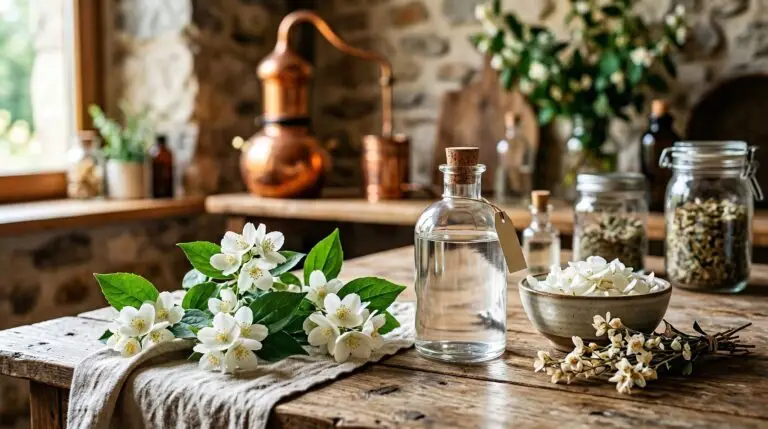
Mock orange flowers for homemade perfume and potpourri with an orange blossom scent

Companion plants for mock orange: what to grow and avoid
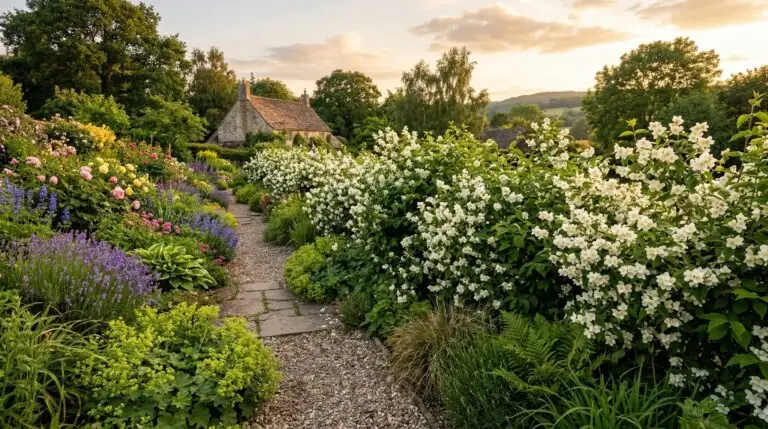
Mock orange as a fragrant hedge that fills the neighborhood with perfume in June
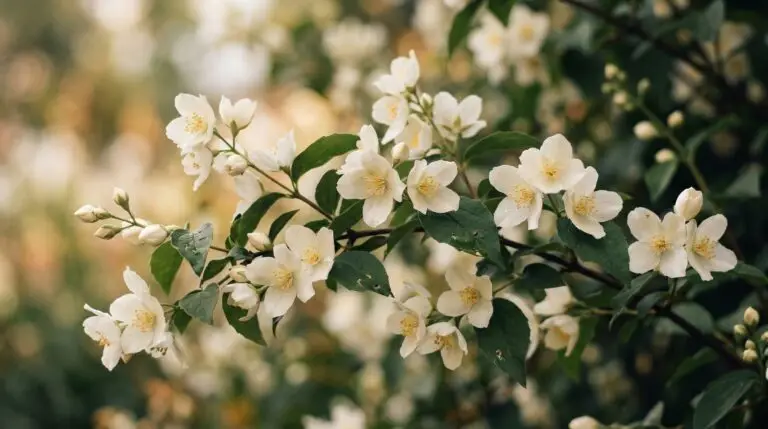
Mock orange flower meaning and why this shrub has fooled people into thinking it is an orange tree
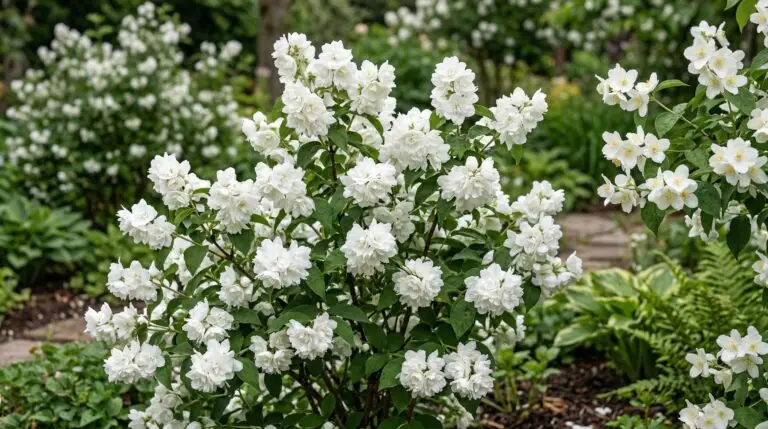
Dwarf mock orange varieties for small gardens that still deliver incredible fragrance
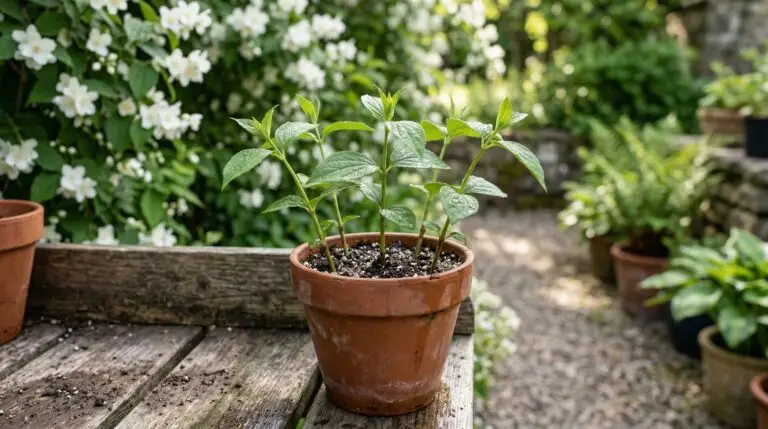
How to propagate mock orange from cuttings for free new shrubs from your favorite plant
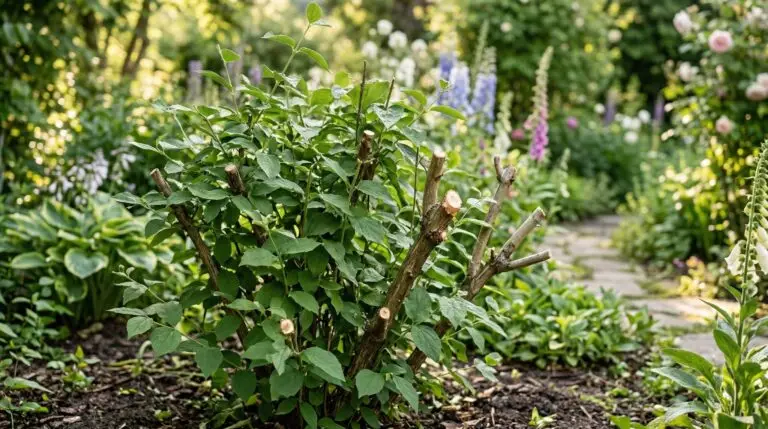
Why mock orange is not flowering and the common reasons this shrub refuses to bloom
How to grow mock orange for intoxicating citrus-scented white blooms in early summer