Every successful garden begins with an honest assessment of local climate conditions. The techniques that yield massive spring displays in Zone 4 Minnesota will routinely fail when applied to Zone 9 Florida. Growing a bearded iris requires specific environmental triggers that are naturally abundant in temperate climates but scarce in hot southern regions. These plants evolved to experience cold winters, moderate spring moisture, and dry summer dormancy. When gardeners attempt to grow bearded iris in hot climates, they immediately encounter a clash between the plant’s genetic programming and the reality of southern weather patterns. Success in the South depends entirely on recognizing these regional differences and actively modifying the growing environment to compensate for intense heat, heavy rainfall, and high humidity.
Meeting winter chill requirements in southern zones
Bearded irises require a specific period of winter dormancy induced by consistently cold temperatures to form their spring flower buds. In the upper Midwest and Northeast, the frozen ground naturally provides these necessary chill hours without any intervention from the gardener. However, gardeners in USDA Zones 8 and 9 face mild winters where temperatures frequently fluctuate and rarely stay cold enough to trigger proper dormancy. Without adequate winter chilling, a bearded iris will produce abundant green foliage but completely fail to develop flower stalks. Southern gardeners can manipulate this requirement by selecting specific heat-tolerant varieties that have been bred to require fewer chill hours. Many reblooming irises perform better in mild winter regions because their genetic makeup relies less on a strict cold period to initiate bloom cycles. Planting rhizomes in microclimates that trap cold air, such as low-lying open areas away from heat-retaining brick walls, can also help accumulate the necessary chilling hours during a mild southern winter.
Defeating rhizome rot in the humid southeast
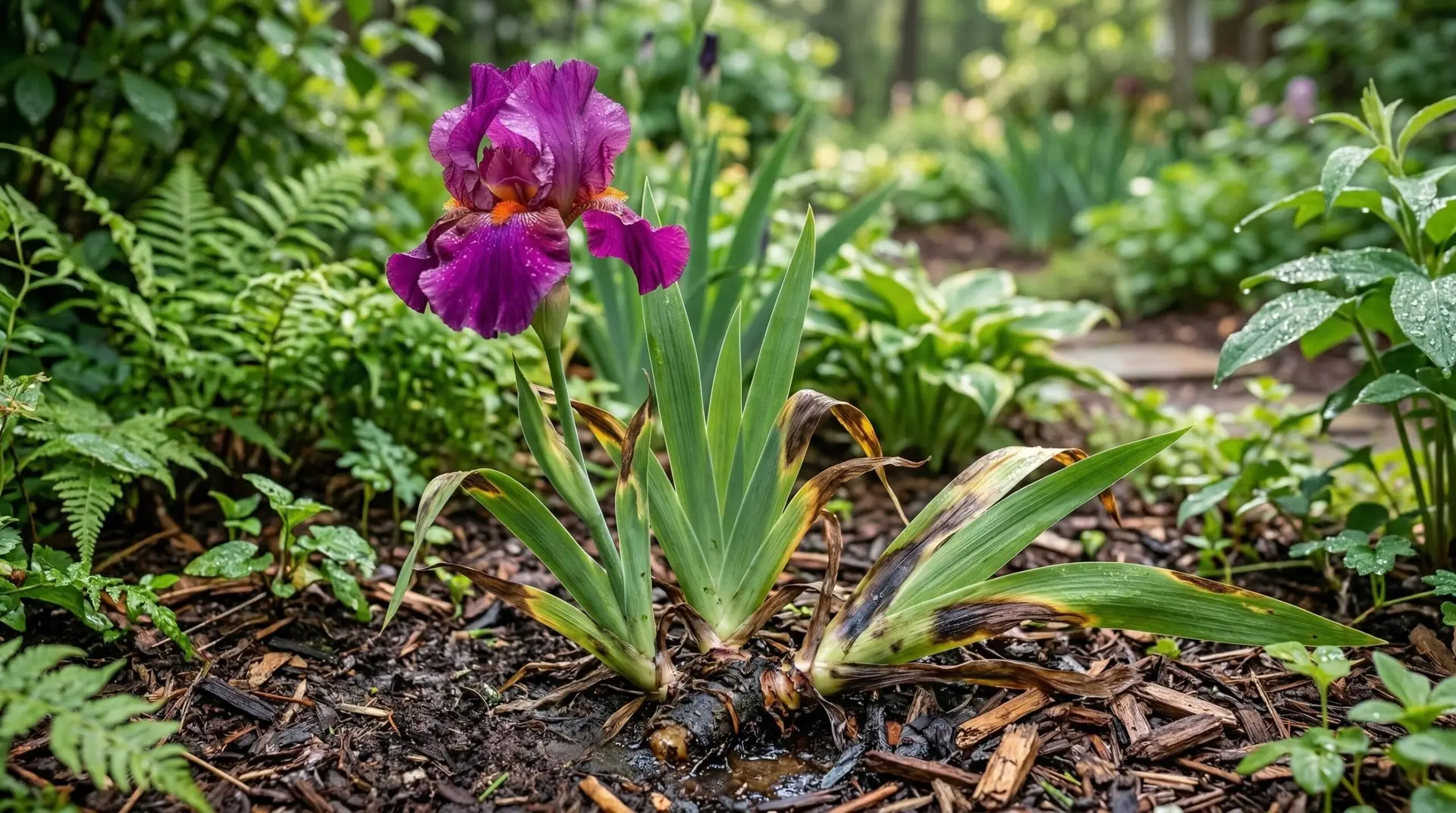
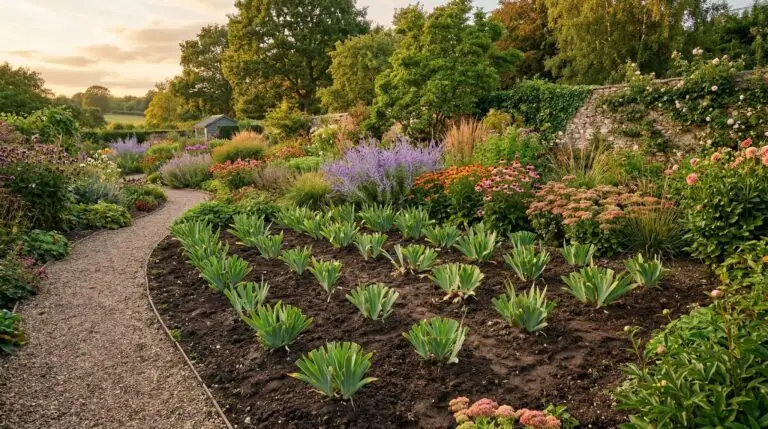
The humid Southeast presents the most hostile environment for traditional bearded irises because of the combination of high summer temperatures and relentless moisture. In regions like the Gulf Coast and the Carolinas, heavy summer thunderstorms saturate the soil precisely when bearded irises prefer to enter a dry summer dormancy. This combination of hot soil and constant moisture creates the perfect breeding ground for bacterial soft rot, which can turn a healthy rhizome into foul-smelling mush in a matter of days. To survive these conditions, southern gardeners must abandon the standard planting advice of placing rhizomes at soil level. Instead, building elevated raised beds is an absolute necessity to ensure rapid drainage after heavy southern downpours. Mixing coarse sharp sand or expanded shale into the native soil further improves water movement away from the fleshy rhizomes. Gardeners in high-humidity zones must also space their plants much further apart than northern growers to maximize air circulation and allow the morning sun to dry the foliage quickly.
Managing intense sunlight and extreme summer heat
While bearded irises are universally classified as full-sun plants in northern climates, the intensity of the southern sun requires a different approach. In the dry heat of the Southwest and the oppressive late-summer swelter of the Deep South, eight hours of direct, unfiltered sunlight will scorch the foliage and bake the shallow rhizomes. Gardeners in these intensely hot regions must utilize microclimates to protect their plants during the most brutal part of the day. Planting irises on the eastern side of a house or utilizing the dappled shade of high-canopy trees provides essential relief from the scorching afternoon sun while still delivering enough morning light for photosynthesis. Unlike northern gardeners who can safely leave rhizomes completely exposed to the sun, southern growers often need to apply a very thin layer of coarse sand over the rhizomes to prevent them from literally cooking in the July heat. This protective layer must be extremely porous to prevent trapping moisture, balancing the need for heat protection with the absolute requirement for dry rhizomes.
Adapting to regional soil chemistry
Soil composition varies dramatically across different hot climates, forcing gardeners to adjust their amendment strategies based on their specific geographic location. Across the Southwest, soils are typically highly alkaline and deficient in organic matter, which interferes with the ability of the bearded iris to absorb necessary nutrients. In these arid alkaline regions, gardeners must regularly incorporate agricultural sulfur to lower the pH closer to the slightly acidic 6.5 range that these plants prefer. Conversely, the heavy red clay soils of the Southeast are often highly acidic and severely compacted, requiring entirely different interventions. Southern clay must be heavily amended with compost and gypsum to break up the dense soil particles and prevent water from pooling around the roots. Understanding your local soil chemistry allows you to apply the correct amendments rather than relying on generic fertilizer advice that might actually worsen your specific regional soil conditions.
Selecting appropriate regional alternatives
Sometimes the local environment simply cannot be modified enough to support a specific plant without constant, exhausting intervention. When extreme humidity, lack of winter chill, or relentless heat makes growing traditional bearded irises too difficult, southern gardeners can pivot to species that actually thrive in those exact conditions. The native Louisiana iris evolved specifically in the swamps and wet margins of the Gulf South, making it completely immune to the moisture and rot issues that destroy bearded varieties. For gardeners who want the large, colorful blooms but cannot provide the necessary dry dormancy, a daylily offers similar visual impact with virtually no susceptibility to southern heat or humidity. Likewise, incorporating a canna lily into the garden provides massive tropical foliage and bright flowers that actively consume the heavy summer rainfall that bearded irises despise. Selecting plants that naturally want to grow in your specific regional conditions eliminates the need for extreme soil modification and constant disease monitoring.
The most successful gardens are built by working with the local environment rather than fighting a constant battle against it. Every region has its own specific combination of rainfall, temperature extremes, and soil chemistry that dictates how plants will behave. Adapting general growing instructions to fit your exact climate zone is the true foundation of horticultural success. When you understand the specific environmental pressures of your region, you can make informed decisions about soil preparation, plant placement, and species selection. Recognizing and respecting the physical limitations of your local climate ultimately leads to a healthier garden and a much more rewarding experience with the plants you choose to grow.
More About Bearded Iris
Why bearded iris stops blooming and the six most common causes
Tall bearded iris versus dwarf bearded iris and choosing the right size for your garden
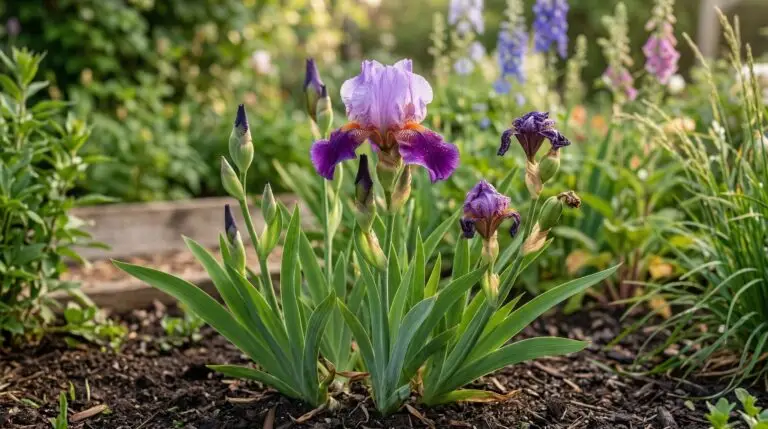
How to identify and prevent iris borer the most destructive bearded iris pest
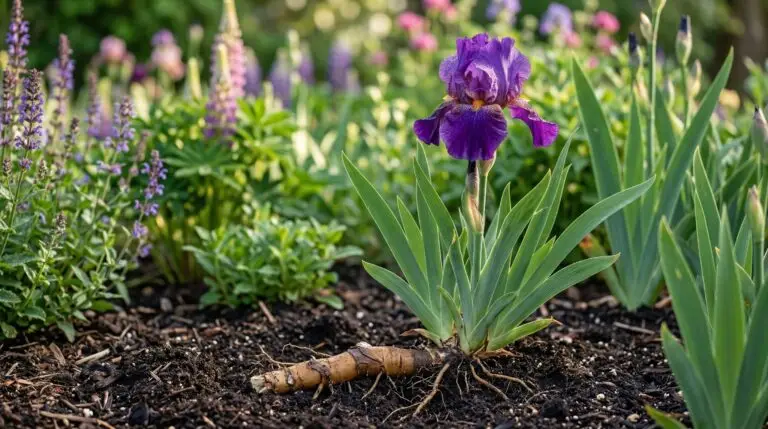
How to plant bearded iris rhizomes for a stunning spring flower show
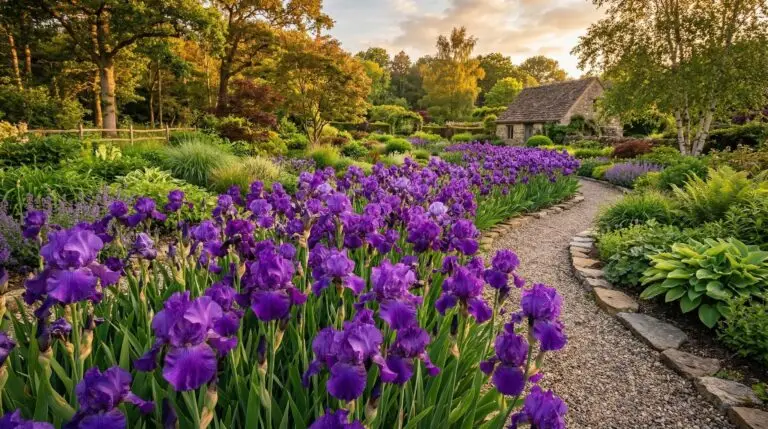
Bearded iris color combinations and how to design a rainbow iris bed
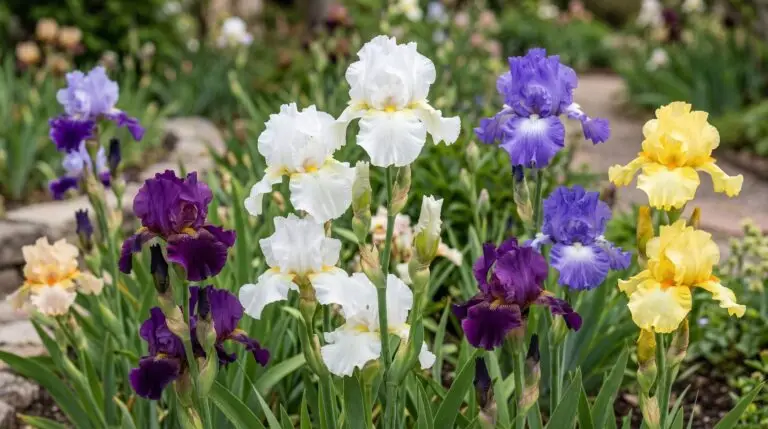
Reblooming bearded iris varieties that flower twice in a single growing season
Dividing bearded iris in summer for healthier plants and more blooms next spring
Using bearded iris as cut flowers for elegant spring bouquets and arrangements