The reality of reblooming genetics
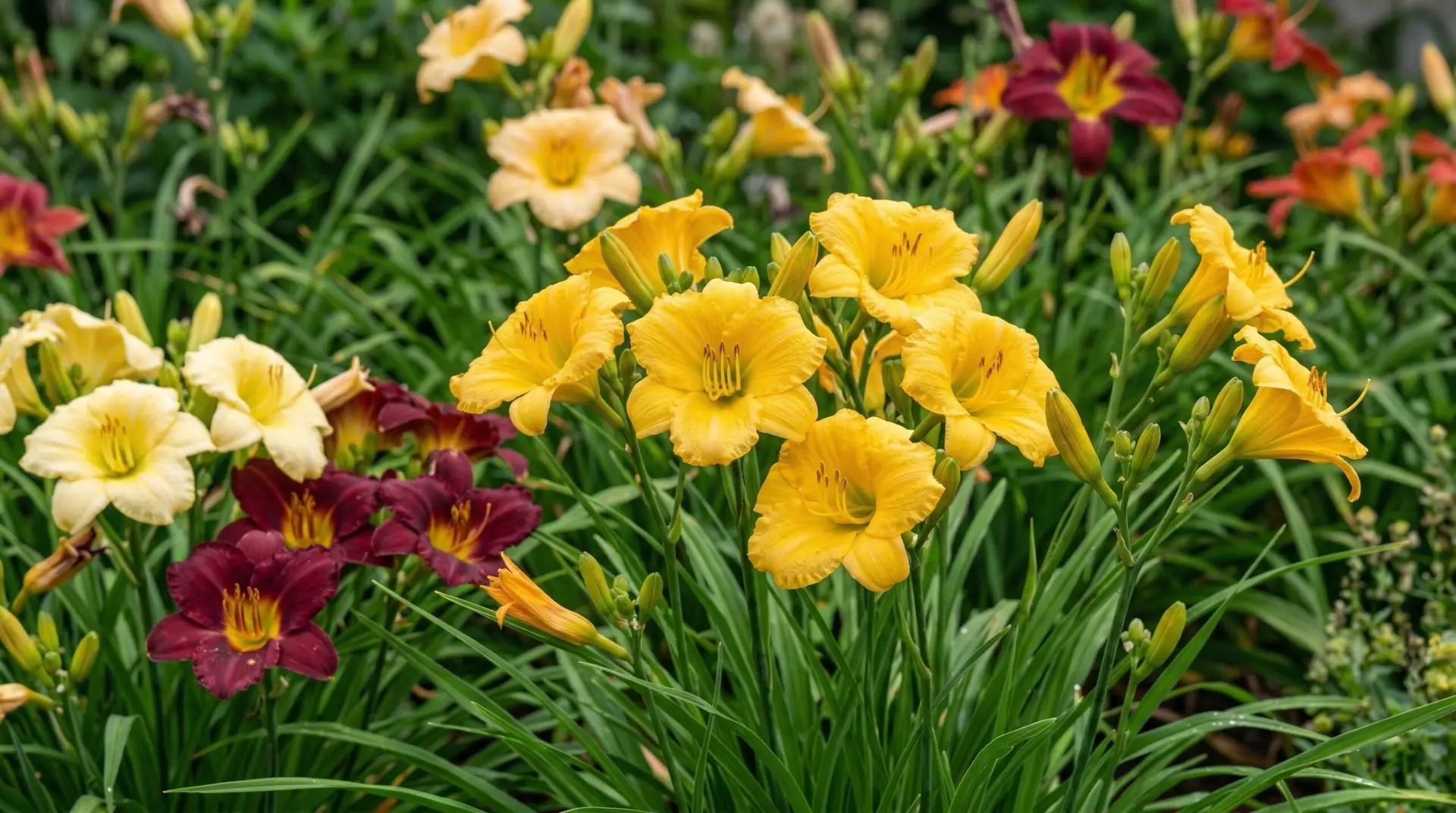
The vast majority of registered daylily cultivars offer a single flush of flowers that lasts about three weeks before fading away for the year. Gardeners looking for continuous color often find themselves frustrated when their carefully selected plants shut down by mid-July. To get a daylily to bloom all summer, you have to select varieties bred specifically with remontant, or reblooming, genetics. These specialized plants do not just produce one set of flower stalks in the spring. They are genetically programmed to send up successive waves of scapes from June through September, provided they receive the right care. Choosing the best daylily varieties for continuous bloom means ignoring thousands of beautiful but short-lived options and focusing entirely on a few proven performers.
Understanding how these plants operate helps clarify why they need different treatment than standard perennials. A traditional spring bloomer like an iris puts all its stored energy into one massive display and then spends the rest of the summer resting and gathering strength for the next year. Reblooming daylilies operate on a constant cycle of consumption and production. They manufacture energy through their foliage and immediately convert it into new flower buds. This biological imperative to keep reproducing gives us four months of flowers. It also means the gardener has to step in to manage the plant’s energy output to prevent it from exhausting itself before autumn arrives.
Curated selections for continuous color
Any discussion of continuous blooming daylilies has to address Stella de Oro. This miniature golden-yellow variety is planted in nearly every commercial parking lot and highway median across the country. Many garden guides recommend it automatically because it is nearly impossible to kill and produces flowers relentlessly. I often find its particular shade of egg-yolk yellow difficult to integrate into a refined garden palette. It tends to clash with the softer pastels and deep jewel tones that dominate mid-summer perennial borders. However, its sheer reliability makes it impossible to exclude from a list of the best rebloomers, even if it lacks the subtlety most home gardeners prefer.
For a yellow rebloomer that plays well with other plants, Happy Returns is a far superior choice. Bred by the highly regarded Darrel Apps, this variety took the continuous blooming genetics of Stella de Oro and refined them into a much softer, lemon-yellow flower. The blooms are slightly larger and held on scapes that rise cleanly above the grassy foliage. Because the color is a cool yellow rather than a warm gold, it acts as a bridge between other colors in the garden rather than fighting for dominance. Happy Returns will begin blooming in late May or early June in most climates and will reliably push up new scapes until the first frost. It offers all the durability of the commercial landscape varieties but brings a necessary elegance to the residential garden.
Finding a true red daylily that reblooms consistently requires careful selection, as many reds tend to bake in the sun or stop blooming after July. Pardon Me fills this gap perfectly with its deep cranberry-red petals and contrasting bright yellow throat. It is a miniature variety, keeping its foliage compact while sending its flower stalks up to eighteen inches high. The dark pigmentation of the petals holds up remarkably well under the intense August sun, resisting the faded, papery look that ruins many dark-colored daylilies. It generally takes a brief pause in late July before launching into a heavy second flush of flowers that carries it straight through September.
Pink daylilies are notorious for looking muddy or peach-toned, but Rosy Returns breaks that rule while offering continuous bloom. This variety produces clear, rose-pink flowers with a deep magenta eyezone and a yellow throat. It was the first pink daylily to achieve the same relentless blooming cycle as the yellow classics. The flowers are highly fragrant and open fully even on cooler mornings. Planting Rosy Returns near a late-summer staple like a purple coneflower creates a reliable, low-maintenance combination that requires very little intervention. It proves that you do not have to sacrifice complex coloration to get a plant that works hard all season.
Cultural practices to force the second act
The genetic capacity to rebloom is only half the equation for getting flowers from June through September. Seed production is the absolute enemy of continuous flowering. When a daylily flower fades, the plant immediately attempts to form a seed pod at the base of the spent bloom. If you allow these pods to develop, the plant will divert its energy away from forming new flower scapes and channel it into maturing the seeds. You must snap off the spent blooms and the tiny green pods every few days to force the plant back into flower production. Once a scape has finished opening all its buds, you need to cut the entire stalk down to the crown. This is very different from managing a true lily, where you leave the main stalk intact to gather energy for the bulb.
Fueling four months of continuous flower production requires strict attention to soil nutrition and moisture. A single application of balanced fertilizer in the spring is sufficient for early bloomers, but it will not sustain a reblooming daylily through August. You need to apply a slow-release granular fertilizer in early spring and follow up with a second, lighter application in mid-July just as the first massive flush of flowers begins to wane. Water is equally critical during the hottest months of the year. If a reblooming daylily experiences drought stress in August, it will enter a state of summer dormancy to protect itself, abandoning any attempts to produce more flowers. Providing one inch of water per week ensures the plant has the turgor pressure necessary to push up its late-season scapes.
The definitive choice for the summer garden
When evaluating all the available reblooming varieties, Happy Returns stands out as the single best investment for the summer garden. While Stella de Oro might hold the title for sheer ubiquity, Happy Returns offers a much more versatile flower on a plant that is just as tough. The clear lemon-yellow color works in almost any design scheme, illuminating darker corners of the garden and blending easily with both warm and cool color palettes. It requires no staking, resists common foliage diseases, and responds aggressively to basic deadheading and feeding. If you have space for only one daylily to carry your garden through the long stretch from June to September, Happy Returns will deliver consistent, elegant flowers without fail.
More About Daylily
Growing daylilies in containers for small spaces and apartment balcony gardens
Daylily flower meaning and why each bloom lasts only one beautiful day
Daylilies versus true lilies and understanding the differences that matter for your garden
How to divide overgrown daylily clumps for healthier plants and more blooms
Collecting daylilies and the world of hybridizing with over 90000 named varieties
Using daylilies for erosion control on slopes and banks where nothing else grows
Edible daylilies from garden to plate and how to cook with hemerocallis flowers
Daylily rust and other common problems and how to keep your plants healthy