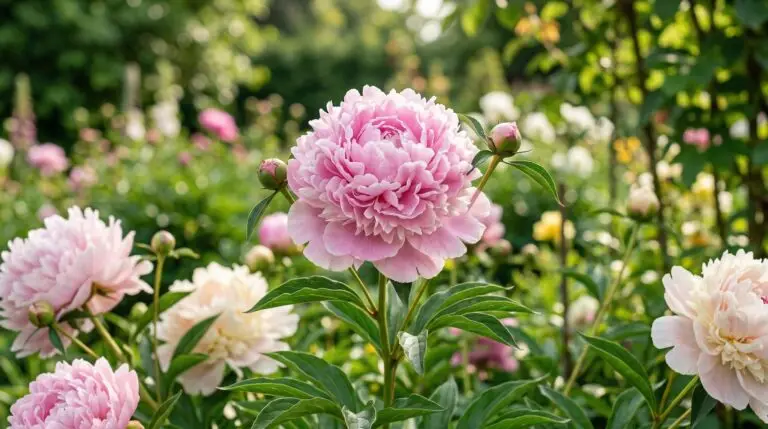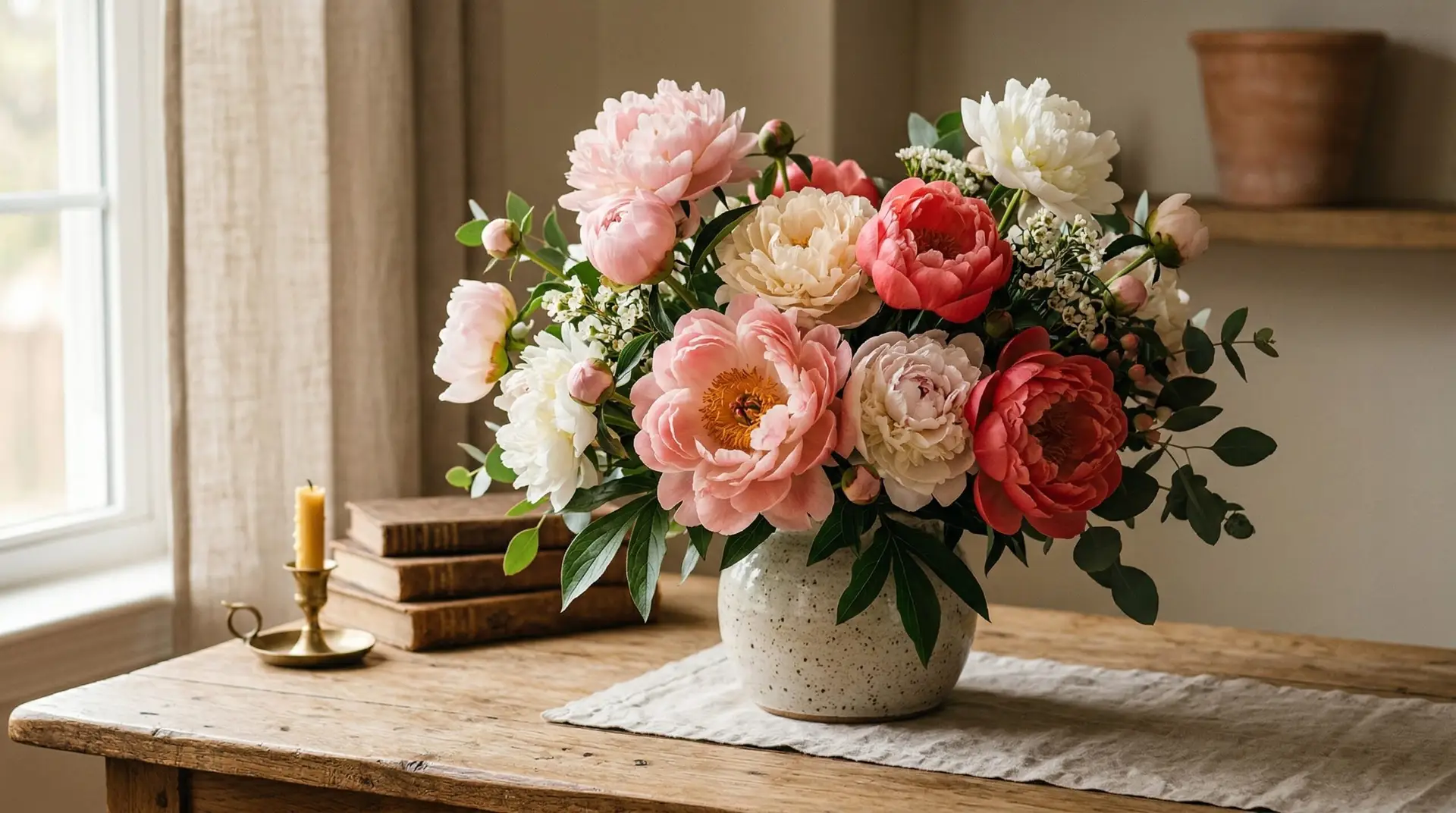
The early morning air in a floral design studio carries a specific, sweet fragrance when spring gives way to summer. On the worktables, buckets of tight, spherical buds wait for their moment to open into a favorite wedding flower. A florist will gently massage the green sepals, coaxing the tightly packed petals to unfurl just in time for a weekend ceremony. When fully open, a single bloom can reach the size of a dessert plate, heavy with ruffled layers of silk-like tissue. This dramatic transformation makes the peony wedding aesthetic a frequent request among couples planning their celebrations. Holding a peony bridal bouquet feels like carrying a cloud of soft, fragrant color down the aisle. The sheer volume and romantic texture of these blooms create an atmosphere of quiet elegance that few other flowers can achieve.
Most gardeners discover early on that these herbaceous perennials demand patience and very specific growing conditions to thrive. Florists know this reality just as intimately, navigating the unpredictable nature of a crop entirely dependent on the whims of spring weather. A sudden heatwave can force an entire field to blow open overnight, while a late frost might damage the delicate buds before they ever color up. This tension between high demand and agricultural vulnerability forms the foundation of the premium market surrounding peony wedding flowers.
The fleeting window of local harvest
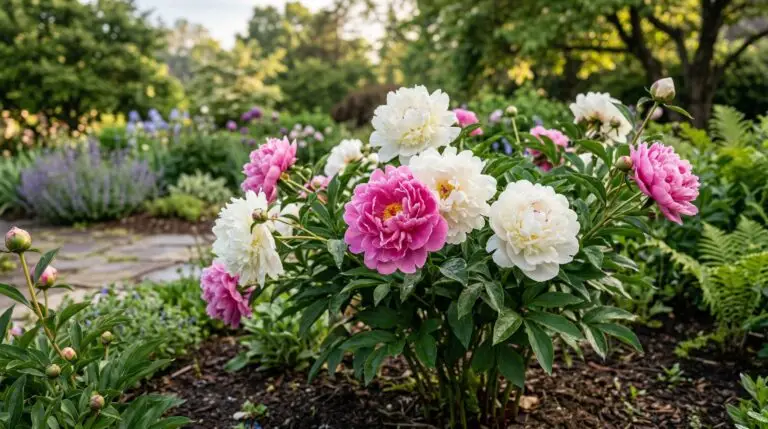
The natural blooming season for these massive flowers lasts barely three weeks in most growing zones across the United States. This incredibly narrow window usually falls between late May and middle June, depending heavily on the specific latitude and daily temperatures. Couples planning a spring wedding often base their entire date selection around this brief period of local availability. During these few weeks, flower markets overflow with varieties including pure white single forms and densely packed magenta doubles. The stems arrive from local farms with their leaves still crisp and the buds showing just a crack of color. Designers must carefully time the hydration process, moving buckets in and out of floral coolers to ensure the blooms reach peak openness exactly on Saturday afternoon. When a flower is only available for twenty-one days out of the year, its presence at a celebration feels like a rare event.
Outside of this brief local window, sourcing the flowers becomes an exercise in global logistics and significant expense. Wholesalers rely on a rotating map of international growers to supply the wedding industry during the off-season. Late summer brings shipments from the cool climates of Alaska, while winter weddings rely on imports from the Southern Hemisphere, primarily New Zealand and Chile. These long-distance journeys require cutting the stems extremely tight and shipping them dry in temperature-controlled cargo planes.
The reality of pricing a premium stem
Understanding the cost per stem requires a look at the actual plant growing in the dirt. A newly planted bare root needs three to five years of undisturbed growth before a farmer can harvest a commercial-quality flower. Even a mature, healthy plant might only produce ten viable stems per season, making the yield per acre remarkably low compared to other cut flowers. The harvest itself is intensely manual labor, requiring workers to walk the rows multiple times a day to cut each stem at the precise marshmallow-like stage of bud softness. Once cut, the stems must be immediately chilled to halt the opening process, demanding expensive cold storage infrastructure. All these agricultural realities compound to create a wholesale price that easily triples the cost of standard wedding flowers. By the time a florist accounts for shipping, processing, and the inevitable loss of stems that fail to open, the retail price per bloom reflects years of careful cultivation.
The premium price tag often requires couples to make strategic decisions about their floral budget. Many designers suggest concentrating the most expensive blooms in highly photographed elements, like the bridal bouquet or sweetheart table arrangements. The rest of the event spaces might use complementary, less expensive flowers that mimic the color palette and soft textures. This approach allows couples to experience their favorite flower up close without multiplying the premium cost across dozens of guest tables.
Finding seasonal substitutes with romantic appeal
When the desired flower is entirely out of season or stretches the budget too far, florists turn to reliable alternatives that deliver a similar aesthetic. The most common substitute is the deeply ruffled garden rose, which offers year-round availability and a nearly identical cup shape. Certain varieties of these roses open to reveal dozens of swirling center petals, providing the same visual weight and romantic softness. Another excellent option for early spring weddings is the ranunculus, specifically the larger varieties developed by specialty breeders. These tightly layered blooms possess a tissue-paper delicacy that mimics the opening stages of our premium spring favorite. By mixing these different flowers together, designers can build a lush, textural arrangement that satisfies the desire for a soft, romantic atmosphere.
For couples marrying in the late summer or autumn months, the seasonal shift brings a different but equally voluminous option to the cutting garden. The dinnerplate dahlia emerges just as the spring perennials go dormant, offering massive blooms that easily fill the visual space of a large bridal bouquet. While they lack the sweet fragrance of early summer flowers, their complex petal structures and wide range of muted, earthy colors make them perfect for fall celebrations. Nature always provides an alternative for those willing to embrace the flowers currently blooming in their specific season.
There is something satisfying about accepting the natural limits of a growing season rather than fighting against them. A flower that blooms for only three weeks carries a specific kind of magic, reminding everyone present that this exact moment in time is temporary and special. The heavy, fragrant heads of late spring blooms eventually drop their petals, leaving a soft blanket of color on the ground. This ephemeral quality is exactly what makes them so appropriate for a ceremony marking a specific day of commitment. The memory of holding those heavy, silk-petaled stems remains long after the actual flowers have faded. A garden teaches us that true beauty is often brief, and capturing it for a single afternoon is a luxury entirely worth the wait.
More About Peonies
Best peony varieties from classic Sarah Bernhardt to trendy Coral Charm
Peony flower meaning and why this bloom represents romance prosperity and good fortune
Why peonies fail to bloom and the planting depth mistake that keeps them flowerless
Companion plants for peonies that extend the beauty season beyond peony’s brief moment
Why peonies need ants and the truth about the ant myth that refuses to die
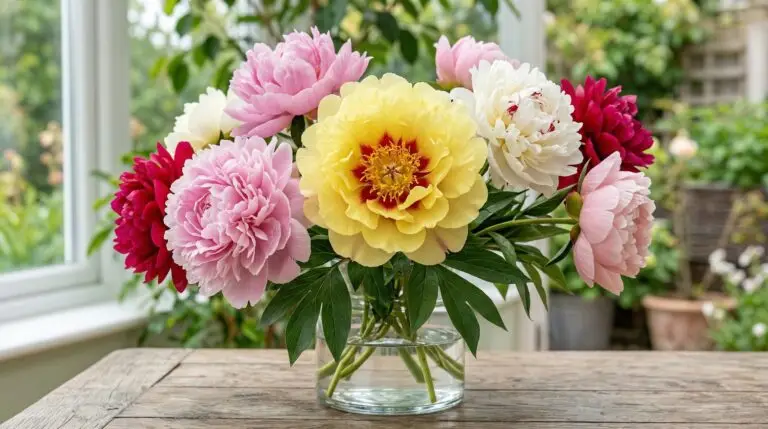
Itoh peonies the hybrid breakthrough that gives the best of both herbaceous and tree peonies
Growing peonies in warm climates and the chill-hour challenge in zones 8 and above
How to grow peonies for lush romantic blooms that last a lifetime in your garden