The genus Jasminum contains hundreds of species, but a gardener looking for the classic scent and reliable growth only needs to consider a handful. Many nurseries sell plants under the name jasmine that lack the characteristic fragrance or fail to thrive outside of tropical zones. By filtering out the temperamental greenhouse specimens and the weakly scented varieties, we can focus on a few distinct types of jasmine that actually perform well in cultivation. The goal is to match the right jasmine varieties to your specific growing conditions, whether you need a hardy vine for a cold climate or an intensely fragrant container plant for a summer patio. I have excluded several common but inferior species from this selection. Instead, I chose plants that offer clear advantages in scent, hardiness, or visual structure. Selecting a jasmine is fundamentally about understanding your climate limitations and deciding exactly when and where you want to experience that famous perfume.
True jasmines for classic fragrance
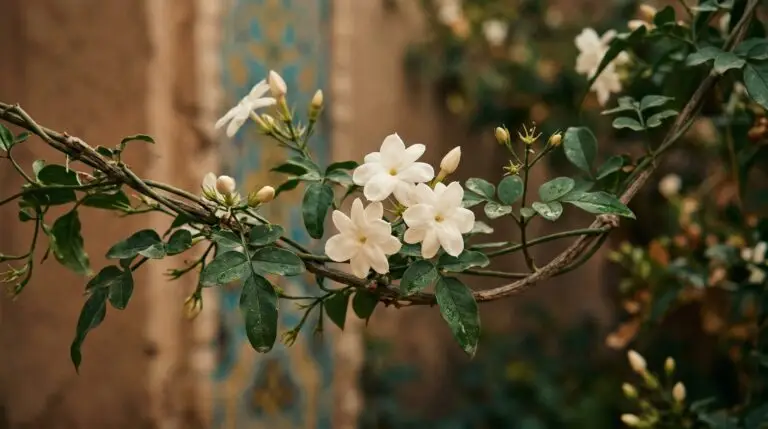
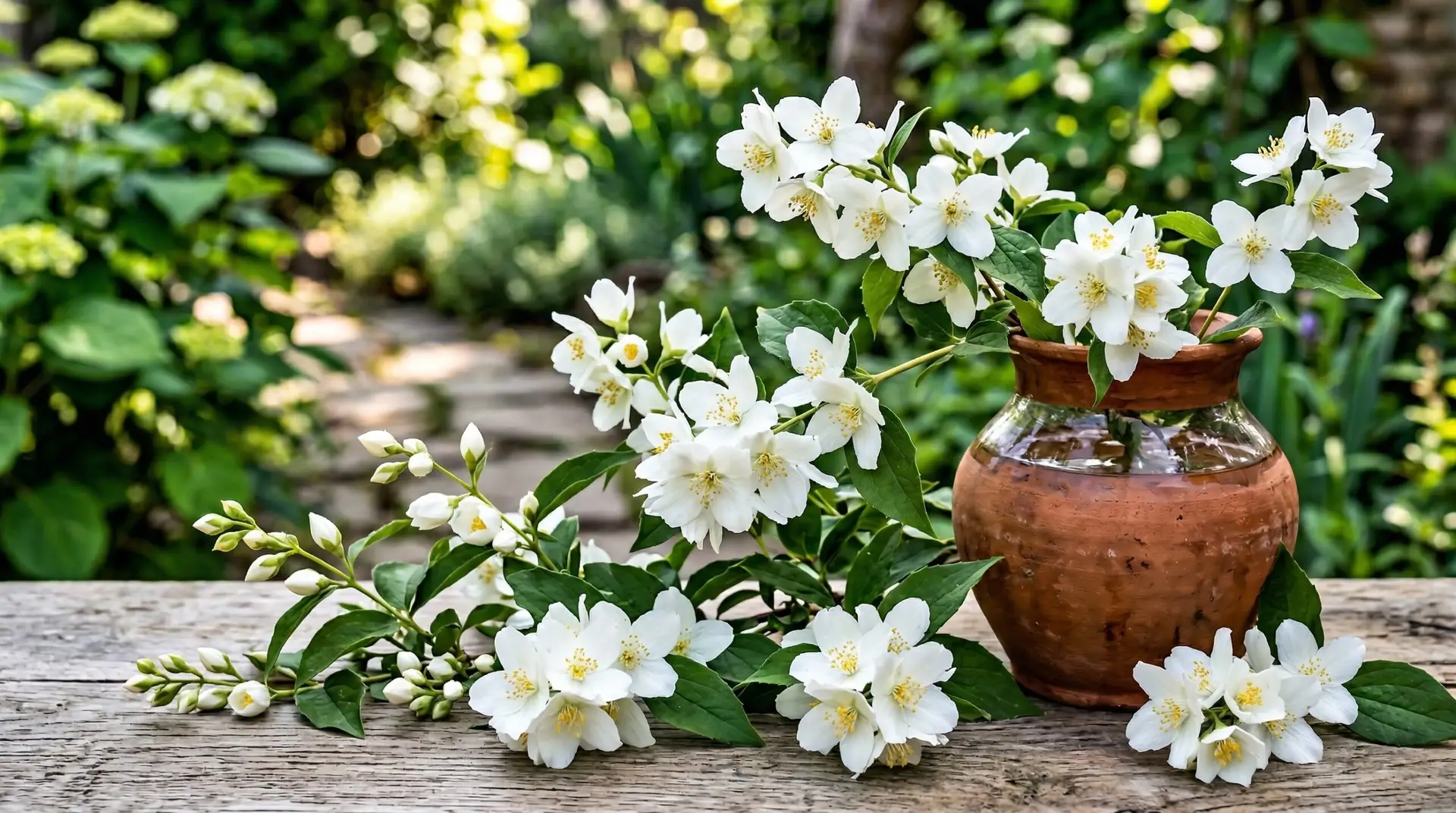
The benchmark for true jasmine scent in temperate gardens is Jasminum officinale, commonly known as poet’s jasmine or common jasmine. This vigorously growing vine produces clusters of small white flowers from midsummer into early autumn, releasing a sharp, sweet fragrance that carries easily on the evening air. It is one of the most cold-tolerant of the fragrant true jasmines, surviving outdoors down to United States Department of Agriculture zone 7 with some winter protection. Gardeners in colder regions can grow it in a large container and move it into an unheated garage during the freezing months. The foliage is deciduous and somewhat sparse, meaning the plant looks best when allowed to scramble through a more robust evergreen shrub or along a wooden fence where its bare winter stems are less noticeable. If you want the traditional jasmine perfume in a garden setting outside the deep South or California, this is the most reliable species to plant.
For pure intensity of fragrance, Jasminum sambac, or Arabian jasmine, is the superior choice. The scent is heavier and more complex than common jasmine, sharing the thick, intoxicating quality found in a blooming gardenia flower. This evergreen shrub produces waxy white blossoms that open at night, and it is the species traditionally used to flavor jasmine tea. Because Arabian jasmine is strictly tropical and will perish in temperatures below freezing, most American gardeners must treat it as a dedicated container plant. It requires high humidity and warm soil to bloom well, often struggling in dry indoor air if brought inside too early in the fall. Despite these demands, the sheer quality of the perfume makes it worth the effort of moving the pot outdoors in late spring and back indoors before the first frost.
Winter interest and indoor bloomers
Many guides ignore Jasminum nudiflorum because it lacks the signature scent associated with the genus. I include winter jasmine here because it fills a specific and difficult role in the landscape by blooming profusely in the dead of winter. The bright yellow, tubular flowers appear on bare green stems as early as January, bringing color to the garden when almost nothing else is active. It is exceptionally cold hardy, surviving easily in zone 6 and often pushing into zone 5 if planted against a warm, south-facing wall. The plant behaves more like a scrambling shrub than a true climbing vine, making it highly effective for stabilizing steep banks or spilling over retaining walls. You can even encourage it to cascade over the edge of a large raised planter for a dramatic weeping effect. While you will not get any perfume from this species, its reliability and unusual bloom time make it a highly valuable structural plant for cold climates.
If you want fragrance during the winter months, Jasminum polyanthum is the proper selection. Often sold as pink jasmine, this fast-growing vine is characterized by its dark pink buds that open into highly fragrant, star-shaped white flowers in late winter and early spring. It is the best true jasmine for indoor cultivation, frequently appearing in garden centers trained around circular wire hoops just as the buds begin to swell. To trigger its blooming cycle, the plant requires a period of cool autumn nights with temperatures dropping into the fifties, followed by bright, cool conditions indoors. Without this chill period, it will produce rampant vegetative growth but completely fail to flower. In frost-free zones 8 through 10, it grows aggressively outdoors and can quickly cover a large trellis or pergola, though its tendency to become a tangled mess requires strict annual pruning.
The imposter that earns its place
A curated list of best jasmine plants must address star jasmine, formally known as Trachelospermum jasminoides. This plant is not a member of the Jasminum genus at all, but it is often the exact plant gardeners are looking for when they request a fragrant evergreen vine. I recommend it highly over many true jasmines because it offers year-round glossy foliage and a massive flush of heavily scented white flowers in late spring. It is much more versatile in its growth habit than most true jasmines, capable of growing as a dense groundcover, a clipped hedge, or a climbing vine depending on how you train it. While a true jasmine might require careful tying, star jasmine twines readily up supports, much like a vigorous clematis vine. It is hardy in zones 8 through 10 and tolerates drought, poor soil, and partial shade far better than the more delicate Arabian or common jasmines.
When weighing hardiness, fragrance, and overall garden performance, Jasminum officinale remains my top recommendation for a true jasmine. It strikes the best balance between providing the authentic, bright jasmine perfume and surviving the winter conditions found in a large portion of the country. Arabian jasmine has a heavier scent but demands too much winter coddling for the average gardener, while pink jasmine often frustrates indoor growers who cannot provide the exact temperature drops needed for flowering. Star jasmine is an excellent landscape plant, but it simply does not deliver the precise olfactory notes of a true Jasminum species. Common jasmine asks very little of the gardener once established, asking only for decent drainage and a sturdy support to climb. By planting it near a patio or an open window, you guarantee that its classic scent will define your midsummer evenings year after year.
More About Jasmine flower
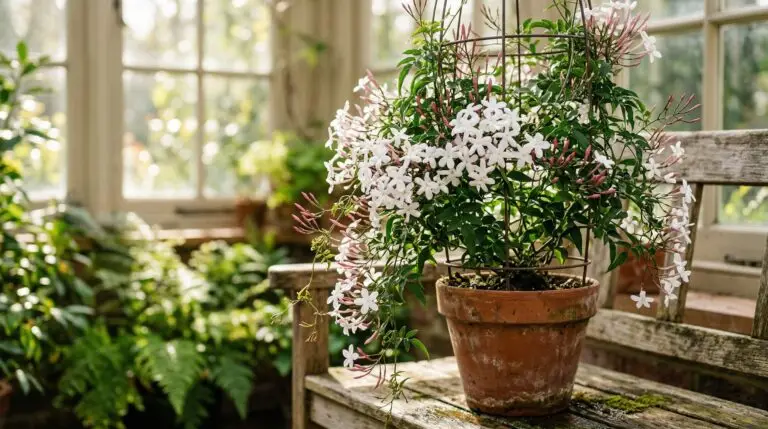
Growing jasmine indoors for fragrant winter blooms from a houseplant vine
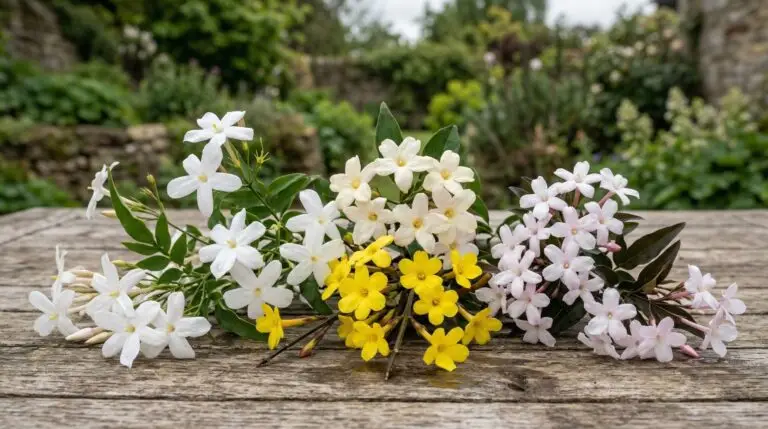
Winter jasmine for cheerful yellow flowers on bare branches in the coldest months
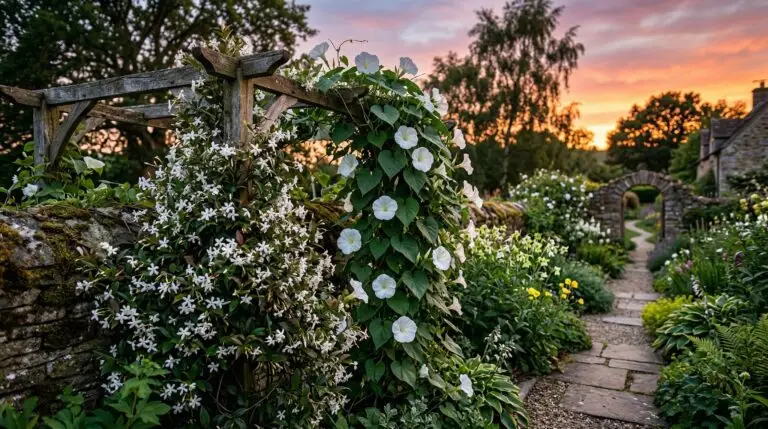
Companion plants for jasmine: what to grow and what to avoid
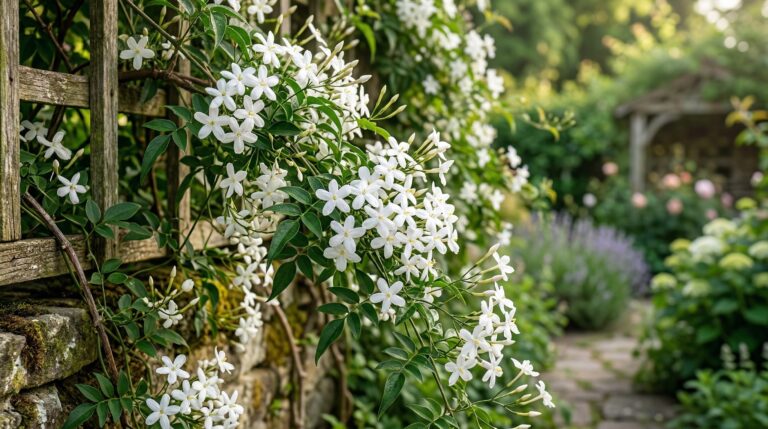
How to grow jasmine for intoxicating evening fragrance that fills the entire garden
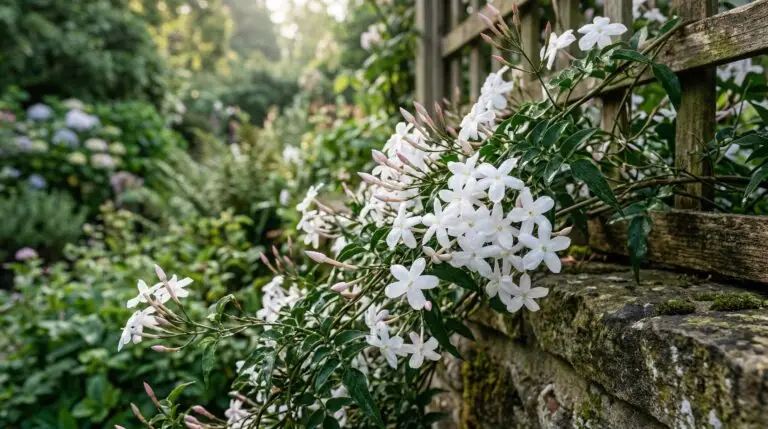
Why jasmine is not blooming and the cold night temperatures it needs to set buds
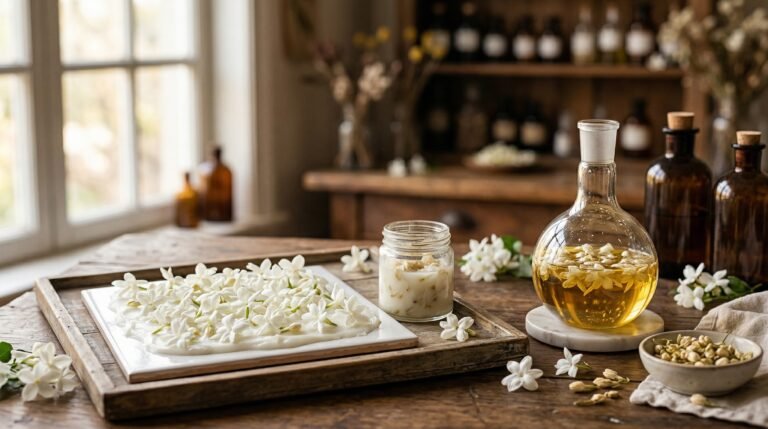
Jasmine essential oil and why this is one of the most precious fragrances on earth
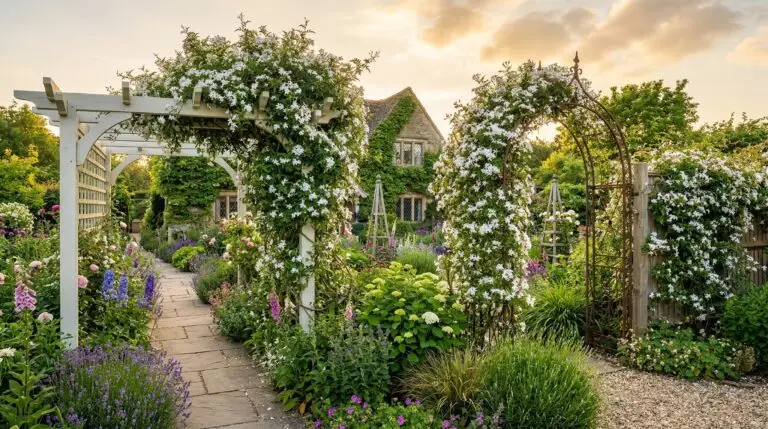
Training jasmine vines on arbors trellises and pergolas for fragrant garden structures
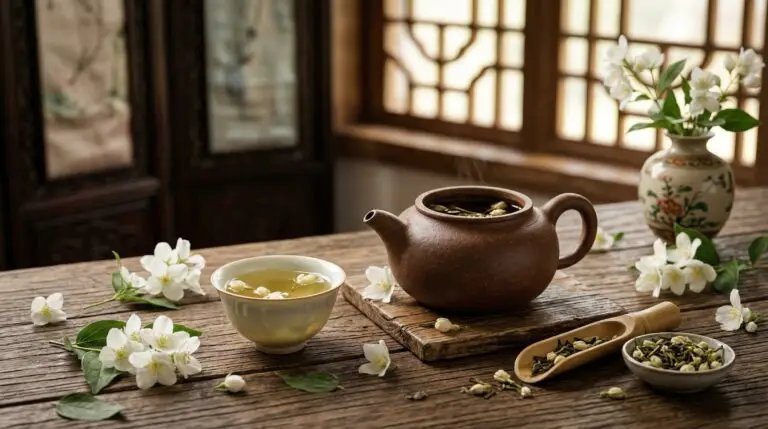
Jasmine tea and the ancient art of scenting tea leaves with fresh jasmine flowers