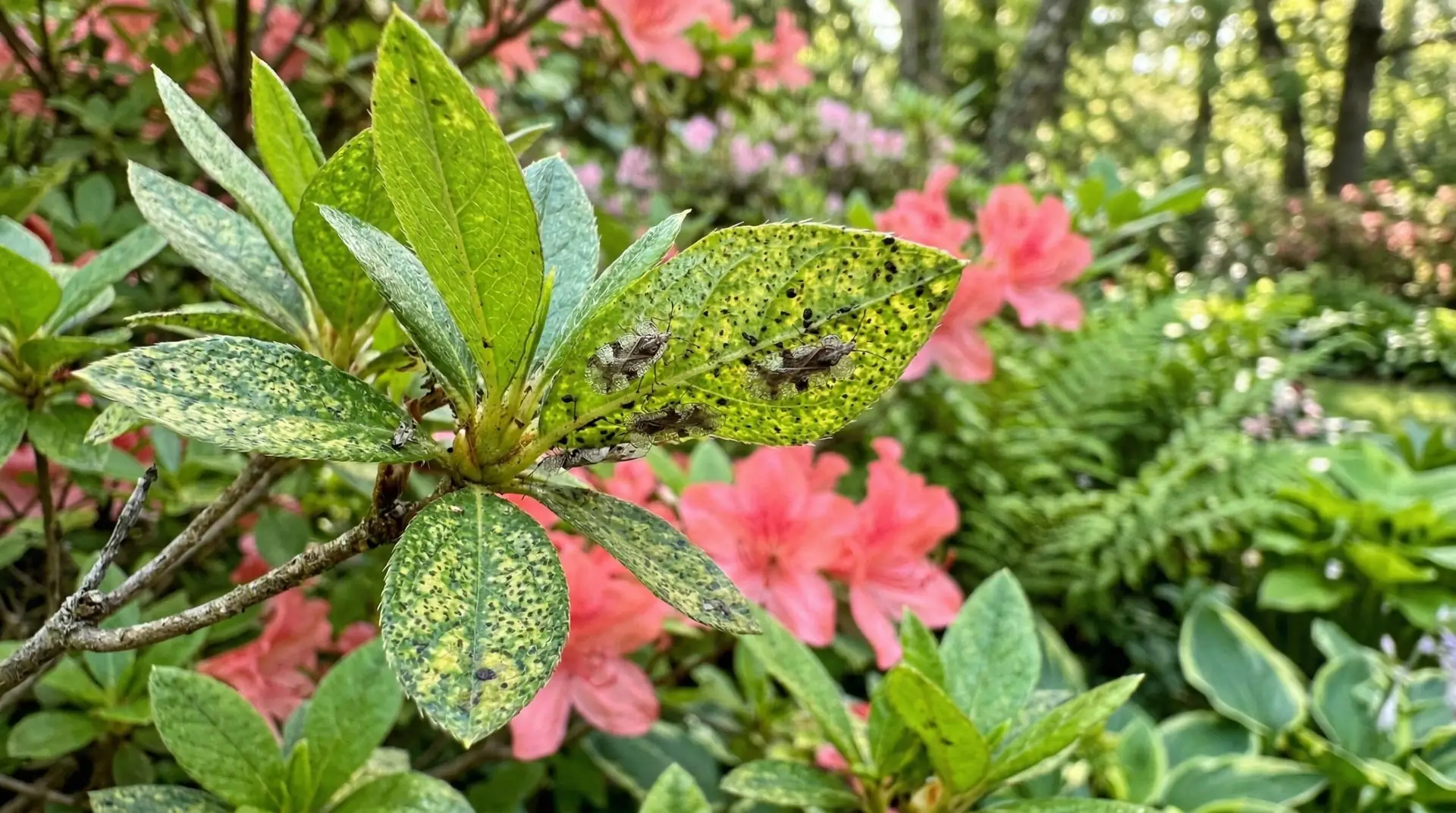
Azalea pests and diseases rarely attack healthy plants situated in proper locations. Most problems begin with poor soil drainage, incorrect pH levels, or excessive sun exposure. Azalea lace bugs specifically target plants stressed by intense afternoon heat and dry soil. You can apply organic pesticides repeatedly, but moving a struggling shrub to a spot with morning light and dappled afternoon shade will solve the root cause permanently. Organic control methods function best as a supplement to proper site selection rather than a cure for a bad planting location. Understanding the specific life cycles of these insects and pathogens allows you to intervene precisely when treatments are most effective. Many gardeners misdiagnose environmental stress as a disease, leading to unnecessary chemical applications that fail to address the underlying issue. Always verify that your soil is acidic and well-draining before assuming a pathogen is responsible for yellowing leaves or poor growth.
Managing azalea lace bugs and bark scale
Azalea lace bugs are the most common insect problem for these shrubs, leaving leaves looking stippled, bleached, or silvery on top with black fecal spots underneath. Despite what many sources claim, insecticidal soap is largely ineffective against adult lace bugs because they possess a hard wing cover that repels weak sprays. You must target the nymphs in early spring just after the first generation hatches from the eggs inserted into the leaf tissue. Spray horticultural oil or neem oil directly onto the undersides of the leaves, where the insects feed and breed. Azalea bark scale is an insect pest that creates white, cottony bumps on stems and branches, often accompanied by black sooty mold growing on the sticky honeydew they secrete. Treat bark scale by physically scrubbing the stems with a soft brush and applying dormant horticultural oil in late winter before new plant growth emerges. Encouraging beneficial insects like green lacewings and lady beetles provides excellent long-term control, provided you stop using broad-spectrum organic sprays like pyrethrin that kill these predators alongside the pests. Similar pest management strategies apply when growing roses, where preserving the local predator population prevents minor infestations from becoming severe outbreaks.
Identifying and treating azalea petal blight
Azalea petal blight is a fungal disease that specifically attacks the flowers, turning them brown and mushy almost overnight. The disease spreads rapidly in wet, humid spring weather, causing the ruined petals to stick to the leaves rather than falling cleanly to the ground. There is no cure for flowers once they are infected, making strict sanitation the only effective management strategy. The fungus survives the winter in small, hard black structures called sclerotia that form on the infected petals and drop to the soil surface. You must remove and destroy all infected flowers immediately, and rake up all fallen debris beneath the plant at the end of the blooming season. Replace the old mulch with a fresh two-inch layer of pine straw or bark chips in late winter to bury any remaining sclerotia and prevent spores from splashing back up onto the new buds. Spraying organic copper fungicide just as the flower buds begin to show color can protect the blooms, but you must reapply it after heavy rains for it to remain effective. Proper spacing between plants improves air circulation, allowing the foliage and flowers to dry quickly after rain and reducing the likelihood of fungal spores germinating.
Controlling leaf gall and root rot
Leaf gall is a visually alarming but mostly harmless fungal infection that causes new leaves to swell into thick, pale green or pinkish fleshy masses. The galls eventually turn white as they produce spores, which then harden and turn brown later in the season. Chemical control is unnecessary for leaf gall, as you simply need to pick off the swollen leaves and dispose of them in the trash before they release their spores. Root rot, primarily caused by Phytophthora fungi, is a far more serious azalea disease that kills the plant from the ground up by turning roots dark and mushy. The foliage turns dull green, wilts rapidly, and eventually turns brown even when the soil contains plenty of moisture. Fungal root pathogens thrive in heavy, waterlogged soils, making poor drainage the primary cause of this fatal condition. If you notice early signs of root rot, you must dig up the plant, trim away the decaying roots, and replant it in a mound of well-draining soil mixed with composted pine bark. You will face similar drainage requirements when planting camellias, as both shrubs share a strict intolerance for wet feet and heavy clay.
Addressing powdery mildew and spider mites
Powdery mildew frequently attacks deciduous azalea varieties during late summer when days are warm and nights are cool. The disease creates a white, powdery film on the upper leaf surfaces, eventually causing the leaves to yellow and drop prematurely. Unlike many fungal diseases, powdery mildew does not require standing water to germinate, thriving instead in high humidity combined with poor air circulation. You can control mild infections by spraying the foliage with a mixture of one tablespoon of baking soda and a teaspoon of horticultural oil dissolved in a gallon of water. Spider mites are another late-season pest that attacks azaleas during prolonged periods of hot, dry weather. These microscopic arachnids suck sap from the foliage, causing the leaves to look dull, bronze, or yellowed, often with fine webbing visible near the stems. A strong blast of water from a garden hose is usually enough to dislodge spider mites and disrupt their breeding cycle if applied every few days. For severe mite infestations, apply a thorough coating of neem oil late in the evening to avoid burning the foliage under direct sunlight.
Effective disease and pest control relies entirely on frequent observation during the active growing season. Inspect the undersides of leaves and the bases of stems at least once a week from early spring through midsummer. Wait for the soil surface to dry slightly before watering to prevent creating the exact conditions that soil-borne pathogens require to multiply. Apply organic treatments at the precise moment the target organism is vulnerable, rather than spraying blindly at the first sign of foliage damage. Always test any horticultural oil or insecticidal soap on a small section of the plant and wait twenty-four hours to check for tissue damage before treating the entire shrub. A healthy azalea growing in acidic, well-draining soil with appropriate shade will outgrow most minor pest damage without any human intervention.
More About Azaleas
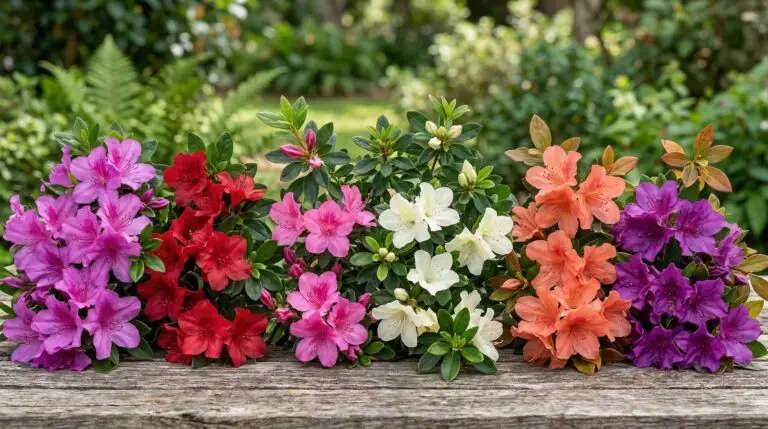
Encore azaleas that bloom three times a year for non-stop garden color

Azalea garden design ideas for a breathtaking spring landscape under trees
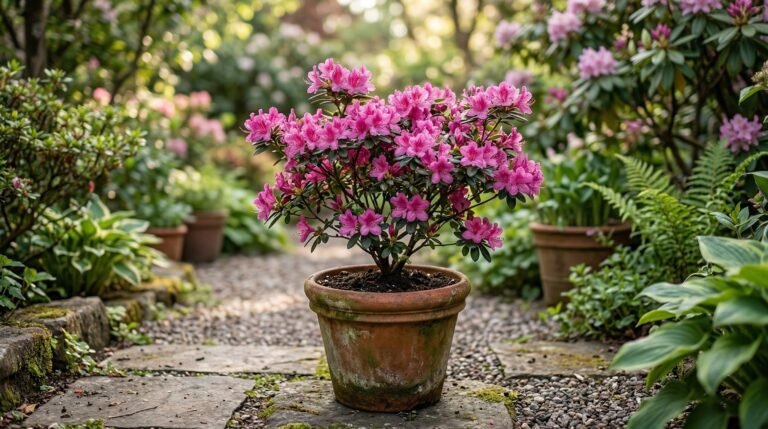
How to grow azaleas in containers for stunning patio and entryway displays
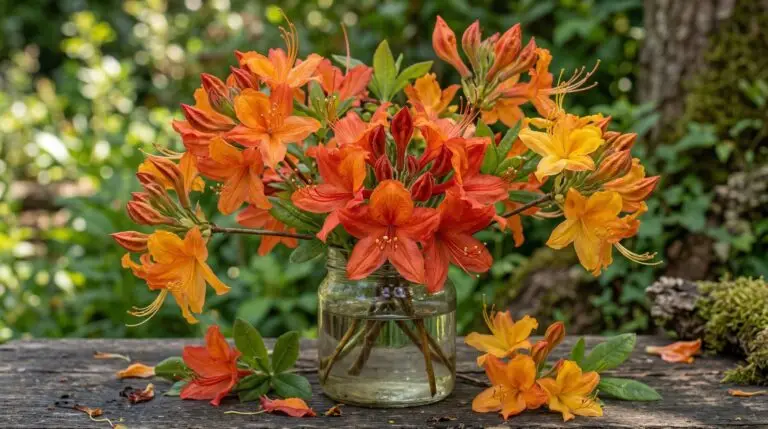
Native azaleas of North America and how to grow these fragrant wild beauties
Growing azaleas in acidic soil and how to lower soil pH naturally
How to choose the right azalea variety for your garden soil and climate
Azalea flower meaning and their place in Japanese garden culture and symbolism
Why azalea leaves are turning brown or yellow and how to save your shrub