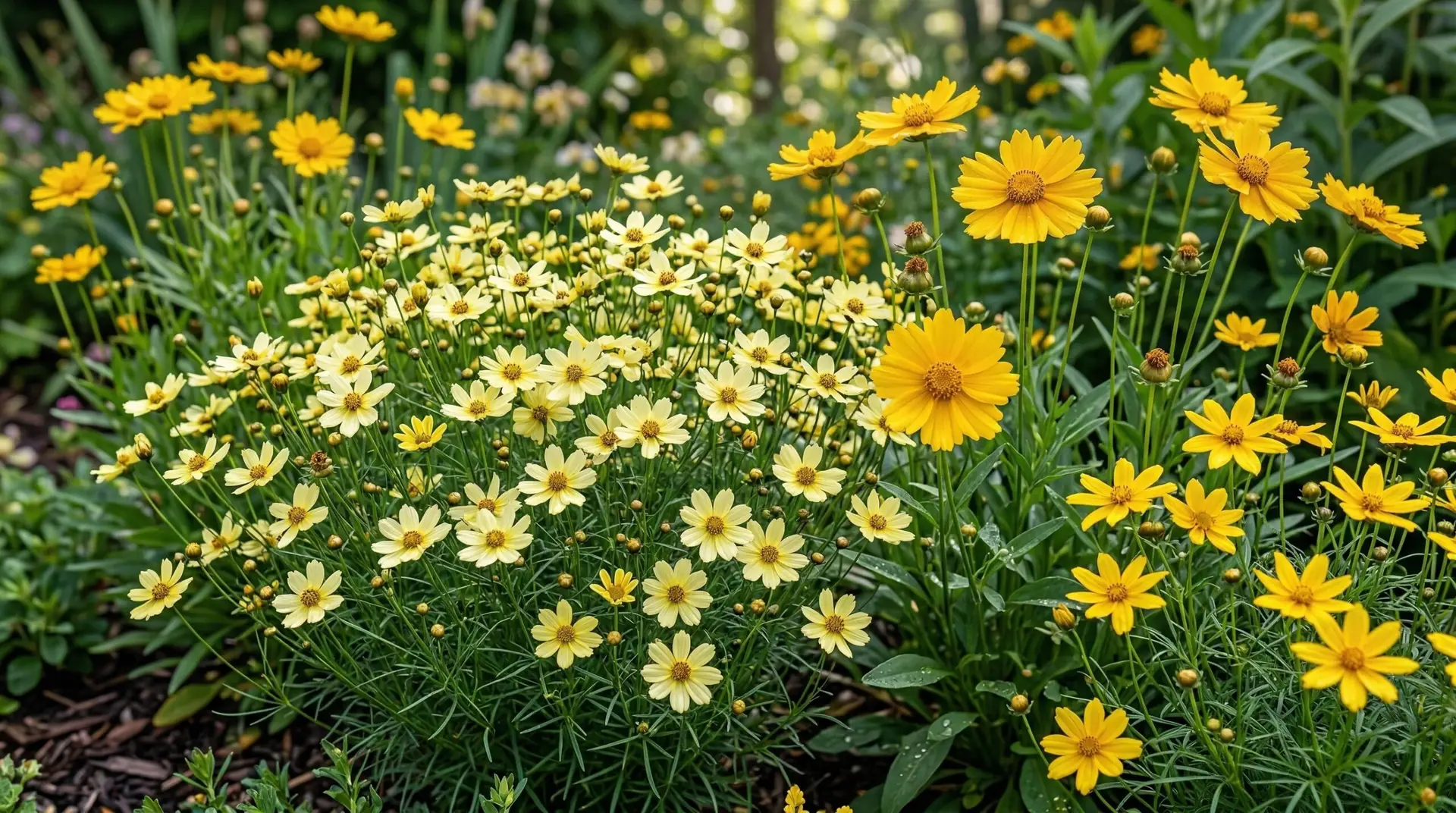
When browsing a nursery in early summer, you will likely encounter tables filled with generic yellow coreopsis. Gardeners often buy these plants on impulse for their bright color, only to find them floppy, short-lived, or covered in powdery mildew by August. The genus encompasses over eighty species, but only a handful truly deliver on the promise of continuous, trouble-free blooms until frost. Rather than treating tickseed as a disposable spot of color, it pays to select specific varieties bred for longevity and form. By focusing on the best coreopsis varieties available, you can secure a reliable architectural presence in the garden rather than a temporary splash of yellow. Choosing the right cultivar means the difference between a frustrating weed and a permanent, high-performing perennial.
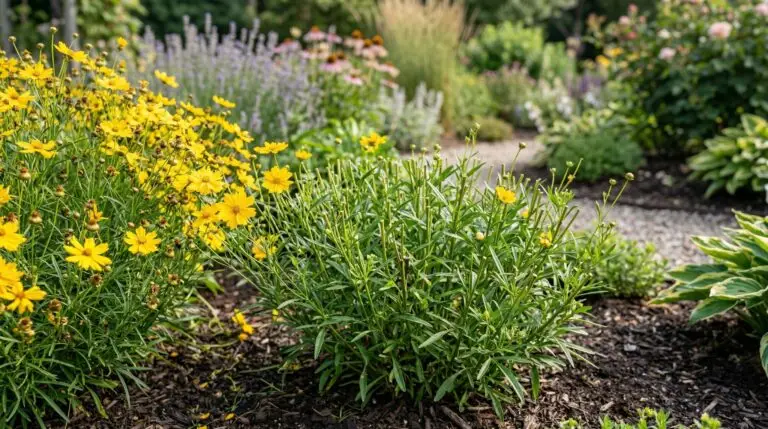
To make sense of the options, you first need to understand the structural difference between the two main perennial types. Thread-leaf coreopsis, primarily cultivars of Coreopsis verticillata, produces fine, needle-like foliage that creates a dense, textural mound. Lance-leaf and large-flowered types, including Coreopsis lanceolata and Coreopsis grandiflora, offer broader leaves and typically larger individual blooms. Many popular guides lump these together, but they behave entirely differently in a garden setting. The thread-leaf types generally offer superior drought tolerance, better disease resistance, and a much longer lifespan in typical garden soils. The broad-leaved varieties tend to form tight crowns that exhaust themselves after a few heavy blooming seasons.
The case for thread-leaf varieties
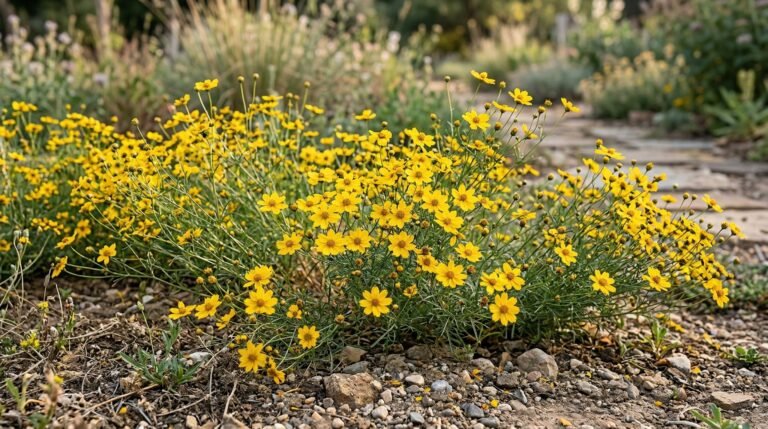
Among the thread-leaf options, ‘Zagreb’ is the gold standard for reliability and form. Many older coreopsis varieties tend to splay open in the center after a heavy rain, leaving a bare patch that ruins the look of the plant. ‘Zagreb’ maintains a strictly upright, bushy habit that tops out at about eighteen inches, holding its shape perfectly through severe weather. The flowers are a saturated, deep golden yellow that begins appearing in late June and continues well into autumn. This variety spreads slowly via underground rhizomes, forming a polite but substantial patch over several years. It requires almost no maintenance beyond an optional mid-summer shearing to encourage a heavier late flush of blooms.
If the intense gold of ‘Zagreb’ feels too aggressive for your color palette, ‘Moonbeam’ offers a highly refined alternative. The flowers on this variety are a soft, buttery pale yellow that blends beautifully with almost any other color in the perennial border. It earned Perennial Plant of the Year decades ago, yet it remains one of the best coreopsis choices for softening the transition between bolder, brighter plants. Because the color is so subdued, it pairs exceptionally well with the bold pinks and purples of a classic coneflower planting. You do need to provide ‘Moonbeam’ with excellent drainage, as it is slightly less tolerant of heavy clay soils than its golden relatives. In soils that stay wet over the winter, ‘Moonbeam’ will often rot and fail to return the following spring.
Navigating the broader-leaved options
The grandiflora and lance-leaf types present a different set of traits, offering larger, sometimes semi-double flowers at the expense of plant longevity. ‘Early Sunrise’ is perhaps the most famous of this group, producing bright yellow, semi-double blooms that look like miniature carnations. I include it here because it is one of the few perennials that will bloom profusely in its first year when grown from seed. You should treat ‘Early Sunrise’ as a short-lived perennial or even a hardy annual, expecting it to perform reliably for two or three seasons before naturally fading away. If you accept its shorter lifespan, it provides an incredible volume of early summer color while slower perennials are still waking up. Deadheading the spent blooms will significantly extend its flowering period and keep the plant looking tidy.
For a truly overlooked gem in the broader-leaved category, look for a dwarf selection of Coreopsis auriculata called ‘Nana’. While most tickseed varieties demand a position in the middle of the border, ‘Nana’ creeps slowly to form a dense mat of evergreen foliage just six inches tall. The bright orange-yellow flowers float above the leaves on short stems, usually beginning their display weeks earlier than the thread-leaf types. This compact habit makes it an excellent edging plant or rock garden specimen where larger varieties would look out of scale. It creates an excellent early summer combination when planted at the feet of a tall, crisp white Shasta daisy. The spreading stolons allow it to fill in gaps along a walkway without ever becoming invasive or unruly.
Moving beyond solid yellow
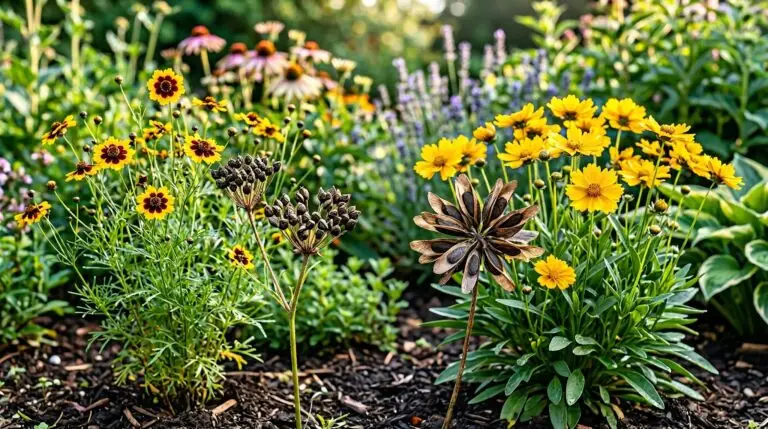
Plant breeders have recently flooded the market with coreopsis in shades of pink, red, and white, but many of these novelties lack the vigor of the classic yellow species. I omit most of these newer introductions from my recommendations because they often fail to survive a typical winter or revert to a muddy, washed-out color in high heat. ‘Route 66’ is the notable exception that earns its place in a curated garden. It is a thread-leaf hybrid that features yellow petals heavily bleeding with burgundy-red from the center eye. The red coloration actually expands as the weather cools in late summer, offering a shifting visual display that most perennials cannot match. It retains the fine, disease-resistant foliage of its verticillata parentage, ensuring the plant looks good even when not in full bloom.
Integrating a bi-color variety like ‘Route 66’ requires a bit more thought than placing a solid yellow plant. The burgundy tones demand companions that will echo the darker colors without overwhelming the delicate thread-leaf foliage. You can use it to bridge the seasonal gap between the early summer perennials and the heavy, late-season bloomers. As autumn approaches, the deepening red eye of ‘Route 66’ creates a beautiful textural contrast when planted near a late-blooming Black Eyed Susan. This specific pairing captures the essence of late summer without relying on the tired, overgrown masses of generic yellow daisies. The fine texture of the coreopsis leaves provides a perfect foil for the coarse, fuzzy foliage of the rudbeckia.
The top recommendation for the garden
Curating a garden means making hard choices about which plants deserve the limited space available. While ‘Moonbeam’ offers elegant subtlety and ‘Early Sunrise’ provides immediate gratification, ‘Zagreb’ is the ultimate achievement in coreopsis breeding. It solves the primary flaws of the genus by maintaining a neat, architectural habit and refusing to succumb to the fungal diseases that plague lesser varieties. The intense golden color remains clean and bright from the first day of summer until the first hard frost stops the show. Its deep root system allows it to shrug off prolonged droughts that would leave other perennials wilted and stressed. If you have room for only one tickseed in your garden, ‘Zagreb’ will give you decades of consistent performance with almost zero intervention.
More About Coreopsis
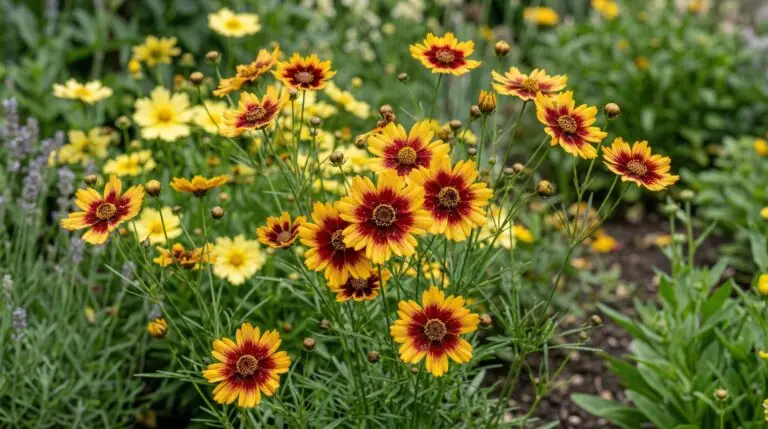
Red and bicolor coreopsis varieties that go beyond the usual yellow
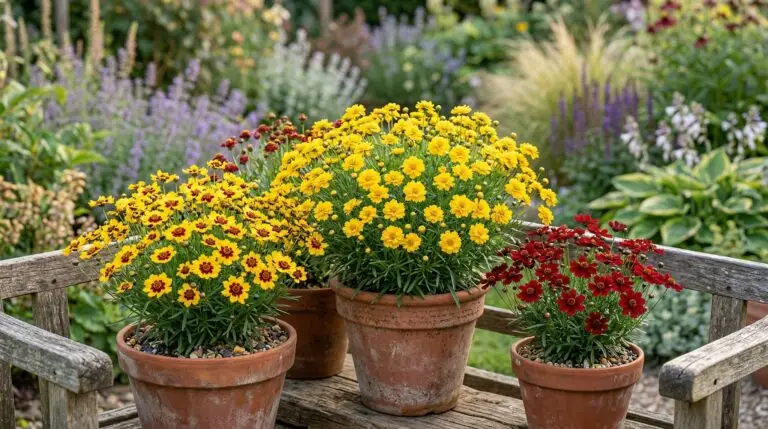
Coreopsis in containers and window boxes for sunny spots that need easy color
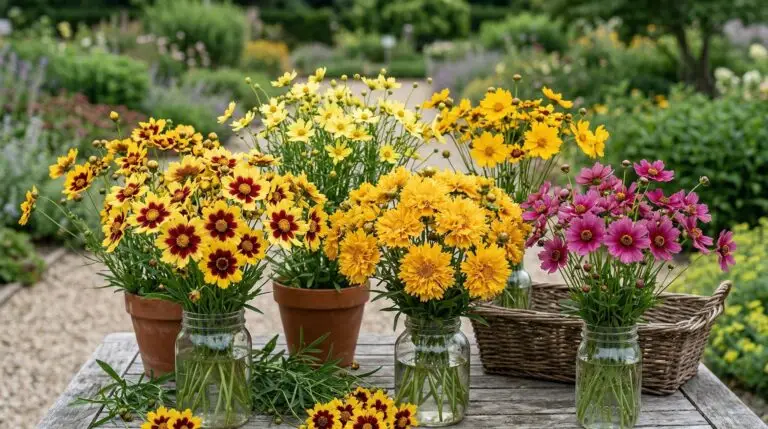
Thread-leaf coreopsis Moonbeam and why it is one of the finest perennials ever bred
How to grow coreopsis as a carefree perennial that thrives on neglect
Why coreopsis stops blooming in midsummer and how to keep flowers coming

Coreopsis for xeriscaping and dry garden conditions where other flowers struggle
Growing coreopsis from seed for masses of budget-friendly garden color

Native coreopsis species and their role in restoring American wildflower meadows