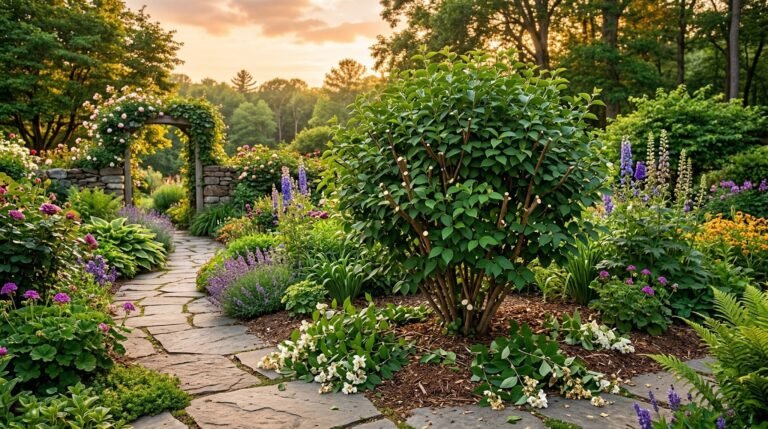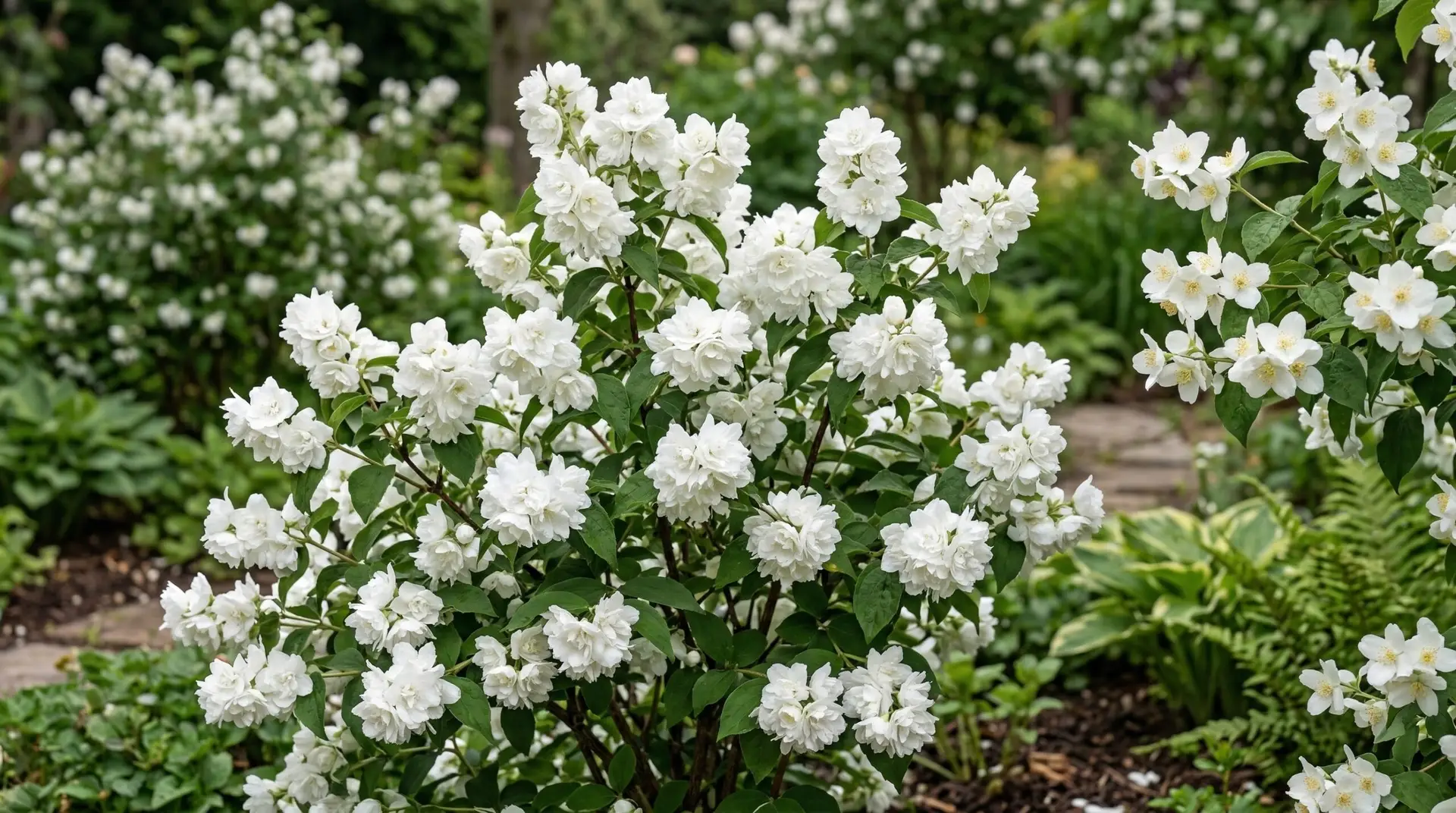
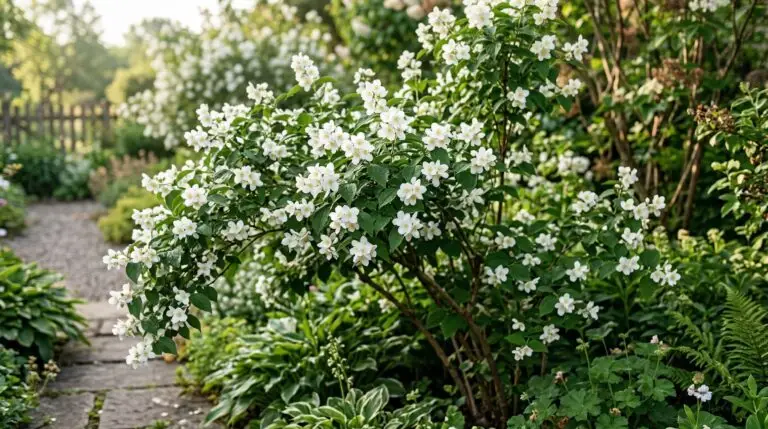
Walking past a blooming mock orange bush on a warm June evening is a sensory experience most gardeners want to recreate right by the front door. The trouble usually starts about three years after planting that standard nursery shrub, when it turns into a ten-foot monster that blocks the porch steps and swallows the mailbox. The old-fashioned varieties are vigorous growers that require constant wrestling with a pair of loppers to keep them manageable in a typical suburban yard. For anyone working with a small patio, a narrow side yard, or just a modern lot, a dwarf mock orange is the only sensible way to get that heavy citrus-blossom scent without surrendering half the garden. These smaller shrubs deliver the exact same fragrance but stay within a footprint that actually makes sense for residential spaces.
Selecting the right compact philadelphus for the space
When shopping for a compact philadelphus, the nursery labels can sometimes be misleading about ultimate height, but a few specific varieties have proven themselves reliable over the years. Manteau d’Hermine is perhaps the most well-behaved option for truly tight spaces, typically topping out right around three feet tall and wide. It produces double white flowers that completely cover the branches in early summer, though the plant will look like a bundle of dead twigs for the first few weeks after transplanting. Give it time, keep the roots damp, and it will eventually push out fresh green leaves. For a slightly larger spot, Snowbelle reaches about four feet in height and handles pruning exceptionally well if a stray branch decides to reach for the gutters. Another excellent choice is Innocence, which brings variegated leaves to the garden for visual interest even after the short blooming window has passed. The cream and green foliage on Innocence makes it a hardworking shrub from spring through fall, which is a useful trait when dedicating precious square footage to a single plant.
Foundation planting and border placement
Placing a small mock orange requires a bit of strategic thinking about wind, sun, and how close people will get to the blooms. Since the entire point of growing this shrub is the fragrance, planting it under a bedroom window or next to a frequently used patio seating area is usually the best approach. They need decent air circulation to prevent powdery mildew on the leaves, so resist the urge to wedge them tightly between the house siding and other dense shrubs. A common mistake is planting them too close to a walkway, forgetting that branches weighed down by spring rain will lean heavily and soak anyone brushing past. Leaving about three feet of clearance from the center of the plant to the edge of the path keeps the area passable during heavy blooming periods. For gardeners who love heavily scented spring borders, mixing a dwarf mock orange with a compact lilac creates a relay race of fragrance that spans from early spring right into summer. Both plants share similar soil preferences and can thrive side by side in a sunny foundation bed as long as the soil drains well.
Container growing strategies that actually work
Putting shrubs in pots is always a bit of a gamble, but a small mock orange will tolerate container life for several years if given the right setup. The secret is skipping the expensive, lightweight potting mixes and making a heavier blend using equal parts standard topsoil, compost, and coarse sand or perlite. This heavier mix anchors the roots, holds moisture longer during hot afternoons, and prevents the pot from blowing over during summer thunderstorms. A half-barrel planter or a large, inexpensive galvanized livestock trough with drainage holes drilled in the bottom works perfectly for varieties like Manteau d’Hermine. When watering a potted mock orange, soak the soil until water runs freely out of the bottom drainage holes to ensure the entire root ball is saturated. A light sprinkle from the hose just wets the surface and encourages shallow roots that dry out quickly. Container plants dry out much faster than those in the ground, so a thick layer of cheap pine bark mulch over the soil surface is absolutely necessary to get through July and August. You will know the plant is too dry when the leaves lose their gloss and start to curl inward along the edges, at which point a deep soaking is required immediately.
Regional habits and practical maintenance
The way these shrubs behave changes noticeably depending on the local climate and soil conditions. Gardeners in the South may find this easier because the plants wake up earlier, but they will need protection from the harsh afternoon sun to keep the leaves from crisping at the edges. In northern zones, the approach changes to maximizing sun exposure, planting them right out in the open where they can soak up every available ray to produce the best flower set. Regardless of the region, pruning must happen immediately after the flowers fade, as mock orange blooms on old wood grown the previous year. Waiting until late summer or fall to trim the bushes guarantees you will cut off all the buds for next spring, leaving a healthy green shrub with zero flowers. Use a sharp pair of bypass pruners to take out any dead wood first, then remove about one-third of the oldest branches right down to the base to encourage fresh growth. If a mature shrub gets completely out of hand, it is perfectly safe to cut the entire thing back to about twelve inches from the ground in late winter. Similar to how you might rejuvenate an overgrown viburnum, the plant will look terrible for a season but will return with vigorous, healthy new growth the following year.
Growing these compact shrubs is mostly a matter of getting them established in a spot where their roots will not sit in standing water during the winter. They are not particularly finicky about fertilizers, and a simple top-dressing of compost in the spring is usually all the nutrition they need to perform well. The hardest part is simply waiting out the fifty weeks of the year when the plant is just a basic green bush, anticipating those two glorious weeks of bloom. When those white buds finally open and that sweet, citrus scent drifts across the yard on a warm breeze, the patience pays off completely. Planting a dwarf variety ensures you get the classic garden experience without the heavy labor of wrestling a massive overgrown shrub back into submission every single autumn.
More About Mock Orange
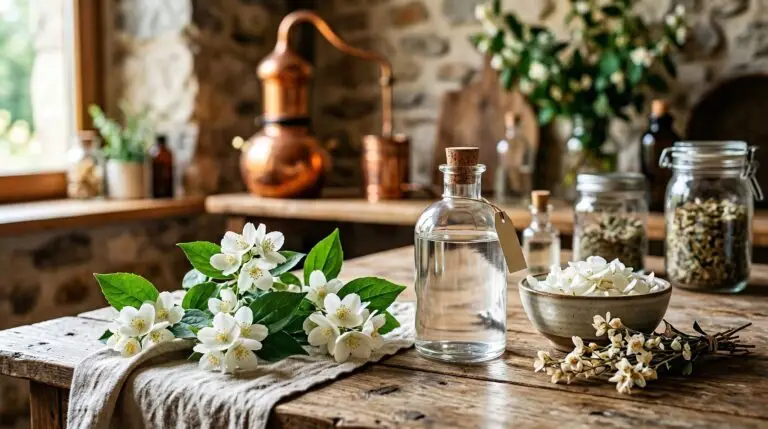
Mock orange flowers for homemade perfume and potpourri with an orange blossom scent

Companion plants for mock orange: what to grow and avoid
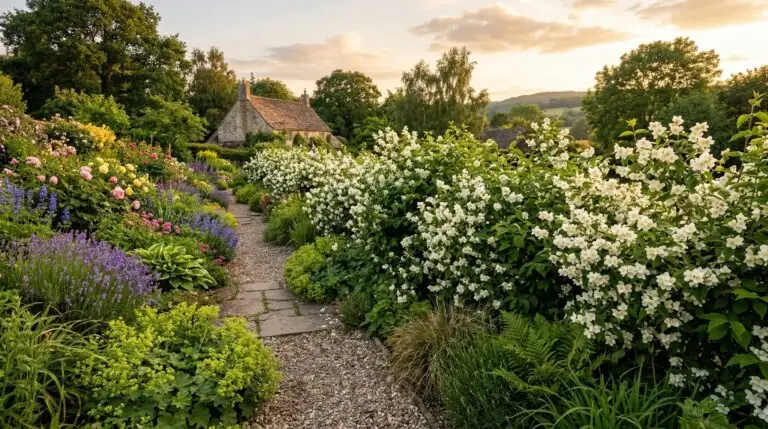
Mock orange as a fragrant hedge that fills the neighborhood with perfume in June
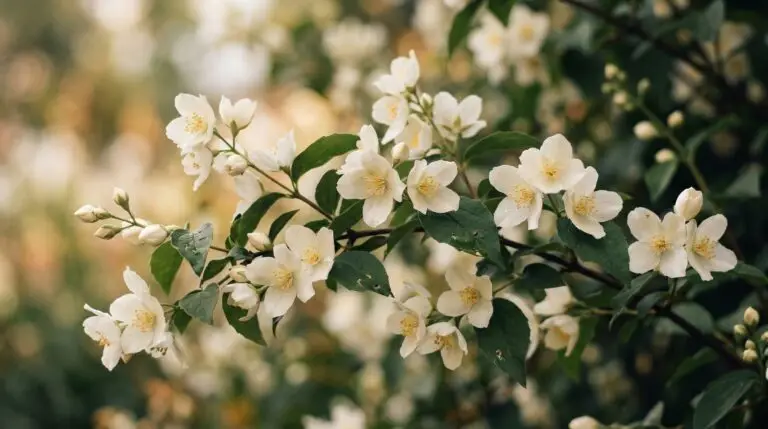
Mock orange flower meaning and why this shrub has fooled people into thinking it is an orange tree
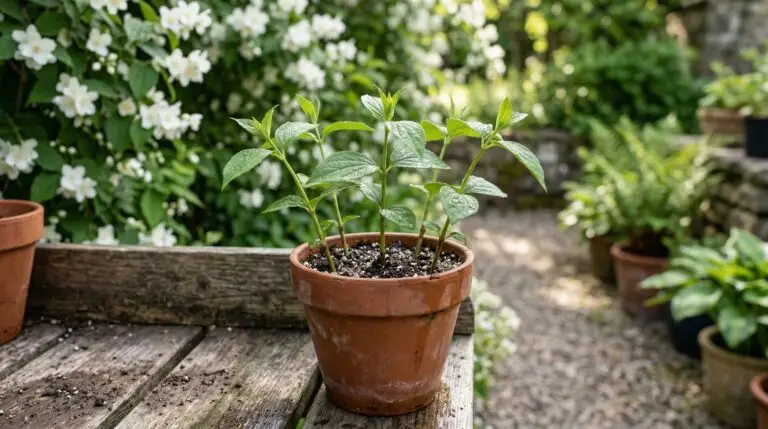
How to propagate mock orange from cuttings for free new shrubs from your favorite plant
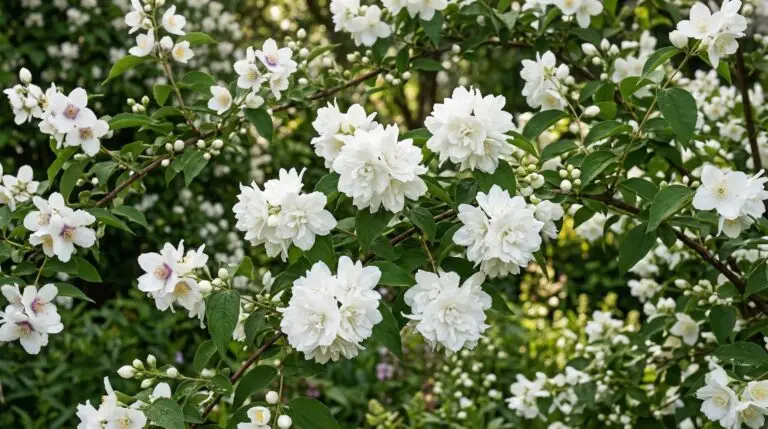
Best mock orange varieties from compact Snowbelle to the intensely fragrant Virginal
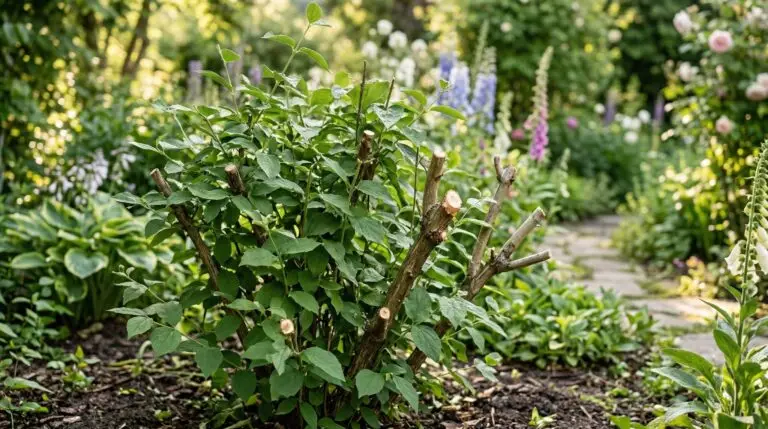
Why mock orange is not flowering and the common reasons this shrub refuses to bloom
How to grow mock orange for intoxicating citrus-scented white blooms in early summer