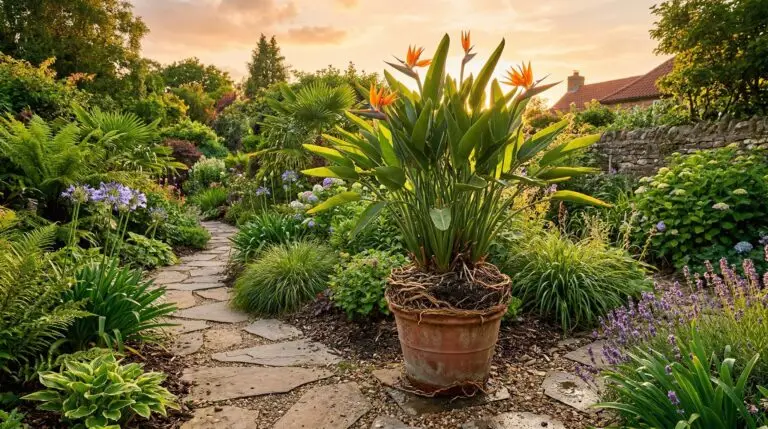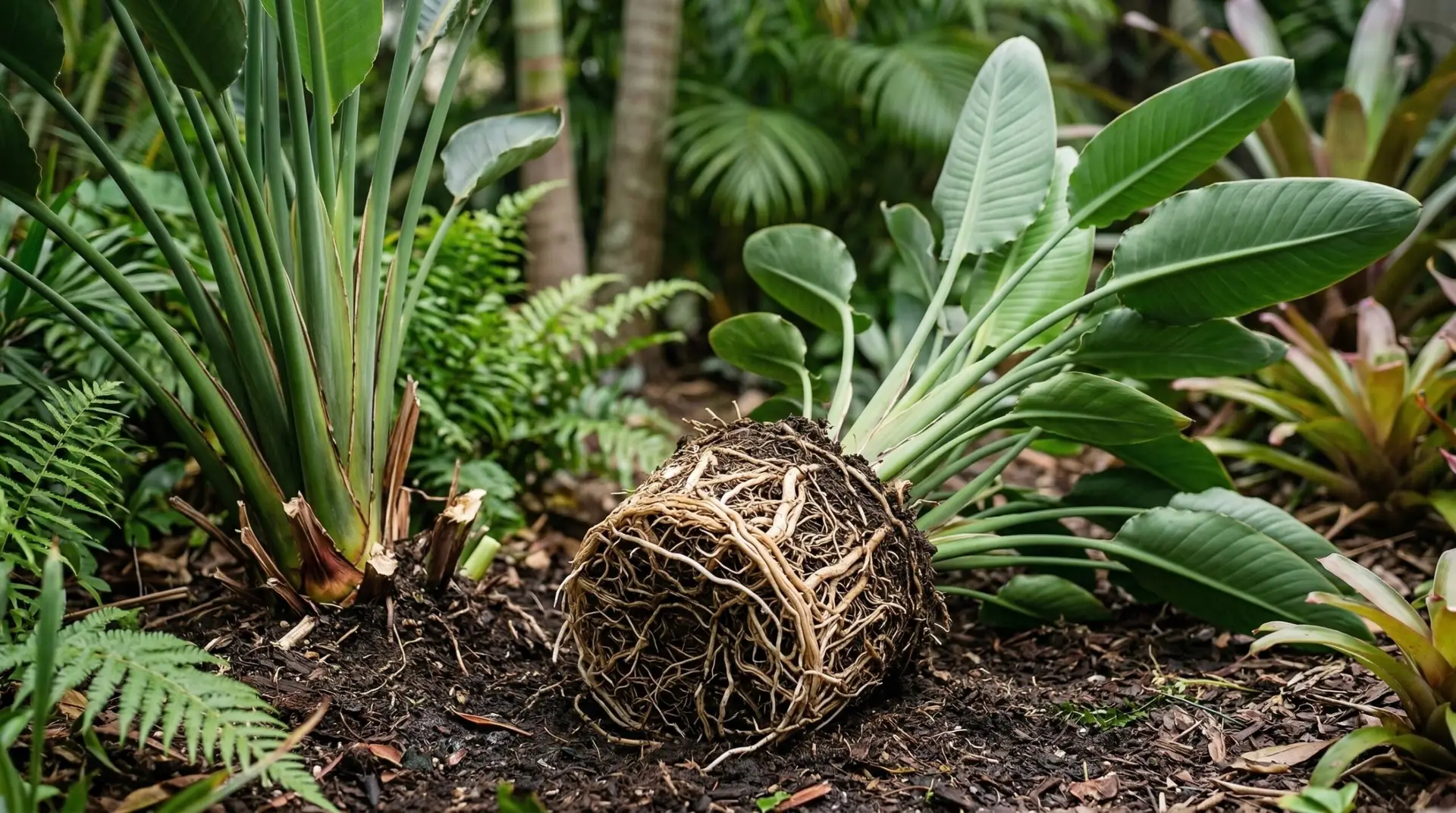
By the time you finish reading this, you will understand exactly how a mature bird of paradise grows beneath the soil and why dividing it requires a bit more force than you might expect. When you look at a large bird of paradise plant, you are actually looking at a crowded family of individual plants that have multiplied over time. These plants grow from thick underground stems called rhizomes, which slowly spread outward and push up new leafy shoots called offsets. As the years pass, these rhizomes form a dense, tangled mass that competes for water and nutrients in the limited space of your garden bed or container. Dividing bird of paradise is the process of separating this crowded family into smaller, independent plants that you can move to new spots in your yard or share with your neighbors. This propagation method gives you plants that are identical to the parent and capable of blooming much sooner than if you started completely from scratch.
Understanding the right time to divide
The timing of your strelitzia division plays a massive role in how quickly the new plants recover and resume growing. The ideal time to separate these plants is in late spring or early summer when the soil is warm and the plant is entering its most active growth phase. When you divide a plant, you inevitably cause damage to its root system, and the plant needs warm temperatures and active energy to heal those wounds. If you attempt this process in the late fall or winter, the plant is resting and will sit in cold, wet soil with open cuts, which invites rot and disease. Think of the warm spring soil as a hospital incubator for the roots, providing the stable heat they need to seal their cuts and push out new growth before the cooler months arrive. Preparing the plant a day or two before division by watering it deeply will also help, because fully hydrated leaves and roots handle the stress of separation much better than thirsty ones.
Tackling the tight root mass
Getting a mature bird of paradise out of the ground or out of its pot is often the most physically demanding part of the process. These plants develop thick, fleshy, tuber-like roots that weave together tightly, gripping the soil and each other like a clenched fist. Once you dig up the entire clump, you might be surprised by how solid and heavy the root mass actually is. Many beginners try to gently tease these roots apart with their fingers, but you will soon find that this is nearly impossible with an established plant. You need to use a sharp, heavy tool like a garden spade, an old pruning saw, or even an ax to cut straight down through the rhizomes. This might seem contradictory to the idea of caring for a plant, but making a single clean cut through the thick roots is much better than tearing and crushing them through forceful pulling. Each division you create needs to have at least three to five healthy leaves and a solid portion of the thick fleshy roots attached to it to survive. You will lose some roots in this process, and that is a completely normal part of bird of paradise propagation.
Managing the recovery period
After you separate the offsets and plant them in their new homes, you enter a phase that requires a significant amount of patience. Bird of paradise plants absolutely hate having their roots disturbed, and they react to division by essentially shutting down their top growth to focus entirely on repairing their underground system. You will likely see the leaves droop, curl, or even turn brown around the edges during the first few months. Many gardeners worry they have killed their new plants at this stage, but the plant is simply redirecting its energy to survive. Because of this root sensitivity, a newly divided bird of paradise will often refuse to produce flowers for one or even two full years after being moved. This delayed blooming is very common with plants that grow from thick fleshy roots, similar to the way you might wait a season for agapanthus to settle in before it blooms again, or how a newly divided canna lily needs time to rebuild its energy reserves. You can help them through this shock by keeping the soil lightly moist but never soggy, and by holding off on any fertilizer until you see new green leaves pushing up from the center of the fan.
Growing from seed as a slower alternative
If the physical labor of dividing thick rhizomes sounds like too much work, you can always grow new plants from seeds, though you must be prepared for a much longer timeline. Bird of paradise seeds are hard and woody, covered in a bright orange fuzzy tuft, and they require very specific conditions to break dormancy and sprout. In nature, these seeds can sit in the soil for months waiting for the perfect combination of heat and moisture to soften their hard outer shell. When you plant seeds at home, you have to mimic this process by soaking them in warm water for a few days and then keeping them in a very warm, humid environment until they germinate. The main difference between seed growing and strelitzia division is the time it takes to see a flower. A plant grown from a separated offset already has mature tissue and might bloom in a year or two, while a plant started from seed will spend five to ten years growing before it produces its first blossom. Understanding this timeline helps you decide whether you want to invest your time in the physical work of dividing an adult plant or in the long-term patience required to raise a seedling.
Successfully multiplying these plants comes down to understanding that root disruption is a temporary setback for a long-term reward. By cutting cleanly through the dense rhizomes and providing a warm, stable environment for recovery, you are working with the plant’s natural ability to heal and regenerate. The droopy leaves and delayed blooming that follow are not signs of failure, but rather the visible evidence of the plant doing the invisible underground work of establishing a new root system. This takes a season or two to get a feel for, and that is completely normal for anyone learning to work with mature perennials. When you grasp how these thick roots function and why they need time to recover, you have the fundamental knowledge needed to fill your garden with these unique plants for years to come.
More About Bird of Paradise
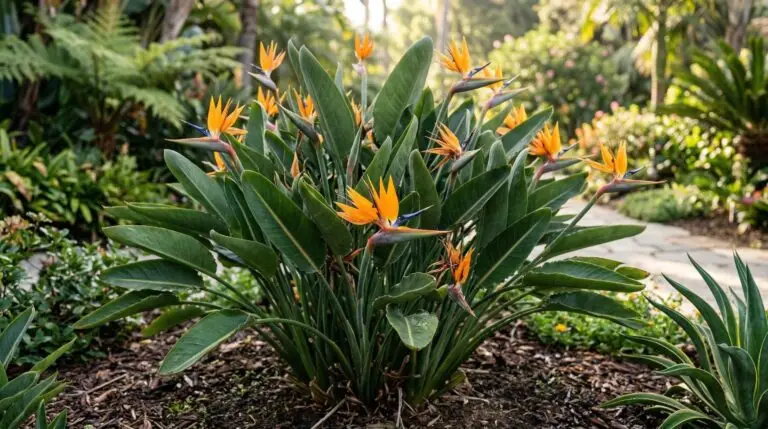
Growing bird of paradise outdoors in zones 9 through 11 for year-round tropical color
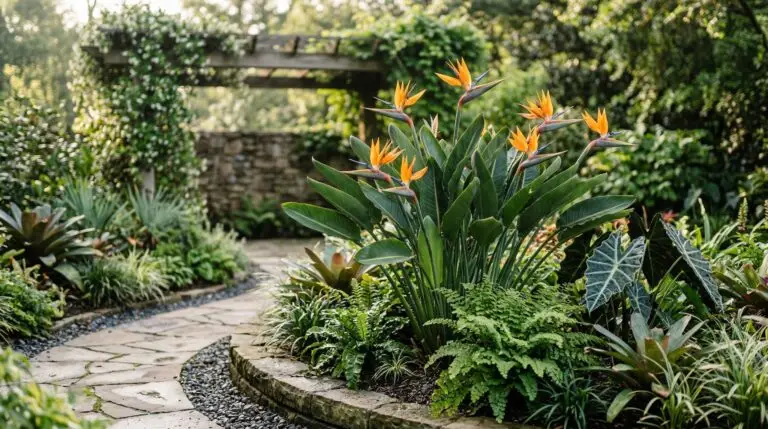
Using bird of paradise flowers in dramatic tropical floral arrangements
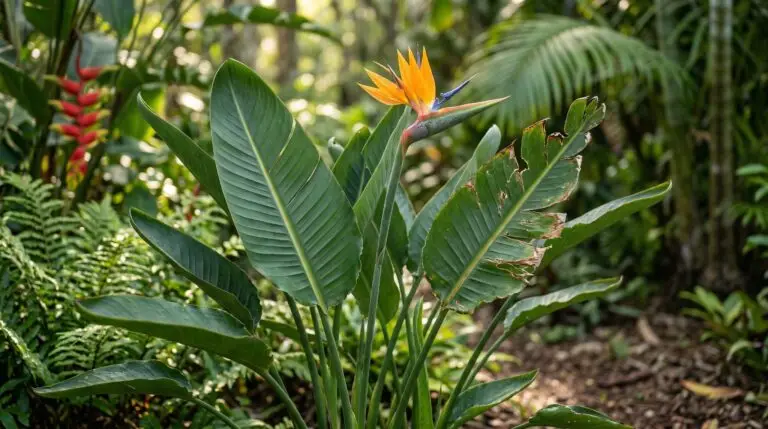
Bird of paradise leaf splitting and curling and what your plant is trying to tell you
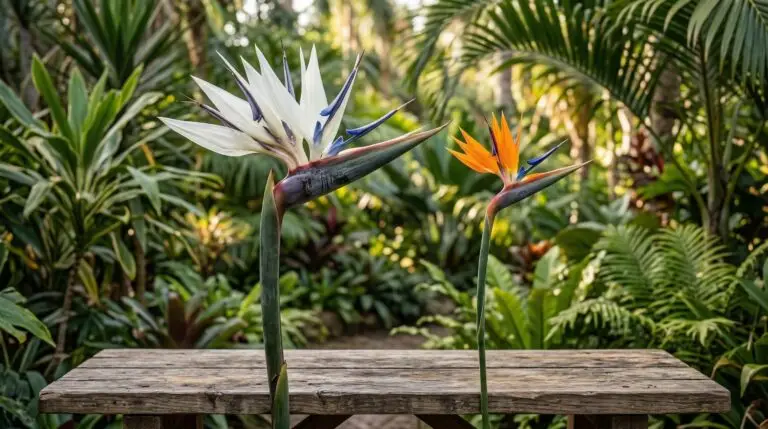
Giant white bird of paradise versus orange bird of paradise and which to choose
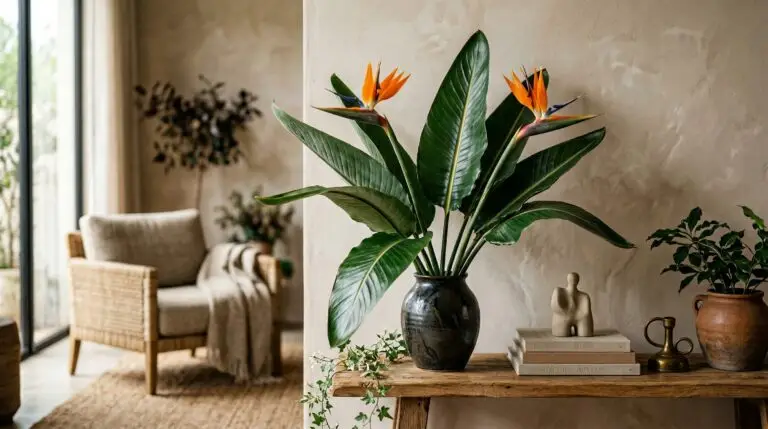
Bird of paradise in modern interior design as a living sculptural statement
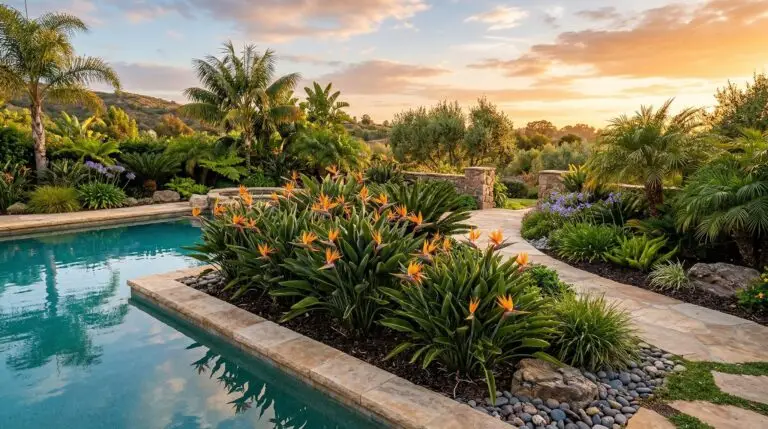
Bird of paradise in tropical landscape design for a resort-style backyard
Bird of paradise flower meaning and its connection to freedom and paradise
How to grow bird of paradise indoors and get it to bloom in your living room