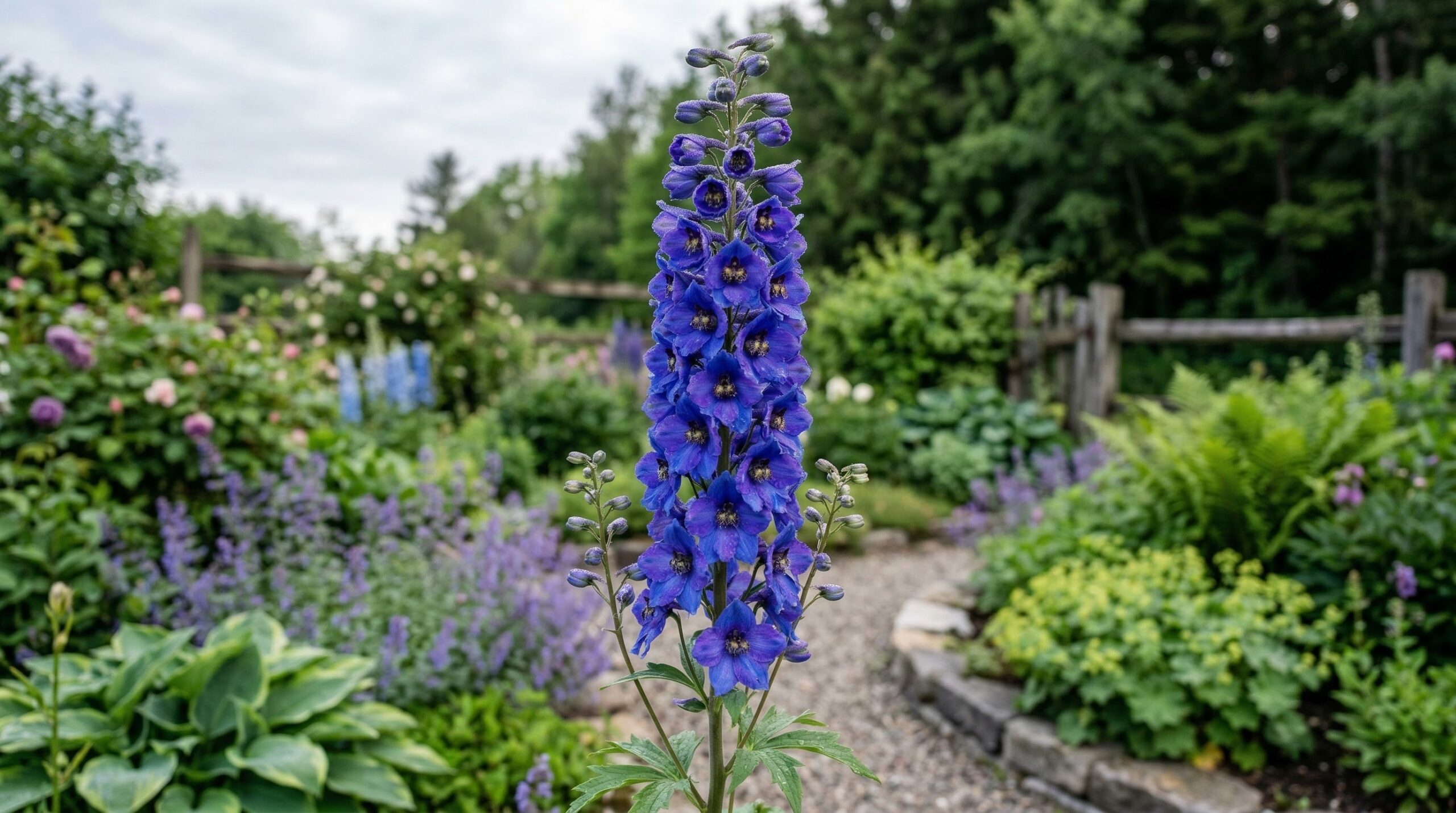
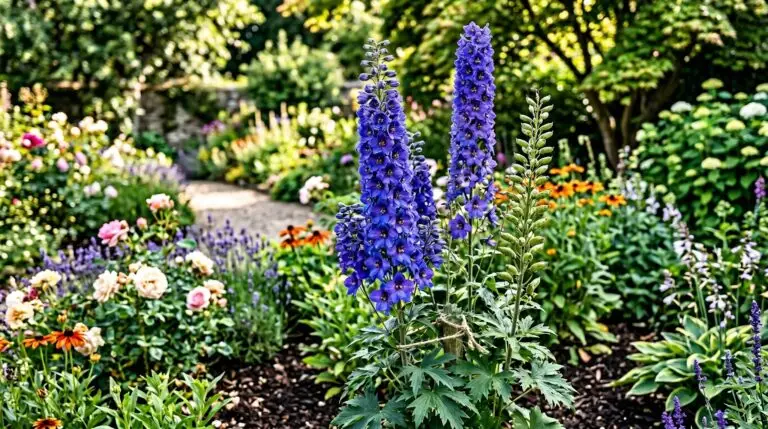
Growing Delphinium elatum requires an understanding that these plants are essentially woodland edge natives that have been bred over generations for extraordinary height. I have spent many seasons watching these perennials push up through cold spring soil, transforming into towering floral columns that demand attention in the mixed border. These plants do not thrive on neglect, and achieving those tall delphinium spires requires deliberate attention to their specific environmental preferences and structural limitations. They possess hollow stems that carry massive, densely packed flower heads, making them structurally vulnerable from the moment they begin their rapid upward growth in early summer. Success with this demanding species comes from recognizing that their impressive floral display is entirely dependent on the foundational work you do below the soil line. You must treat them as high-performance plants that need consistent inputs of water, nutrition, and physical support to reach their full genetic potential.
Delphinium care begins with an honest assessment of your local climate, as these plants possess a deep-seated intolerance for hot, humid summer nights. They perform best in regions where summer temperatures rarely exceed eighty degrees Fahrenheit and where nighttime temperatures drop significantly to allow the plant to recover. If you garden in the Pacific Northwest, New England, or elevated mountainous regions, you have the ideal conditions for cultivating long-lived perennial specimens. Growers in warmer, southern regions often treat them as cool-season annuals, enjoying their early summer bloom before the sustained heat inevitably causes the foliage to decline. In these warmer zones, gardeners might find more reliable vertical elements by planting tall snapdragon varieties that tolerate a slightly wider range of temperature fluctuations and humidity levels. For true perennial performance, Delphinium elatum needs a pronounced winter dormancy, with frozen ground that completely resets its growth cycle for the following year. Attempting to push these plants outside their preferred climate zones usually results in stunted growth and heightened susceptibility to powdery mildew.
Preparing the soil for heavy feeders
The soil preparation for Delphinium elatum must be thorough and generous, as these are some of the heaviest feeding perennials you can cultivate. They require a soil pH resting comfortably between 6.5 and 7.0, leaning slightly alkaline rather than heavily acidic. I always incorporate several inches of well-rotted manure or mature compost into the planting bed to ensure the soil holds moisture while still draining excess water away from the root zone. The crown, which is the thickened basal area where the stems meet the root system, is highly susceptible to bacterial and fungal rot if left sitting in winter wet. You must position the transplants so the top of the crown rests exactly at the soil surface, never buried beneath heavy organic mulch or suffocating clay soils. Consistent moisture during the active growing season is mandatory, but that water must move freely through the soil profile to prevent anaerobic conditions. If your garden consists of heavy clay, planting them in raised berms or significantly amending the entire bed is the only reliable path to long-term survival.
Evaluating the major breeding lines
When selecting plants for the border, you will quickly encounter two dominant breeding lines that behave quite differently in the garden environment. The Pacific Giant series has been a staple in the horticultural trade for decades, producing massive, tightly packed flowers on stems that can easily reach six feet in height. However, experienced growers know that Pacific Giants often behave as short-lived perennials or even biennials, exhausting themselves after one or two heavy blooming seasons. In recent years, the New Millennium series, bred extensively in New Zealand, has offered a significant improvement in both perennial longevity and overall structural integrity. These newer hybrids develop thicker, more resilient stems and tolerate summer heat slightly better than older genetics, though they still require cool nights to truly thrive. Understanding these genetic differences helps manage expectations, as replacing Pacific Giants every few years is a standard maintenance practice rather than a failure on the part of the gardener. Whichever series you choose, purchasing strong, established plants in deep nursery pots usually yields better first-year results than starting from seed.
Supporting the vertical growth habit
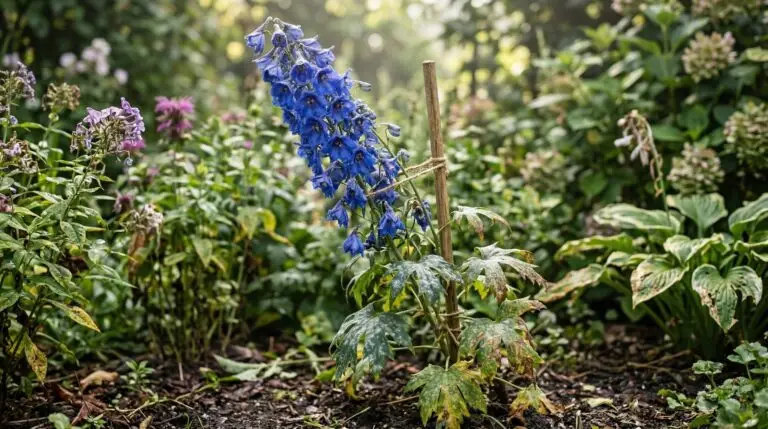
The primary physical intervention in growing delphiniums is the implementation of a rigorous staking system before the plants actually need the support. Because the stems are hollow and carry dense spikes of heavy blossoms, a single summer rainstorm combined with moderate wind will snap an unsupported plant at its base. I recommend inserting sturdy bamboo canes, wooden dowels, or coated metal stakes around the perimeter of the plant when the new spring growth is only a foot tall. As the stems elongate rapidly in late spring, you must tie them loosely to the supports using soft garden twine, adding a new tier of ties every eighteen inches. Some gardeners prefer using grow-through grid supports, which work well for shorter varieties but often fail to provide adequate upper-stem stability for the tallest cultivars. Similar to the support systems required for heavy biennial foxglove spikes, the goal is to secure the stem without constricting its natural expansion or causing friction wounds. Failing to stake these plants properly is the most common mistake I see, and it almost always results in broken stems just as the flower buds begin to open.
Managing the bloom cycle and dormancy
Maintaining the vigor of these plants requires a disciplined feeding schedule that begins the moment they break dormancy in early spring. A balanced granular fertilizer applied around the base of the plant fuels the rapid vegetative growth needed to build those towering stems and large, palmate leaves. Once the primary flower spike finishes blooming and the bottom florets begin to drop, you can often encourage a secondary, albeit smaller, flush of late-season flowers. You achieve this by cutting the main flower stalk down to the foliage line, leaving the large basal leaves intact so the plant can continue photosynthesizing. Apply a water-soluble liquid fertilizer at this time to give the plant the immediate energy required to push up new lateral flower shoots from the base. You might also consider companion planting with perennial lupine species, which share similar soil preferences and can fix atmospheric nitrogen in the surrounding soil, though they typically bloom slightly earlier in the season. Consistent deadheading and feeding will keep the foliage looking fresh and prevent the plant from wasting energy on seed production.
As the growing season concludes and the foliage naturally dies back after the first hard frost, your attention must turn to winter protection and sanitation. Cut all the hollow stems down to the ground, but be careful to plug the open stem cavities with a light dusting of coarse sand or dry soil. This simple step prevents autumn rains from pooling inside the hollow stems, which can freeze and split the crown during severe winter temperature drops. Clear away all fallen leaf debris from the immediate area to eliminate overwintering sites for slugs, which are the primary pest that will decimate new delphinium shoots the following spring. Leaving a clean, well-draining soil surface around the dormant crown is the best insurance policy for perennial survival in cold climates. By establishing this clean baseline in late autumn, you set the stage for a vigorous emergence when the soil warms again. Proper winter preparation ensures your plants have the healthy foundation they need to reach their full architectural height in the coming year.
More About Delphinium elatum
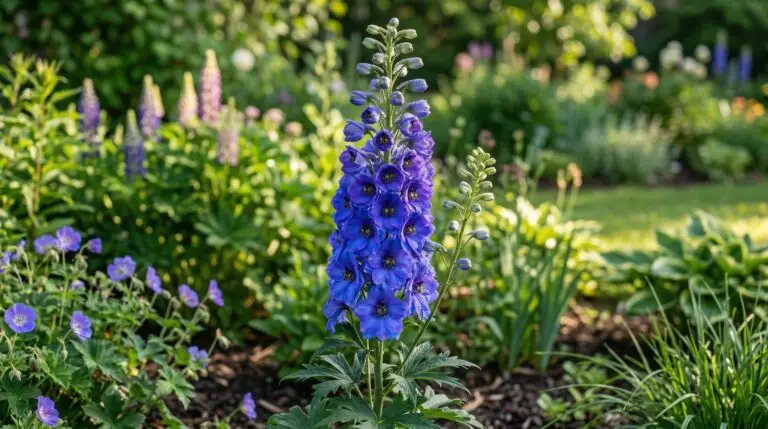
Delphiniums as show-stopping cut flowers for dramatic tall arrangements
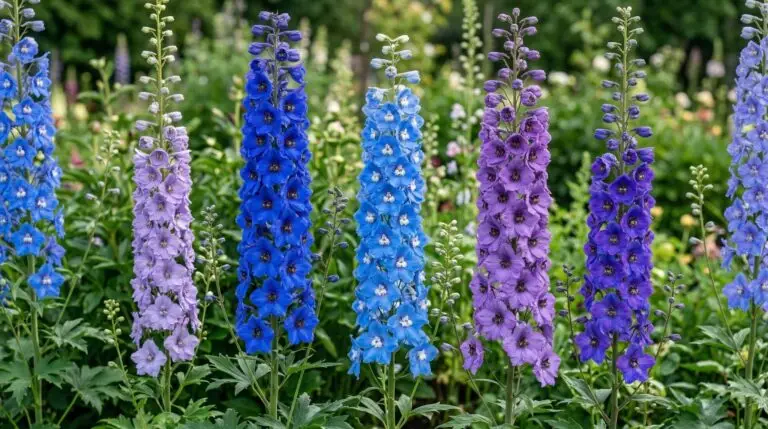
Best delphinium varieties from towering Pacific Giants to compact Magic Fountains
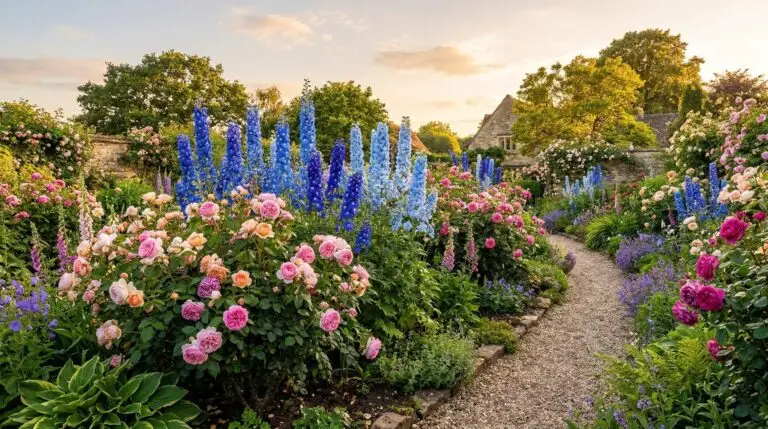
Companion plants for delphiniums that create a classic English cottage garden border
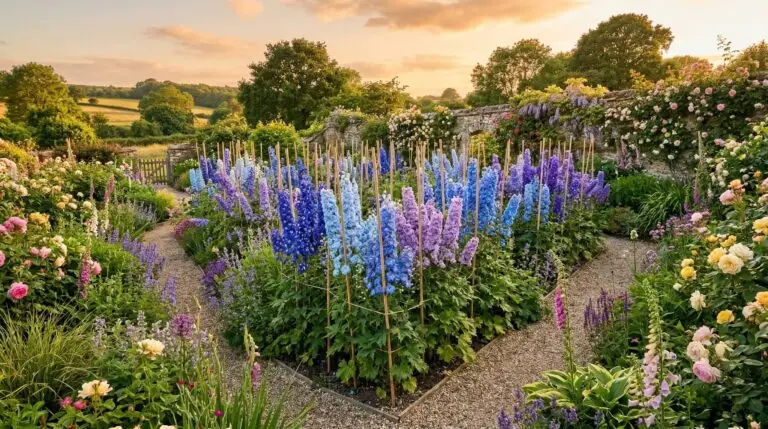
Staking delphiniums properly so tall flower spikes survive wind and rain storms
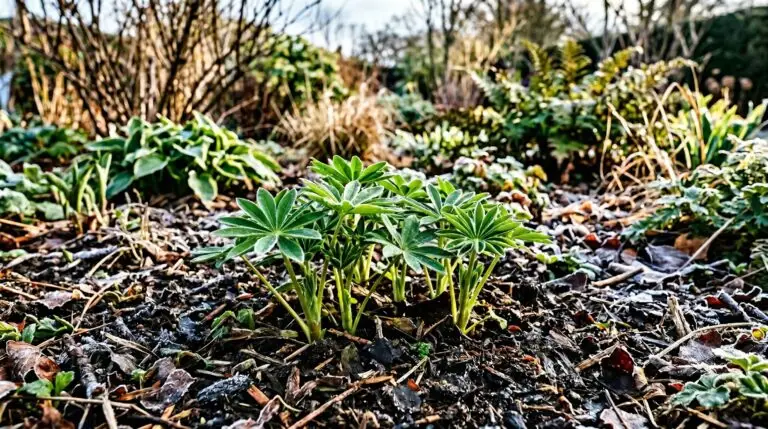
Growing delphiniums from seed and the patience required for first-year blooms
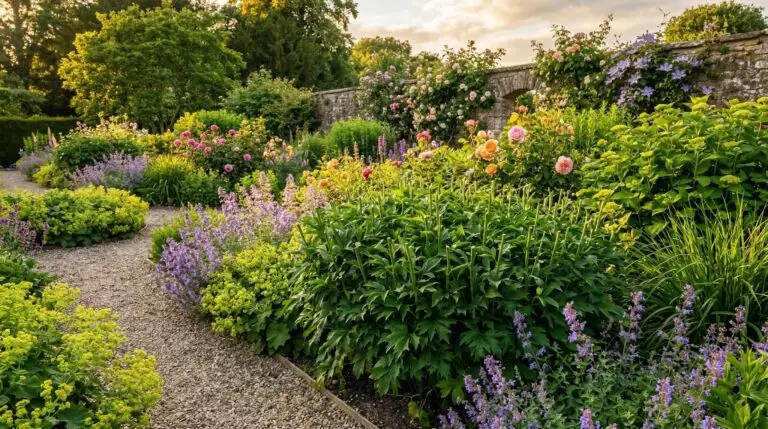
How to get delphiniums to rebloom by cutting back spent flower spikes
Why delphiniums are short-lived perennials and how to keep them coming back
Delphinium flower meaning and the symbolism of true blue in the garden