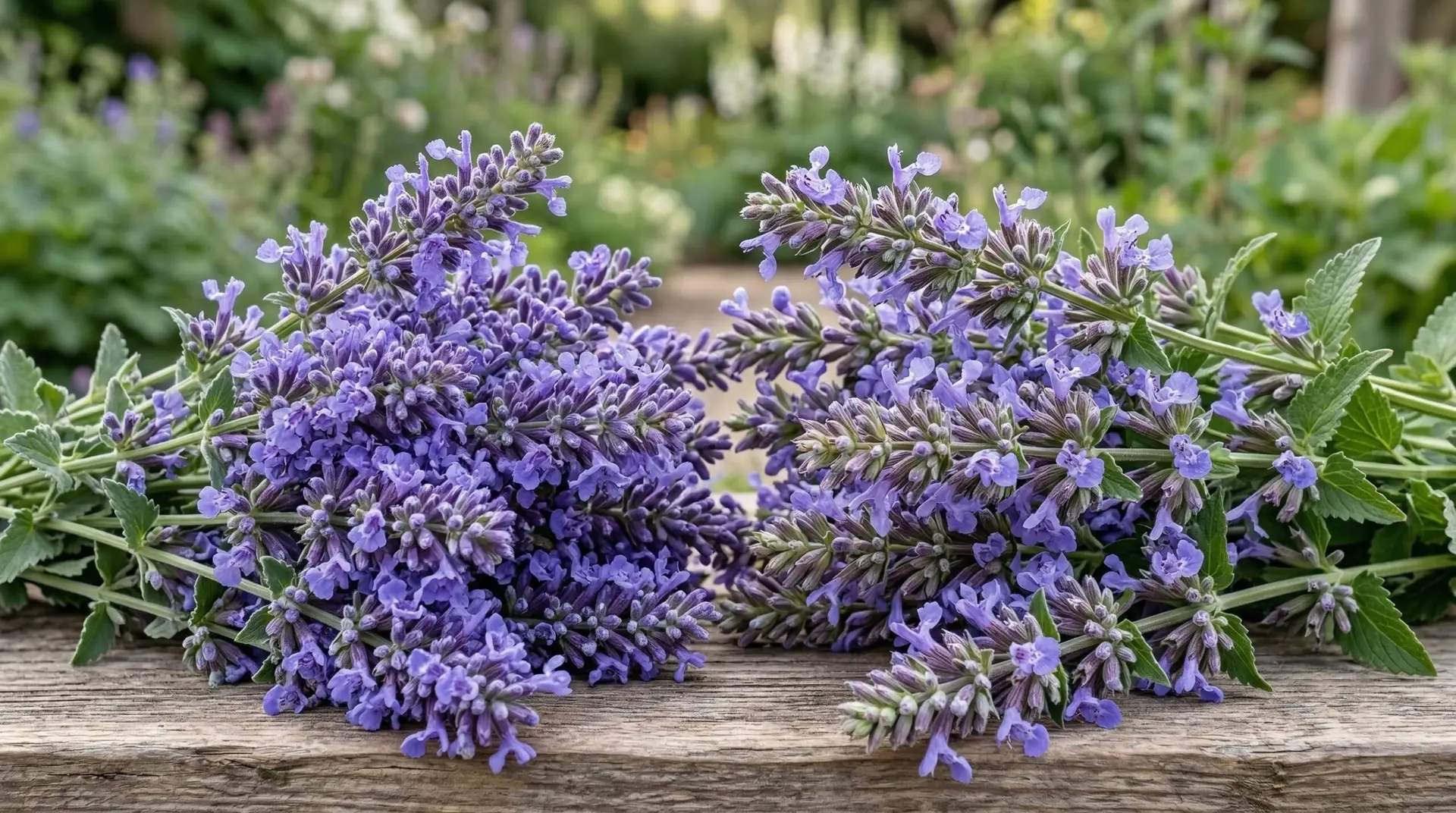
Gardeners looking to add a sweep of fragrant purple flowers and silvery foliage to a sunny border often find themselves choosing between catmint and lavender. Both of these perennials offer a classic Mediterranean look, attract countless bees, and thrive in full sun while resisting deer and rabbits. At first glance, they might seem interchangeable in a garden plan, especially when viewed from a distance where their soft purple mounds blur together. The reality is that these two plants have entirely different temperaments, soil requirements, and maintenance needs. Choosing the wrong one for your specific climate or soil type usually leads to a short-lived plant and a frustrating gardening experience. Understanding how catmint and lavender behave in the ground will help you decide which one belongs in your yard.
Assessing climate and winter hardiness
Catmint, known botanically as Nepeta, is an exceptionally tough perennial that survives harsh winters with very little complaint. Most popular varieties thrive all the way down to USDA hardiness zone 3, making them a reliable choice for northern gardeners who experience deep freezes and heavy snow cover. When the plant goes dormant in the winter, the top growth dies back completely to the crown, protecting the root system from freezing winds. This herbaceous habit means catmint does not suffer from the winter dieback of woody stems that plagues other perennials. It also tolerates the freeze and thaw cycles of early spring without rotting in the cold ground. If you live in a region with long, brutal winters, catmint offers peace of mind because it reliably emerges from the soil every spring.
As a woody subshrub native to the Mediterranean, lavender carries a much more delicate constitution when it comes to winter survival. It requires specific conditions to make it through the colder months, generally performing best in zones 5 through 9. The English varieties are the most cold hardy, but they still struggle if the winter brings heavy, wet snow or poor drainage rather than dry cold. Because lavender retains a woody structure above ground year round, harsh winter winds can easily desiccate the branches and kill portions of the plant. Gardeners in northern climates often find themselves replacing their plants every few years after a particularly wet or brutal winter takes a toll on the woody crowns. If your garden experiences freezing winter rain, keeping this Mediterranean native alive requires significant soil amendment and careful site selection.
Soil adaptability and watering needs
One of the greatest advantages of growing catmint is its sheer adaptability to less than ideal soil conditions. While it prefers well-drained soil, it grows perfectly fine in heavier clay soils that would quickly rot the roots of more sensitive plants. Catmint is highly drought tolerant once established, but it also handles periods of heavy summer rain without melting away or developing fungal diseases. You do not need to spend time mixing sand or gravel into your planting holes, and the plant rarely requires supplemental fertilizer to push out its abundant foliage. This forgiving nature makes it an excellent candidate for new gardeners or those dealing with standard, unamended suburban dirt.
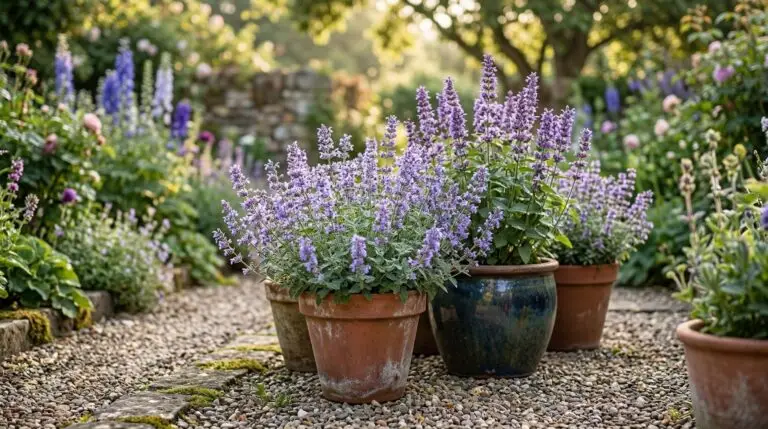
Lavender demands excellent drainage and will not compromise on this requirement under any circumstances. The roots are highly susceptible to rot, meaning planting it in heavy clay or low-lying areas that collect water is a guaranteed death sentence. To grow this plant successfully, you often need to plant it on a mound, mix generous amounts of coarse gravel or sand into the soil, and avoid organic mulches that hold moisture against the crown. It thrives in lean, rocky soils that mimic its native habitat, and adding compost or fertilizer actually harms the plant by encouraging weak, floppy growth. If your garden has rich, moisture-retentive soil, you will need to heavily modify the planting site or consider growing your plants in raised beds or terracotta pots.
Sometimes neither plant fits a specific garden bed perfectly, prompting gardeners to look for alternatives. If you want the height of a woody perennial but have slightly more forgiving soil, Russian sage offers a similar airy purple look with better cold hardiness. Conversely, if you prefer a tidy, upright habit in rich garden soil, blue salvia provides deep purple spikes without the strict drainage requirements of Mediterranean herbs. Evaluating your native soil structure is the single most important step before purchasing any of these drought-tolerant perennials.
Bloom times and pruning methods
The visual appeal of lavender centers on its stiff, upright flower spikes that rise neatly above a compact mound of silvery foliage. Most varieties produce one massive flush of blooms in early to mid-summer, filling the air with their famous clean, floral fragrance. Harvesting or deadheading these wands can sometimes encourage a smaller second flush late in the season, but the primary show is a singular event. Pruning this plant requires a careful hand, as you must trim the green growth back in late summer or early spring without cutting into the old, brown wood. Cutting into the old wood usually prevents the plant from generating new growth, leaving a permanent dead spot in the center of the mound. This strict pruning requirement means maintaining a tidy appearance takes a bit of technical knowledge and precise timing.
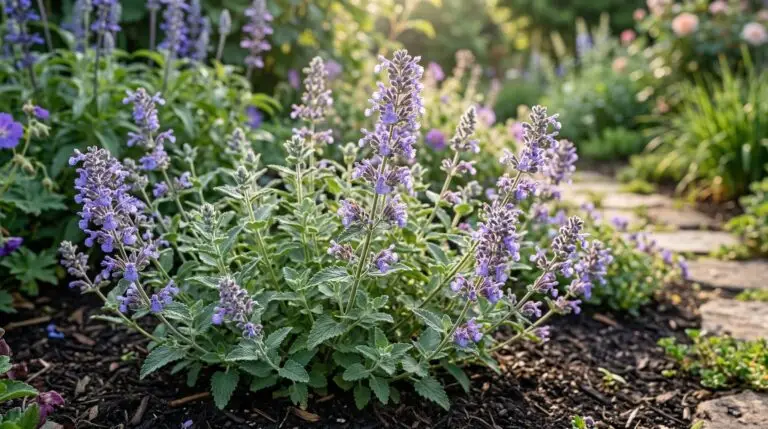
Catmint offers a much longer, looser floral display that begins in early summer and can easily last until the first frost with the right care. The flowers appear in loose, airy clusters on sprawling stems, creating a soft, cloud-like effect rather than stiff, formal spikes. After the first heavy flush of blooms begins to fade and the stems look untidy, you can shear the entire plant back to a few inches above the ground. Unlike woody herbs, catmint responds to this aggressive haircut by rapidly pushing out a fresh mound of foliage and a complete second round of flowers. You do not have to worry about cutting into old wood or finding the exact right node, making the maintenance practically foolproof. The foliage does have a distinct scent when crushed, but it leans toward a pungent, skunky mint aroma rather than a sweet floral perfume.
Making the right choice for your space
Gardeners who prioritize fragrance, culinary uses, or a structured, formal appearance will find lavender to be the superior choice. The upright wands are perfect for cutting, drying, and crafting, and the scent is unmatched in the botanical world. It works beautifully in rock gardens, along hot concrete walkways, or as a low hedge in formal herb gardens where the soil is lean and dry. If you have the right conditions and are willing to learn the proper pruning techniques, this plant provides an elegant, classic structure that anchors a sunny border. You just have to accept that it might require replacement every few years if a rough winter damages the woody base.
If your priority is low maintenance, continuous color, and absolute reliability, catmint is the clear winner for your garden. It fills large spaces quickly, spills softly over retaining walls, and softens the edges of hardscaping with its relaxed, billowing habit. You can plant it in heavy soil, ignore it during droughts, shear it back with hedge clippers, and it will still return bigger and better the following spring. It is an incredible workhorse in the perennial border, hiding the fading foliage of spring bulbs and blooming long after other perennials have gone to seed. By matching the plant to your specific soil type, climate, and maintenance preferences, you ensure a healthy, long-lasting display of purple flowers in your yard.
More About Catmint
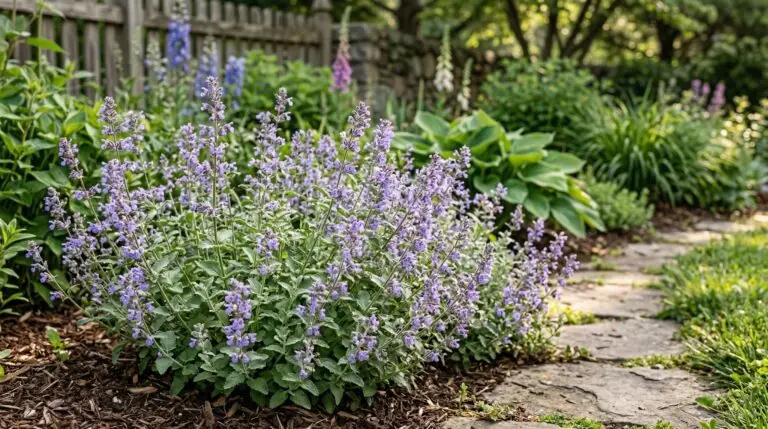
Catmint as the ultimate deer-resistant and drought-tolerant perennial for easy gardens

Designing a low-water perennial border with catmint as the anchor plant

How to shear back catmint for a second flush of blooms and a tidy appearance
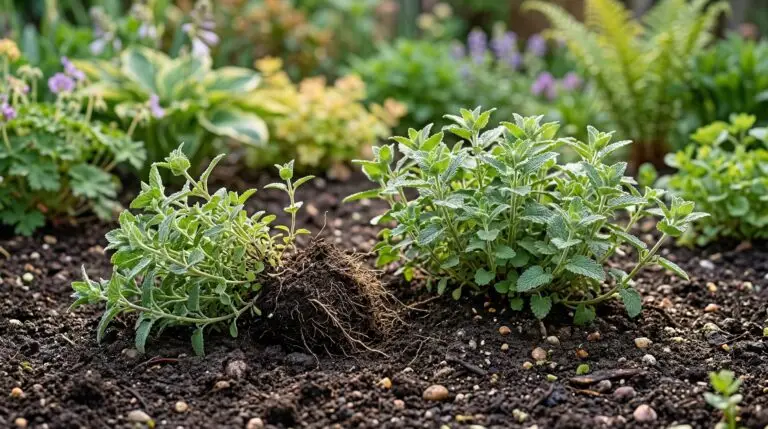
How to propagate catmint from stem cuttings and division in spring
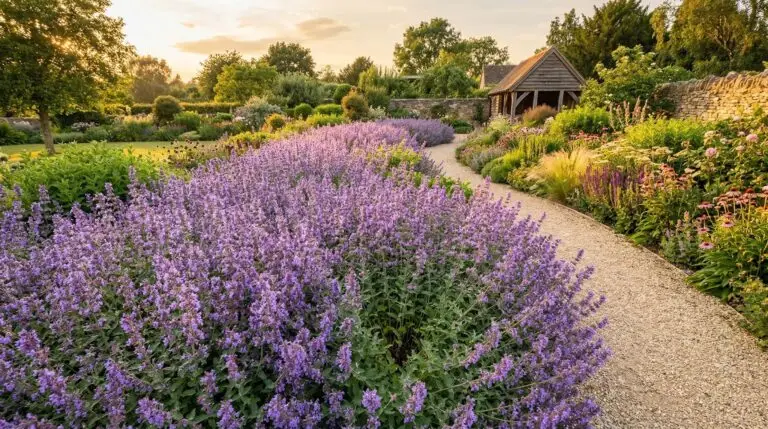
How to use catmint as a flowering ground cover that chokes out weeds
Catmint versus catnip and why they are different plants with different garden uses
Growing catmint in containers for a fragrant pollinator-friendly balcony
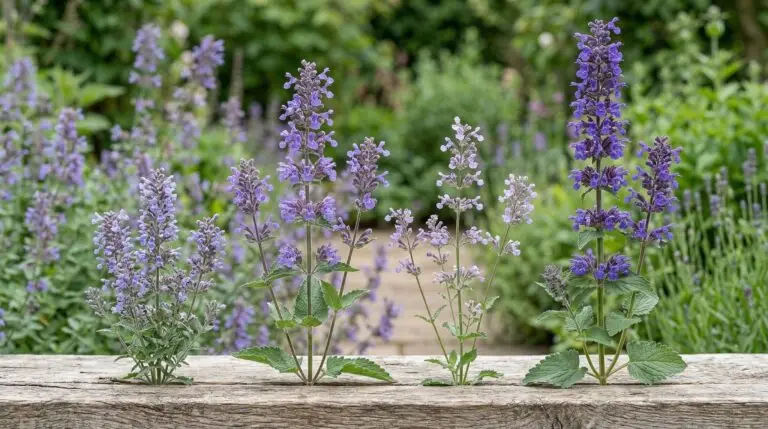
Best catmint varieties from compact Walker’s Low to towering Six Hills Giant