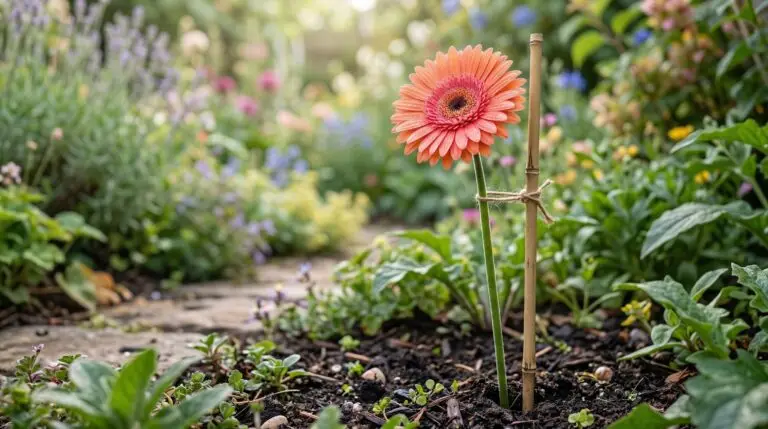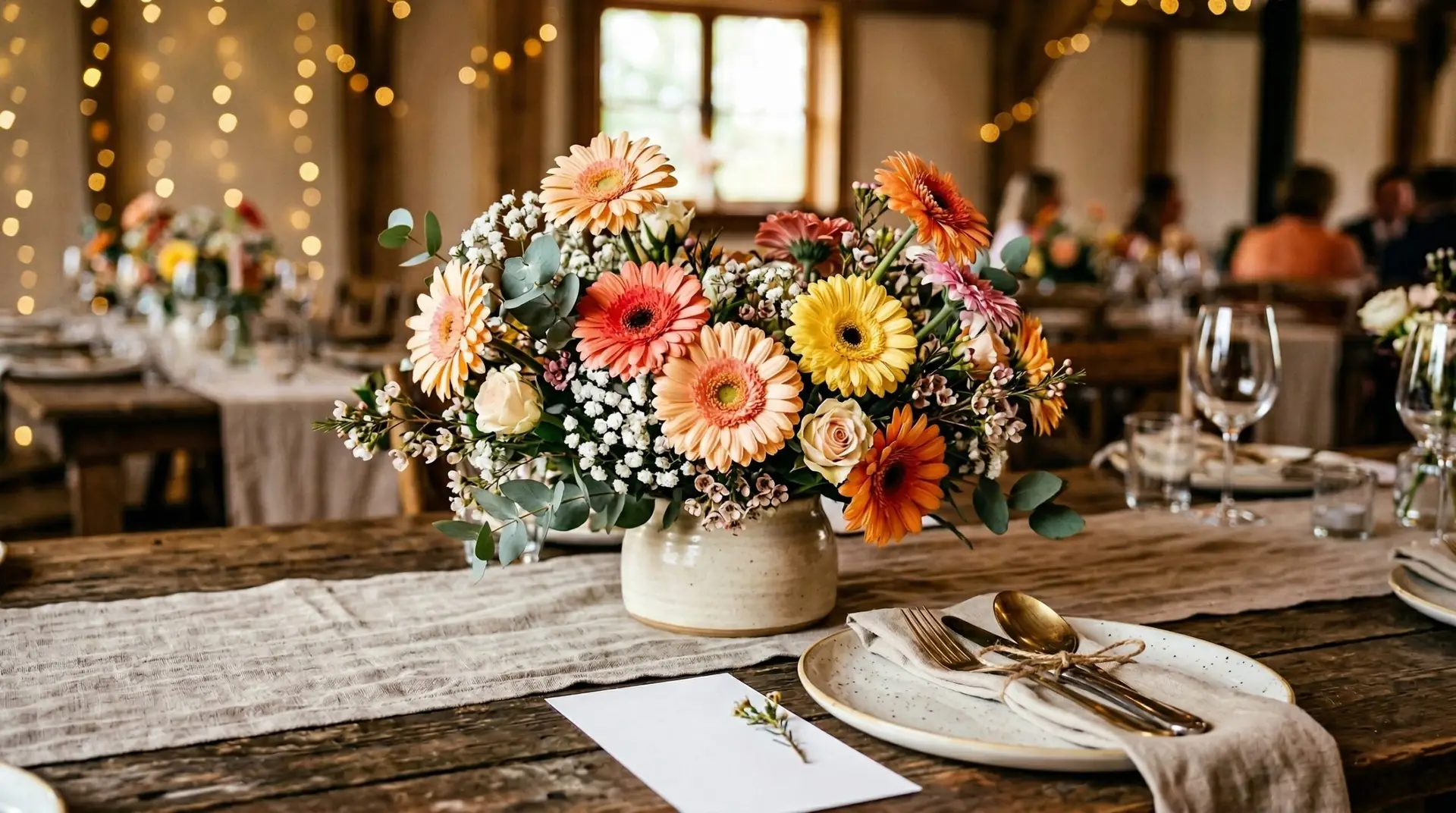
When you walk into a florist’s cooler on an early Thursday morning, the air hangs thick with the damp, earthy scent of cold water and crushed green leaves. Your eyes will immediately skip past the pale, tightly furled roses waiting in their buckets, drawn instead to the absolute saturation of the gerbera daisies. These blooms do not whisper or fade into the shadows, but rather speak with a flat, matte intensity that looks almost painted by hand. The petals radiate outward in perfect, geometric precision from a central disk that might be the deep, velvety black of a moth’s wing or the pale, fuzzy green of new moss. Lifting one heavy stem from the water, you feel the flower nod slightly, the weight of that massive sunburst head testing the strength of its thick, hollow stalk. The water they rest in must be changed frequently, as their fleshy stems degrade quickly in murky buckets, releasing a sharp, swampy odor if neglected. Bringing a gerbera daisy wedding arrangement into your hands feels like holding a bundle of pure, concentrated daylight, completely free of the heavy perfumes that usually accompany bridal blooms.
Bold colors for a joyful wedding palette
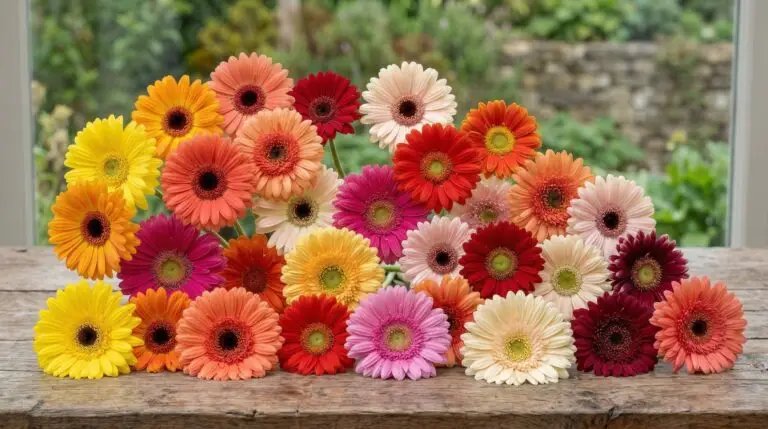
The color wheel of these daisies offers a distinct departure from the muted pastels and soft blushes that dominate traditional bridal design. You can find them in the exact shade of crushed raspberries, a deep magenta that absorbs the afternoon light and photographs with a rich, dark shadow. There are varieties in blinding, traffic-cone orange that look entirely at home next to a bright autumn sunflower in a rustic arrangement, and others in a pale, creamy buttercream yellow that glows softly against white satin. The petals possess a thick, suede-like texture that drinks in the light rather than reflecting it, giving the colors a solid, grounded appearance in a gerbera bridal bouquet. Because the stems are completely devoid of leaves, the eye is forced upward, resting entirely on that perfect, wheel-like face. They do not have the delicate, papery rustle of spring bulbs, feeling instead like soft, pliable cardboard between your fingers. Held outdoors under a bright midday sun, the colors seem to pulse against the deep green backdrop of a garden or the pale sand of a beach.
Preparing the fuzzy stems for a long day
To understand how these heavy-headed flowers survive a long celebration, you have to run your fingers down the length of their stems. The stalks are pale green, tubular, and covered in a fine, downy fuzz that feels like a peach skin beneath your thumb. Because these stems are hollow and fleshy rather than woody, they have a natural tendency to bend or snap under the sheer weight of the bloom as they drink water. Florists use a specific technique to keep them standing tall, carefully sliding a thin, rigid piece of florist wire straight up through the hollow center of the stalk until it pierces the firm base of the flower head. This internal support is completely invisible to the guests, leaving the smooth green line of the stalk uninterrupted. Sometimes, they wrap the wire in a tight spiral around the outside of the fuzzy stem, creating a delicate silver corset that holds the daisy perfectly upright. When you grip a wired bouquet, you can feel the hidden strength beneath the soft green fuzz, ensuring the flowers look exactly the same during the final evening dance as they did during the morning photographs.
Blending casual cheer with formal design
These flat, open faces bring a distinctly relaxed energy to floral arrangements, changing the entire mood of the space they occupy. A tight, perfectly round cluster of pure white gerberas against a formal gown creates a striking, modern silhouette that relies on repetition and geometry rather than soft romance. If you mix them loosely with trailing greenery and textured fillers, the mood shifts immediately to a backyard garden party, where the air smells of cut grass and warm earth. They lack the complex, folded mystery of a heavy dahlia bloom opening in late summer, offering instead an honest, open face that hides nothing from the viewer. This straightforward shape makes them highly adaptable, allowing you to build gerbera wedding flowers into tall, dramatic table centerpieces or bind them into small, cheerful posies for the wedding party. The dark-centered varieties provide a sharp visual anchor that draws the eye across a crowded banquet hall, cutting through the visual noise of crystal glasses and white linens. You can pair them with smooth river stones in the base of a clear vase to emphasize their clean, architectural lines.
The quiet earthy scent of the daisy
While many brides seek out heavy floral perfumes for their walk down the aisle, these bright blooms offer a completely different sensory experience. If you press your face close to the center disk, you will not find the sweet, heady fragrance of spring bulbs or summer vines. You catch a faint, dry scent that smells like warm field dust, crushed green stems, and the clean mineral tang of fresh water. This quiet earthiness is perfect for a crowded dining room, as the flowers will never compete with the aroma of the food or overwhelm guests sitting at the tables. The pollen on the central rings sometimes sheds a fine, bright yellow dust onto your fingertips if you brush against it too firmly. Handling them requires a gentle touch to keep the perfectly arranged petals from creasing, because a folded gerbera petal leaves a permanent, bruised line across its matte surface. The wide surface area of the bloom also catches falling dew or light mist, holding tiny, perfect spheres of water on the water-resistant petals for hours.
Finding fresh blooms in every season
Unlike many delicate garden flowers that refuse to bloom outside their narrow seasonal windows, these sturdy daisies are grown in climate-controlled glasshouses throughout the entire year. You can source a bright, saturated pink variety in the dead of winter, bringing a sudden flash of tropical heat to a snowy January afternoon. The petals hold up remarkably well in cold air, refusing to brown or curl at the edges when carried between a heated building and a freezing vehicle. In the high humidity of a late August afternoon, when thinner petals wilt and stick together, the thick, papery substance of the gerbera remains crisp and fully spread. They are also gentle on a floral budget, allowing you to fill large galvanized buckets or tall glass cylinders with dense blocks of color without counting every single stem. You can cut the stems extremely short to float the massive heads in shallow bowls of water, where they will spin slowly like brightly colored lily pads. When the celebration finally ends and the guests have gone home, a few stems left in a simple glass jar on a windowsill will catch the early morning light, their wide faces still open and bright against the quiet dawn.
More About Gerbera Daisy
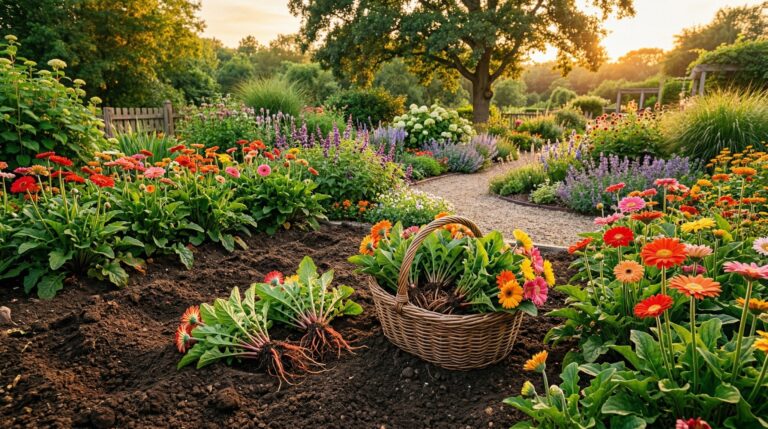
Overwintering gerbera daisies in cold climates and bringing them back year after year
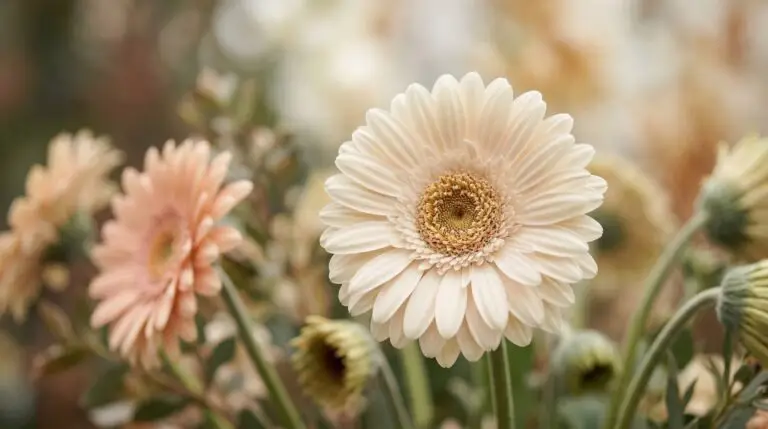
Gerbera daisy meaning and why these happy flowers represent cheerfulness and joy
How to grow gerbera daisies for bold cheerful color in gardens and containers
Why gerbera daisies die indoors and the crown rot problem that kills most gift plants
Garvinea gerberas the hardy outdoor series that changed gerbera gardening forever
Growing gerbera daisies from seed and the patience needed for these slow starters
Best gerbera daisy colors and varieties from classic red to novel spider types