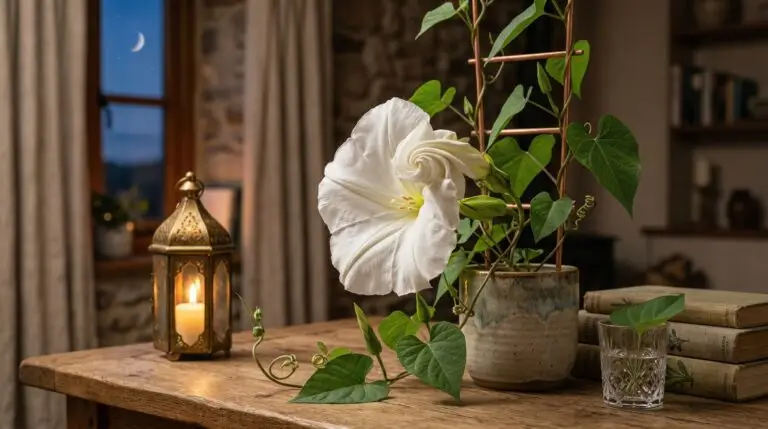
Have you ever planted a large, hard seed, watered it faithfully for weeks, and watched absolutely nothing happen? By the time we finish exploring how seeds wake up, you will understand exactly why some plants refuse to sprout and how you can give them the specific signals they are waiting for. Seeds are essentially tiny, self-contained survival capsules designed to wait for the perfect moment to grow. The moonflower is a perfect example of a plant that packages its next generation in a nearly waterproof armor. This armor prevents the seed from sprouting during a brief winter thaw, ensuring it waits for the consistent warmth of summer. To get these vines growing in our gardens, we have to learn how to bypass that armor safely.
Understanding the biological armor of seeds
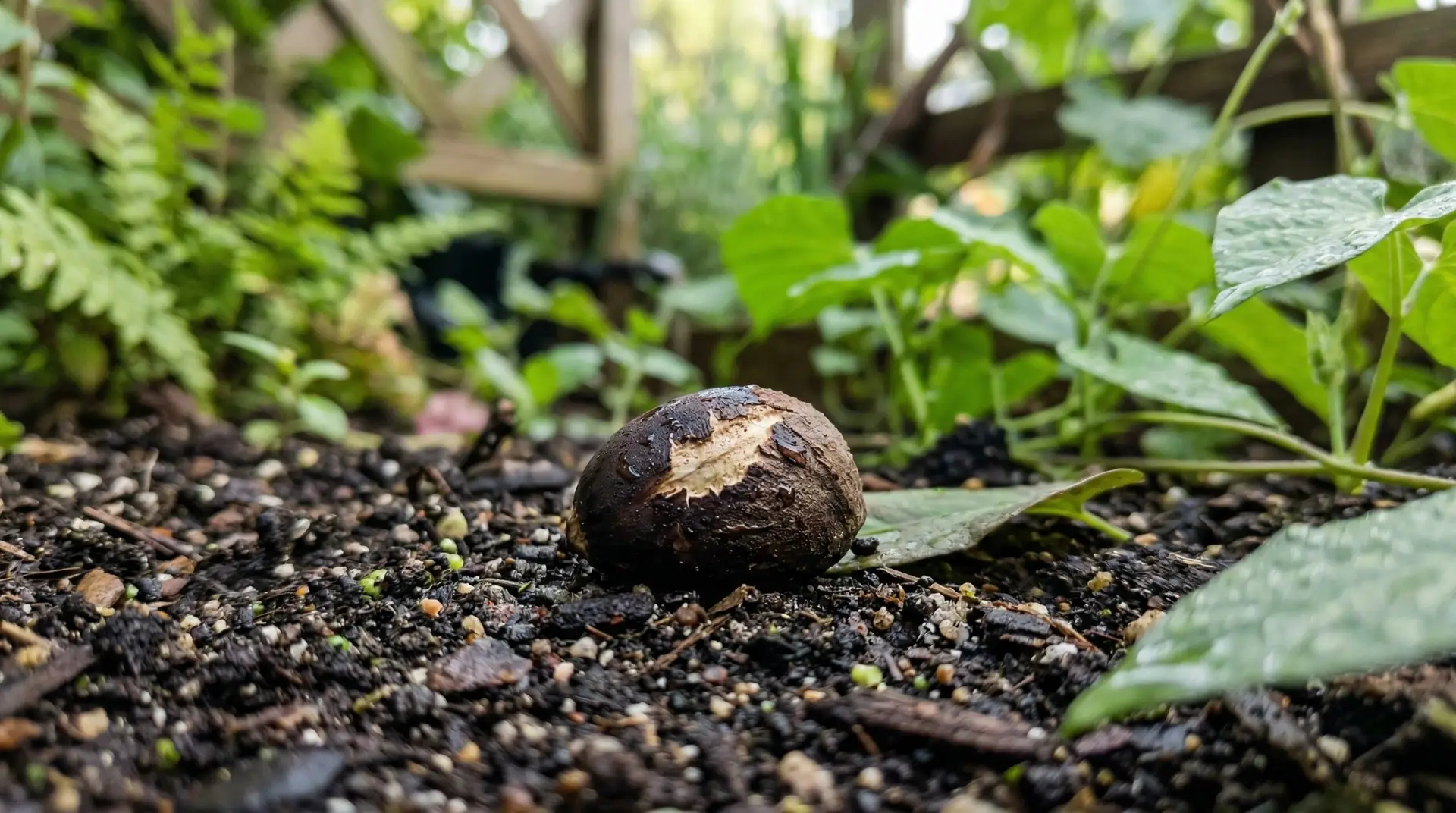
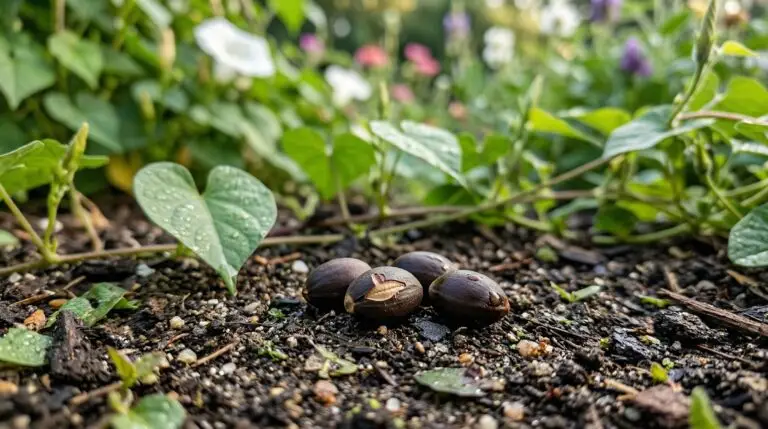
When you hold moonflower seeds in your hand, you will notice they feel like small, pale pebbles. That hard outer shell is called the seed coat, and its primary job is to keep moisture out until the environment is reliably warm and wet. In nature, these seeds might get scraped against rocks in a flood or slowly broken down by soil microbes over a long winter. As gardeners, we do not have the time to wait for those slow natural processes to break down the shell. If you simply press an untreated moonflower seed into potting soil, it might sit there for months without ever absorbing the water it needs to trigger germination. We have to actively intervene to let the water inside, a process botanists call scarification.
The concept of scarification might sound intimidating, but it is just a mechanical way of scratching the seed coat. Think of the seed coat like a thick raincoat worn over a dry sponge. As long as the raincoat is perfectly intact, you can drop the whole thing in a bucket of water and the sponge will stay completely dry. By making just one tiny tear in that raincoat, water can rush in and the sponge will swell to life. You only need to create a small opening in the seed coat to allow moisture to reach the dormant plant embryo inside. This might seem scary at first because you worry about hurting the plant, but the embryo is quite small and safely tucked away from the outer edges.
The nick and soak method for stubborn seeds
The most reliable way to start this process is by using a metal nail file or a piece of medium grit sandpaper. You want to gently rub the edge of the seed against the abrasive surface until you see a tiny color change, indicating you have broken through the outer shell. You do not need to file away half the seed, just enough to breach the surface layer. Once you have nicked the shell, the next step is to drop the seeds into a glass of warm water. The warmth of the water mimics the warm spring rains that signal the end of winter dormancy. Let the seeds sit in this water overnight, but no longer than twenty-four hours to prevent them from drowning.
When you check your glass the next morning, you will likely see a dramatic transformation. The seeds that successfully absorbed water will have swelled up to twice their original size and might look slightly soft or plump. If a few seeds still look like hard little pebbles, you can take them out, file them a tiny bit more, and give them another few hours in the water. This nick and soak technique is a foundational gardening skill that applies to many plants with hard shells. For example, if you are growing morning glories, which are close relatives of the moonflower, you will use this exact same method. You can also use this approach to speed up germination for tough perennial seeds like lupine, saving you weeks of waiting.
Warm soil and the timing of planting
Once your seeds are plump and full of water, they are incredibly vulnerable and must be planted immediately. Starting moonflower from seed requires warm soil, ideally between seventy and eighty degrees Fahrenheit. If you place a swollen, water-logged seed into cold, damp garden soil, it will almost certainly rot before it has a chance to grow. The seed has spent all its energy waking up, and cold soil essentially shuts down its metabolism while soil fungi move in. Because of this strict temperature requirement, many gardeners choose to start their seeds indoors under warm grow lights about four weeks before their last frost date. This gives the vines a head start in a controlled, warm environment where you can monitor their progress.
There is a catch to starting these vines indoors that you need to be prepared for. Moonflowers develop a sensitive taproot very early in their life cycle, and they absolutely hate having their roots disturbed. If you pull them roughly out of a plastic nursery pot, they will often go into shock and stall their growth for weeks. To avoid this, it is best to plant the seeds in biodegradable pots that can be planted directly into the ground, or handle the soil block with extreme care during transplanting. Alternatively, if you live in a climate with long, hot summers, you can skip the indoor setup entirely. You can direct sow the nicked and soaked seeds right into the garden beds once the soil feels warm to the touch in late spring.
Managing rapid growth after germination
Successful moonflower germination happens quite fast once the seed coat is breached and the soil is warm. You will usually see the thick, folded seed leaves push through the soil surface within five to seven days of planting. These initial leaves look a bit like butterfly wings and are much thicker than the leaves of a standard vegetable seedling. From this point forward, the plant shifts into an aggressive growth phase, putting on inches of vine every single week. Because they grow so rapidly, they need immediate access to something they can climb. If you wait too long to provide a trellis, the vines will flop over and tangle together on the ground.
Providing a sturdy structure right when the seedlings emerge gives the young tendrils something to grab onto immediately. Think of the young vine like a person feeling their way around a dark room; the moment they touch a solid support, they anchor themselves and pull upward. Getting the hang of scarifying seeds and managing sensitive roots takes a season or two to get a feel for, and that is completely normal. The core principle to take away is that seeds are not dead objects waiting for magic, but living organisms waiting for specific environmental cues. By physically opening the seed coat and providing consistent warmth, you are simply giving the plant the exact signals it needs to wake up and start growing.
More About Moonflower

Creating a moonlight garden with moonflowers and other white flowers that glow after dark
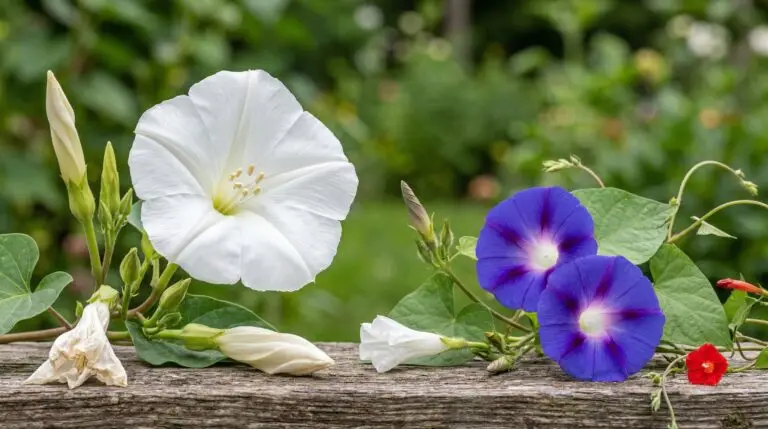
Moonflowers versus morning glories and growing both for day and night garden beauty
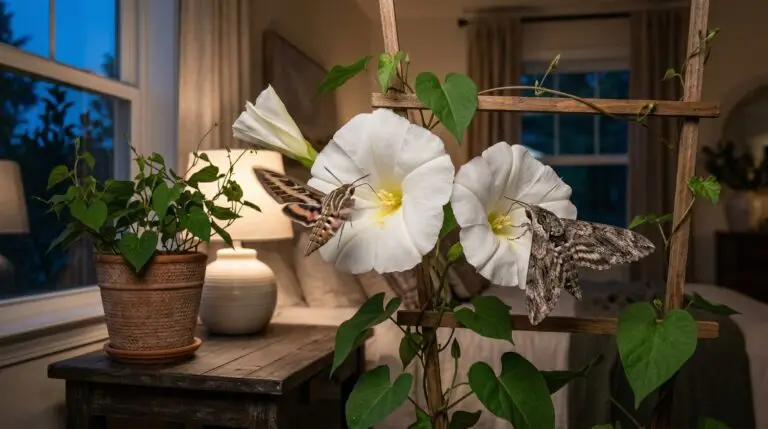
Moonflower pollinators and the fascinating world of hawk moths and night-flying creatures
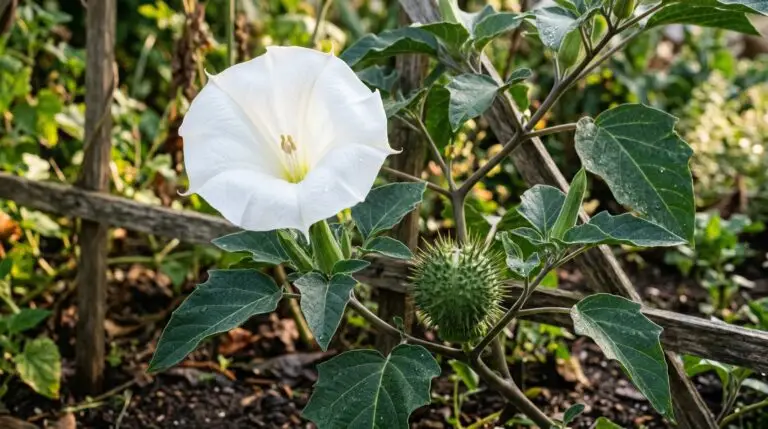
Why moonflowers are toxic and the important safety warnings for gardens with children and pets
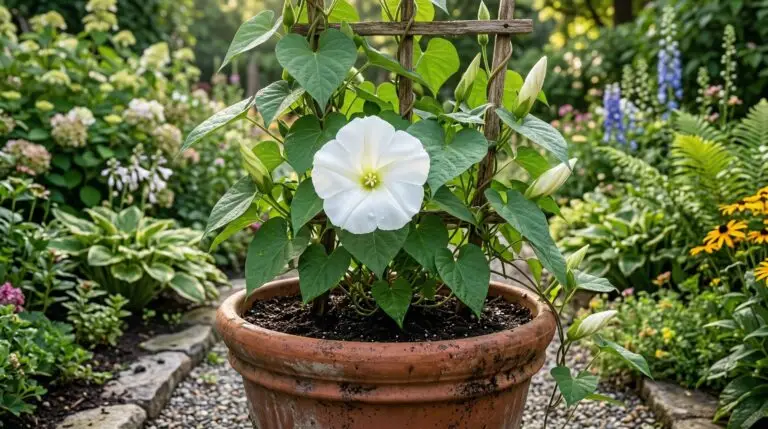
Moonflowers in containers for apartment balconies and small space evening gardens

Training moonflower vines on arbors and trellises for a dramatic nighttime garden feature
How to grow moonflowers for enormous white blooms that open at dusk and glow in moonlight
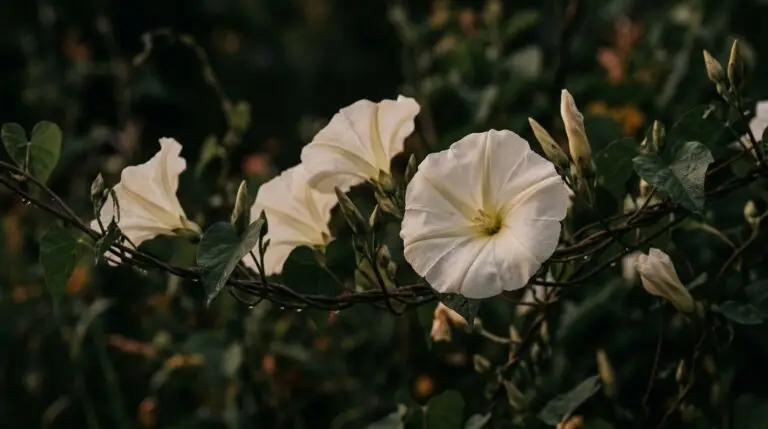
Moonflower flower meaning and the romance of night-blooming flowers in garden lore