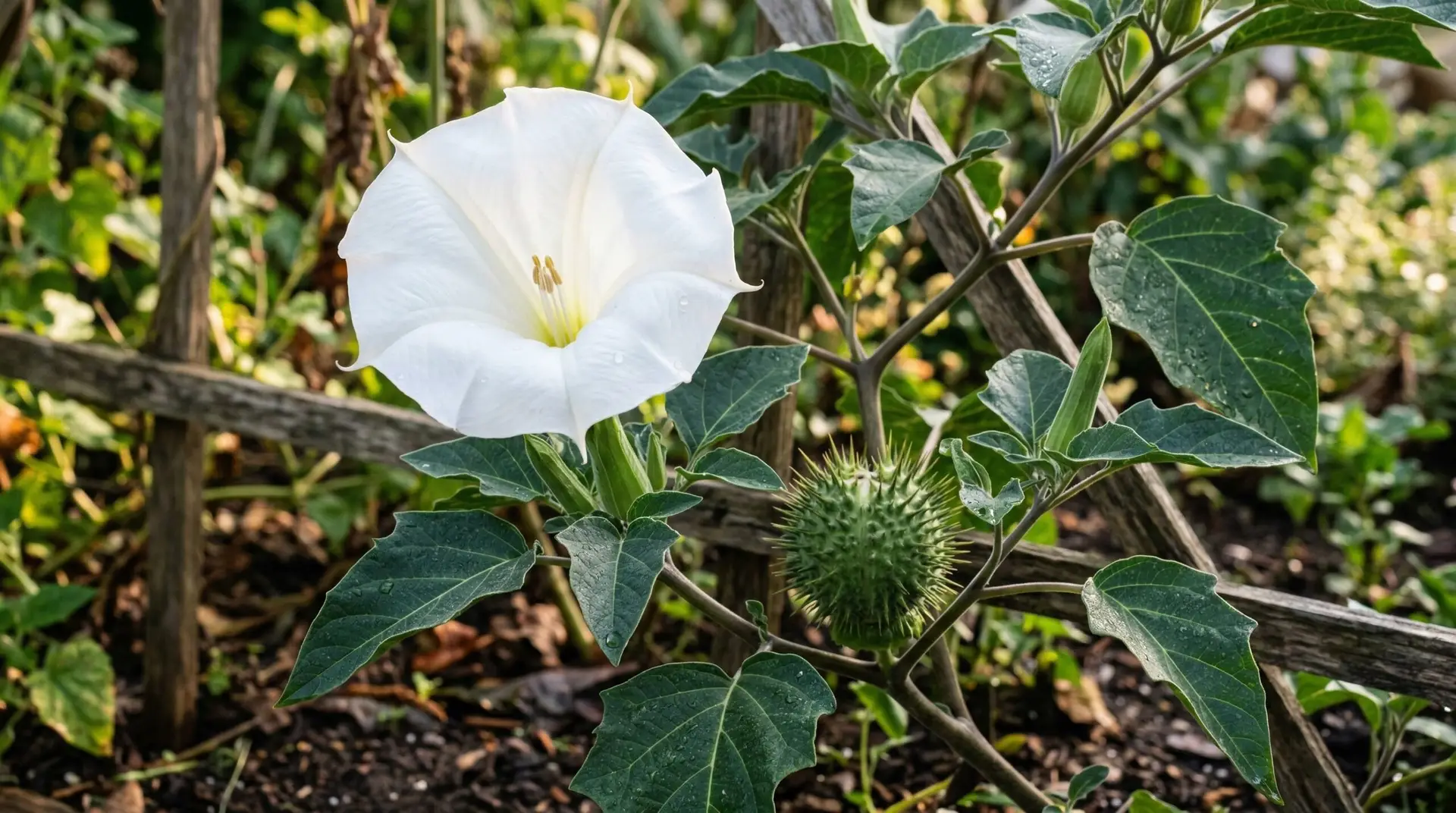
The most important fact about growing moonflowers is recognizing exactly which plant you actually have in your yard. The common name “moonflower” applies to two entirely different genera, Ipomoea alba and Datura inoxia, and both present significant but distinct toxicity risks. Datura species contain potent tropane alkaloids that cause severe neurological and physical distress in humans and animals. Ipomoea alba belongs to the same family as morning glories and contains different compounds that cause intense gastrointestinal distress and hallucinations when ingested. You must treat every part of either plant as hazardous material, especially the seeds where the toxic compounds concentrate most heavily. Understanding this distinction dictates exactly how you handle, plant, and manage these night-blooming vines and shrubs. If you bring a moonflower into your garden without knowing its botanical identity, you are introducing an unknown chemical hazard to your property.
Contents 5 sections
The botanical confusion behind the toxicity
Many gardeners purchase moonflower seeds without checking the botanical name on the packet. Datura inoxia grows as a sprawling, bushy shrub with upward-facing trumpet blooms and spiky seed pods. Every tissue in a Datura plant contains atropine, scopolamine, and hyoscyamine, making it one of the most dangerous ornamentals legally sold in nurseries. Ipomoea alba grows as a vigorous climbing vine with smooth, teardrop-shaped seed pods. While less lethal than Datura, the seeds of Ipomoea alba contain ergine, an ergot alkaloid that triggers intense nausea, vomiting, and psychological distress. You must identify your specific plant before deciding where it belongs in your garden plan. Assuming a vine is safe just because it lacks the spiky pods of a Datura is a common and dangerous mistake. Even the nectar inside the deep white throats of these flowers carries trace amounts of these defense chemicals.
Alkaloid profiles and physiological effects
The tropane alkaloids in Datura act as anticholinergic agents, blocking specific neurotransmitters in the central and peripheral nervous systems. Ingestion by a child or pet leads rapidly to dilated pupils, elevated heart rate, severe dry mouth, and dangerous spikes in body temperature. Animals grazing on the foliage or fallen flowers will exhibit confusion, aggressive behavior, and loss of coordination before progressing to seizures or respiratory failure. The toxicity remains potent even after the plant material dries out and dies back in late autumn. Similar to the toxic bulbs of daffodils, the roots and seeds harbor the highest concentration of these defense chemicals. Medical intervention or immediate veterinary care is strictly required if you suspect any part of a Datura plant has been consumed. There is no home remedy for tropane alkaloid poisoning, and waiting to see if symptoms resolve on their own can easily prove fatal.
Safe placement in residential gardens
You cannot rely on supervision alone to protect children and pets from toxic garden plants. Siting these plants requires physical barriers and deliberate distance from high-traffic areas, play structures, and pet enclosures. Plant Datura shrubs in raised beds or behind sturdy fencing where dogs cannot reach the lower foliage or dig near the roots. Train Ipomoea alba vines up tall trellises or pergolas that start several feet off the ground, ensuring the toxic lower leaves remain out of casual reach. You must clear the ground below these plants regularly, as dropped flowers and mature seed pods present an immediate ingestion hazard to curious toddlers or foraging animals. Dogs are particularly vulnerable to fallen seed pods, as the hard casings can resemble chew toys scattered in the dirt. If you cannot guarantee a secure perimeter around the planting site, you should select a different night-blooming species entirely.
Handling protocols and disposal methods
Skin contact with the sap of either moonflower variety can cause contact dermatitis and transfer toxic compounds to your eyes or mouth. Wear heavy nitrile or rubber-coated gloves when pruning foliage, deadheading spent blooms, or harvesting seed pods. Wash your hands and tools immediately with strong soap and water after working near these plants. Never burn the dead vines, leaves, or woody stalks of a Datura plant at the end of the season. Inhaling the smoke from burning tropane alkaloids can cause the same severe anticholinergic poisoning as eating the raw seeds. Bag the debris securely and place it in your municipal trash rather than adding it to a residential compost pile where pets or local wildlife might scavenge. Managing a moonflower safely means treating its disposal with the exact same caution you apply to its active growth.
Identifying exposure in domestic animals
Cats rarely chew on the broad, coarse leaves of moonflowers, but dogs and grazing animals like goats or horses are highly susceptible to accidental ingestion. The first signs of poisoning in a dog often mimic heatstroke, including excessive panting, red gums, and a frantic, unsettled demeanor. Because the alkaloids inhibit normal digestion, the animal will likely experience severe abdominal pain and an inability to vomit up the offending plant material. If you find a chewed seed pod or shredded foliage near your moonflower, do not wait for the animal to display physical symptoms. Take the remaining plant parts with you to the emergency veterinarian so they can administer the correct counteracting medications immediately. Activated charcoal is only effective if administered shortly after ingestion, making rapid response your only reliable defense.
More About Moonflower
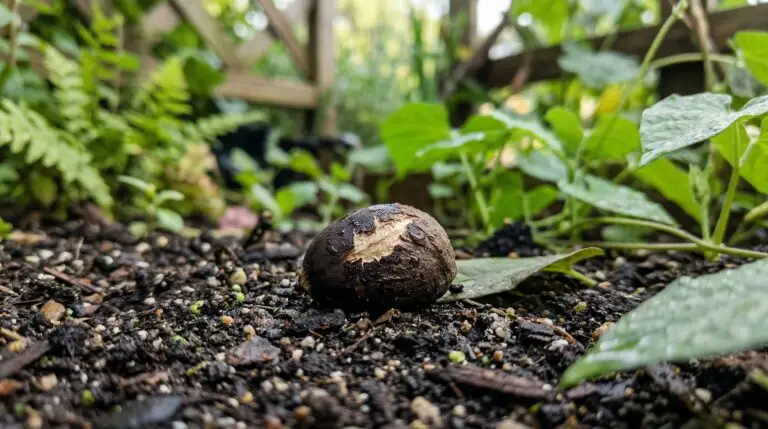
Growing moonflowers from seed and the nick-and-soak method for stubborn hard seeds

Creating a moonlight garden with moonflowers and other white flowers that glow after dark
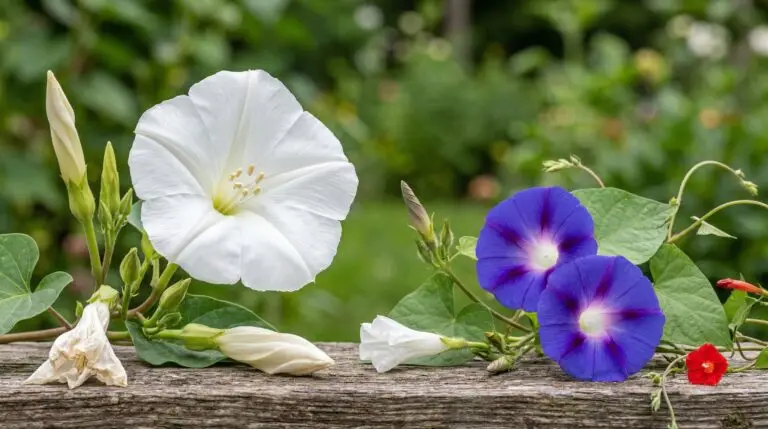
Moonflowers versus morning glories and growing both for day and night garden beauty
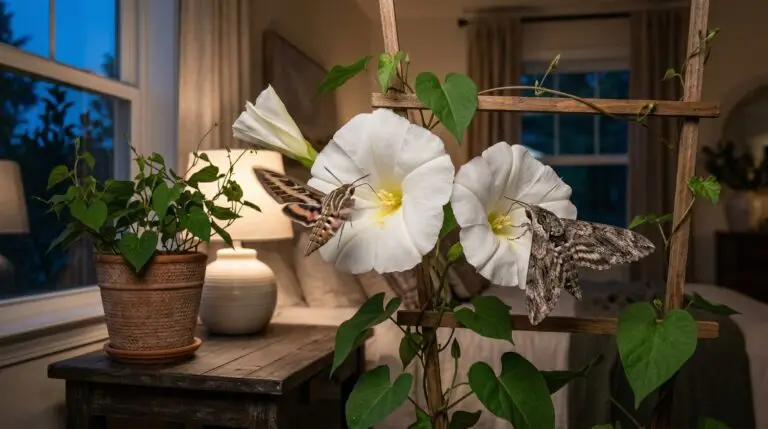
Moonflower pollinators and the fascinating world of hawk moths and night-flying creatures
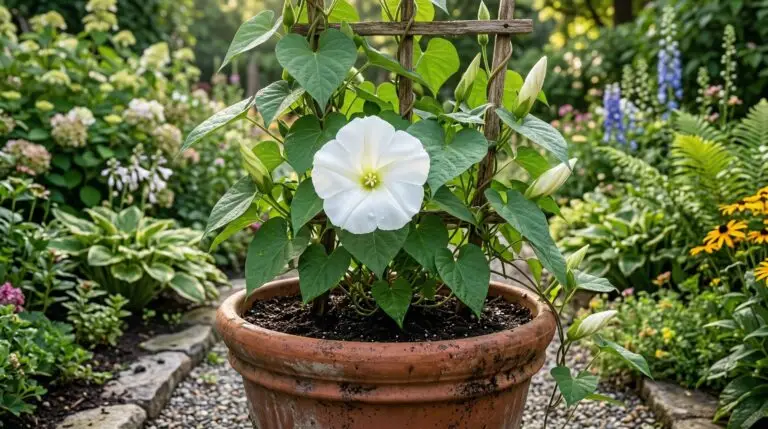
Moonflowers in containers for apartment balconies and small space evening gardens

Training moonflower vines on arbors and trellises for a dramatic nighttime garden feature
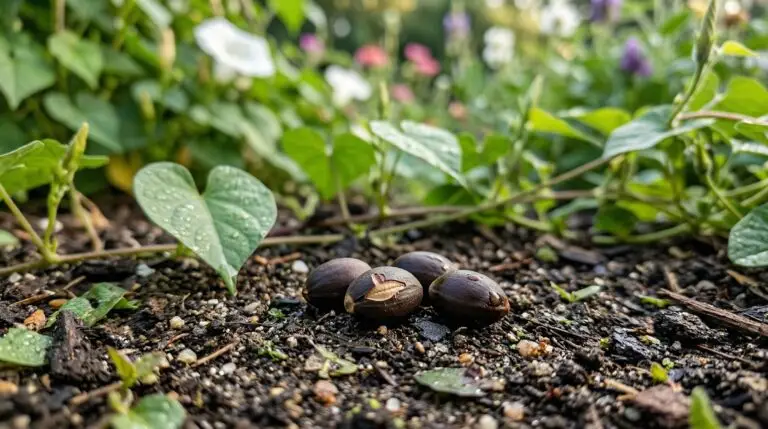
How to grow moonflowers for enormous white blooms that open at dusk and glow in moonlight
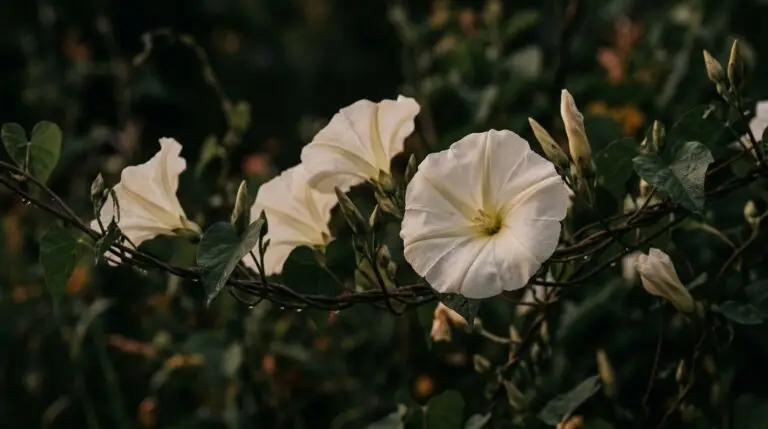
Moonflower flower meaning and the romance of night-blooming flowers in garden lore
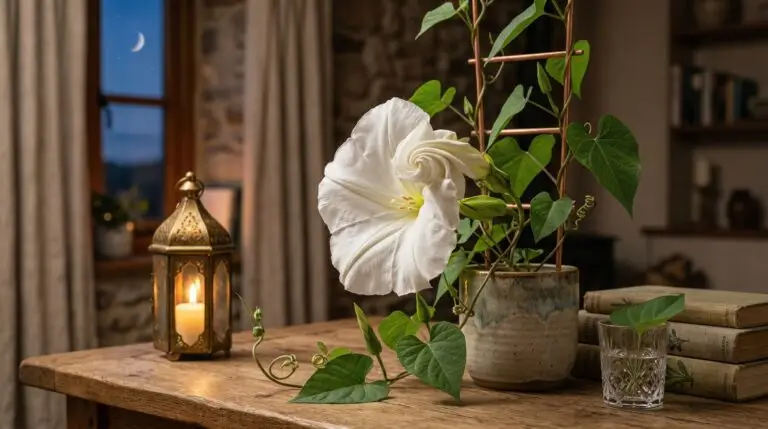
Watching moonflowers open at sunset and the garden ritual of evening flower watching
Enjoying our flower guides? Add YourFlowersGuide as a preferred source on Google. It helps more readers find us.
Add to Preferred Sources