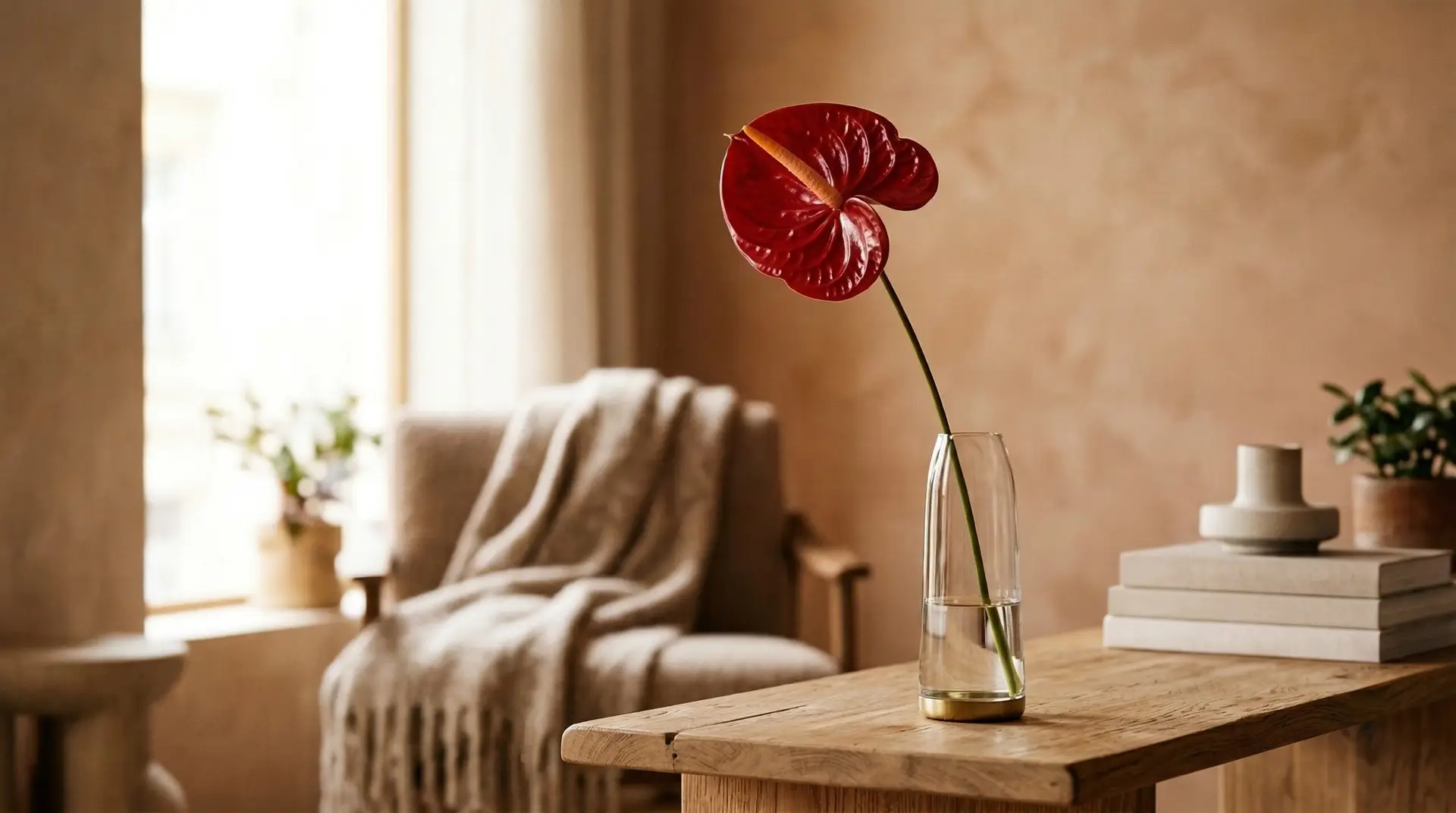
Morning light slants across the wooden table, catching the high-gloss surface of a single anthurium flower. The spathe is not a true petal, but a modified leaf that feels exactly like patent leather beneath your fingertips. It holds a saturated cherry red that seems to pulse against the stark white walls of the room. From the center of this perfect, waxy heart rises the spadix, a pale yellow spike covered in tiny, rough bumps that catch the dust motes dancing in the sunbeams. There is a quiet weight to this plant, a heavy stillness that anchors the empty space around it. You can almost smell the faint, damp earth of the greenhouse where it grew, lingering just beneath the clean, dry air of the modern living room.
Placing an anthurium in a minimalist home feels like positioning a piece of modern sculpture. The stems are thick, smooth, and a bright apple green, holding the heavy blooms aloft with unbending strength. Unlike delicate spring blossoms that drop papery petals at the slightest breeze, these tropical natives remain completely unfazed by the movement in a room. They possess a rigid, architectural quality that demands a second look from anyone walking past the table. When you touch the surface, you expect it to feel cold and artificial, but instead, it carries the faint, living warmth of a tropical understory. The reflection of the window pane curves perfectly across the glossy red surface, changing shape as the sun moves across the sky.
Contents 4 sections
The architecture of a single stem
A heavy glass cylinder filled with cool, clear water creates a solid foundation for a solitary anthurium display. You cut the thick green stem at a sharp angle, feeling the crisp resistance of the plant tissue against your shears. Lowering the stem into the water creates a magnifying effect, turning the submerged portion into a thick, pale green pillar. The flower head rests just above the rim of the glass, its heart shape tipping slightly forward as if observing the room. This isolation strips away the visual noise of a traditional mixed bouquet, forcing the eye to trace the sharp lines and smooth curves of the spathe. The arrangement relies entirely on negative space, letting the empty air around the bloom become an essential part of the design.
As the afternoon light shifts, the anthurium changes character entirely. The bright, lacquered red deepens into a bruised plum color in the shadows, while the yellow spadix takes on a muted mustard tone. If you choose a pale green variety instead, the edges of the spathe turn almost translucent when backlit by a western-facing window. These quiet transformations make the single-stem arrangement feel alive and responsive to the rhythm of the day. You might place a moth orchid nearby on a separate pedestal, letting the soft, moth-like wings of the orchid contrast with the hard, shield-like face of the anthurium. Together, they create a silent dialogue of opposing textures in the fading light.
Color blocking with waxy petals
Modern floral design relies on solid masses of color to create visual impact against neutral backgrounds. You can gather five or six anthurium stems of the exact same shade and bind them tightly together in a low, matte black ceramic bowl. The deep chocolate varieties, which photograph almost black, absorb the light and create a dense, mysterious void in the center of a brightly lit room. Conversely, a tight cluster of pure white anthuriums looks like carved marble, their pale surfaces reflecting a soft, diffused glow onto the table below. The uniformity of the color draws attention to the subtle variations in size and the slight twists in the spadix of each individual flower. You smell nothing sweet here, only the clean, watery scent of freshly cut stems and wet clay.
Mixing colors requires a deliberate hand to maintain the minimalist aesthetic. You might pair a soft blush pink anthurium, the exact shade of early morning clouds, with a harsh, saturated magenta bloom. The clash of these two tones creates a visual tension that feels intentional and modern. Standing them in separate, identical vases along a narrow hallway shelf turns a simple floral display into an art installation. The rigid stems keep the blooms facing precisely where you direct them, never drooping or turning their faces away from the light. You can walk the length of the hall and watch how the alternating colors play against the shadows of the wall.
Pairing with tropical foliage
While the anthurium is beautiful on its own, it forms striking alliances with large, leathery tropical leaves. You can tuck a single, massive monstera leaf behind a bright red anthurium, letting the deep forest green of the foliage push the red into an even higher contrast. The deep splits in the monstera leaf provide windows of negative space that break up the heavy visual weight of the arrangement. Sometimes, a tall, spear-like bird of paradise leaf adds a necessary vertical line, drawing the eye upward toward the ceiling. The textures remain entirely consistent, all thick, waxy, and built to withstand heavy tropical downpours. You run your hand over the arrangement and feel only smooth, water-resistant surfaces that shed dust and moisture with equal ease.
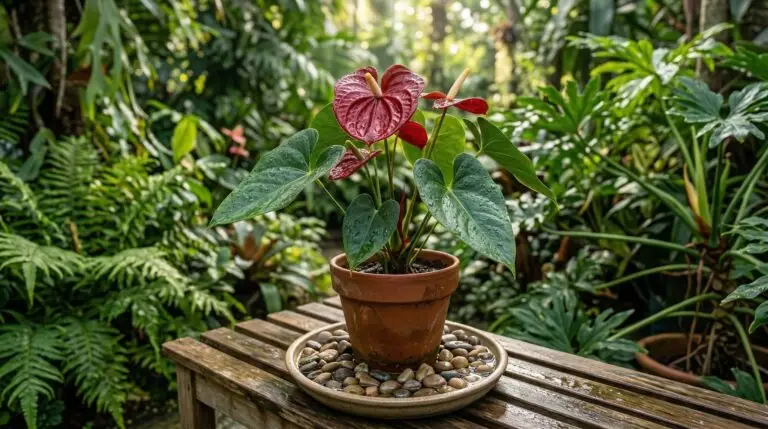
The container you choose for these tropical pairings changes the entire mood of the display. A rough, unglazed terracotta pot grounds the shiny leaves in a dry, earthy texture, reminding you of baked dirt in the midday sun. If you prefer a cooler atmosphere, a brushed steel vase reflects the ambient light and makes the green stems look almost metallic. You can weave a smooth, curving calla lily through the stiff anthurium stems, letting the soft, pliable trumpet of the lily soften the hard angles of the arrangement. The water inside the vase grows slightly cloudy over the days, carrying the green, herbaceous smell of cut sap. You must change this water frequently, feeling the slick film that builds up on the submerged stems before rinsing them clean under a cold tap.
Caring for the indoor display
Keeping anthurium flowers looking like freshly polished glass requires a gentle, attentive routine. You will notice a fine layer of household dust settling on the broad, flat spathes after a few days in a quiet room. You must take a soft, damp cloth and wipe each flower face individually, feeling the rigid veins beneath the shiny surface. The water in the vase needs to remain cold and clear to prevent the stems from softening and collapsing under the weight of the heavy blooms. When you trim the ends every few days, you need heavy, sharp clippers to slice cleanly through the dense, fibrous green tissue. The cut ends smell sharply green and astringent, a brief burst of the jungle released into your kitchen sink.
If you are growing the plant in soil rather than displaying cut stems, the sensory cues for watering are very specific. You will know the soil is right when it feels exactly like a wrung-out sponge in your hand, slightly cool and damp but never dripping wet. The thick, pale roots sometimes push their way out of the dark potting mix, searching for the humid air they crave. You can mist the leaves with a fine spray of room-temperature water, watching the tiny droplets bead up and roll off the waxy surfaces. The plant breathes in the warmth of the room, slowly unfurling a new leaf that starts as a tightly rolled, pale green spear before flattening out. This slow, deliberate growth matches the quiet, unhurried atmosphere of a minimalist space.
Late at night, with only a single reading lamp illuminated in the corner of the room, the anthurium takes on its most dramatic form. The glossy surface of the red spathe catches the artificial light, throwing a sharp, brilliant highlight against the surrounding darkness. The pale spadix casts a long, thin shadow across the wall, looking like the hand of a sundial marking the quiet hours. There is no sweet perfume to distract you, no dropping petals to sweep up from the floor, only this solid, unchanging presence. You leave the room and look back from the doorway, seeing the flower standing perfectly still in the glass vase. It remains a permanent piece of the evening architecture, holding the light long after the rest of the house has gone to sleep.
More About Anthurium
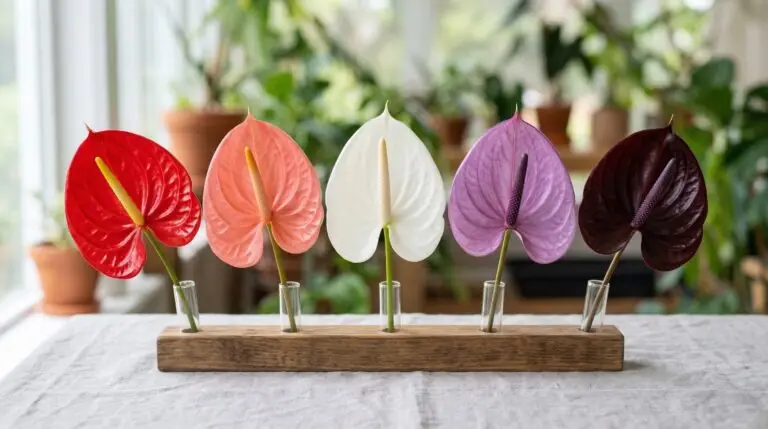
Anthurium versus peace lily and which tropical houseplant suits your home better
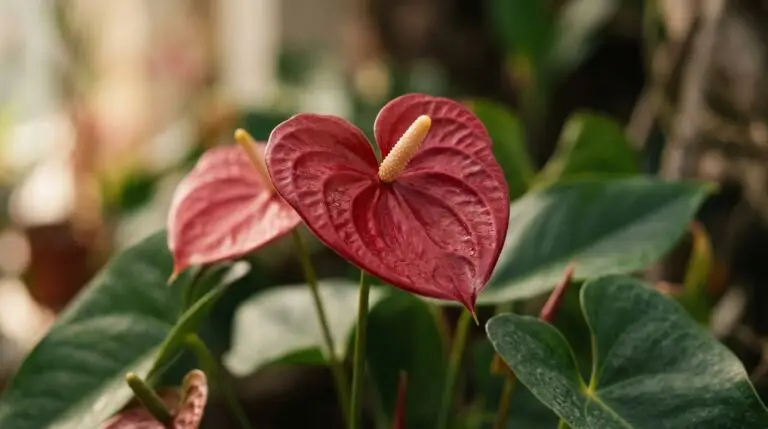
Anthurium flower meaning and why it is the perfect gift for lasting love
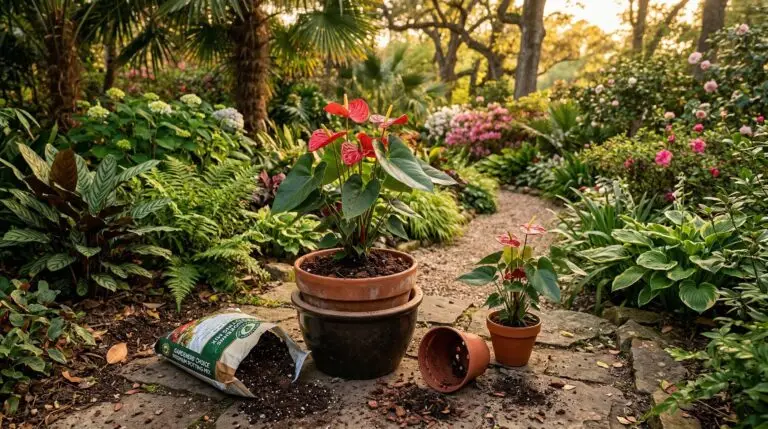
How to repot anthurium plants and when to know it is time for a bigger pot
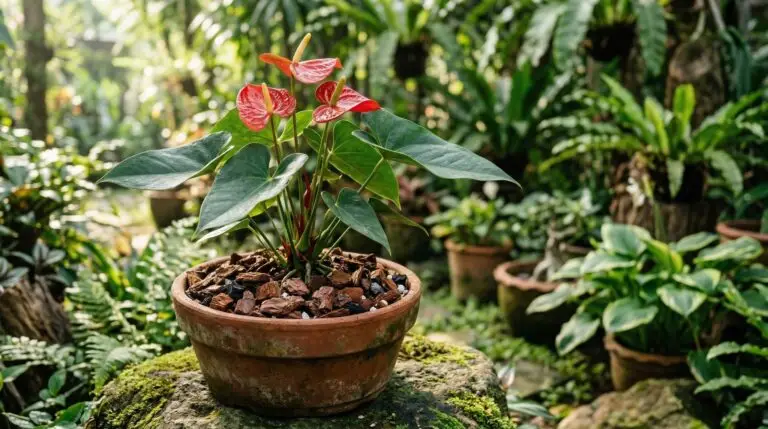
Best soil mix for anthurium plants that prevents root rot and promotes growth
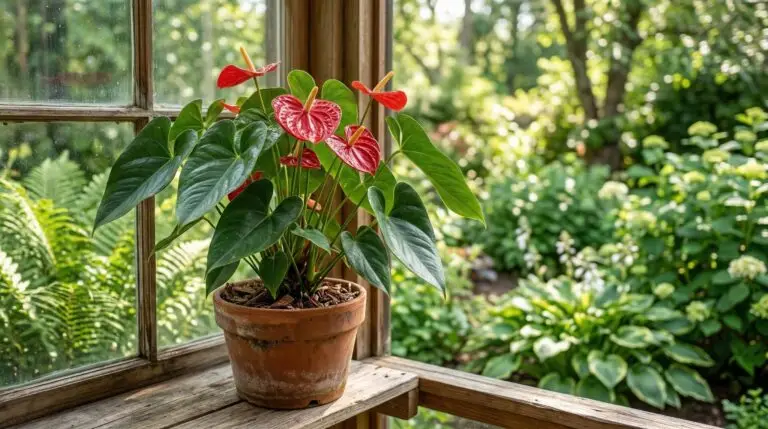
How to care for anthurium houseplants so they bloom all year long
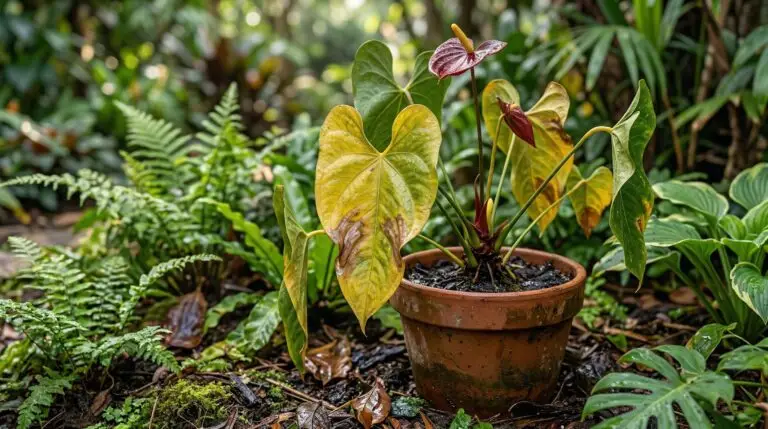
Why your anthurium leaves are turning yellow and brown and what to do about it
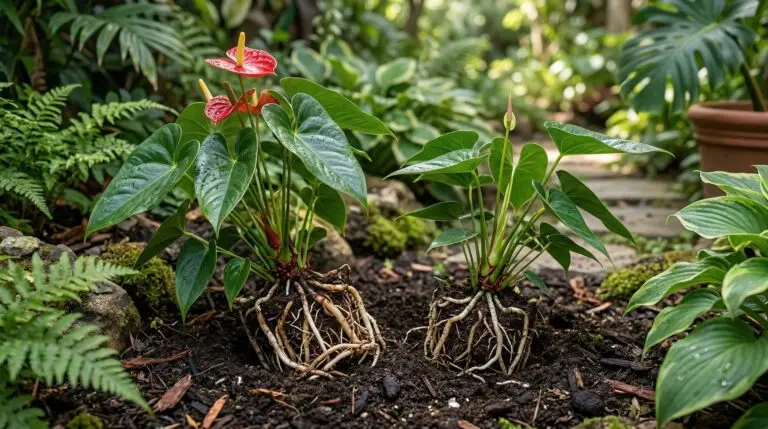
How to propagate anthurium by division and stem cuttings for more plants
How to increase humidity for anthurium plants without a greenhouse
Enjoying our flower guides? Add YourFlowersGuide as a preferred source on Google. It helps more readers find us.
Add to Preferred Sources