Contents
Bellflower
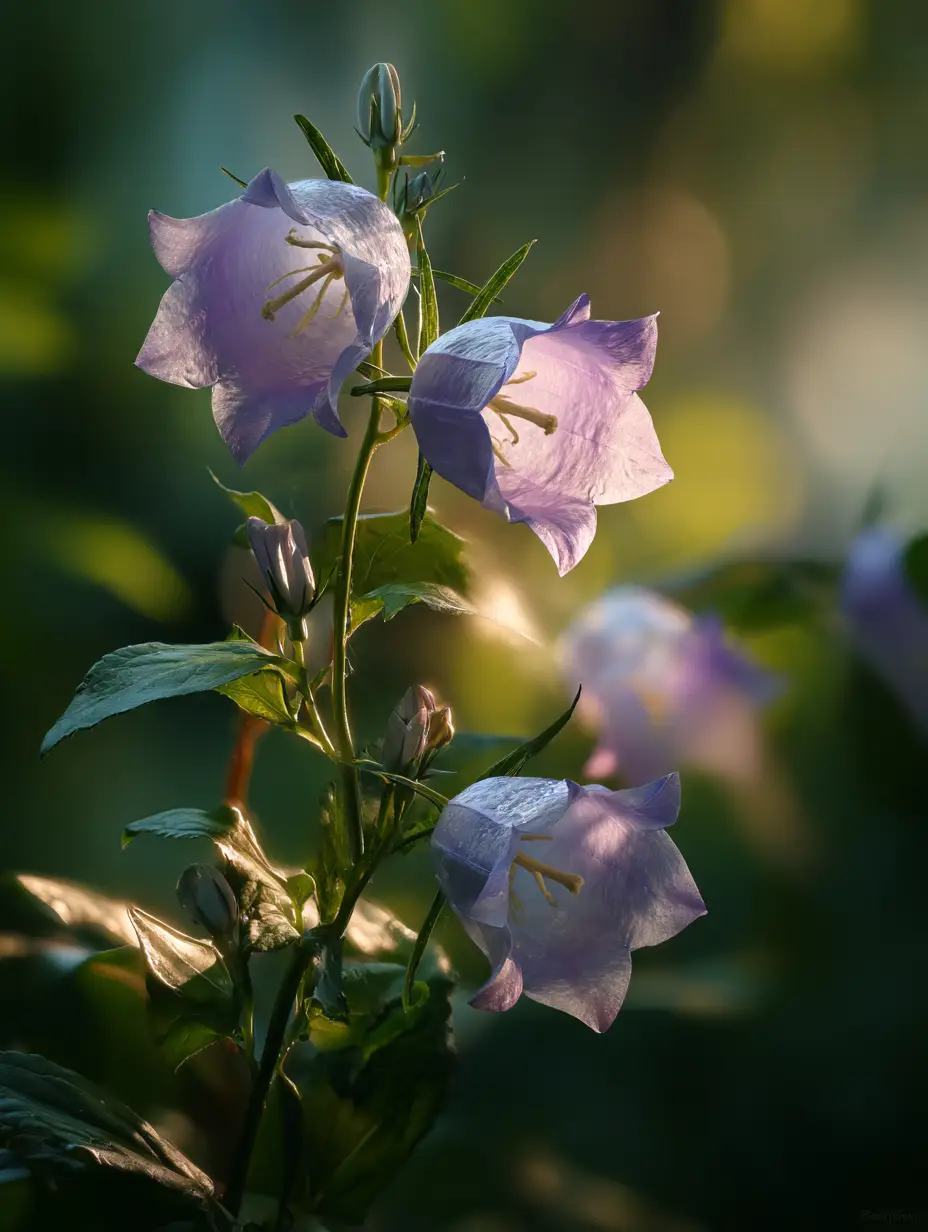
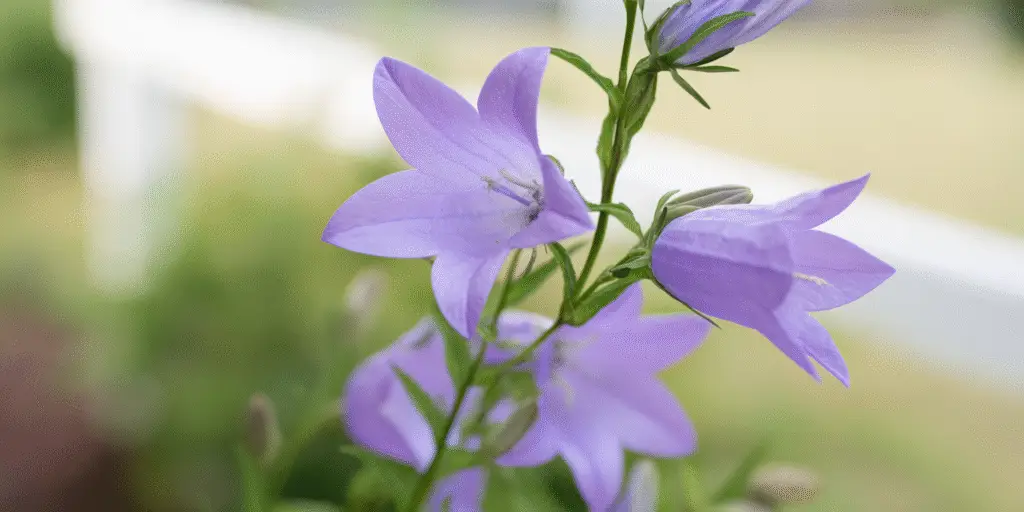
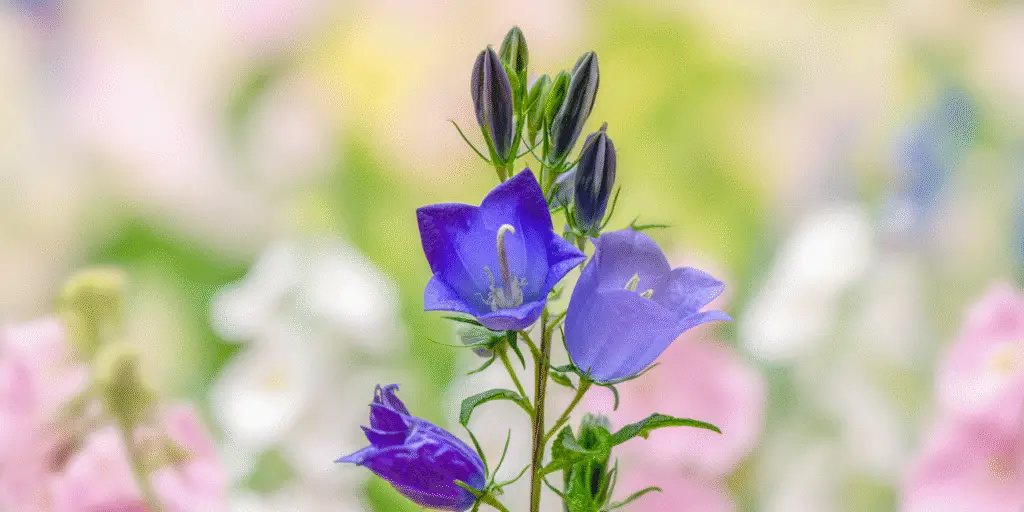
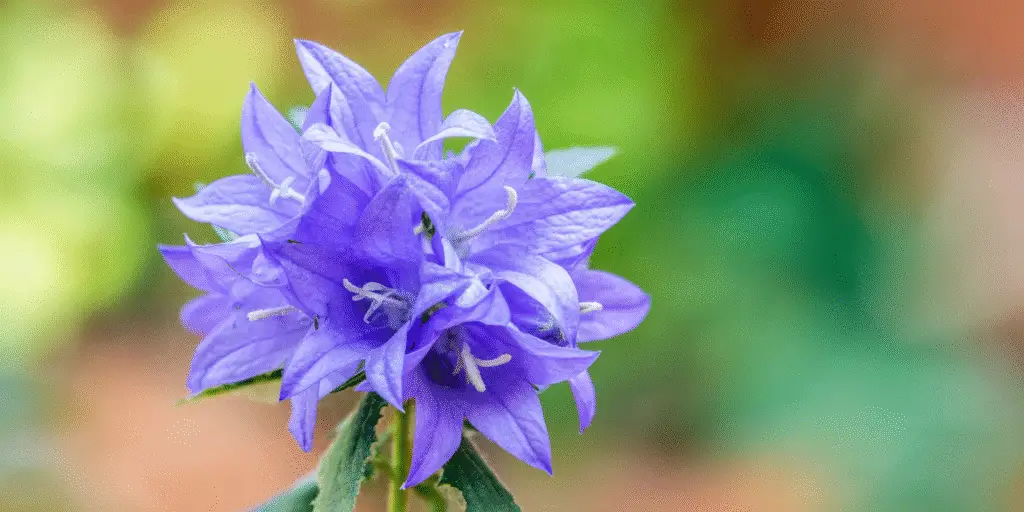
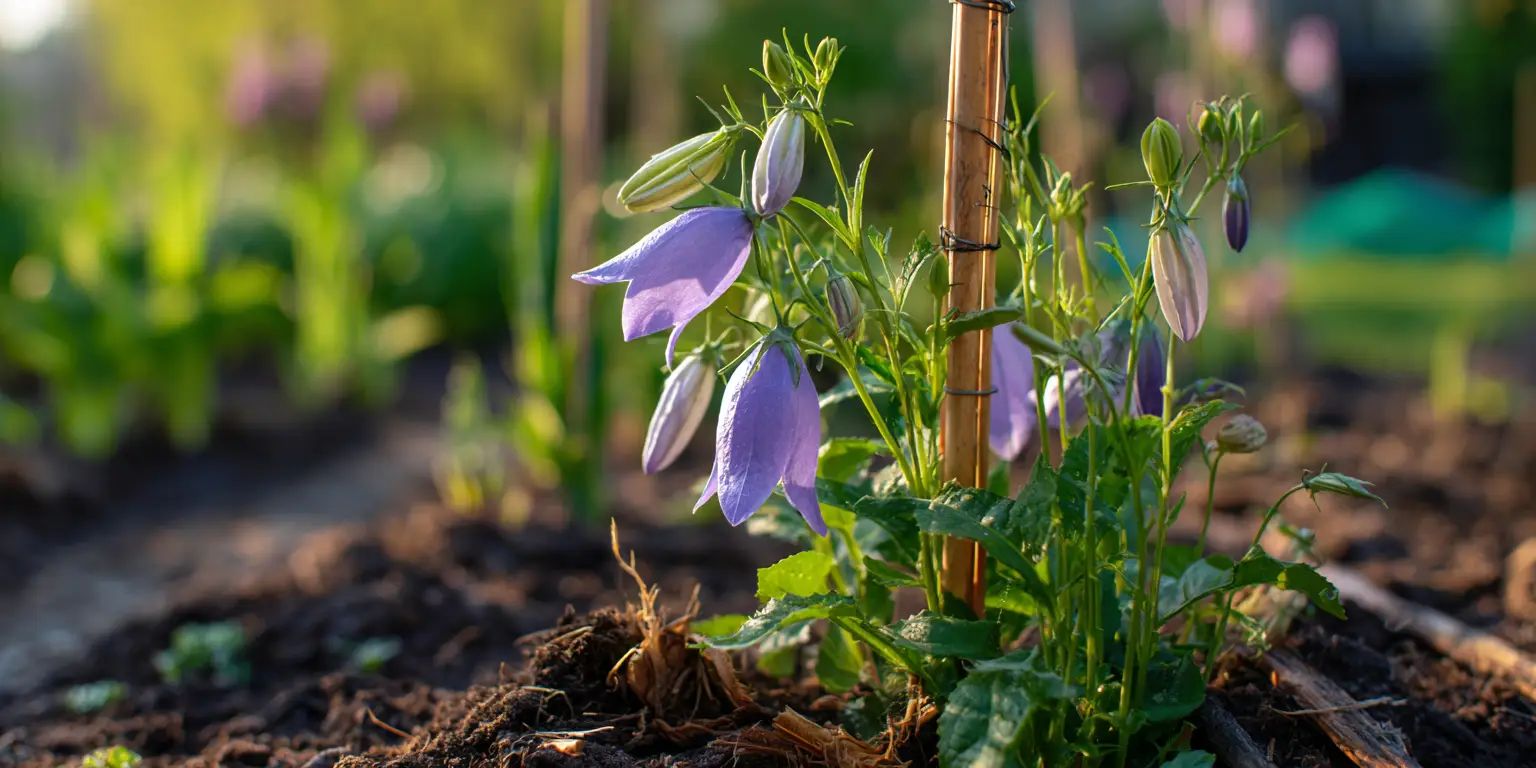
Bellflower is a popular name for a group of flowering plants known for their charming bell-shaped blooms. These types of flowers belong to the Campanula genus, a diverse collection of species that thrive in temperate gardens. Most bellflowers showcase cool-toned colors, especially shades of blue and purple, making them beloved blue flowers and purple flowers in cottage garden palettes. Their delicate, nodding blossoms hang like little bells, giving the plants an enchanting, fairy-tale quality. Gardeners value bellflowers not only for their vivid hues but also for their long blooming period and versatility in the landscape. They can illuminate rock gardens, border fronts, and wildflower meadows with equal ease. In addition to their beauty, bellflowers attract bees, butterflies, and other pollinators, contributing to a lively and healthy garden ecosystem. Easy to grow and generally low-maintenance, these plants are a delightful addition to many garden designs. Whether swaying gently among forget-me-nots in a woodland patch or complementing taller blooms in a mixed border, bellflowers bring a touch of grace and whimsy wherever they are planted.

A clear, step-by-step guide to soil, planting, watering, feeding, pruning, and winter care. Includes zone timing, container tips, companions, and quick fixes for common problems.

Bouquet Ideas
Explore simple, beautiful bouquet ideas for the home, gifts, and special occasions from romantic mixes to clean, minimal styles. Each idea includes suggested flower combinations, color palettes, and sizes, with photos for quick inspiration.
🌱 Taxonomy and origin
Bellflowers are part of the genus Campanula, Latin for “little bell,” reflecting the shape of their blossoms. They belong to the bellflower family, Campanulaceae, and the genus is large – around 300 to 500 species of annuals, biennials, and perennials. Campanula species are native across the Northern Hemisphere, with greatest diversity in Europe and Asia. Many originated in the Mediterranean region, the Balkans, and the Caucasus, thriving in alpine meadows and light woodlands. Some extend into North America, and a few even inhabit cooler mountain zones of tropical Asia and Africa. This broad native range gives rise to a great variety of forms – from tiny alpine mats to towering meadow wildflowers. Over time, bellflowers have spread worldwide through cultivation. The common name “bellflower” can sometimes cause confusion; Virginia bluebells (Mertensia virginica), for example, are an entirely different plant despite the similar name. Campanula flowers have enchanted gardeners for centuries – species like clustered bellflower (C. glomerata) and Canterbury bells (C. medium) grew in European gardens as far back as the 1500s. Today, numerous hybrids and cultivars carry forward the classic bell-shaped blooms and an affinity for temperate climates reminiscent of their native habitats.
🌸 Bloom time
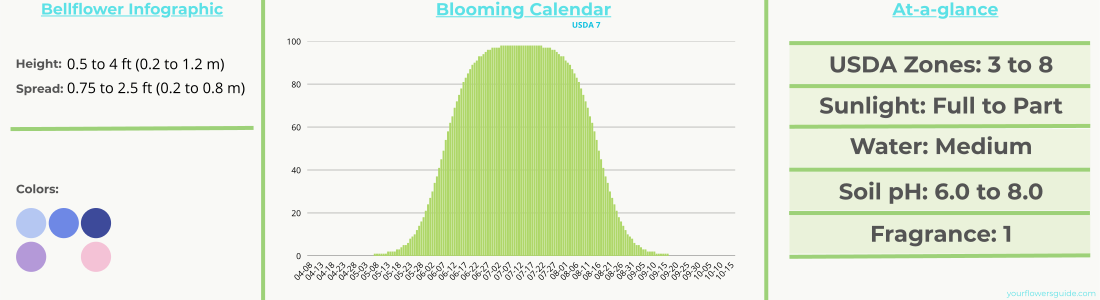
Bellflowers typically bloom from late spring into summer, with the peak display often occurring in early to mid-summer. The exact timing and duration of flowering vary by species and growing conditions. Many perennial campanulas burst into bloom in June and July, filling gardens with a profusion of dangling bells or starry, open-faced flowers. Some varieties have a relatively short but intense bloom period, while others may flower intermittently over several weeks. Deadheading spent blossoms can encourage certain types to continue producing fresh blooms later into the season. For instance, removing faded flowers from a Carpathian bellflower (Campanula carpatica) or a Serbian bellflower (Campanula poscharskyana) can prompt a second, lighter flush of blooms in late summer. In cool-summer regions, bellflowers may hold their flowers longer, sometimes persisting into early fall if conditions are favorable. Biennial forms like Canterbury bells have a specific cycle: they grow foliage the first year and bloom spectacularly the next summer before setting seed. Regardless of the species, the sight of a bellflower in full bloom is a highlight of the growing season. Their timing often complements other garden staples – for example, as spring bulbs fade and early summer perennials rise, bellflowers bridge the seasonal display by adding continuous color and charm.
📏 Height and spread
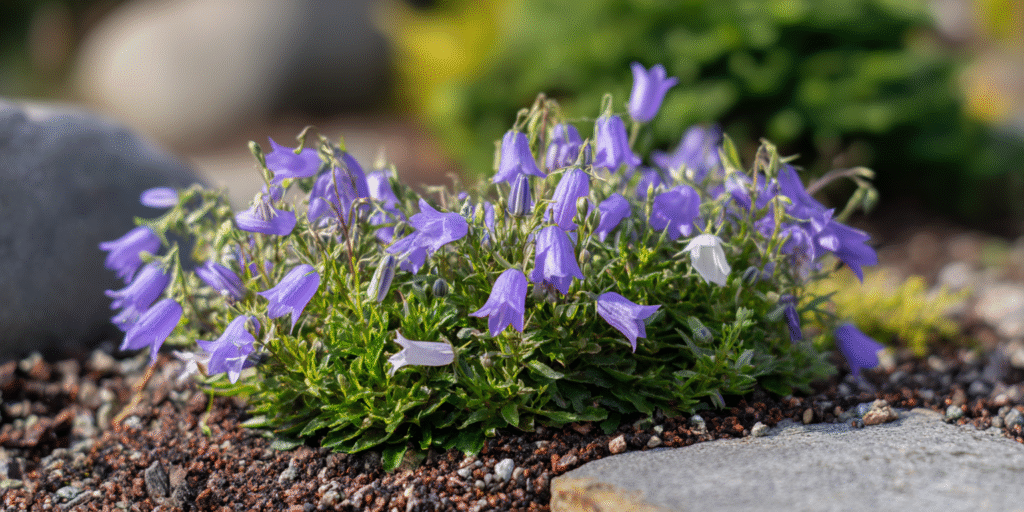
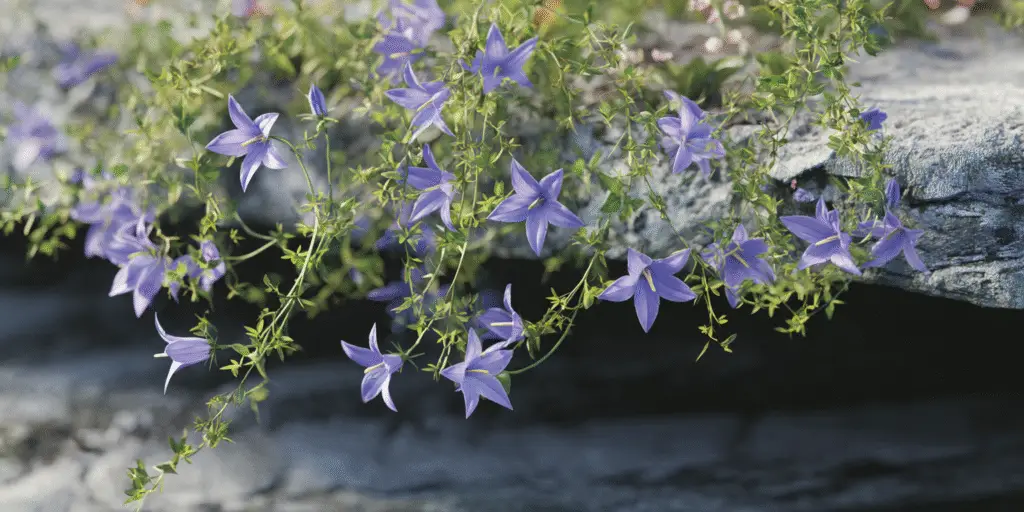
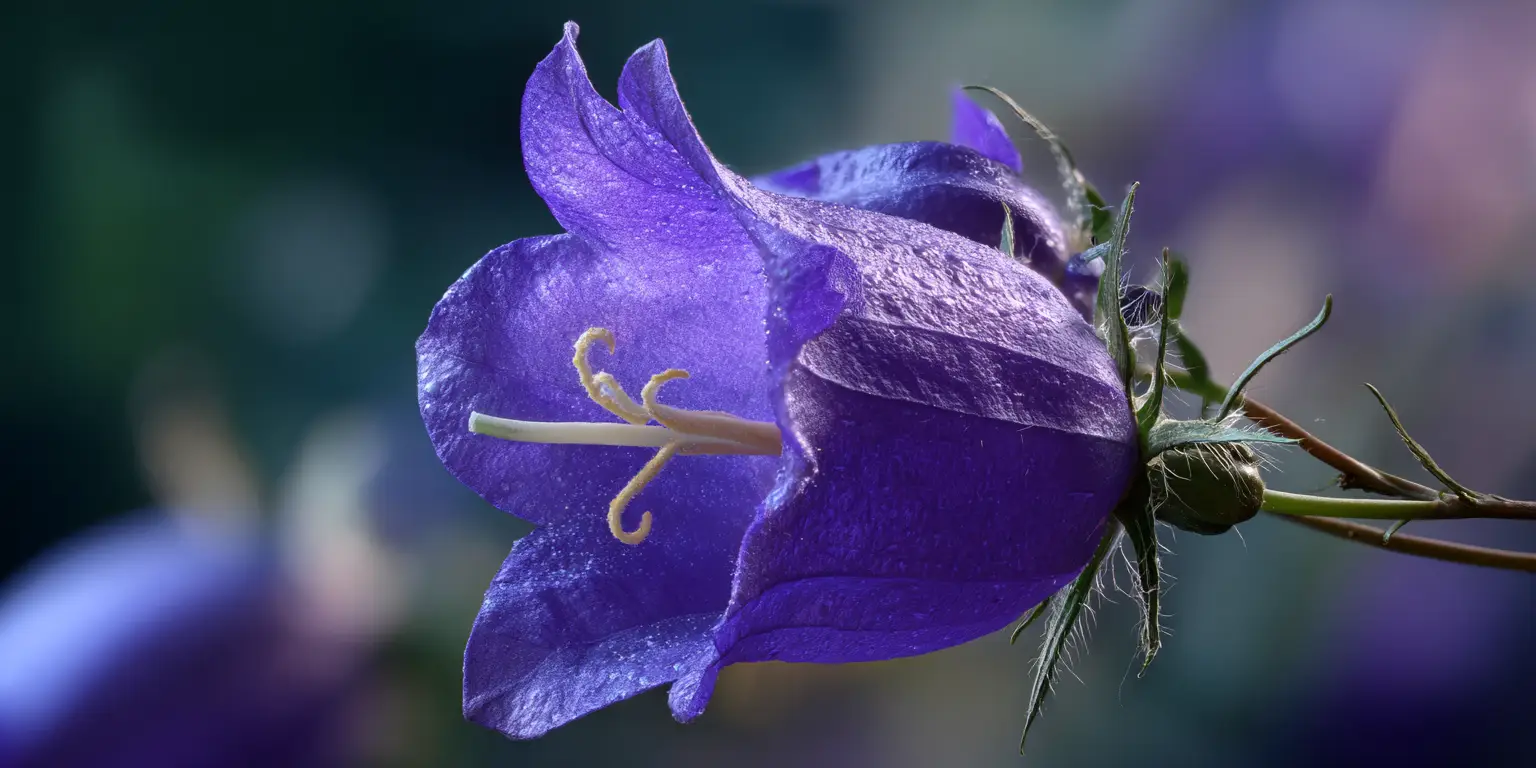
The size of bellflower plants ranges from tiny groundcovers to tall border standouts. Dwarf alpine species may reach only a few inches in height, forming low mats or tufts that spill over rocks. For example, the Dalmatian bellflower (Campanula portenschlagiana) often stays under 6 inches (15 cm) tall but can spread into a carpet of green and blue. In contrast, tall bellflowers like the chimney bellflower (Campanula pyramidalis) or giant bellflower (Campanula latifolia) can grow 3 to 5 feet high (1-1.5 m), making a strong statement at the back of a flower bed. Most garden bellflowers, however, are moderate in size – usually around 1 to 2 feet tall (30 to 60 cm) in neat clumps. Growth habits vary: some Campanulas are upright with singular flowering stalks, whereas others have a trailing or creeping habit, excellent for edging or draping over walls. With this range of sizes and forms, it’s easy to find a bellflower for nearly any garden layer. Low-growing kinds suit the front of borders and rockeries, mid-height varieties mingle well with coreopsis and daisies, and taller ones can stand among lilies or delphinium elatum. This versatility means bellflowers can be tucked into many designs, providing their charming bell-shaped blooms at various heights.
☀️ Light
Most bellflowers prefer a site that offers full sun to partial shade, reflecting their heritage in open meadows and light woodlands. In regions with mild or cool summers, planting bellflowers in full sun (at least 6 hours of direct sunlight per day) encourages vigorous growth and abundant flowering. However, in hotter climates or areas with intense afternoon sun, many bellflowers appreciate some protection. Partial shade – such as morning sun followed by light shade in the hottest part of the afternoon – can prevent heat stress and prolong the life of the flowers. In the American South or similarly warm regions, too much direct sun combined with high temperatures can cause plants to wilt or scorch. Providing a bit of midday shade in such climates is beneficial for all but a few heat-tolerant species. Overall, a balance of bright light and protection from extreme heat yields the best results. Gardeners should observe their bellflowers and adjust: if plants appear to stretch or lean (seeking more light), they might need more sun; if they look bleached or suffer in summer, a touch more shade could be the remedy. By tailoring the light exposure to the species and local climate, one can ensure bellflowers thrive and bloom profusely.
💧 Water
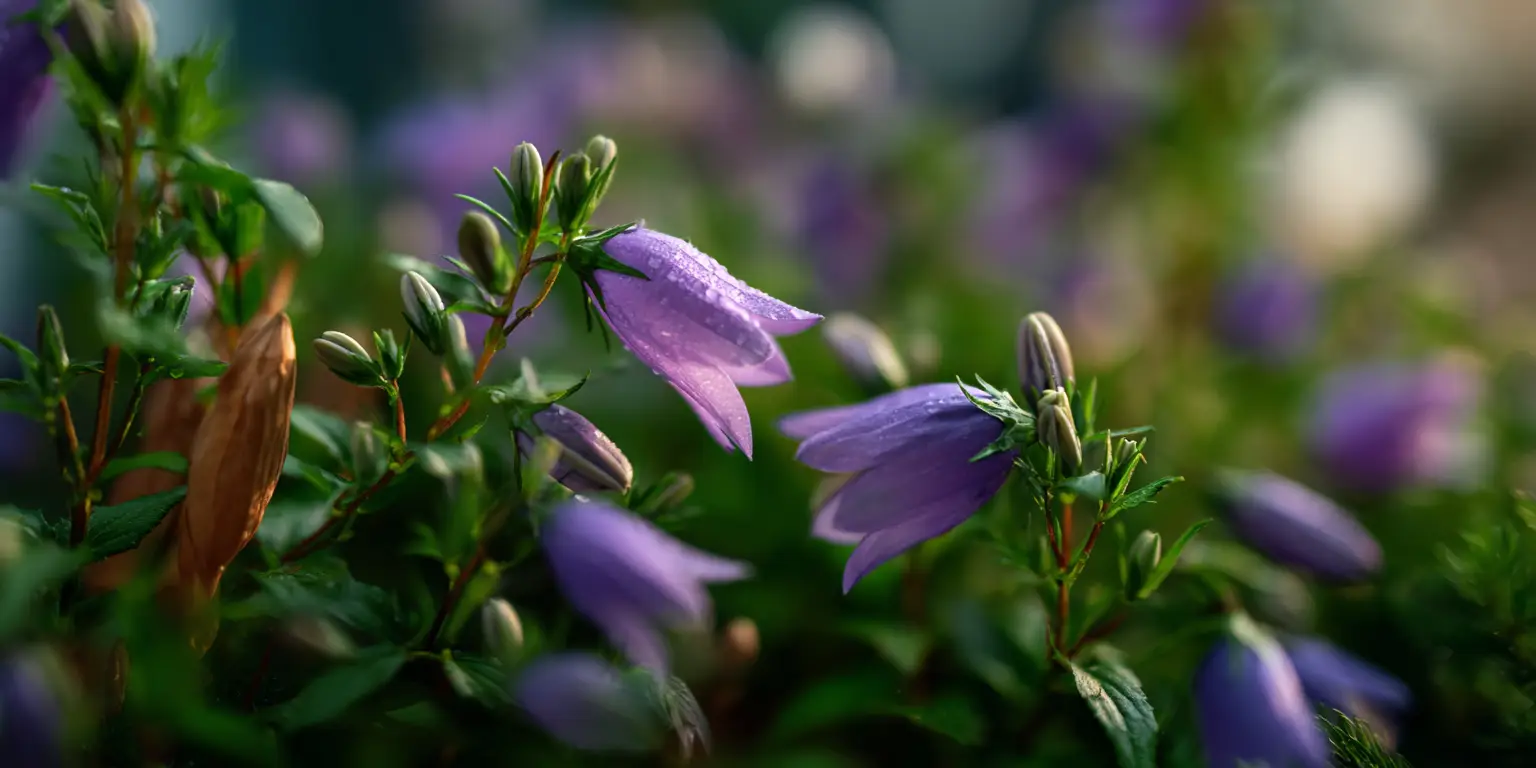
Bellflowers thrive with moderate, consistent moisture and do not tolerate prolonged drought well. In their native habitats, many Campanula species grow in regions with regular rainfall or moist soil, such as alpine meadows that receive snowmelt or woodland edges with reliable moisture. Therefore, in the garden they prefer soil that stays evenly damp but never waterlogged. It’s best to water bellflowers deeply whenever the top inch of soil starts to dry out, rather than giving frequent shallow sprinklings. Deep watering encourages roots to grow downwards and improves the plant’s overall resilience. That said, proper drainage is crucial – these plants dislike sitting in puddled or boggy conditions, which can lead to root rot. A well-drained soil (amended with organic matter if necessary) will help excess water percolate away from the roots. During periods of summer heat or dry weather, bellflowers will need more attentive watering to keep them from wilting. Mulching around the base of the plants can help conserve soil moisture and keep roots cool, reducing how often watering is needed. Take care not to overwater, especially in shade or cooler weather, as constant soggy soil can harm them just as much as drought. A good rule of thumb is to maintain soil that is moist like a wrung-out sponge: not sopping, but never bone dry. With adequate moisture and drainage, bellflowers reward gardeners with lush foliage and continuous blooms, whereas water stress (either too much or too little) can lead to fewer flowers and stressed, floppy growth.
🌍 Soil and pH
Bellflowers are adaptable regarding soil, as long as some basic conditions are met. They do best in average garden loam that is well-drained and has moderate fertility. Soil enriched with organic matter is ideal because it holds some moisture but still drains excess water effectively. These plants are not particularly picky about soil pH; anything in the neutral to mildly acidic or mildly alkaline range (approximately pH 6.0 to 7.5) suits them fine. Extreme pH levels can cause nutrient issues, but those are relatively uncommon in most garden soils. More important than pH is soil structure and drainage. Heavy clay that stays waterlogged can lead to root rot, so it should be amended or broken up to improve drainage. Very sandy soil, on the other hand, might dry out too fast, so mixing in compost can help it retain moisture longer. In summary, an ideal soil for bellflowers is a well-draining, moderately rich loam. Such conditions allow their roots to establish well and support the profusion of bell-shaped blooms above.
❄️ USDA hardiness
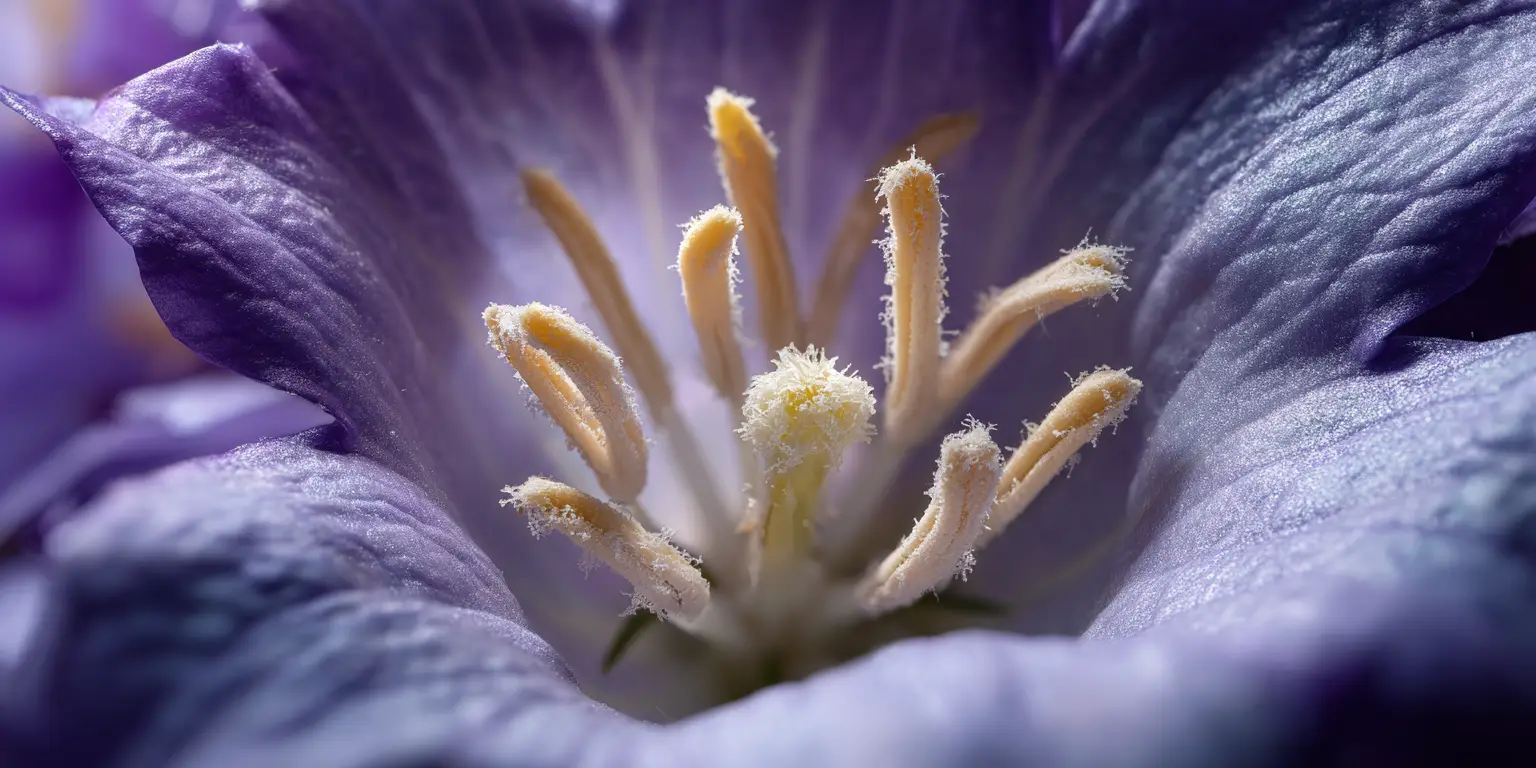
Many bellflowers are hardy perennials that can survive cold winters, making them suitable for a range of USDA zones. In general, the toughest Campanula species tolerate winters down to about Zone 3 (and a few alpine kinds even to Zone 2). This cold hardiness means gardeners in northern climates often see their bellflowers return reliably each spring. On the warmer end, most bellflowers grow well up to roughly Zone 8. In Zone 9, some can be grown successfully, but intense heat and humidity in the far south can be challenging for these cool-loving plants. Gardeners in very hot climates might treat bellflowers as annuals or grow them in cooler seasons. There are differences among species: the Scottish harebell (Campanula rotundifolia), for example, is extremely cold-hardy and thrives in harsh winters, whereas certain Mediterranean-origin bellflowers may only handle light frosts. Overall, bellflowers flourish in temperate climates (about Zones 3 through 8) where they experience a chilly winter and mild to warm summer. Those in frigid areas will appreciate the plant’s resilience to cold, and those in hot climates should look for heat-tolerant species or provide protective microclimates that mimic the cool conditions bellflowers prefer.
🌼 Propagation and longevity
Propagating bellflowers is relatively straightforward, and with good care these plants can persist for many years in the garden. They can be started from seed or multiplied by dividing established clumps. Many Campanula (annual, biennial, or perennial) will germinate from seed sown in spring or late summer. The seeds are small and need light to germinate, so they are usually sprinkled on the soil surface and kept moist until they sprout. Some bellflowers even self-seed freely; if spent blooms are left on the plant, you might find new volunteer seedlings appearing the next season. For perennial types, division is a very effective method. Every few years, a healthy bellflower clump can be dug up (in early spring or fall) and split into sections, each containing some roots and shoots. Replanting these divisions rejuvenates the plant and encourages vigorous new growth. Division also helps prevent the center of older clumps from dying out, keeping the plant robust. With these simple propagation techniques, gardeners can expand their bellflower collection or maintain the vitality of existing plants.
In terms of longevity, most bellflower perennials are relatively long-lived when their needs are met. They don’t usually die after flowering (except for the biennials), so a well-sited Campanula can grace a garden for many seasons. However, some shorter-lived perennials may start to decline after 3-5 years if not divided. Regular division or allowing self-sown recruits to establish can effectively keep a population going indefinitely. With minimal effort, a single bellflower planting can turn into a lasting colony. It’s worth noting that a few species, such as the notorious creeping bellflower (Campanula rapunculoides), can be overly vigorous and spread aggressively via underground rhizomes as well as seed – gardeners often consider that one a pest rather than a friend. In general, though, bellflowers are polite growers. Give them decent conditions and occasional propagation attention, and they will reward you with longevity and perhaps even some new baby bellflowers along the way.
👃 Fragrance
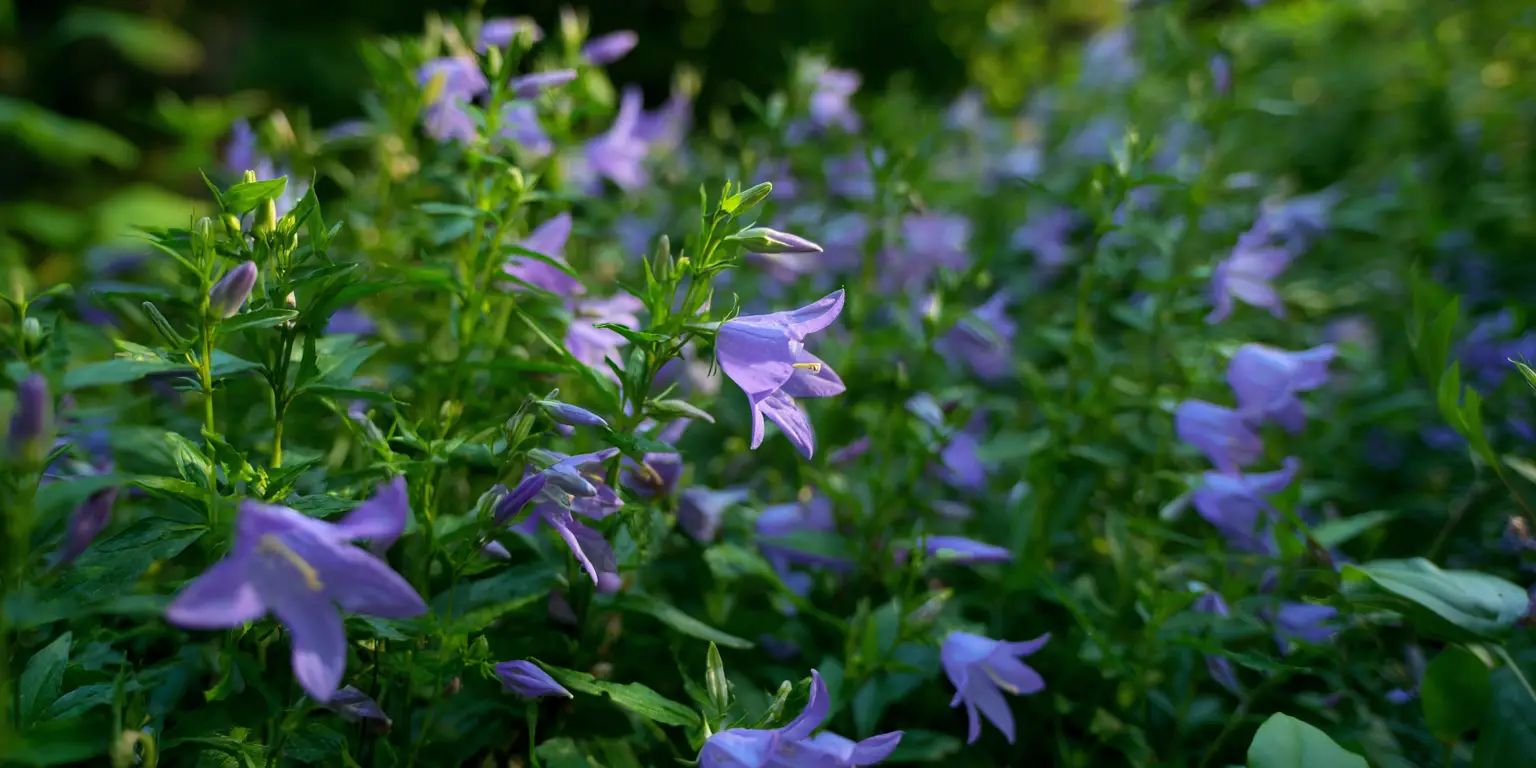
Fragrance is not the foremost feature of bellflowers, as most Campanula blooms have little to no noticeable scent. These flowers primarily attract pollinators through their shape and color rather than perfume. If you stroll past a cluster of bellflowers, you are more likely to notice their vivid blues and purples than any sweet fragrance in the air. However, there is one notable exception: the Canterbury bells (Campanula medium), a biennial variety whose large, cup-like blooms can emit a light, sweet fragrance, especially on warm summer days or in the evening. Gardeners growing Canterbury bells often remark on the gentle, pleasant scent when they lean in close to the flowers. Still, compared to famously fragrant flowers like roses or gardenias, bellflowers are essentially scent-neutral. They won’t overpower a garden with aroma – which can be an advantage if one prefers a landscape without strong perfumes. Despite their general lack of smell, bellflowers make up for it with visual charm. Plus, their nectar-rich blooms still attract bees and butterflies, so while humans might not detect a scent, pollinators certainly find bellflowers worthwhile. In summary, if fragrance is a priority, it’s best to combine Campanulas with other strongly scented plants in the garden. Otherwise, enjoy bellflowers for their form and color, considering any faint fragrance as a small bonus.
⚠️ Toxicity and pet safety
Gardeners with pets and children often appreciate that bellflowers are generally considered non-toxic and safe to grow around animals. Plants in the Campanula genus contain no known harmful poisons in their leaves or flowers. In fact, historically some bellflowers have even been used as edible greens or vegetables. For example, the rampion bellflower (Campanula rapunculus) was once cultivated for its fleshy roots and leaves, which can be eaten in salads or cooked as a vegetable. While not commonly used in modern cuisine, this history highlights that most bellflowers do not pose a poisoning risk. Bellflowers are not poisonous to dogs, cats, or horses if accidentally nibbled. Naturally, if any plant is eaten in very large quantities, it could cause a bit of stomach upset due to the roughage, but there are no specific toxins to worry about in Campanulas. This makes bellflowers a pet-friendly choice for flower beds frequented by curious cats or dogs. It’s still wise to discourage pets from grazing on plants, but one can be reassured that a mouthful of bellflower petals or leaves shouldn’t harm them. Additionally, the sap that oozes from a cut bellflower stem is a white, milky latex – but unlike the sap of some plants (such as spurges or milkweeds), Campanula’s latex is harmless and not irritating to the skin. All in all, bellflowers rate as very safe ornamentals. They can be enjoyed in the garden without the worries that accompany truly poisonous flowers, which is good news for families with pets and young children.
🌿 Vase life
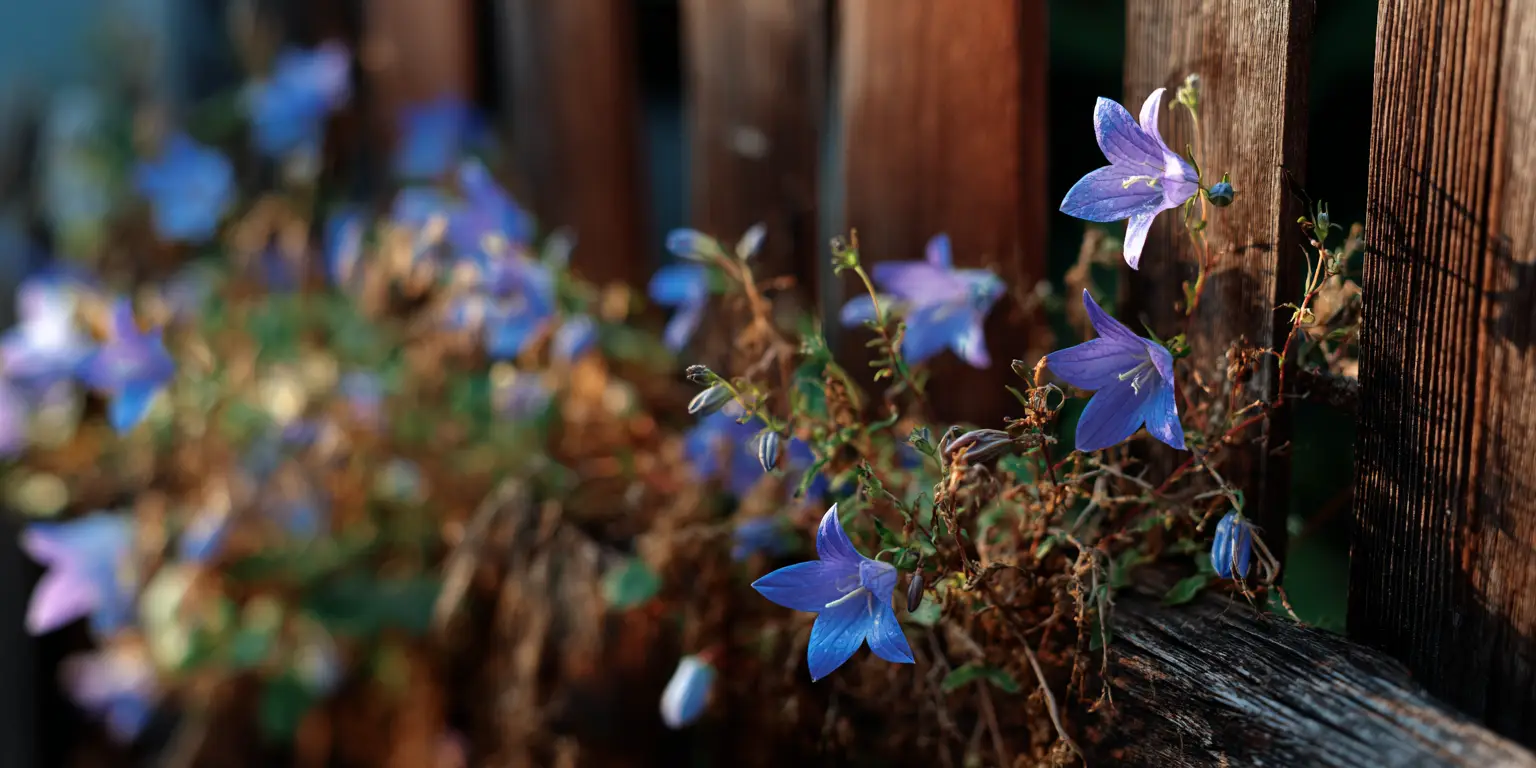
Bellflowers can make charming cut flowers, and with proper care their vase life can range from about a week up to two weeks. When cutting bellflower stems for arrangements, it’s best to choose stems where some blossoms have opened and others are still in bud. This way, the buds can continue to open in the vase, prolonging the display. Once cut, Campanula stems tend to be “heavy drinkers” – they absorb water quickly and can wilt if water is not replenished frequently. To ensure good longevity, immediately place the cut stems in clean, lukewarm water and consider using a floral preservative (flower food) in the vase. Re-cutting the stems at an angle (under water) will improve water uptake, and stripping off any leaves that would sit below the water line prevents decay that can shorten vase life. With these practices, many bellflower varieties will last around 7 to 10 days indoors. Some robust types, like the cup-and-saucer bellflower or certain clustered bellflowers, may even last closer to 14 days if the water is changed regularly and the stems are trimmed every few days. Keeping the vase in a cool room, out of direct sunlight, and away from ripening fruit (which releases ethylene gas that ages flowers) will also help maximize longevity. While bellflowers do not have the longest vase life compared to some florist staples, their unique bell-shaped blooms and lovely colors add a delightful touch to any bouquet. With attentive care, one can enjoy the ephemeral beauty of bellflowers indoors for up to about two weeks after cutting.
🐛 Pests and diseases
Bellflowers are generally hardy and not prone to serious pest or disease issues, especially when grown in proper conditions. However, like all garden plants, they do have a few potential problems to watch for. Among insect pests, aphids are one of the more common nuisances on bellflowers. These tiny green or black sap-sucking insects may cluster on new growth and buds, causing leaves to curl or yellow and potentially distorting the flowers. If aphids appear, they can usually be managed by rinsing them off with a gentle water spray or by applying insecticidal soap to affected areas. Another occasional pest is the slug or snail, particularly on low-growing Campanula varieties. Slugs are fond of the tender leaves and can chew irregular holes overnight, often leaving behind a telltale silvery slime trail. Gardeners can combat slugs by hand-picking them in the evening, setting out slug traps, or using barriers (like copper tape or diatomaceous earth) around plants. Culturally, ensuring the area is not overly damp and removing excess mulch can make the environment less inviting to slugs.
Regarding diseases, bellflowers seldom experience serious problems if their growing conditions are right. The most commonly seen issue is rust, a fungus that causes powdery orange-brown spots on the underside of leaves. If rust appears, remove and destroy the affected foliage and consider a fungicide spray (such as a sulfur or copper-based fungicide) to prevent spread. Powdery mildew can occur in very humid, stagnant air situations, though it is uncommon on Campanulas; ensuring good spacing and air circulation helps avoid it. Another potential problem is root or crown rot, which happens if the plants sit in waterlogged soil or if mulch is packed around their stems. To prevent rot, plant in well-draining soil and keep mulch a couple of inches away from the crown. In general, bellflowers are not prone to diseases. With proper watering, spacing, and garden cleanliness, these plants stay healthy and will bloom beautifully with minimal fuss.
FAQ
Are bellflowers annuals or perennials?
It depends on the species. The Campanula genus includes annual, biennial, and perennial plants. Many commonly grown garden bellflowers are perennials that return each year. Some, like Canterbury bells, are biennial (flowering in their second year and then dying). A few types are treated as annuals. When purchasing a bellflower, check its label or description to see which category it falls into.
Do bellflowers spread easily?
Some bellflowers will gradually spread, while others stay in neat clumps. Clump-forming types may expand slightly each year but are not invasive. However, a few kinds, such as the creeping bellflower (Campanula rapunculoides), can spread aggressively by underground roots and seeds. In general, most ornamental bellflowers are well-behaved and spread at a moderate pace. If any unwanted spreading occurs, it can be controlled by digging up stray shoots or dividing the clump.
How do I get my bellflowers to bloom longer?
Regular deadheading is the key to a longer bloom period. Snip off the spent flowers before they form seeds to encourage the plant to produce more buds. Also, make sure the plants get enough sunlight (most need at least partial sun) and consistent moisture, because drought stress can reduce flowering. Some varieties will rebloom later in the season if they are cut back after the first flush. A light feeding with a balanced fertilizer in spring can also support more vigorous blooming.
Are bellflowers deer-resistant?
Bellflowers are not typically the first choice for grazing deer, and many gardeners find that deer leave them alone. The plants contain a milky sap that might be unappealing to deer. However, no plant is completely deer-proof if food is scarce. In areas with high deer pressure, bellflowers might still get nibbled occasionally, especially their flowers. Overall, they are considered moderately deer-resistant, making them a reasonable choice for gardens frequented by deer.
Can I grow bellflowers in containers?
Yes, many bellflower varieties can be grown successfully in containers. Choose a pot with good drainage and use a quality potting mix that retains moisture but drains well. Ensure the container receives the appropriate amount of sun for the species (for most, a sunny spot with some afternoon shade is ideal). Keep the soil evenly moist, as pots can dry out faster than garden beds. Low-growing types like Carpathian bellflower (Campanula carpatica) do especially well in pots, spilling over the edges. Taller varieties can also grow in large containers, though they may need staking for support. In very cold regions, protect or insulate pots over winter, since plants in containers are more exposed to freezing conditions.
Why is my bellflower not flowering?
If your bellflower has healthy foliage but isn’t blooming, a few issues could be the cause. Inadequate sunlight is a common reason – most bellflowers need several hours of sun to set buds, so too much shade can limit blooms. Over-fertilizing with nitrogen can also result in lush leaves but few flowers; use a balanced fertilizer or compost instead. Also consider the plant’s age and type. If it’s a biennial (like Canterbury bells) in its first year, it won’t flower until the second year. If it’s a perennial that hasn’t been divided for many years, it may be congested – dividing and replanting can reinvigorate it. Lastly, check for any pests or diseases, since an unhealthy plant may lack the energy to bloom.
Interesting tips
- The genus name Campanula comes from the Latin word for “little bell,” a nod to the bellflowers’ signature bloom shape and the origin of their common name.
- One bellflower species has a place in folklore: the rampion bellflower, which inspired the Brothers Grimm fairy tale “Rapunzel.” In the story, a pregnant woman’s craving for rampion leads to her child being named Rapunzel. Historically, rampion (Campanula rapunculus) was grown for its edible roots and leaves.
- Bellflowers are excellent for pollinators. Their tubular, nectar-rich blooms attract bees, butterflies, and even hummingbirds. Planting bellflowers can help support local pollinator populations and bring more life to your garden.
- Because of their bell-like appearance, bellflowers have been touched by myth and legend. Old European folklore suggested that fairies gathered under bellflower blooms, giving these plants a magical reputation. While we grow them today for practical beauty, it’s fun to imagine a bit of fairy magic among the flowers.
- In garden design, bellflowers pair wonderfully with other cottage garden favorites. Their cool blue-purple tones look especially stunning next to the spiky blooms of irises or nestled near fragrant lilacs. The bellflower’s shape also contrasts nicely with taller delphinium spikes or simple daisies, creating a harmonious blend of shapes and colors. Thanks to this versatility, you can tuck bellflowers into many combinations for an extra pop of color and charm.
Related Guides & Flowers
- Virginia Bluebells
Soft, nodding blue bells that carpet woodland gardens in spring and love the same cool, moist, part shade conditions many Campanulas enjoy. - Gentian
Deep, intense blue tubular flowers with a similar “bell” feel, perfect for rock gardens and cool borders alongside compact bellflowers. - Great Blue Lobelia
Tall spires covered in blue, tube shaped blooms that pair well with upright border Campanulas in moist, wildlife friendly plantings. - Blue Flax
Airy, fine textured stems with sky blue flowers that complement bellflowers in naturalistic and cottage style beds. - Cornflowers
Classic cottage garden annual with vivid blue daisylike blooms that echo the cool blue palette of bellflowers in sunny borders. - Globe Thistle
Architectural steel blue flower spheres that contrast beautifully with the softer, nodding bells of Campanula in mixed perennial borders.
References
- “A Performance Appraisal of Hardy Bellflowers” – Chicago Botanic Garden
Detailed trial report on many Campanula species and cultivars, with information on plant height, bloom time, hardiness, garden performance and recommended varieties for different uses. - “Campanula medium (Canterbury Bells)” – NC State Extension Plant Toolbox
University plant profile covering taxonomy, native range, growth habit, flower characteristics, preferred soil, light, moisture, and notes on landscape use and potential issues. - “Creeping bellflower | UMN Extension” – University of Minnesota Extension
Fact sheet describing Campanula rapunculoides as an aggressive invasive weed, with identification tips, habitat description and detailed guidance on mechanical and chemical control. Useful for the “invasiveness and management” section of your guide. - “Creeping bellflower (Campanula rapunculoides)” – Wisconsin DNR Invasive Species Fact Sheet
State natural resources agency overview of creeping bellflower, listing common names, classification as a restricted invasive species, ecological impacts and basic management recommendations. - “Campanula betulifolia – Plants of the World Online” – Royal Botanic Gardens, Kew
Botanical reference entry from Kew describing one Campanula species, with notes on the genus, distribution across the Northern Hemisphere and general diversity of bellflowers. Good as a high-authority botanic citation for the genus background.
Written by: Your Flowers Guide editorial team
We are a small independent group of flower lovers who research and review each guide using trusted horticultural and educational sources. Learn more about us