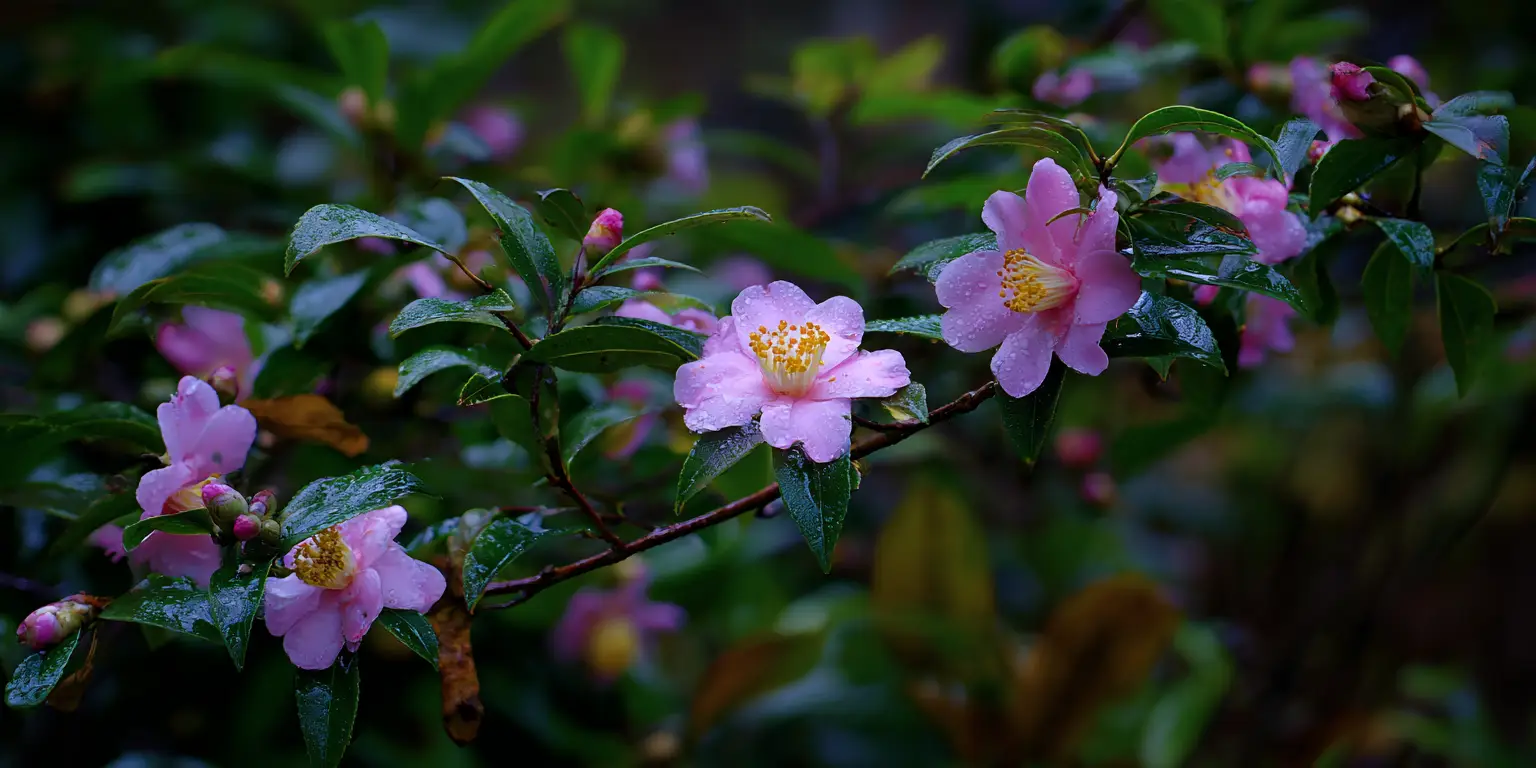
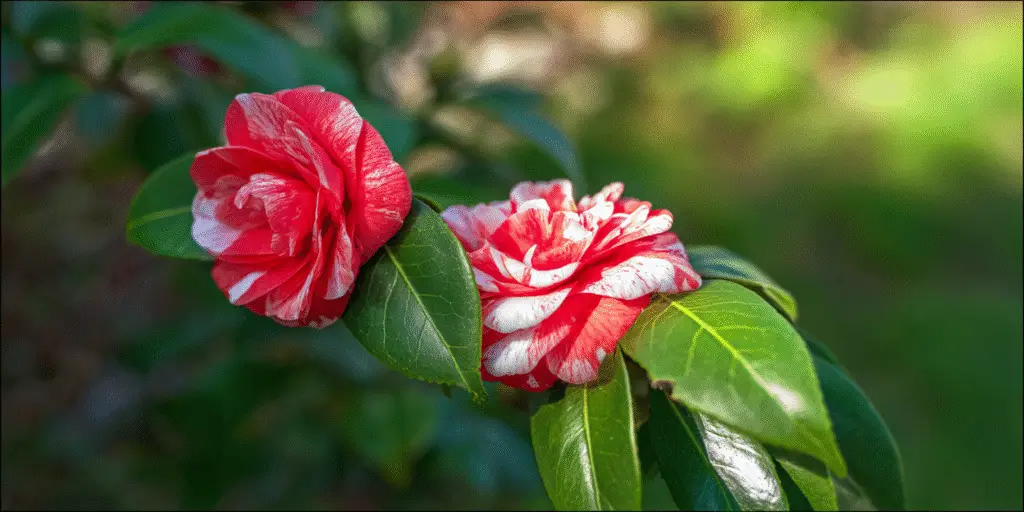
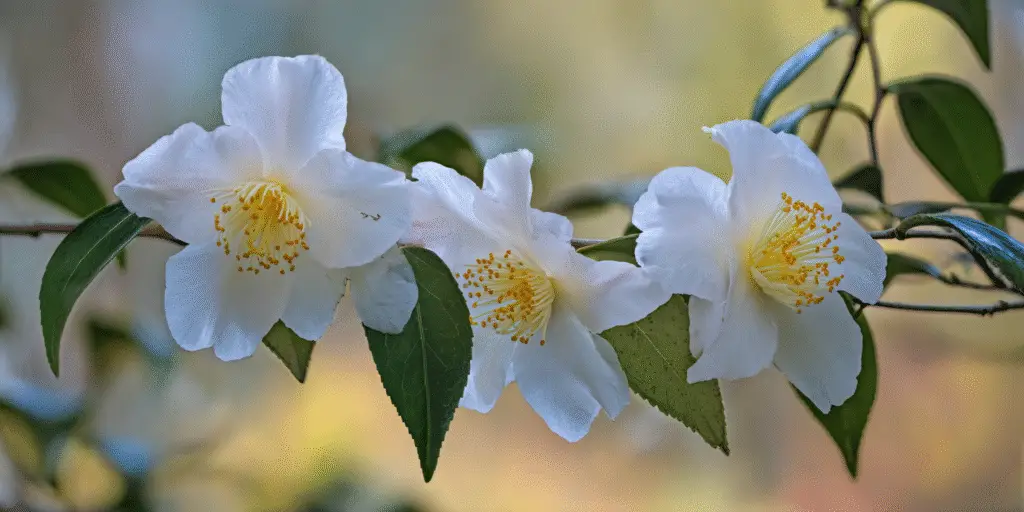
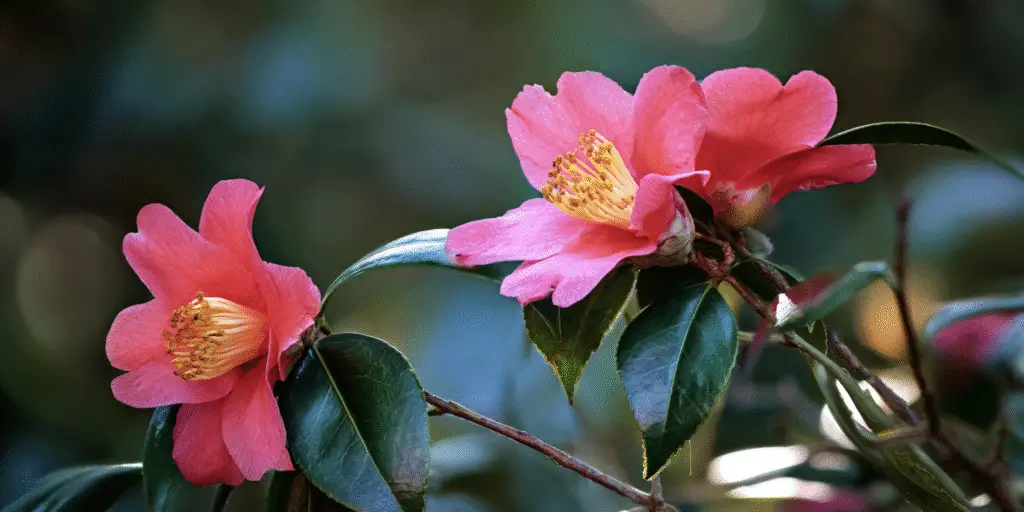
Camellia hiemalis is a sasanqua–japonica hybrid group grown for compact shrubs that bloom from late fall into early winter. It stands out for early color on plants that take pruning and fit smaller spaces. It performs best in sun to part shade in acidic, well‑drained soil with steady moisture. Hardiness is typical of garden camellias in USDA zones 7 to 9.
At‑a‑glance
Group/Class: Hybrid group (C. sasanqua × C. japonica)
Height × spread: 6–10 ft (1.8–3.0 m) × 4–6 ft (1.2–1.8 m), varies by cultivar
Bloom window: late fall to early winter
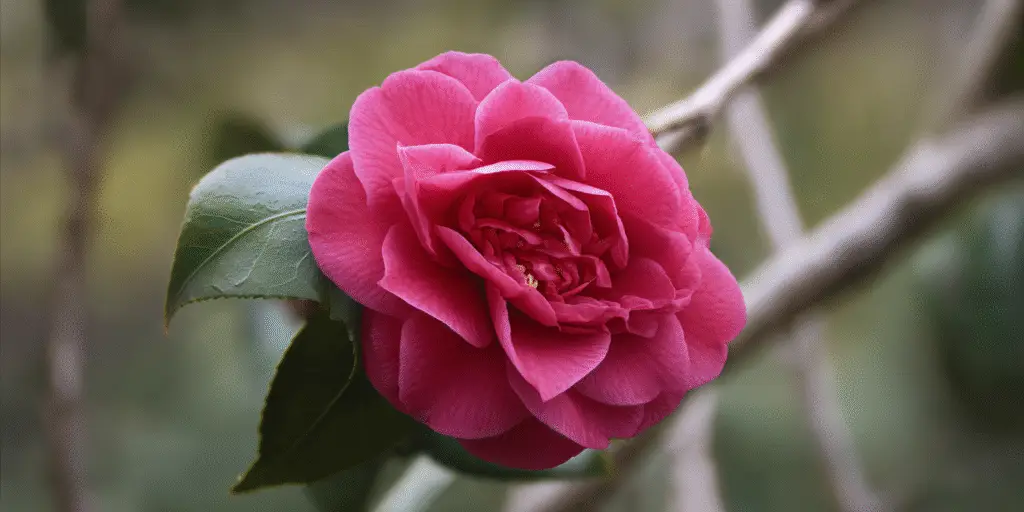
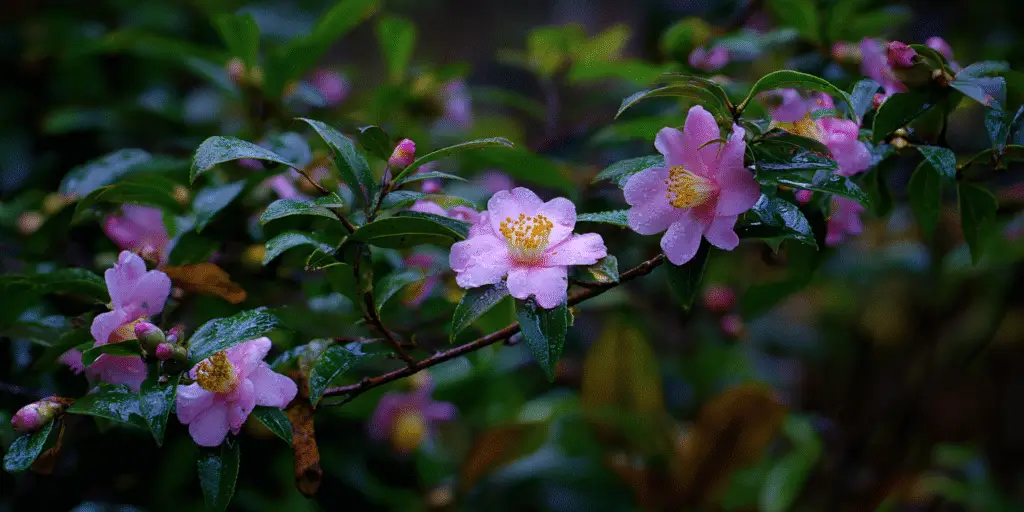
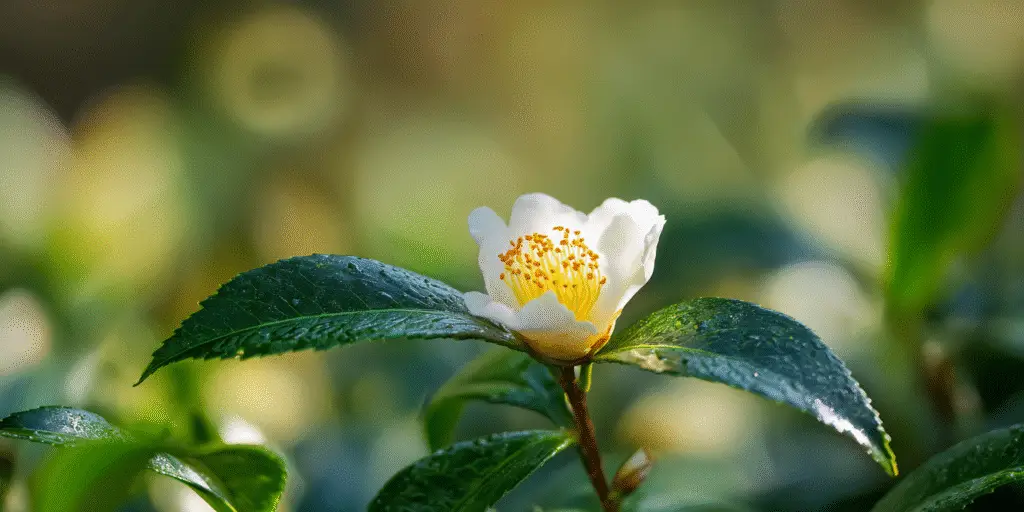
Color & flower form: pink to white; single to semi‑double
Fragrance: 1 trace
USDA hardiness: zones 7–9
Breeder / Year / Origin: unknown, unknown, Japan
Cut‑flower notes: short vase life; pick half‑open; floating displays are effective
Pet safety: safe
How it differs
Earlier bloom than most japonicas.
Finer texture and more compact habit than many japonicas.
Generally more sun‑tolerant than japonica types.
Works well where a hedge or foundation shrub is needed.
Strengths
Dependable fall color in zones 7 to 9.
Takes pruning and shaping.
Good performer in large containers.
Care in one minute
Light: sun to part shade; shelter from winter wind where possible.
Soil: acidic, organic, well‑drained; mulch 2–3 in.
Water: consistent moisture, especially during bud set.
Feeding: light acid‑forming fertilizer after bloom.
Pruning: shape immediately after flowering.
Watch‑outs
Early hard freezes can nip buds and flowers.
Petal blight and scale possible; monitor and remove infected blooms.
Written by: Your Flowers Guide editorial team We are a small independent group of flower lovers who research and review each guide using trusted horticultural and educational sources. Learn more about us