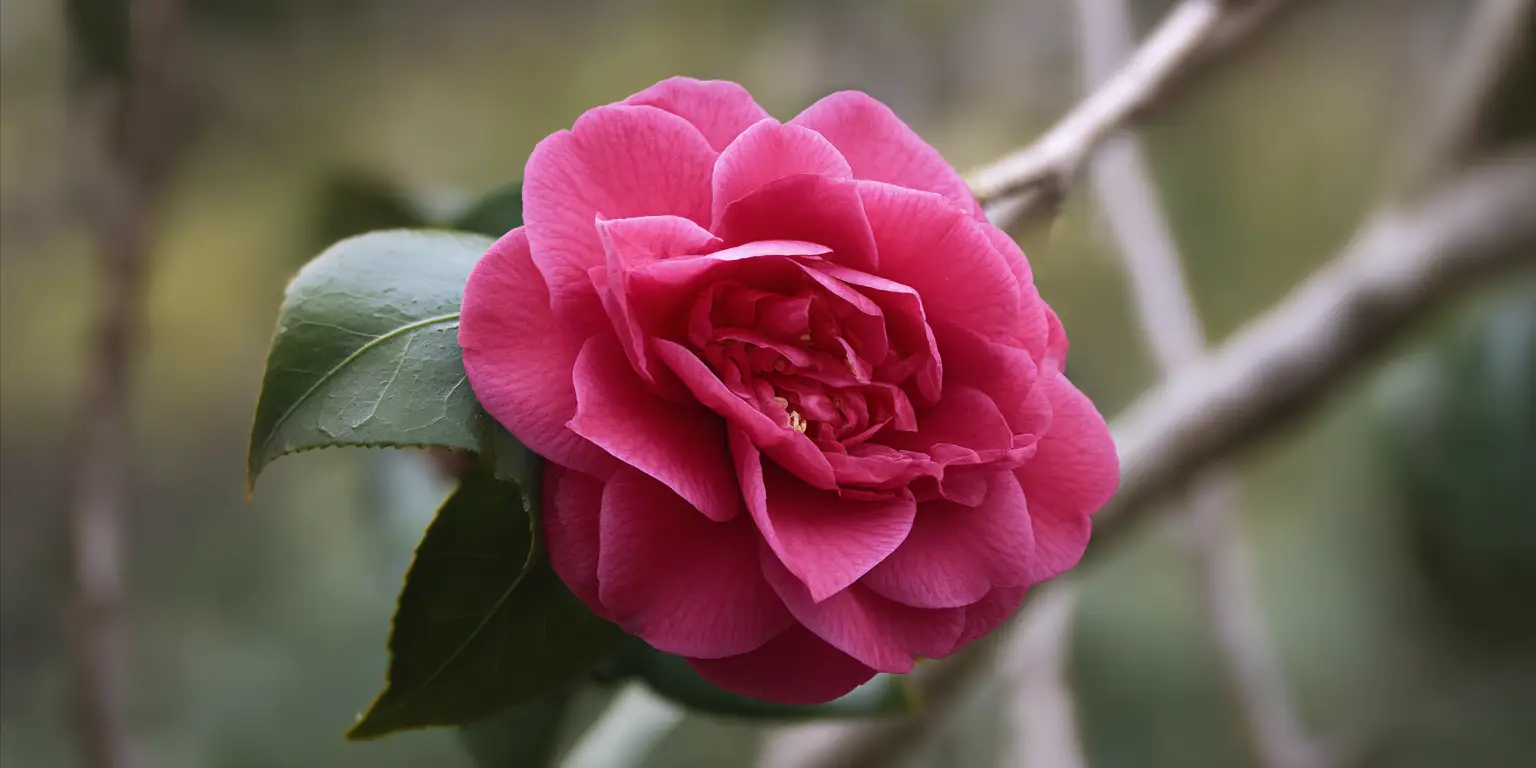
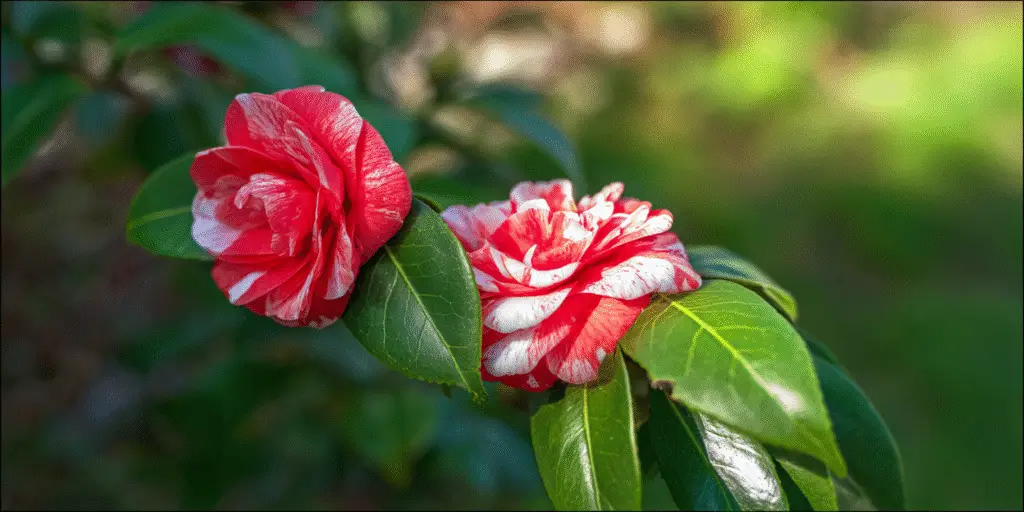
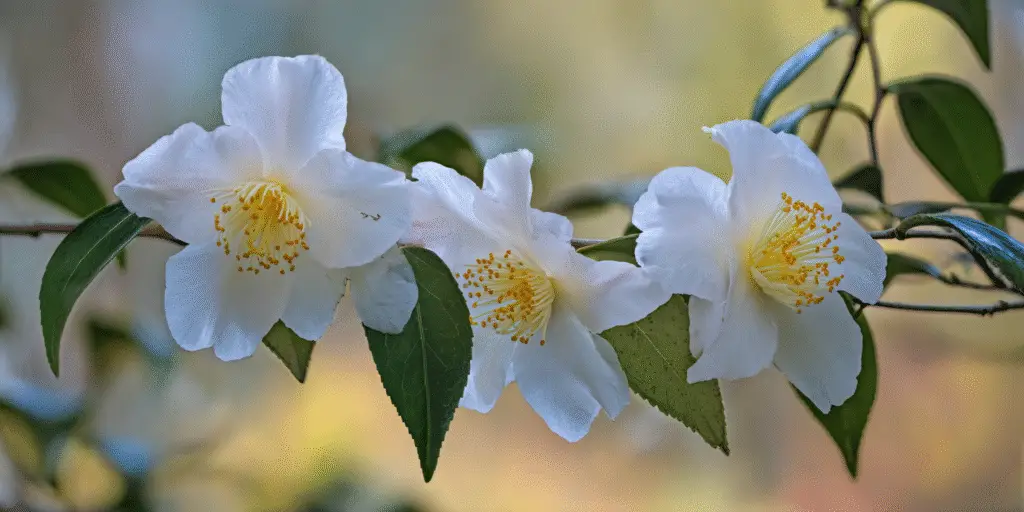
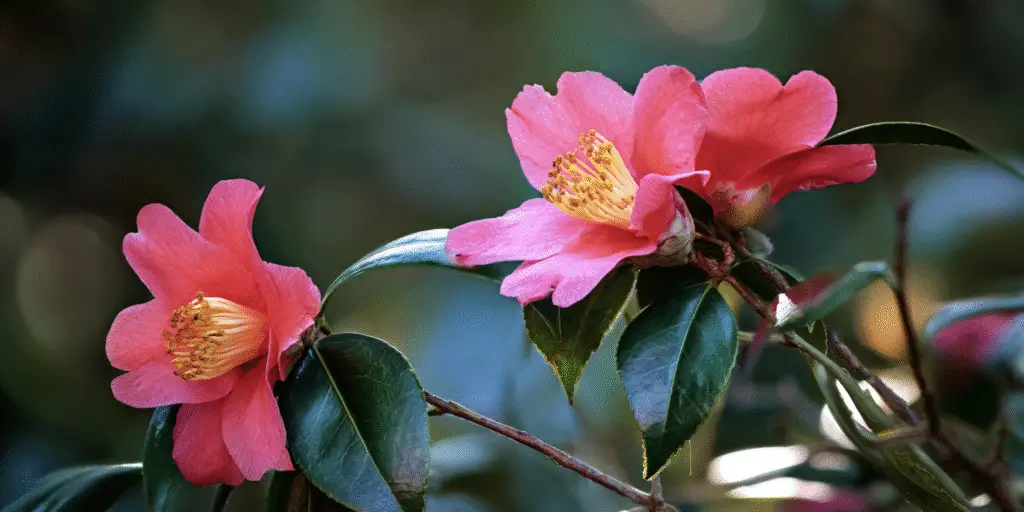
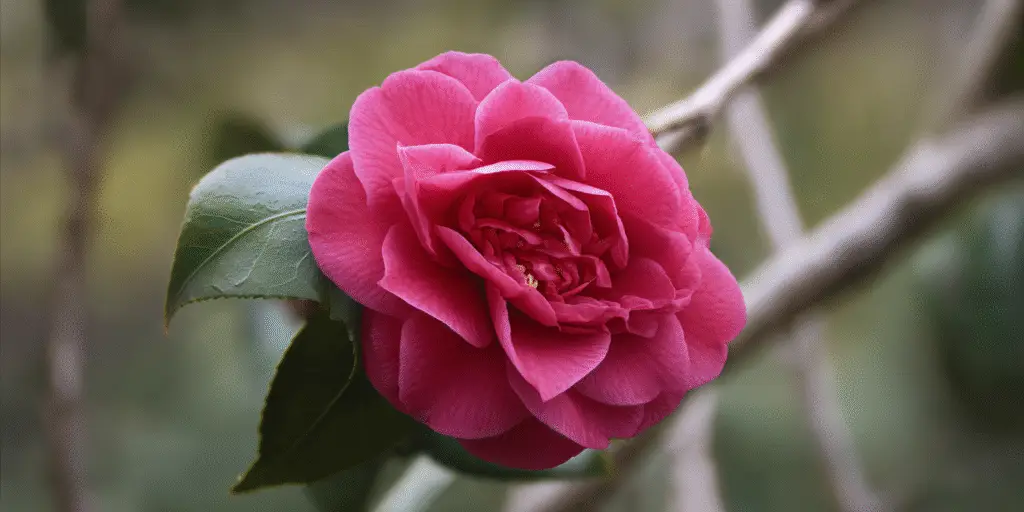
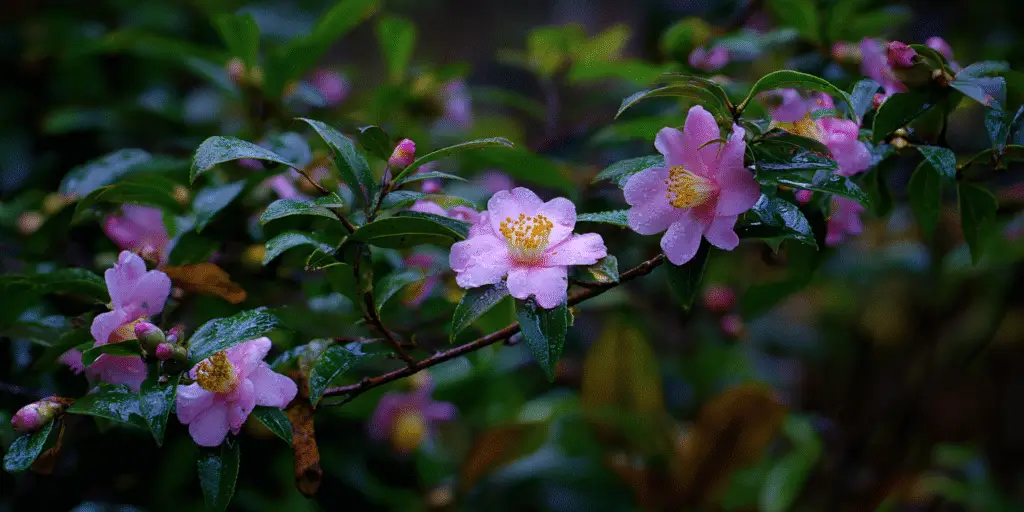
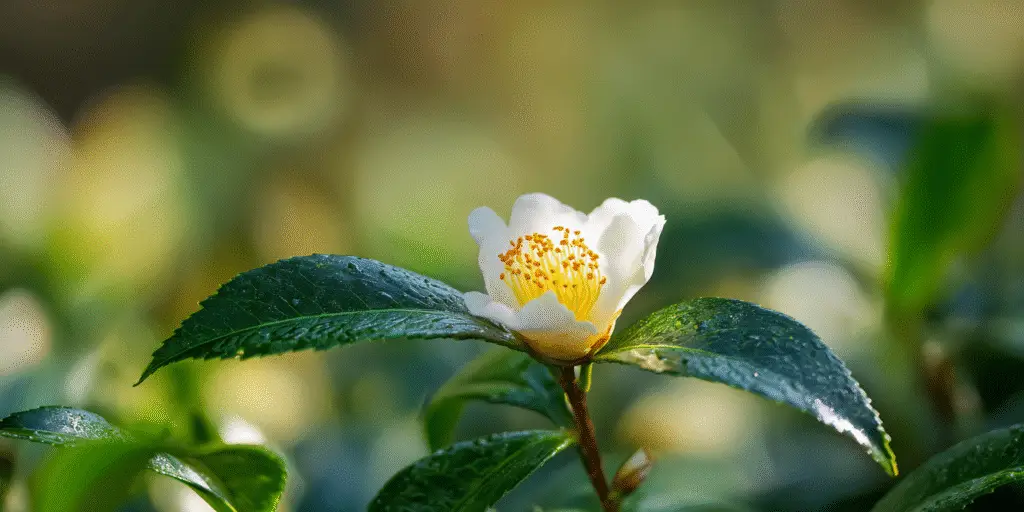
Camellia reticulata is a large‑flowered species from Yunnan, China, admired for very large blooms and bold foliage on a loose, tree‑like shrub. It stands out where winters are mild and long seasons favor late bloom. It performs best in sheltered part shade with acidic, organic, well‑drained soil. Hardiness is generally USDA zones 8 to 10. Bloom timing varies by cultivar and climate; many peak from late winter to spring, while some selections flower in fall.
At‑a‑glance
Group/Class: Species
Height × spread: 8–10 ft (2.4–3.0 m) × 6–8 ft (1.8–2.4 m) in gardens; larger with age
Bloom window: February to April (varies by cultivar and climate)
Color & flower form: very large pink to red; mostly single to semi‑double
Fragrance: 0 none
USDA hardiness: zones 8–10
Breeder / Year / Origin: unknown, unknown, China (Yunnan)
Cut‑flower notes: huge petals bruise easily; short vase life; floating displays show blooms best
Pet safety: safe
How it differs
Largest flowers among commonly grown camellias.
Often blooms later than japonica; some cultivars bloom in fall.
Less cold‑hardy; needs shelter in most of North America outside the Deep South and West Coast.
Looser, more open branching than japonica.
Strengths
Dramatic specimen for mild climates.
Bold texture and distinctive flower size.
Good focal point for winter to spring interest.
Care in one minute
Light: bright shade or morning sun; protect from hot or early morning winter sun.
Soil: acidic and organic; excellent drainage is essential.
Water: even moisture; mulch to moderate swings.
Feeding: light acid‑forming fertilizer after bloom.
Pruning: minimal; thin lightly after flowering.
Watch‑outs
Cold damage below typical zone range; avoid exposed sites.
Root rot in poorly drained soils; petal blight in wet springs.
Buds and petals can scorch in direct early morning sun after frost.
Written by: Your Flowers Guide editorial team We are a small independent group of flower lovers who research and review each guide using trusted horticultural and educational sources. Learn more about us