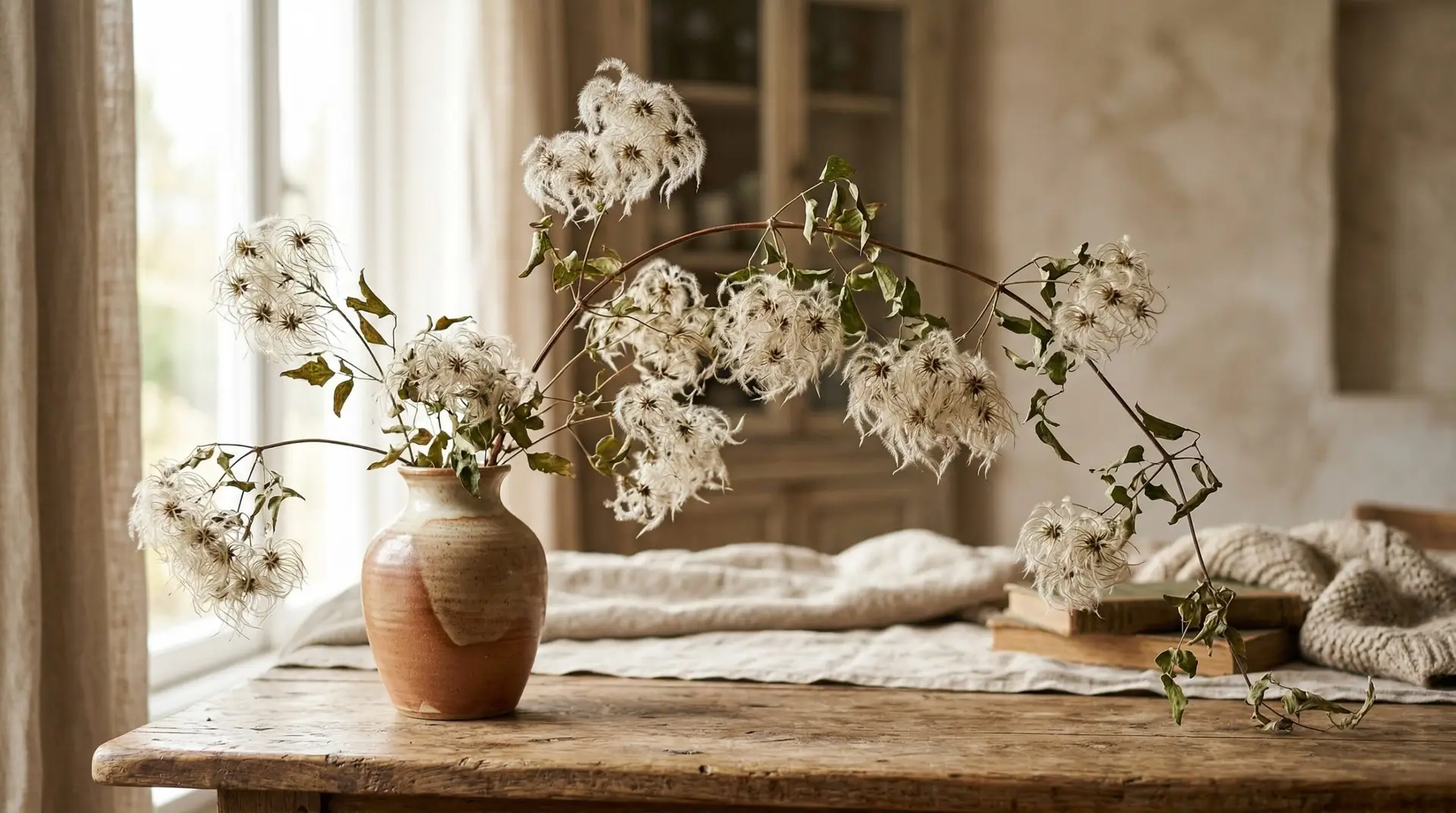
The morning air carries the sharp scent of crushed pine needles and wet earth as the first frost settles over the garden. Low winter sunlight spills across the fence line, catching the remnants of the climbing vines in a wash of pale, watery gold. Where heavy velvet blooms once rested, the clematis has transformed into spheres of spun glass and silver wire. These delicate structures hold the frost like tiny crystals, catching the light long after the surrounding garden has faded into dormant gray. You can see the individual silky tails of the seeds reaching outward, swirling into a perfect, chaotic globe of light. Running a bare hand over them feels like touching the softest animal fur, a surprising warmth in the bitter cold. The transformation from heavy flower to weightless seed is complete, leaving behind a completely different kind of beauty.
Not all vines leave behind such an intricate display, but certain varieties excel at creating these lasting winter forms. The yellow-flowering species produce seed heads that look like small, metallic shaving brushes spun from pale brass. As the weeks pass, these brassy tufts open wider, fluffing into pale cream spheres that catch the slightest breeze. The autumn-blooming varieties create massive clouds of these silky heads, draping over arbors and walls in thick, frothy waves. Against a backdrop of dark green yew or the peeling bark of a dormant birch, the pale seeds glow with an almost lunar quality. The wiry stems holding these globes turn a deep, bruised purple as the temperatures drop, creating a sharp color contrast with the silvery tops. Watching them sway in a heavy winter wind, you can see how tightly they cling to their supports, refusing to let go even as the season deepens.
Contents 3 sections
Capturing winter light and shadow
Providing clematis winter interest requires leaving the vines untouched during the final autumn cleanup. When heavy fog rolls through the garden, the moisture settles on the fine hairs of the seed heads, turning them into heavy, drooping pearls of water. As the sun burns the fog away, the water evaporates and the silk springs back to its weightless, airy form. A light dusting of snow sits gently on top of the clusters, creating tiny white caps that look like miniature, snow-covered hills. Photographers often wait for the late afternoon light, the golden hour, when the sun hits the silver threads at a low angle and makes them ignite into halos of warm fire. The shadows cast by these intricate spheres fall across the wooden fences and brick walls, drawing complex, lace-like patterns that shift with the sun. Leaving the vines standing allows you to watch this daily interaction between the dormant plant and the changing winter weather.
Bringing this outdoor beauty inside for clematis dried arrangements requires careful timing and a gentle touch. You will know the stems are ready to harvest when the seed heads feel dry and papery, but before the wind begins to pull the individual silky tails apart. The stems should feel woody and firm between your fingers, snapping cleanly when bent. Cutting them on a dry, crisp afternoon ensures that no hidden moisture is trapped inside the dense clusters of seeds. As you gather them into your arms, they emit a faint, dusty scent reminiscent of old paper and dry grass. The stems often tangle together, requiring a slow, deliberate untwisting to separate the delicate globes without crushing them. Wrapping the cut ends in a loose piece of twine, you can feel the rigid structure of the vine that will hold up well in indoor displays.
Preserving the silver threads
Hanging the gathered bundles upside down in a cool, dark room is the best way to lock in their shape and color. The air in the drying space soon takes on the earthy, quiet smell of autumn leaves and curing wood. Over a period of two to three weeks, the stems lose their remaining green tint, fading to a soft, matte brown. The seed heads themselves become slightly more rigid, their silky tails locking into their final, swirling patterns. You can pair them with other structurally interesting dried plants, much like the inflated, burgundy-striped pods of Love-in-a-Mist, which provide a smooth, balloon-like contrast to the feathery clematis. Running your fingers lightly over the fully dried clematis spheres produces a faint rustling sound, like dry sand shifting over stone. They weigh almost nothing, feeling completely hollow and perfectly preserved.
Working with the dried stems requires a delicate hand, as the rigid vines can snap if forced into tight curves. Bending them slowly around a grapevine wreath base allows the natural curve of the stem to dictate the shape of the arrangement. The silver globes look beautiful when nestled against the large, papery domes of Hydrangea macrophylla blossoms that have faded to muted shades of sage and mauve. Tucking the clematis stems between the heavier hydrangea heads creates a visual balance between solid mass and airy lightness. You can secure the stems with dark floral wire, twisting it tightly enough to hold the vine but loosely enough to avoid crushing the brittle bark. The finished wreaths bring the texture of the winter garden indoors, smelling faintly of dry earth and old wood. Hanging the wreath on a plastered wall allows the intricate shadows of the seed heads to play across the room as the interior lighting changes.
Designing with winter textures
Placing clematis seed heads in simple, tall vases draws attention to their chaotic, sprawling architecture. A heavy ceramic vase in a dark, matte glaze grounds the weightless, silvery clouds floating at the top of the stems. When placed near a window, the winter sunlight filters through the glass and illuminates the fine hairs, recreating the glowing halos seen in the outdoor garden. The dry air of a heated home actually helps preserve the seed heads, keeping the silk from clumping or drooping over the long winter months. Dust can settle on the fine threads over time, but a gentle puff of air easily clears it away without damaging the structure. The pale silver and cream tones fit seamlessly into neutral interior spaces, offering a quiet, textural presence rather than a loud burst of color. They sit quietly in the corner of the room, a physical memory of the climbing vine that produced them.
Stepping back out into the garden as the early winter dusk settles, the remaining vines fade into the deepening shadows. The air grows sharp and biting, carrying the distinct chill of a freezing night. Even as the surrounding shrubs and trees lose their outlines in the dark, the pale clematis spheres catch the rising moonlight. They hover along the fence line like small, tethered stars, swaying silently in the cold wind. The frost begins to form again, coating the silky threads in a new layer of tiny, sharp ice crystals. It is a quiet, still moment that captures the exact feeling of the sleeping garden. The silver globes will hold their light here until the heavy snows eventually pull them down to the frozen earth.
More About Clematis
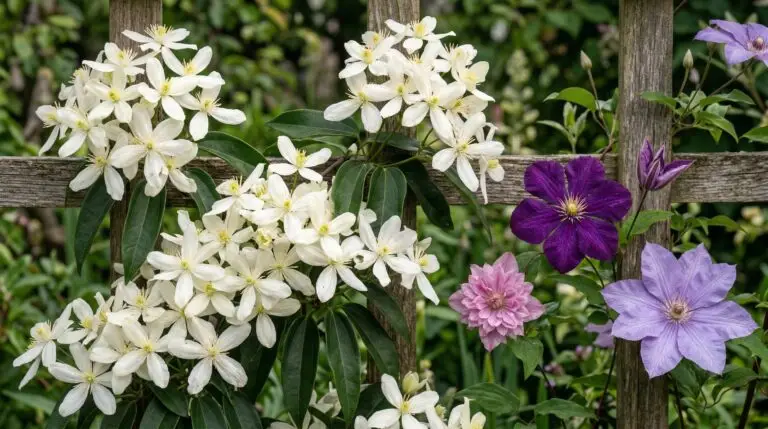
Evergreen clematis varieties that keep your garden looking alive through winter
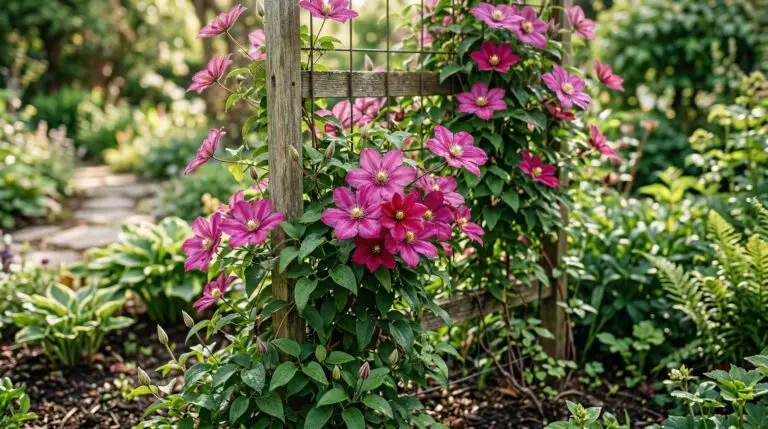
Small-space clematis varieties perfect for containers mailboxes and small trellises
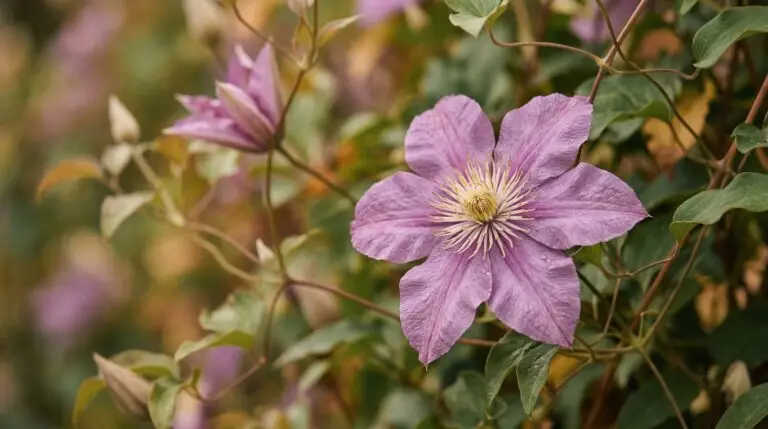
Clematis flower meaning and the symbolism of the traveller’s joy vine

Understanding clematis pruning groups so you never accidentally cut off your blooms

Growing clematis on trees for a naturalistic look inspired by woodland climbing vines

How to grow clematis and roses together on the same trellis for a stunning combination
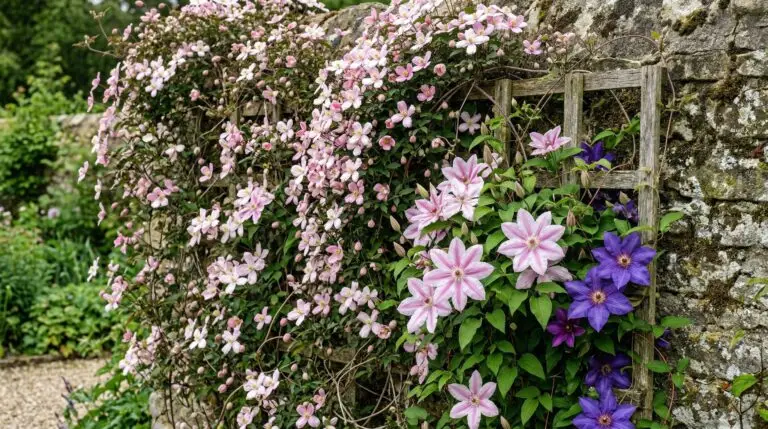
Best clematis varieties for covering fences and trellises with walls of flowers
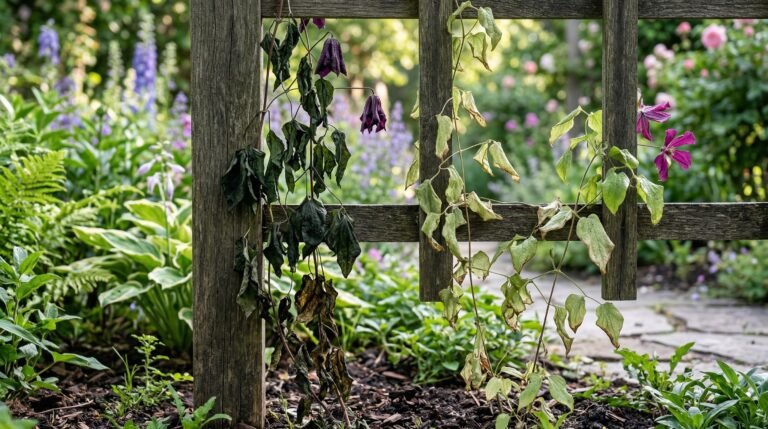
Why clematis is wilting and how to diagnose and treat clematis wilt disease
Enjoying our flower guides? Add YourFlowersGuide as a preferred source on Google. It helps more readers find us.
Add to Preferred Sources