How to Grow and Care: Forget Me Not
Contents
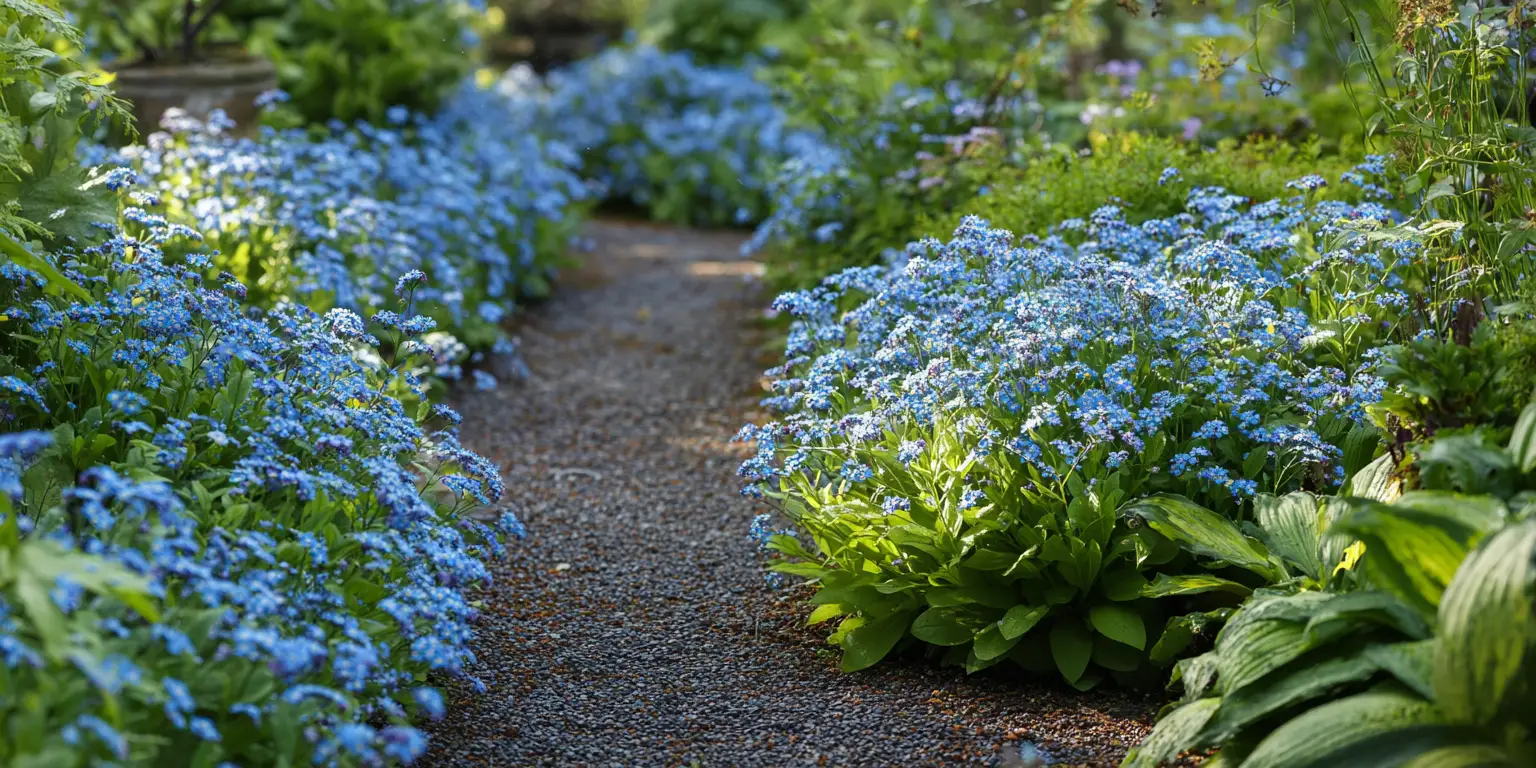
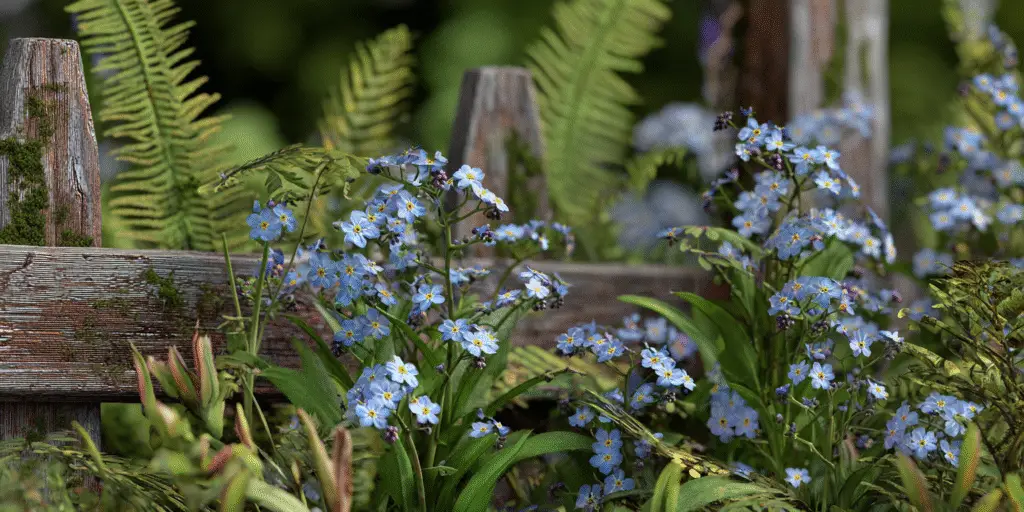
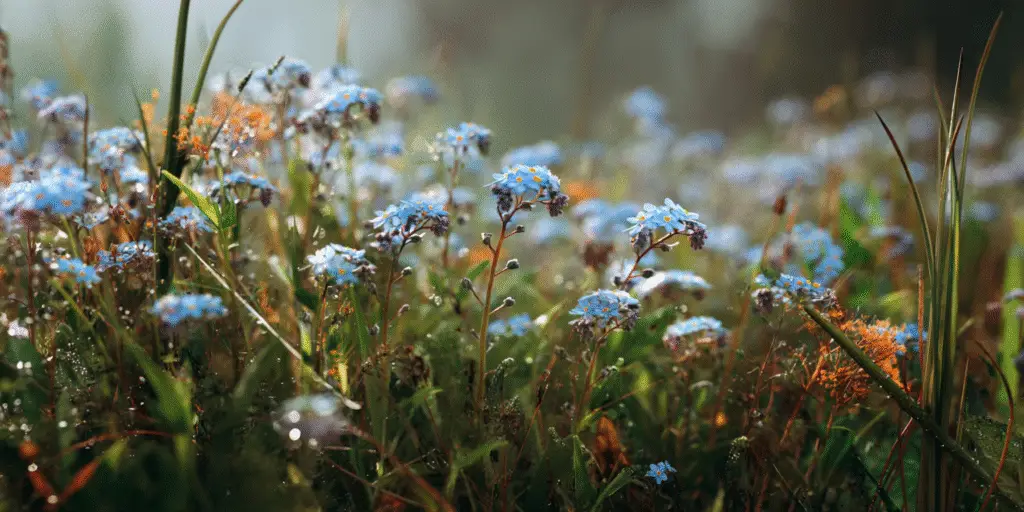
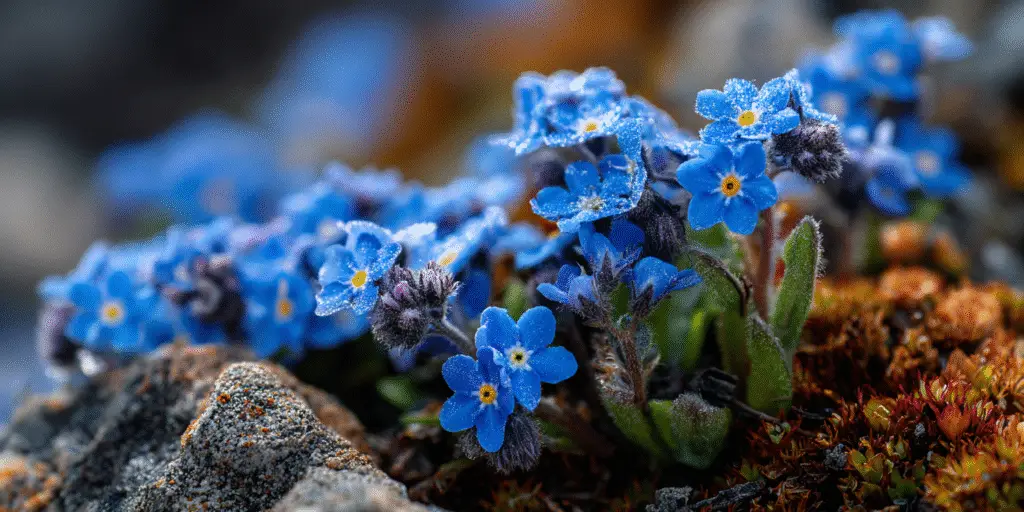
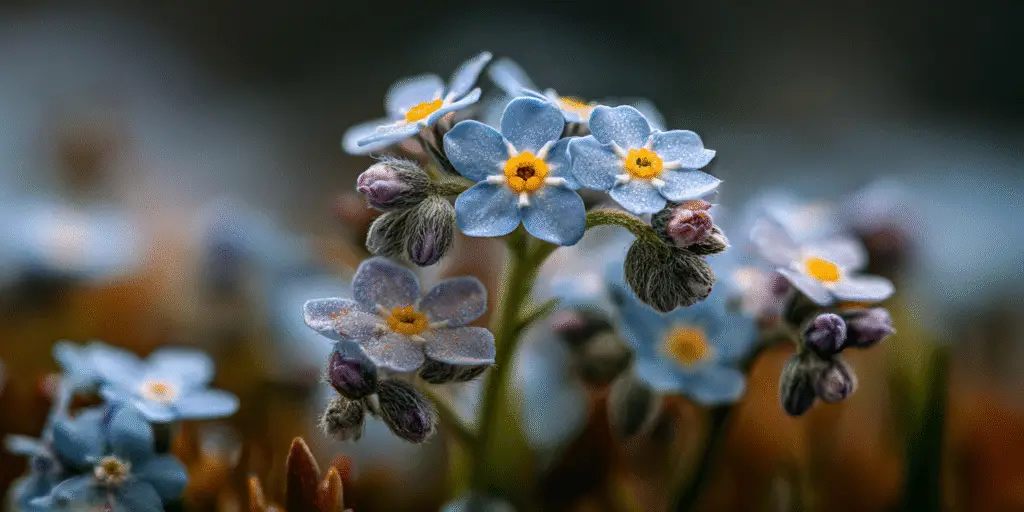
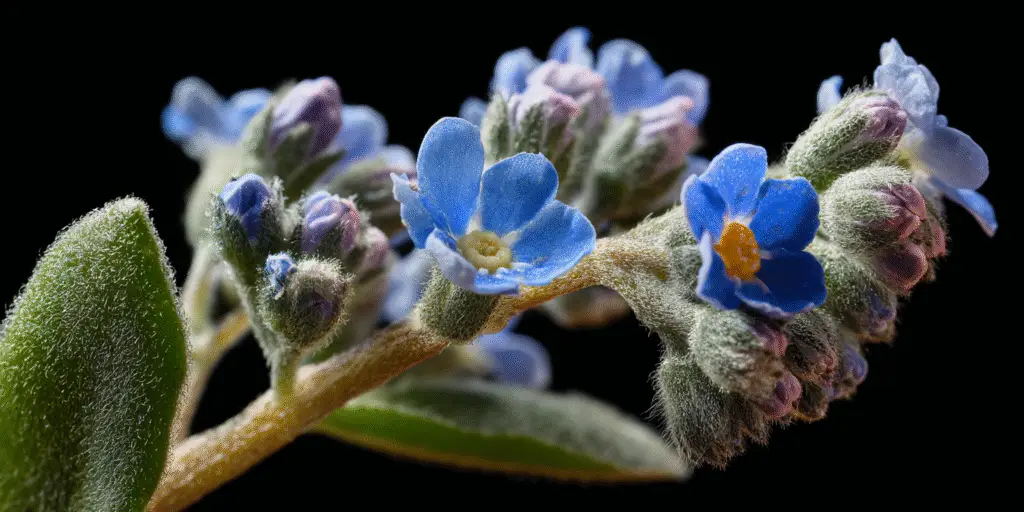
Forget‑me‑nots are cool‑season flowering plants from the borage family that gardeners grow for clouds of tiny five‑petaled blooms in spring. The most common garden species is Myosotis sylvatica (woodland forget‑me‑not). In wetter sites and water gardens you will also see Myosotis scorpioides (water or true forget‑me‑not; synonymous with Myosotis palustris), which tolerates saturated soil and even shallow standing water. Woodland forget‑me‑not is hardy across much of the United States and behaves as a short‑lived perennial often managed as a biennial or cool‑season annual. Water forget‑me‑not is perennial in suitable climates and spreads by rhizomes and seed, so plan its placement where its vigor is welcome and check regional guidance before planting.
In most gardens, aim for morning sun with light afternoon shade. Woodland types thrive in moist yet well‑drained beds that stay evenly cool as weather warms. Water forget‑me‑not belongs at pond edges, in bog gardens, or along streams where soil remains consistently damp. For reliable success, give forget‑me‑nots fertile loam amended with organic matter, maintain steady moisture without waterlogging crowns, thin or deadhead to manage reseeding, and refresh plantings every one to three years to keep drifts dense and floriferous.
Soil & Bed Preparation
Healthy forget‑me‑nots start with soil that is loose, moisture‑retentive, and never stagnant. Aim for a loam or clay‑loam amended with two to three inches of compost worked into the top eight inches. Woodland forget‑me‑nots prefer beds that drain well after a soaking but that do not dry out completely as days lengthen. Work beds when soil is workable but not sticky, and keep the planting surface level so water does not pool around crowns. For water forget‑me‑not near a pond edge or swale, place plants where soil stays wet through spring and early summer. In water gardens or lined features, confine water forget‑me‑not in containers to manage spread and to keep crowns at the correct depth.
Before planting, do a simple percolation test. Dig a hole 12 inches deep and 4 to 12 inches wide, fill it with water and let it drain, then refill and measure how fast the water level drops. A rate of about 1 to 3 inches per hour is ideal for most bedding flowers. Slower than 1 inch per hour indicates poor drainage that benefits from raised beds, broadforking or tilling to eight inches, and additional organic matter. Faster than 4 inches per hour suggests sandy soil that needs added compost to hold moisture. For woodland forget‑me‑nots, a slightly acidic to neutral pH works well, with a practical goal of about 6.1 to 7.5. If your pH is low, add lime according to a soil test and work it in several weeks before planting. If your pH is high, elemental sulfur can be used to lower pH gradually. Make these changes before planting when possible since pH moves slowly and is harder to adjust once roots are established.
Raised beds warm and drain faster in spring and can be the best choice where heavy clay lingers wet. Build beds at least 6 to 8 inches high and fill with a mix rich in compost and pine bark fines so moisture holds evenly without ponding. In‑ground beds are better where summers are hot and dry since surrounding soil buffers temperature swings and conserves moisture. On slopes, contour your beds to catch rainfall and mulch to keep the surface from sealing after storms.
Water forget‑me‑not tolerates saturated soil and grows in shallow water up to about 3 inches deep. When used in ponds, plant it in a wide container of heavy loam topped with pea gravel to anchor stems and soil. Lower containers gradually to the final depth after plants root, and situate them where you can thin or divide clumps as needed to control spread along margins.
Planting Calendar by USDA Zone
Because forget‑me‑nots prefer cool weather, timing revolves around frost dates and summer heat. Use this zone‑based quick plan, and adjust a week or two using your local frost calendar and the microclimate of your site.
Zones 3 to 4
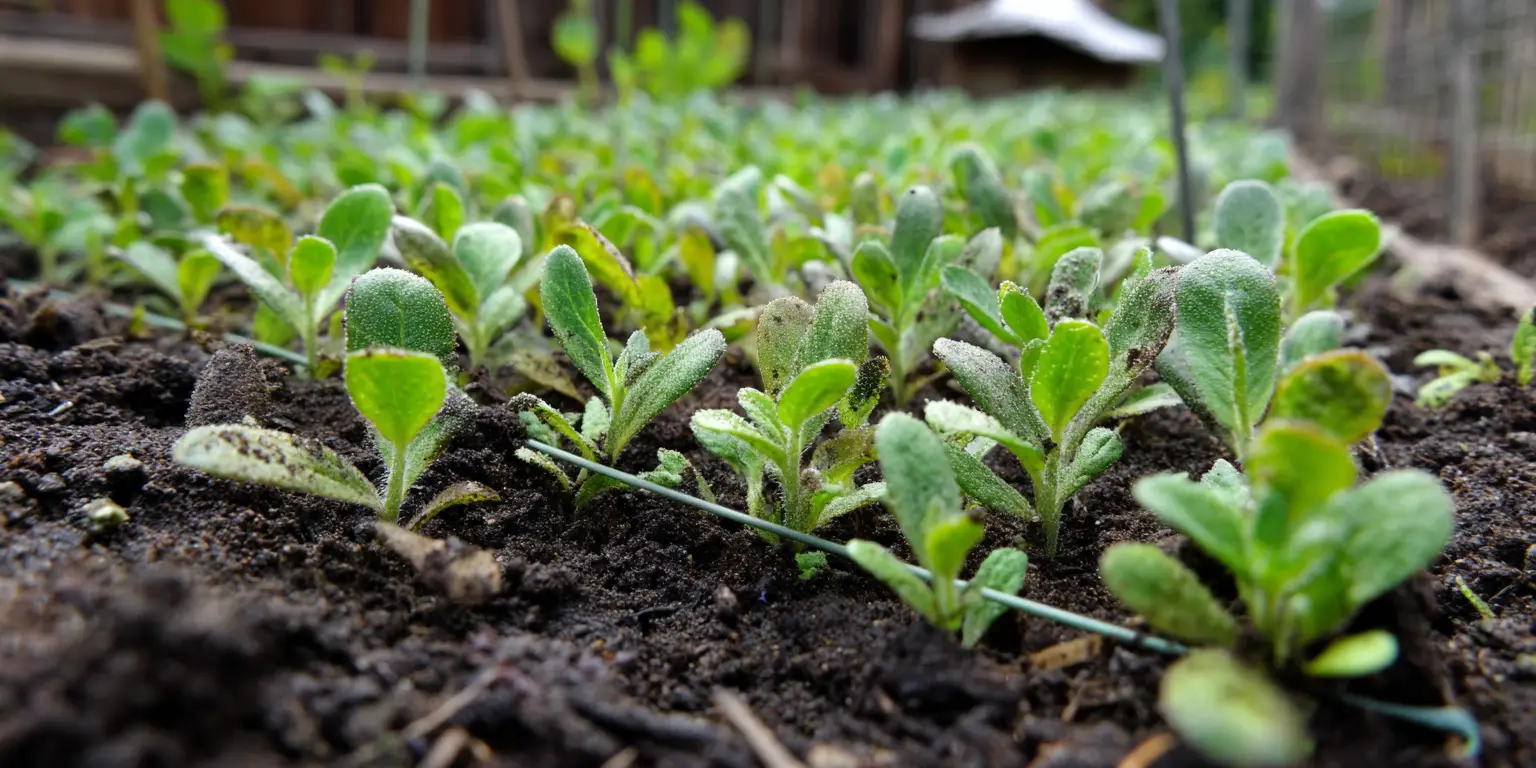
Start woodland forget‑me‑not indoors 8 to 10 weeks before your average last frost for same‑year bloom, or sow outdoors as soon as the soil can be worked. For a traditional biennial cycle, direct sow in mid to late summer so rosettes establish and overwinter for heavy bloom the following spring. Water forget‑me‑not can be planted once soils thaw and water bodies are ice‑free.
Zones 5 to 6
Transplant nursery starts in early spring when soil is workable, or sow indoors 8 to 10 weeks before last frost for bloom in late spring to early summer. For biennial drifts, direct sow from July to early September so plants root, form basal rosettes, and vernalize outdoors. Fall planting of container‑grown plants is excellent where soils stay evenly moist through winter.
Zones 7 to 8
Treat woodland forget‑me‑not as a cool‑season annual or biennial. Install container plants in fall from October to December to bloom in late winter to spring. Direct sow in late fall or very early winter where soil remains workable. Choose morning sun and afternoon shade and irrigate regularly as temperatures rise. Water forget‑me‑not performs in cool months near water features and may flag in prolonged summer heat unless kept wet.
Zones 9 to 10
Grow woodland forget‑me‑not as a winter to spring annual. Plant in late fall to early winter and pull plants when heat arrives. Keep beds in bright open shade to extend bloom. Water forget‑me‑not can persist through winter at pond margins but may decline in summer heat away from water. In hot‑humid regions, choose the coolest microclimates and irrigate consistently to maintain cover.
Regional Cautions
Water forget‑me‑not spreads by seed and rhizomes and is flagged as invasive or noxious in parts of the Midwest and Northeast. Check your state invasive plant list and consult local extension guidance before planting. If permitted, confine it in lined features or containers so fragments do not escape into natural waterways.
Planting: Depth & Spacing
For woodland forget‑me‑not, sow onto fine, moist seed‑starting mix and barely cover with a dusting of vermiculite or fine mix. A very thin cover improves contact without burying small seeds. Keep evenly moist at about 65 to 70°F (18 to 21°C) until germination, which usually occurs in one to three weeks. Once seedlings have two to three true leaves, prick out into cell packs or small pots. Harden off for 7 to 10 days by gradually increasing outdoor exposure before planting out.
You will most often divide clumps of water forget‑me‑not rather than buy bare‑root woodland plants. Lift and split shallow rhizomes in early spring while growth is short. Replant divisions so crowns rest at the original soil line and keep them constantly moist during reestablishment. Where planted in water, set containers so the crown sits at or just above the water line and allow roots to anchor before submerging to final depth.
Transplant at the same depth as the nursery pot so the crown does not sit below the surrounding soil. Space woodland forget‑me‑nots about 8 to 12 inches apart (20 to 30 cm) to allow air movement and room for spreading rosettes. In rows for cutting gardens or edging, use 10 to 12 inches between plants and about 12 to 18 inches between rows to reach in for deadheading and grooming. Plant on an overcast day and water in gently to settle soil around roots. Reduce transplant shock by hardening off, planting during the cool part of the day, and shielding new plantings with light fabric or a temporary shade board for two to three days if a heat spike arrives.
Watering & Mulching
During establishment, keep the root zone consistently moist. After planting, water deeply two to three times a week in the absence of rain to wet the top 6 inches of soil. As roots extend, a target of about 1 inch of water per week from rain and irrigation combined is a practical guideline for in‑ground beds, and up to 2 inches per week during hot periods. Use a rain gauge or a hose‑end water meter to track actual amounts. Drip lines or soaker hoses keep foliage dry and reduce disease risk, especially in thick drifts under shrubs or fences where air moves slowly.
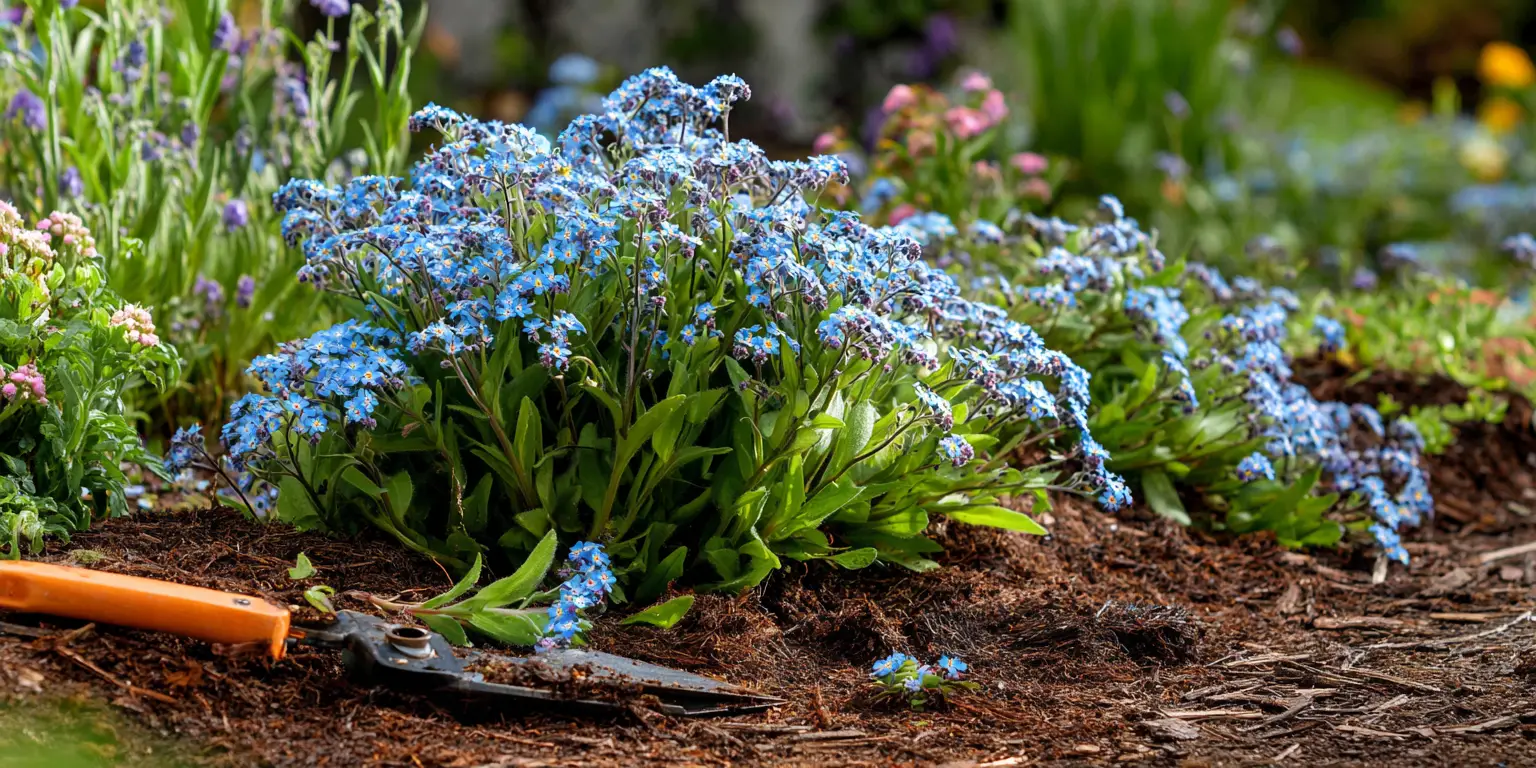
Mulch beds with 2 to 3 inches (5 to 7.5 cm) of shredded leaves, pine fines, or composted bark to conserve moisture and keep roots cool. Pull mulch back a few inches from the crown so soggy mulch does not press against stems and invite crown rot. In very sandy soils that shed moisture quickly, build a slightly recessed mulch basin around each plant to catch irrigation. For water forget‑me‑not, keep soil wet at all times. Where plants grow in shallow water, flush containers periodically to prevent stagnation and to discourage algae. In prolonged droughts or heat waves, water early morning to let leaves dry quickly and consider temporary afternoon shade, especially in zones 7 and warmer.
Feeding
Forget‑me‑nots are light feeders in fertile garden soil. If a soil test shows adequate nutrients and you routinely add organic matter, skip fertilizer. Where a boost is warranted, apply a modest amount in early spring as growth resumes. A common approach for flowering beds is about 0.1 pound of nitrogen per 100 square feet using a balanced formulation such as 5‑10‑5 or 10‑10‑10 at label rates. Work granular fertilizer lightly into moist soil and water afterward to wash nutrients off foliage. Avoid high‑nitrogen products that push soft foliage at the expense of flowers and that can increase disease pressure in tight plantings.
For containers, most soilless mixes include a small starter charge that feeds for several weeks. After that, use a slow‑release fertilizer labeled for flowering plants, or feed with a dilute liquid feed every four to six weeks through cool‑season growth. Add one inch of finished compost to in‑ground beds each year to maintain soil biology and tilth. Retest garden soil every two to three years to stay within the target pH and to avoid unnecessary inputs.
Pruning & Support
Forget‑me‑nots rarely need staking due to their compact size. The most important routine is deadheading and thinning. As the first flush finishes, shear spent flower stems just above the leaf rosettes to tidy the drift and to reduce abundant self‑seeding where you want tighter control. Leave some seedheads only where you want plants to naturalize. In water gardens, pinch young water forget‑me‑not plants to encourage branching and a full edging along margins.
At season’s end, pull or cut back declining plants once they brown and open spaces begin to appear. In biennial drifts, thin first‑year rosettes to the desired spacing to improve airflow, reduce powdery mildew risk, and prevent crowding near the path edge. Keep pruners clean to limit disease spread. Wipe blades with 70 percent alcohol between beds or use a quick dip and air dry. Collect and bin leaves with visible mildew or rust and do not compost them if your pile does not reach sustained hot temperatures. Where slugs are common in cool spring weather, hand‑pick under boards in the morning, use iron phosphate baits per label, or reduce hiding spots by lifting soggy mulch away from stems.
Overwintering
In cold climates, rosettes of woodland forget‑me‑not overwinter close to the soil and resume growth as soon as days lengthen. To protect late fall plantings or new divisions in zones with frequent freeze to thaw cycles, apply a loose winter mulch after the ground has frozen. Two to three inches of clean straw, pine needles, or shredded leaves limits heaving that can lift shallow roots. Pull winter mulch back gradually in spring once frost subsides so crowns can breathe and new leaves can dry quickly after dew.
Container plantings need extra attention because root balls freeze faster than soil in the ground. Where winters are cold, move pots to a protected spot that remains cold but not exposed to constant wind. An attached unheated garage, shed, or cold porch that stays roughly 20 to 45°F (−6 to 7°C) works well for hardy perennials in containers. Water lightly during thaws so the root ball does not desiccate. Another option is to sink pots to the rim in a vacant bed and mulch heavily over and around the container for insulation. In warm zones where heat arrives early, treat woodland forget‑me‑not as a winter annual, then refresh beds with warm‑season companions as plants fade.
Growing Environments
Forget‑me‑nots are excellent in window boxes and porch pots for soft, early color. Use a high‑quality soilless potting mix formulated for containers and avoid heavy garden soil that compacts and stays waterlogged. Choose a pot with drainage holes and a width that allows gentle drifts. A 10 to 14 inch diameter container accommodates several plugs planted 6 to 8 inches apart (15 to 20 cm). Keep containers evenly moist and never let the root ball become bone dry. In windy exposures or full spring sun, daily watering may be needed as plants peak. To extend the display, tuck in bulbs the previous fall or underplant taller containers where spring shrubs cast dappled shade by afternoon.
Site forget‑me‑nots where morning sun dries dew quickly and afternoon shade keeps the bed cool. Along south and west walls where reflected heat builds, widen mulch rings and irrigate more frequently. In narrow side yards or under dense hedges, thin plantings so air can pass between leaves. For water gardens, set water forget‑me‑not where you can reach it to trim and where water movement will not uproot new stems. In arid climates, use windbreaks and increase organic matter to hold moisture between irrigations.
Companion Planting & Design
Forget‑me‑nots are classic partners for spring bulbs and cool‑season perennials. Plant them in front of tulips and daffodils so blue flower clouds wrap around bulb stems and hide fading bulb foliage after bloom. Interweave with hellebores and brunnera to broaden the palette of blues and whites in partial shade. Layer them under lilacs or at the feet of hydrangea macrophylla so early flowers carry the border before shrubs leaf out fully. For a longer season, lace in clumps of lavender or hardy salvias that pick up as forget‑me‑nots wane, or edge roses where morning sun reaches the bed and afternoon shade eases heat.
In small gardens, set forget‑me‑nots as color ribbons along paths and between stepping stones. In cottage plantings, let a few seedheads mature in strategic pockets so drifts renew without overwhelming neighbors. In meadows near water features, use water forget‑me‑not to bracket a bog garden and to frame flagstone landings. Blend in nectar‑rich companions that feed early pollinators, and provide spacing that allows airflow to check mildew. If you like to group by color, forget‑me‑not feels at home wherever you highlight blue flowers, pair them with white flowers for a clean spring scheme, or tuck them among pink flowers if you favor romantic blends across your broader collection of types of flowers.
Quick Reference: Keys to Success
Light: morning sun with afternoon shade in most climates; full sun only where springs are cool and soil stays moist
• Soil: rich loam with steady moisture; water forget‑me‑not tolerates saturated margins and shallow water
• pH: about 6.1 to 7.5 for woodland types; adjust only based on a soil test
• Water: keep evenly moist; about 1 inch per week for in‑ground beds, more in heat; continuously wet for water forget‑me‑not
• Spacing: 8 to 12 inches apart for airflow and fullness
• Feeding: light spring feeding only when soil tests support it; avoid high nitrogen
• Renewal: refresh drifts every 1 to 3 years; thin rosettes; shear after bloom to tidy and manage self‑seeding
• Overwintering: winter mulch new fall plantings after soil freezes; protect containers in a cold, sheltered space
References
- North Carolina State Extension. “Myosotis sylvatica (Woodland Forget‑Me‑Not).”
- Missouri Botanical Garden. “Myosotis sylvatica.”
- Penn State Extension. “Care and Maintenance of Perennials.”
Written by: Your Flowers Guide editorial team
We are a small independent group of flower lovers who research and review each guide using trusted horticultural and educational sources. Learn more about us