Spring mornings in the garden arrive with a certain damp chill that makes the emergence of green shoots feel like a quiet victory. Long before the heavy heat of summer sets in, the soil yields a succession of familiar faces, but few offer the sharp, architectural grace of the Dutch iris. Most gardeners discover these slender plants almost by accident, picking up an inexpensive bag of bulbs on a whim at the local nursery. Once planted, they quickly prove themselves to be the easiest iris to grow for indoor arrangements. Unlike the sprawling bearded irises that demand space and careful division, these slender stalks shoot straight up with efficient precision. They take up almost no room in the garden bed, squeezing comfortably between broader perennials while waiting for their moment. When those tightly furled buds finally crack open to reveal flashes of deep blue and gold, they change the entire geometry of the spring cutting garden.
The appeal of the Dutch iris is its straightforward nature and its absolute reliability as a cut flower. Florists have relied on these precise, long-stemmed blooms for decades to bring height and saturated color to spring bouquets. They provide a cool, structured counterpoint to the softer, more relaxed shapes of other seasonal flowers. Bringing that professional quality into a home garden requires very little effort, provided the preparation begins before the ground freezes.
Contents 3 sections
Fall planting rituals for spring rewards
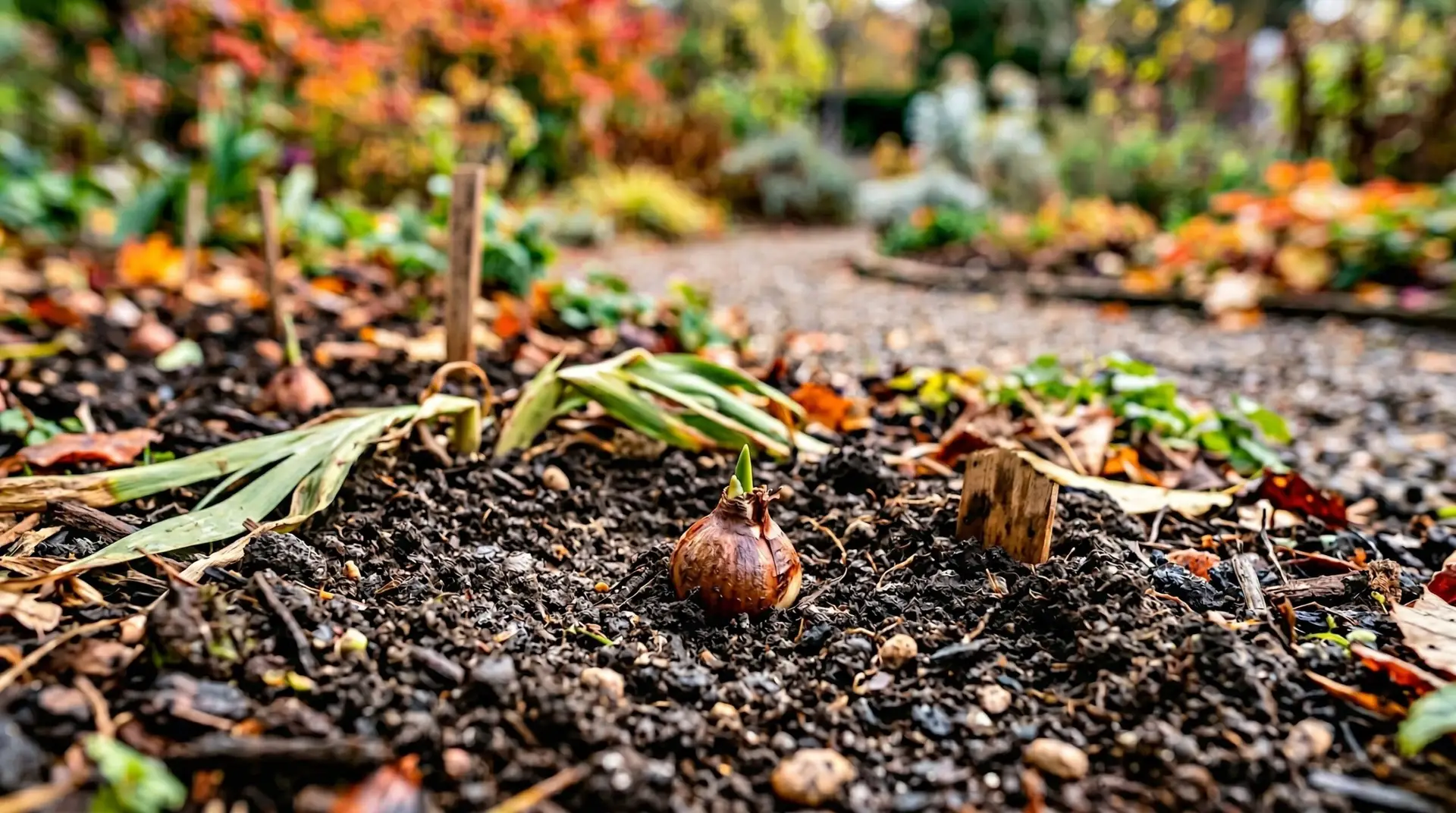
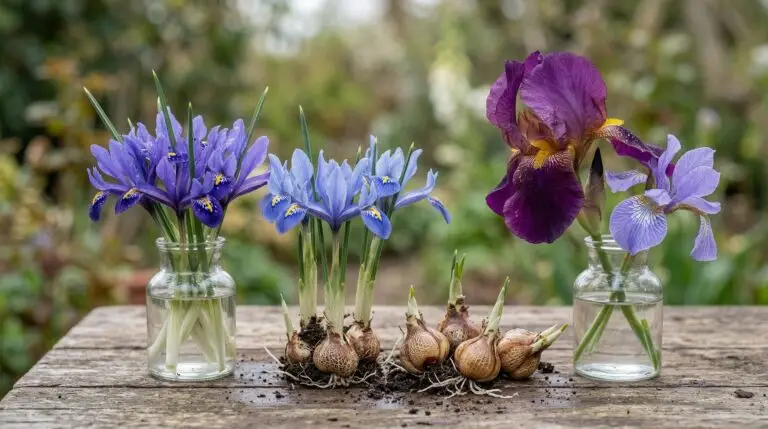
October and November are the months for burying promises in the garden, a time when the air smells of woodsmoke and decaying leaves. Planting Dutch iris bulbs is a simple task that requires only well-draining soil and a sunny patch of earth. The teardrop-shaped bulbs are small, roughly the size of a hazelnut, making them incredibly easy to slip into the ground at a depth of about four inches. Because they are so narrow, you can plant them densely, spacing them just a few inches apart in a dedicated cutting patch or scattering them among spring-blooming tulips for a succession of color. They prefer dry conditions during their summer dormancy, so finding a spot that does not get heavily irrigated later in the year is ideal. This low-maintenance requirement makes them a forgiving choice for beginners and a reliable staple for experienced growers. The initial investment is minimal, yet the return in late spring is a generous supply of elegant, long-lasting flowers.
The foliage often appears early, sometimes sending up grassy green shoots in the middle of winter if the weather turns unusually mild. This early emergence rarely causes problems, as the leaves are tough enough to withstand a light frost. By the time the soil warms completely, the stems elongate rapidly, reaching heights of two feet or more. The rigid, upright growth habit means they rarely need staking, even in gardens exposed to heavy spring winds.
Varieties that define the florist trade
While these flowers come in shades of white, yellow, and bronze, the classic blue varieties remain the undisputed favorites for floral design. The variety known as Blue Magic is perhaps the most recognizable Dutch iris cut flower in the world, famous for its deep violet-blue petals marked with a bright splash of yellow on the falls. This bold color contrast draws the eye immediately, making it a powerful focal point in any vase. Professor Blaauw is another exceptional choice, offering a slightly broader flower in a rich, saturated sapphire blue. Both of these varieties have been bred specifically for their long, sturdy stems and their ability to hold up well after cutting. They possess a formal, almost sculptural quality that elevates a simple jar of water into a deliberate arrangement. When placed alongside the densely petaled faces of ruffled ranunculus or the bright, familiar cups of cheerful daffodils, the sharp lines of the iris provide necessary visual tension.
Finding these specific bulbs is usually quite easy, as they are widely distributed through specialty catalogs and local garden centers. Buying them in bulk is the best approach for a cutting garden, allowing you to harvest armfuls without stripping the outdoor beds bare. Because they are so inexpensive, many growers treat them as annuals, planting fresh bulbs every autumn to guarantee the longest stems and largest flowers. Others leave them in the ground to naturalize, accepting slightly shorter stems in subsequent years in exchange for the effortless perennial blooms.
Capturing the perfect vase life
Timing the harvest correctly is the secret to getting the longest possible display from your cut irises. You should never wait for the flower to fully open in the garden, as rain and wind can easily bruise the delicate tissue of the petals. The ideal moment to cut is when the bud has colored up but remains tightly closed, a phase growers refer to as the “pencil stage.” At this point, the bud looks like a thick blue crayon emerging from its green papery sheath. Snapping the stem at the base in the cool morning air seals in the moisture and prepares the flower for its transition indoors. Once you bring them inside, trim the ends with a sharp knife and place them in a clean bucket of cool water to rest in a dark room for a few hours. This conditioning period allows the stems to draw up maximum hydration before they are arranged.
Arranging Dutch irises requires a bit of attention to their specific geometry and how they open. As the buds unfurl in the warmth of a house, the standard petals stand upright while the falls gracefully arch downward, taking up significantly more space than the tight buds suggest. You must leave enough room between the stems in the vase to allow for this expansion. They drink a considerable amount of water, so checking the vase level daily and replenishing it with fresh, cool water keeps the stems firm and the colors bright.
A well-conditioned Dutch iris will easily last a week or more in a vase, slowly revealing its structure and fading gracefully. As the days pass, the petals become almost translucent, catching the morning light through a window and casting blue shadows on the table. The process of watching them open is a quiet daily event, a reminder of the garden’s momentum even when you are sitting indoors. There is something deeply satisfying about growing a flower that feels so polished and professional, yet requires little more than pushing a small bulb into the autumn dirt. They ask for very little of our time or resources, yet they return in spring with a sharp, undeniable presence. The sight of those blue spears rising from a glass vase is the purest distillation of the season, caught and held for a few bright days on the kitchen counter.
More About Irises
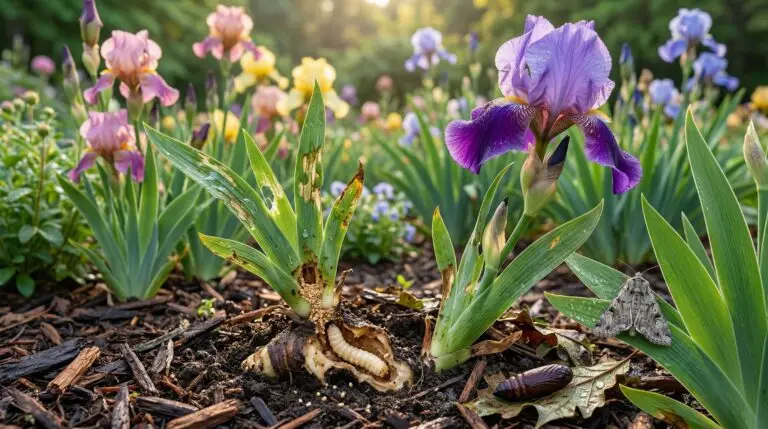
Iris problems from borers to rot and keeping your iris collection healthy
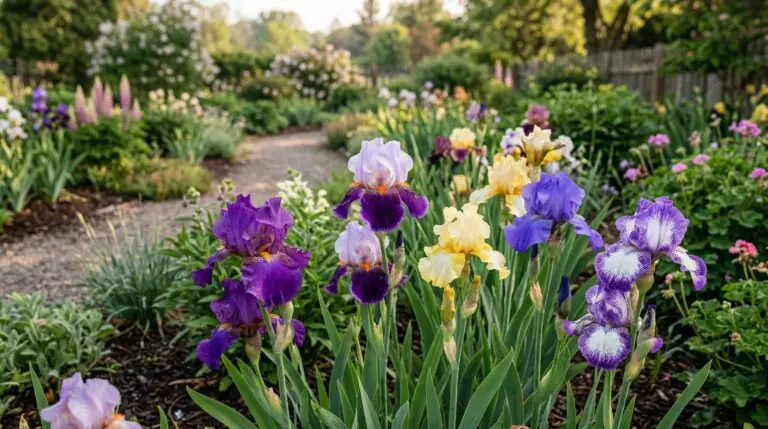
How to grow irises for elegant sword-leaved plants and flowers in every color of the rainbow
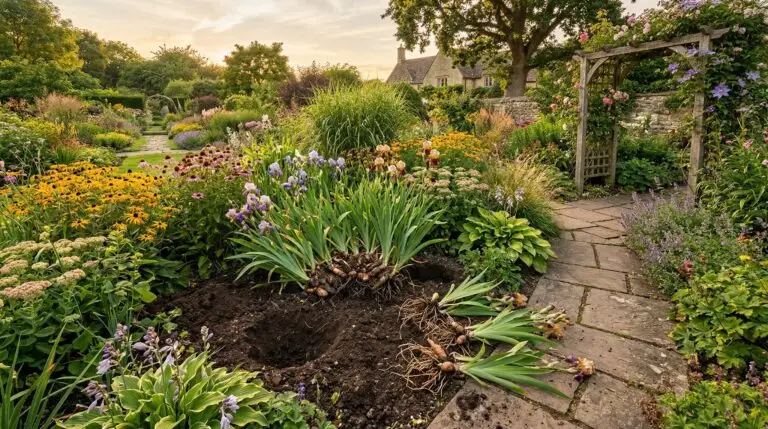
Dividing and transplanting irises at the right time for healthy plants and more blooms
Iris flower meaning and why the rainbow goddess gave this flower its name
Iris companion plants: what to grow and what to avoid
Miniature and dwarf iris for rock gardens and early spring color at ground level
Louisiana iris for southern gardens and warm humid climates where bearded iris fails
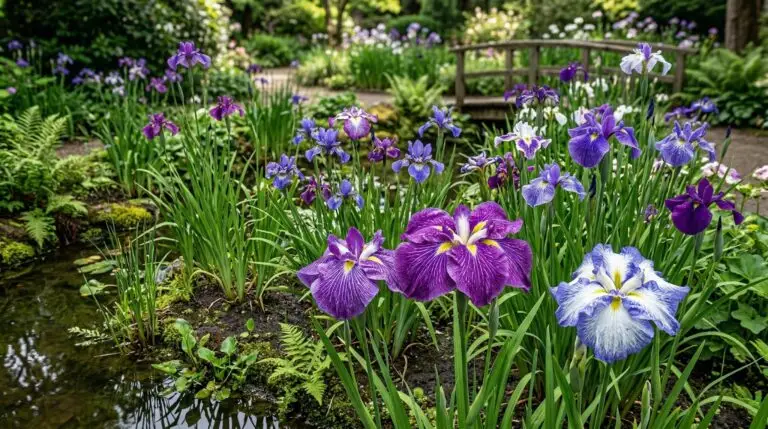
Japanese iris for dramatic waterside blooms with the largest flowers in the iris world
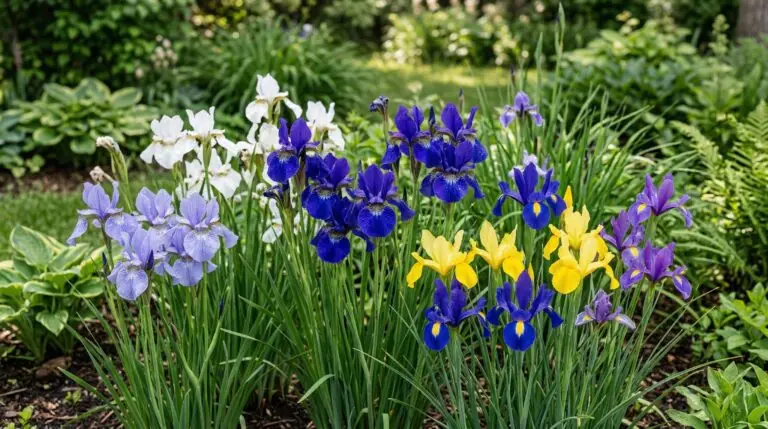
Siberian iris as the easiest and most elegant iris for modern garden borders
Enjoying our flower guides? Add YourFlowersGuide as a preferred source on Google. It helps more readers find us.
Add to Preferred Sources