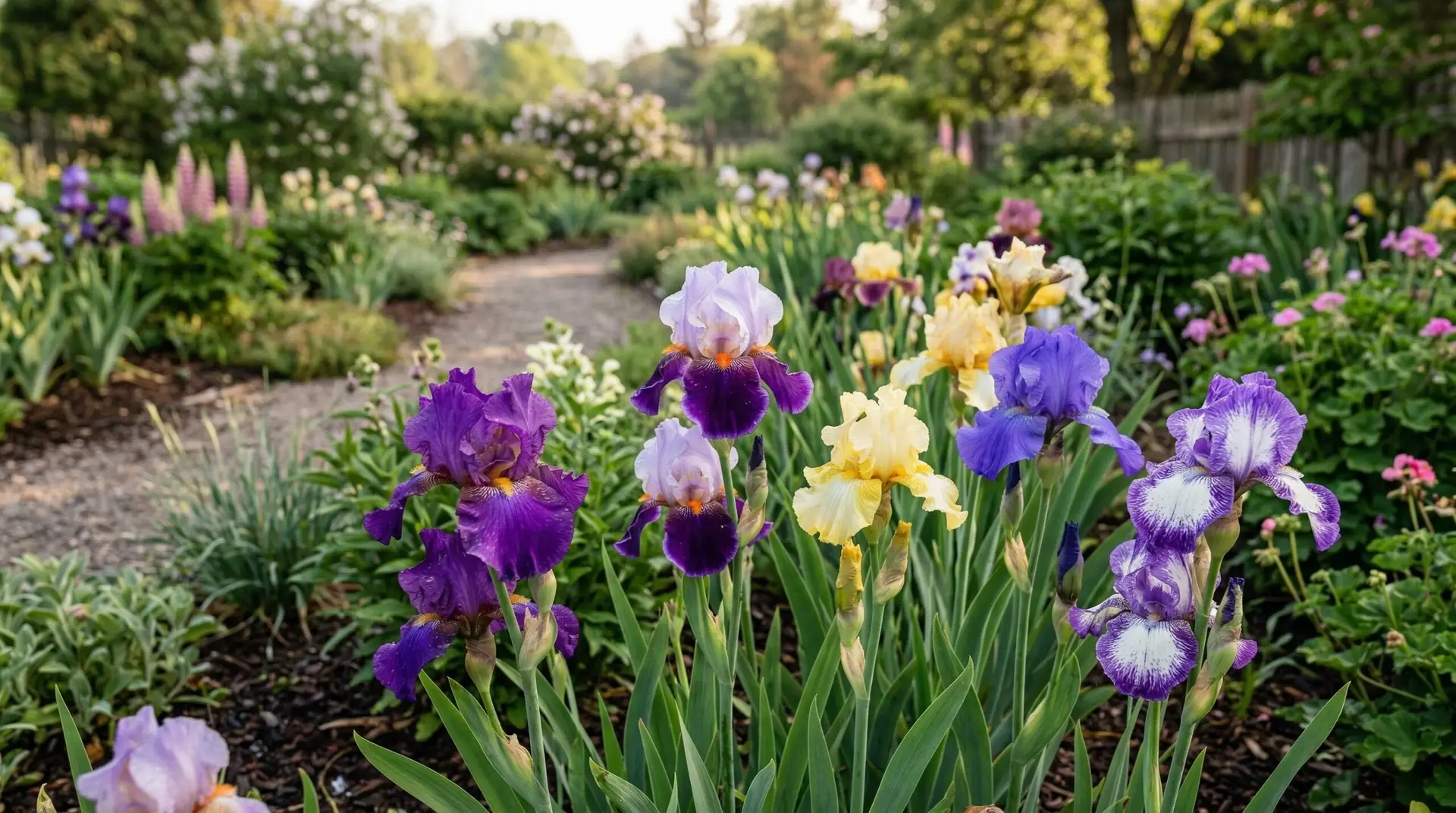
Anyone who has spent a few decades tending garden beds knows that the iris is less a single plant than an entire botanical universe. The genus comprises hundreds of species and tens of thousands of cultivars, ranging from tiny early spring bloomers to towering summer specimens. The name itself comes from the Greek goddess of the rainbow, which is fitting for a genus that produces flowers in nearly every shade imaginable, including elusive true blues and deep near-blacks. Most gardeners start with a single pass-along plant, only to find themselves drawn into the subtle differences between the various types. Cultivating irises successfully requires understanding exactly which group you have, because their cultural requirements vary drastically from one class to another.
Contents 4 sections
Understanding the major iris groups
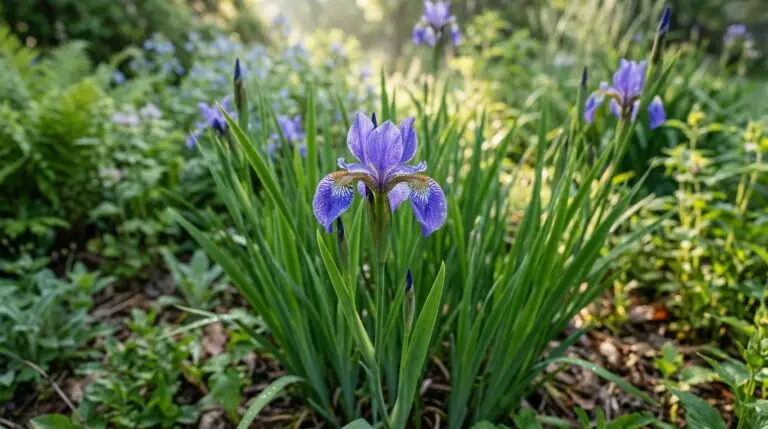
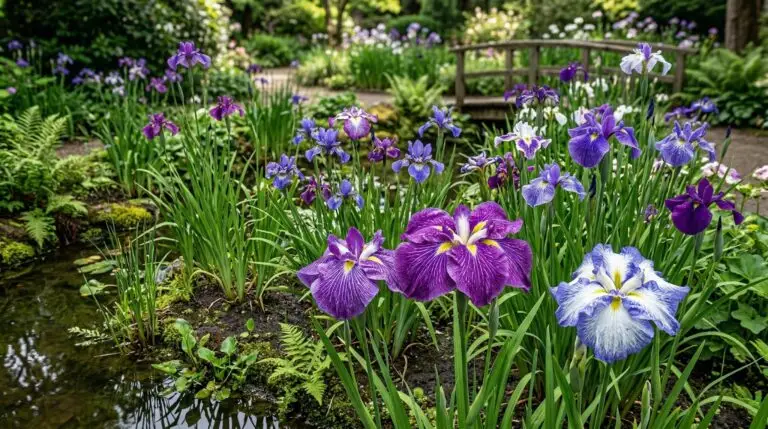
The most familiar members of this family are the bearded irises, named for the fuzzy caterpillar-like appendages on their lower petals, or falls. These plants are rhizomatous, meaning they grow from thick, fleshy modified stems that creep horizontally just under or along the soil surface. Knowing how to care for bearded irises involves providing them with excellent drainage and full sun to prevent these rhizomes from rotting. In stark contrast, beardless types like Siberian and Japanese irises prefer consistent moisture and slightly acidic soil. Japanese irises in particular will thrive in wet conditions during their spring growing season but demand drier soil during their winter dormancy.
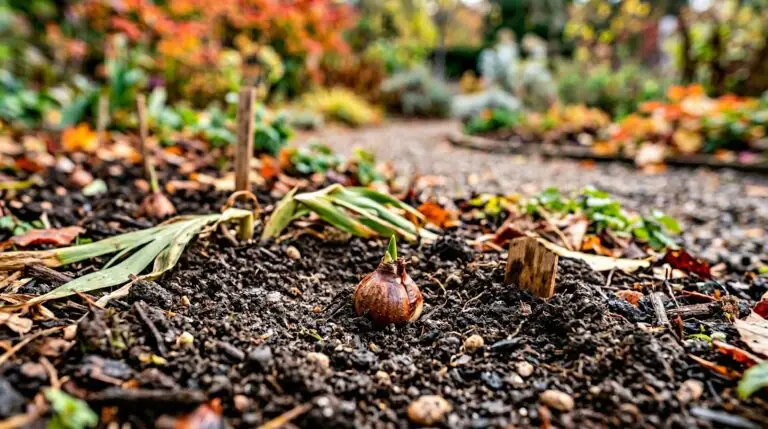
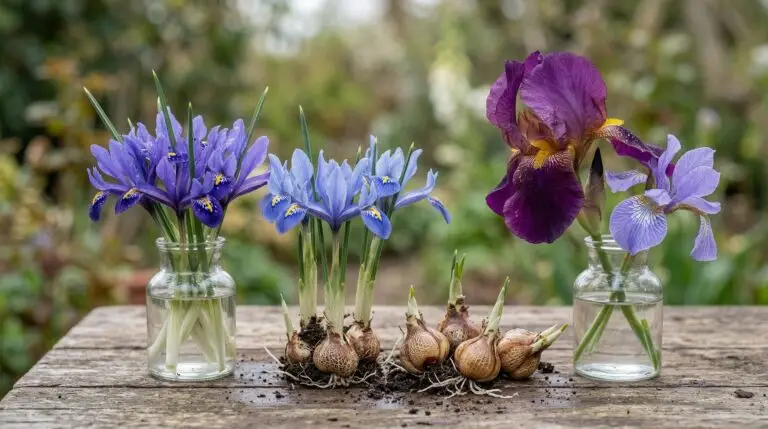
Beyond the bearded and Asian beardless types, you will often encounter Dutch and Louisiana irises, which present entirely different growth habits. Dutch irises are bulbous rather than rhizomatous, producing slender, grass-like foliage and distinctive, orchid-like blooms favored by florists. They are planted in the fall like tulips and require well-drained soil with a period of summer dormancy to perform well in subsequent years. Louisiana irises represent a group of native American species that naturally inhabit swamps and boggy areas along the Gulf Coast. These vigorous growers tolerate standing water and heavy clay soils that would quickly kill their bearded cousins.
Soil preparation and planting requirements
Getting the planting depth right is the single most important factor in growing irises, and the rules change depending on the root structure. Bearded iris rhizomes must be planted shallowly, with the top of the rhizome exposed to the baking summer sun in heavy soils, or covered by no more than an inch of soil in sandy environments. Burying them too deeply encourages bacterial soft rot, a foul-smelling disease that turns the firm plant tissue into mush. Conversely, bulbous Dutch irises should be planted about four inches deep to protect them from temperature fluctuations. Beardless rhizomatous types like Siberian irises need to be planted about an inch or two below the soil level.
Soil pH and fertility also dictate how well your irises will establish and bloom over time. Bearded irises generally prefer a neutral soil pH hovering around 6.8 to 7.0, while Japanese irises demand an acidic environment between 5.5 and 6.5. If you plant a Japanese iris in alkaline soil, its leaves will quickly turn yellow from iron chlorosis, a condition where the plant cannot absorb necessary nutrients. When preparing a new bed, I recommend testing the soil rather than guessing, as correcting pH is much easier before the plants are in the ground. Incorporating a low-nitrogen fertilizer, such as a 5-10-10 formulation, provides the phosphorus and potassium needed for strong root development and blooming without encouraging weak, disease-prone foliage.
Watering and seasonal maintenance
Watering practices must be tailored specifically to the type of iris you are growing and the current season. Bearded irises are highly drought-tolerant once established and generally only need supplemental water during prolonged dry spells or immediately after planting. Overwatering them is a common mistake that leads directly to rhizome rot and poor performance. Siberian and Louisiana irises need a steady supply of moisture throughout the growing season to produce their characteristic dense clumps of foliage and abundant blooms. In mixed borders, it often helps to pair drought-tolerant irises with other resilient perennials like the daylily, reserving your wetter garden spots for the moisture-loving iris varieties.
Division is an inevitable and necessary part of iris care, usually required every three to five years to maintain vigor and bloom quality. As rhizomatous irises grow, the center of the clump often dies out, leaving a ring of new growth that competes for nutrients and space. The best time to divide bearded irises is in mid to late summer, about six weeks after they finish blooming. You lift the entire clump with a garden fork, wash off the soil, and cut away the young, healthy rhizomes from the old, withered center. The foliage should then be trimmed back to a fan shape about six inches tall to reduce water loss while the new roots establish in late summer and early fall.
Managing pests and common diseases
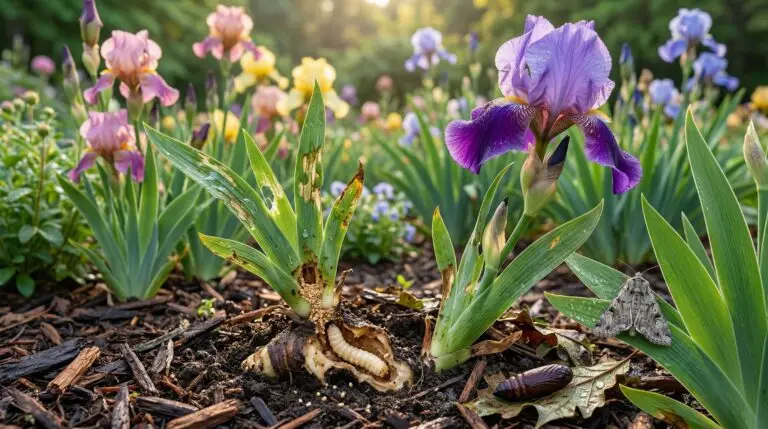
The most destructive pest for many iris growers in North America is the iris borer, a pinkish caterpillar that hatches in spring and tunnels down through the leaves into the rhizome. The damage caused by the borer often introduces the bacteria responsible for soft rot, turning a minor infestation into a fatal problem for the plant. Controlling the borer begins with strict garden sanitation, as the moth lays its eggs on old iris leaves in the autumn. Removing and destroying all dead foliage after the first hard frost breaks the life cycle and significantly reduces borer populations the following spring. For gardeners who struggle persistently with borers, integrating different companion plants like the lily can help diversify the bed and reduce the concentration of host plants.
Fungal leaf spot is another frequent issue, particularly in regions with wet, humid springs. This disease manifests as small brown spots with water-soaked margins that eventually coalesce, turning the entire upper half of the leaf yellow and brown. While leaf spot rarely kills the plant, it severely weakens it and creates an unsightly mess in the summer garden. Good air circulation is your best defense against fungal issues, which means giving your plants adequate spacing and keeping the surrounding area free of weeds. If you notice early signs of leaf spot, carefully clip off the infected portions of the leaves and dispose of them in the trash, never in the compost pile.
Successful iris cultivation comes down to observation and timely intervention rather than rigid adherence to a calendar. Pay attention to how your soil drains after a heavy rain and notice which plants are thriving and which are struggling. If a bearded iris is not blooming well, it usually indicates that the plant needs division, more sunlight, or less competition from neighboring roots. Take time this season to evaluate your garden beds and plan any necessary moves or divisions for the late summer dormant period. Getting your rhizomes lifted, divided, and replanted while the soil is still warm will ensure strong root growth before winter and a much better display of flowers next spring.
More About Irises
Iris problems from borers to rot and keeping your iris collection healthy

Dividing and transplanting irises at the right time for healthy plants and more blooms
Iris flower meaning and why the rainbow goddess gave this flower its name
Iris companion plants: what to grow and what to avoid
Dutch iris bulbs for spring cutting gardens and the easiest iris to grow in bouquets
Miniature and dwarf iris for rock gardens and early spring color at ground level
Louisiana iris for southern gardens and warm humid climates where bearded iris fails
Japanese iris for dramatic waterside blooms with the largest flowers in the iris world
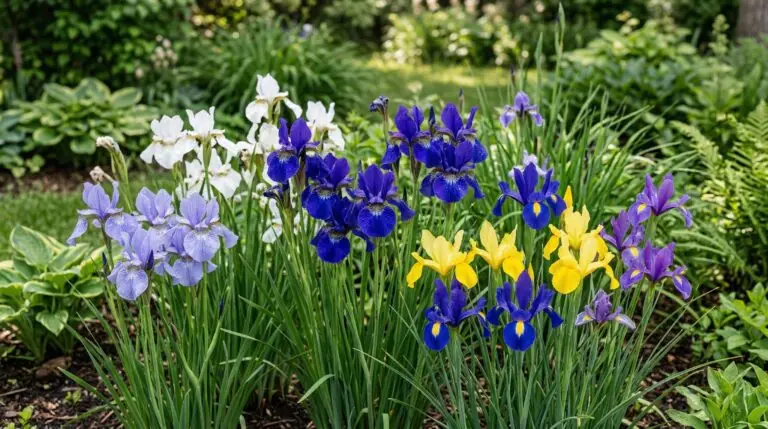
Siberian iris as the easiest and most elegant iris for modern garden borders
Enjoying our flower guides? Add YourFlowersGuide as a preferred source on Google. It helps more readers find us.
Add to Preferred Sources