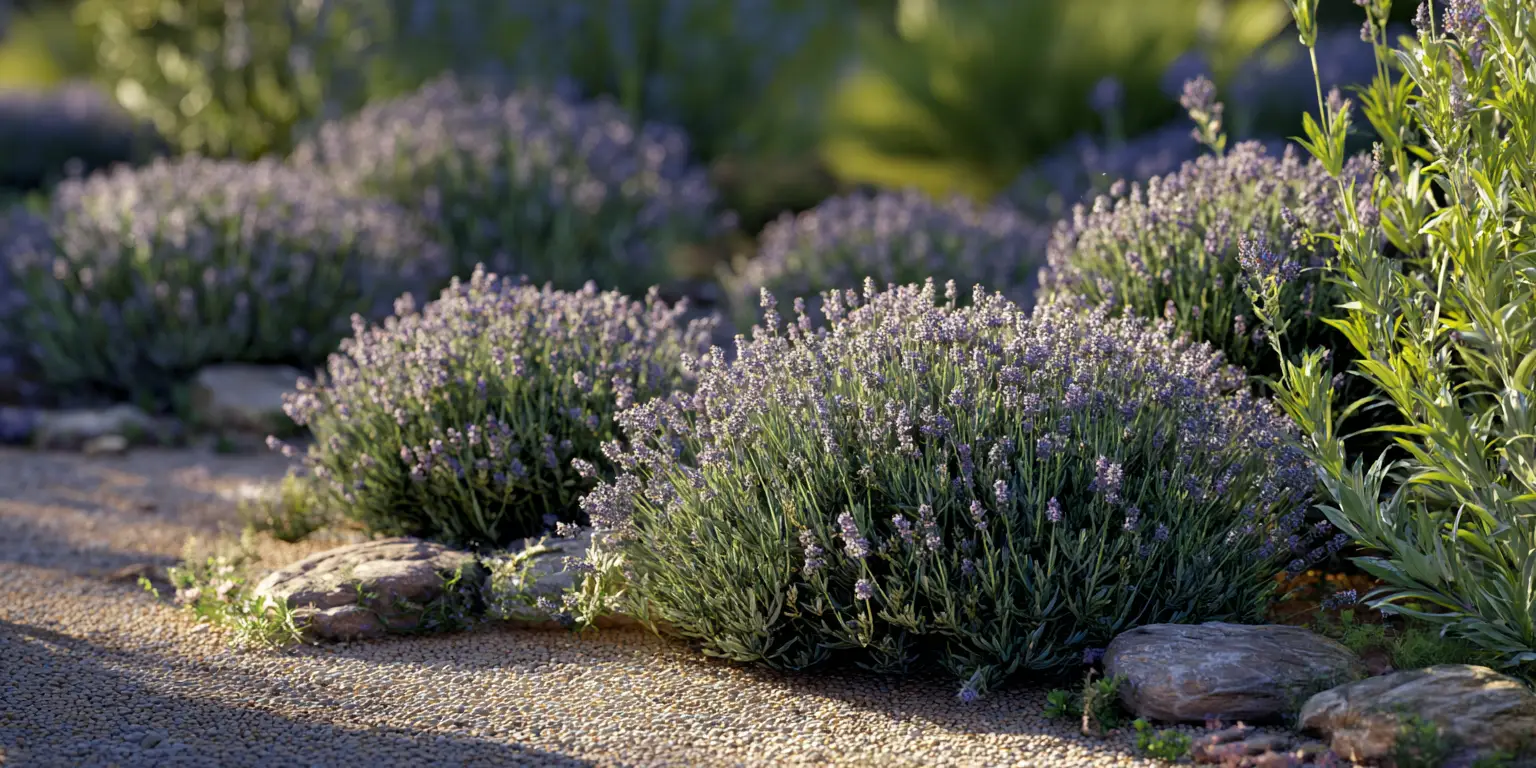
How to Grow and Care for Lavender
Contents
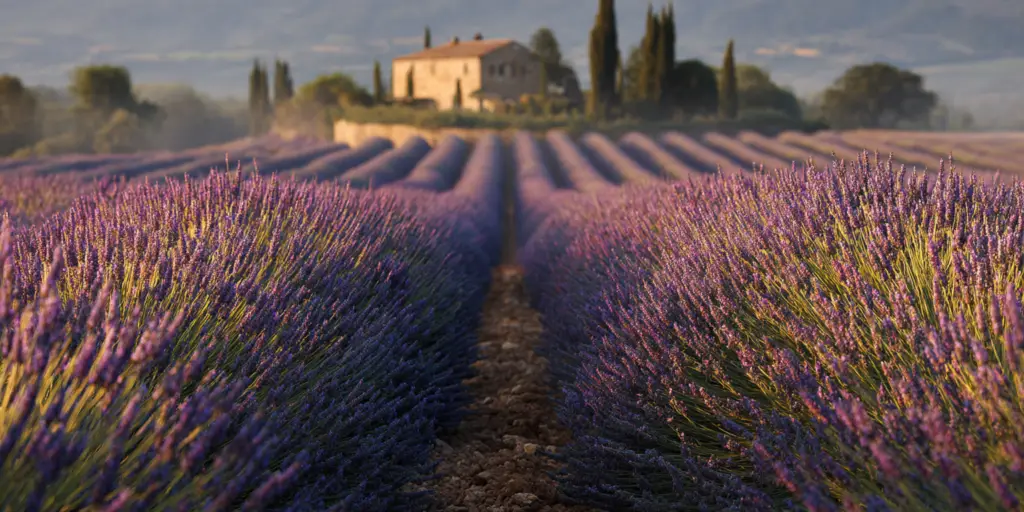
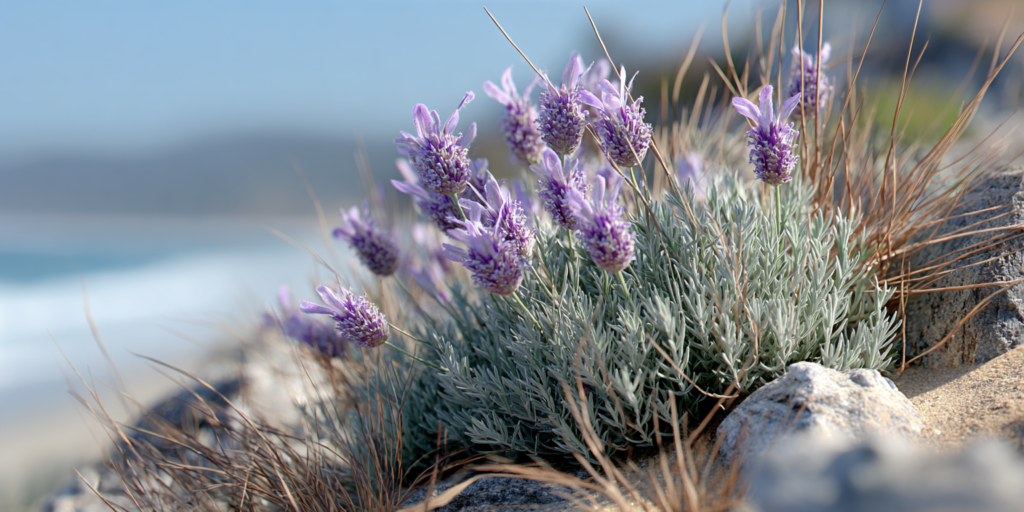
Lavender is a woody, evergreen subshrub prized for fragrance, pollinator activity, and clean lines in water‑wise beds. The accepted botanical name for English lavender is Lavandula angustifolia Mill., also called true lavender or common lavender. Older literature may list Lavandula officinalis or Lavandula spica as synonyms. You will also see lavandin, the hybrid Lavandula × intermedia, and warm‑region types such as Spanish lavender (L. stoechas) and French lavender (L. dentata). Most home landscapes rely on L. angustifolia and L. × intermedia for hardy, long‑lived plants with strong scent and gray foliage.
Lavender needs full sun for best bloom and essential oil production. Aim for 6 to 8 hours of direct light. The plant thrives in lean, well‑drained soils and will fail in heavy, wet ground. English lavender is reliably hardy where winters reach roughly USDA Zones 5 to 8. Lavandin is generally hardy in Zones 6 to 9. Spanish and French types are best in mild regions or containers. The snapshot for success is simple. Choose full sun. Ensure fast drainage. Keep the crown high and dry. Water lightly after establishment.
Soil & Bed Preparation
Lavender’s native range is dry and rocky, so think about drainage first. It prefers sandy loam or gravelly soils with plenty of air space. Avoid compacted clay. Avoid rich, high‑nitrogen beds that push floppy growth. If your site tends to hold water after storms, switch to raised beds, berms, or large containers. If you can only plant in native clay, loosen a wide area and mix in coarse materials that increase porosity without creating a bathtub. Use small bark fines or coarse compost in modest amounts. Keep the planting hole backfill similar to surrounding soil so water does not stall around the root ball. Before planting, check infiltration. Dig a hole 12 inches deep and about 12 inches wide. Fill it with water, let it drain, then refill and time how long the second filling takes to empty. A site that drains within about 8 hours is acceptable for ornamentals. One inch per hour to three inches per hour is a practical target in many gardens. Slower than that warrants raised beds or a new spot. Lavender performs well in neutral to slightly alkaline soils. Target pH 6.5 to 7.5 for most gardens, and it will tolerate up to about pH 8 in many western soils. If a soil test shows pH below 6.5, incorporate garden lime as recommended by your cooperative extension. If pH tests high and micronutrient issues appear, address those with a soil test plan rather than blanket fertilizers. Raised beds and mounded rows shed winter wet and reduce crown rot. In humid climates, they also improve airflow around the plant base. In well‑drained sandy soils, in‑ground planting is fine. Either way, keep mulch away from the crown and set the root ball slightly high so the top sits level with or a bit above the final soil grade. Lavender appreciates air more than rich compost. The goal is not a high‑humus vegetable bed. One inch of coarse compost incorporated 4 to 8 inches deep is usually enough to improve structure in poor soils. Retest pH every few seasons and adjust with lime only if needed.
Planting Calendar by USDA Zone
Zones 3 to 4. Lavender is not reliably hardy in the open ground. Treat English lavender as a short‑lived perennial or grow it in containers you can protect. Plant outdoors in late spring after the last frost date. Bring containers to a protected, unheated space for winter and water sparingly so roots do not desiccate.
Zone 5. Plant container lavender in late spring once the soil warms. Fall planting only works when there are at least eight good weeks before consistent hard freezes, and even then it demands winter protection and a well‑drained site. English types such as ‘Hidcote’ and ‘Munstead’ are classic choices. Lavandin needs a warm microclimate and winter cover to persist.
Zones 6 to 7. You may plant in spring after last frost or in early fall. Many gardeners find early fall planting the most forgiving because roots establish in cool soil before summer heat. In humid summers, prioritize raised beds and gravel mulch to keep crowns dry. Lavandin thrives in 6 and warmer when drainage is excellent, and English lavender is broadly dependable.
Zones 8 to 9. In the South and warm West, plant in fall to early winter so roots run through the cool months. Afternoon shade in hot inland sites helps. In humid coastal plains, choose heat‑tolerant selections and keep crowns dry with light‑colored gravel mulch. Spanish and French lavenders are ornamental options where winters are mild, and lavandin performs well in drier inland areas.
Zones 10 to 11. Grow lavender as a winter and spring plant outdoors, then expect summer stress. Spanish and French types suit mild coasts. Many gardeners keep English or lavandin in large terra‑cotta pots that can be shifted to brighter winter light and then to airier positions during peak heat.
Planting: Depth & Spacing
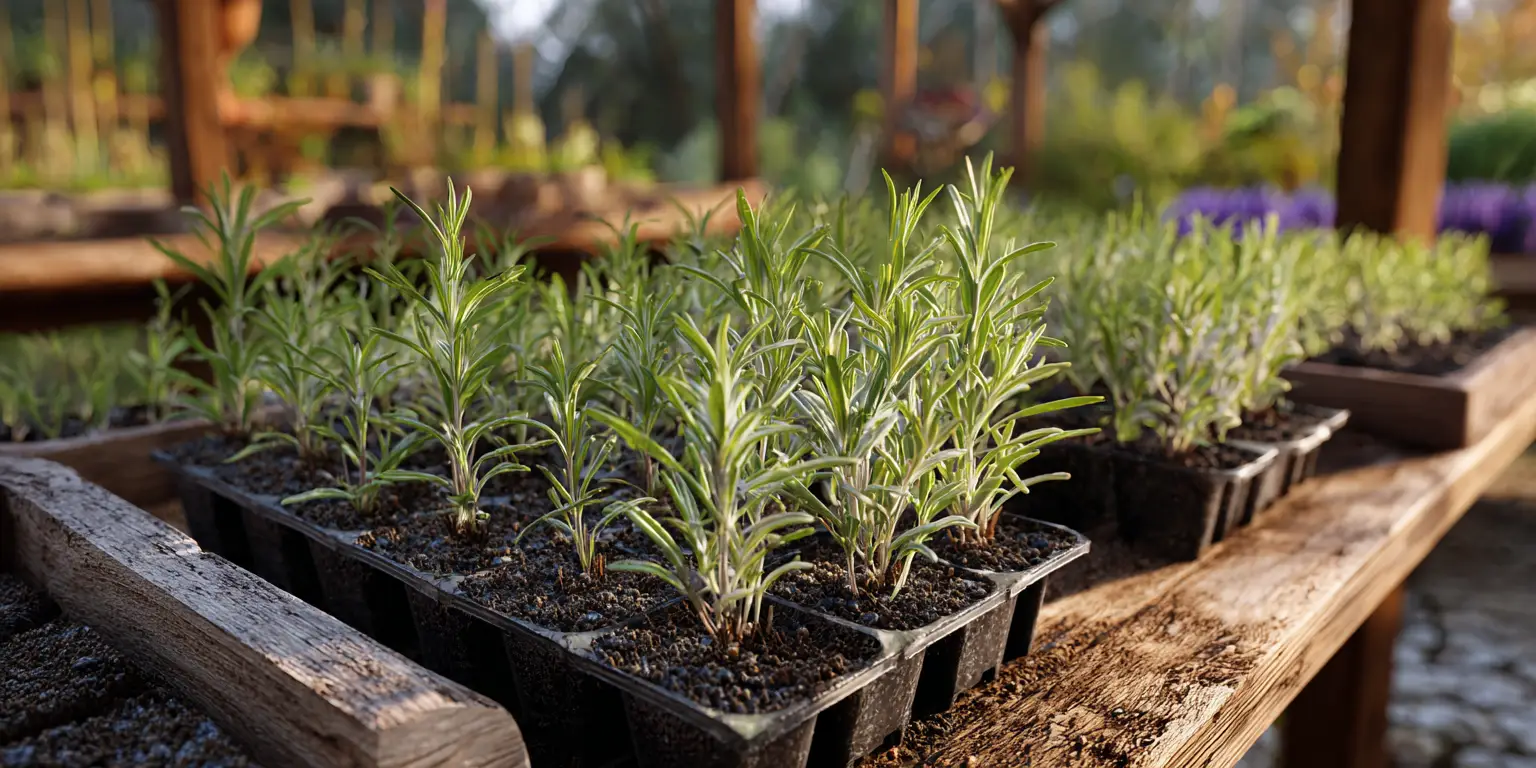
Lavender is seldom sold bare‑root. Division is possible on older clumps with multiple basal shoots, but success varies and the method can shock the plant. The most reliable propagation is by softwood or semi‑hardwood cuttings taken from nonflowering shoots in summer. If you do divide, replant divisions so the crown sits at the original soil line and trim the canopy to balance the reduced roots. This is the standard way to plant. Loosen or lightly tease circling roots. Set the top of the root ball level with or slightly above surrounding soil by about 0.5 inch (1.3 cm) to keep the crown dry. Press soil gently to remove air pockets. Space 18 to 24 inches apart for compact English lavender cultivars, which equals about 45 to 60 cm. Give 24 to 36 inches (60 to 90 cm) to larger lavandin. For rows, provide 3 to 6 feet between rows, about 0.9 to 1.8 m, so you can walk and air can move. Water in thoroughly once to settle soil, then allow the top few inches to dry before the next irrigation. Harden plants outdoors for 7 to 14 days before planting by setting them in bright shade for a few hours each day and gradually increasing sun. Plant on a calm, overcast afternoon if possible. Water just before planting and again after backfilling so roots have moisture contact. If hot sun arrives in the first week, provide temporary light shade and a wind break.
Watering & Mulching
Lavender wants regular moisture during establishment, then drier intervals. After transplanting, apply about 1 gallon of water per plant weekly for the first few weeks, adjusting for rainfall and soil. In hot inland regions, young plants often need water once or twice per week until roots explore the surrounding soil. Once well established, growth and bloom are best with deep, infrequent soakings. A practical schedule in dry climates is every two to three weeks until flower buds form, then one to two times per week through harvest if rain is scarce. Always allow the top several inches of soil to dry between waterings, and avoid standing water.
Mulch protects roots from heat and helps soil moisture last, but mulch choice is critical. Use a thin layer of pea gravel or small crushed rock around lavender. Keep organic mulches away from the crown, since they hold moisture against woody stems and increase disease risk. In very cold regions, a loose winter mulch of evergreen boughs or clean straw laid after the ground initially freezes can protect crowns from freeze–thaw heaving. Remove that winter cover as soon as new growth begins in spring so crowns stay dry. In containers, never let pots sit in a saucer of water. Avoid softened water because added sodium can accumulate in potting mixes. If you garden near the coast, shield plants from direct salt spray and rinse accidental splash with fresh water.
Feeding
Lavender is adapted to lean soils and often needs little to no fertilizer after establishment. Overfertilizing pushes lush, weak growth and can reduce fragrance. If your soil test shows low fertility before planting, you can pre‑plant with a balanced fertilizer in the neighborhood of 10‑10‑10 at modest rates across a bed, then withhold additional feeding for at least the first growing season. Many gardeners skip granular fertilizers entirely and rely on small applications of coarse compost to improve tilth rather than fertility.
Once plants are established, observe growth. If plants remain sturdy, silver, and floriferous, skip fertilizer. If vigor slowly declines and a soil test indicates a need, choose a slow‑release product with low nitrogen. Apply in early spring as new growth begins and keep granules off stems. Excess nitrogen invites floppy growth and can shorten plant life. Retest soil every few seasons and adjust lime or micronutrients based on the report, not guesswork.
Pruning & Support
Regular pruning keeps lavender compact and long lived. Do not cut into old, leafless wood. In early spring, when you see fresh green growth, shear back roughly one third of the leafy mound to shape and encourage new shoots. After the main bloom, you may deadhead by removing spent flowering stems and lightly shaping the mound. Some English cultivars reward that midsummer cleanup with a lighter second flush. Avoid heavy cutting in late fall, since fresh cuts can invite winter injury.
Lavender rarely needs staking, but tall lavandin cultivars can splay in wind or after heavy rain. In exposed sites, install a low, nearly invisible support ring or use soft twine around the perimeter to keep stems upright during peak bloom. Clean tools before and during pruning days to reduce the chance of spreading disease. Wipe or dip blades with 70 percent isopropyl alcohol between plants, and dry tools after use to prevent corrosion. Bleach solutions are effective disinfectants but are more corrosive to metal, so rinse and oil if you use them.
Overwintering
In cold regions at the edge of hardiness, your winter checklist is short and specific. First, do not prune hard in autumn. Leave the plant intact through early winter. Second, after the ground initially freezes, lay loose cover such as evergreen boughs or a light straw layer over and around the plant to buffer freeze–thaw cycling. Third, keep mulch off the crown. Fourth, in windy exposures or where snow melts and refreezes, use a breathable row cover during the worst cold snaps, then remove it when milder weather returns. In snow‑poor winters, a midwinter watering on thawed days may help in dry climates, because desiccating winds can dry roots in unfrozen soils.
Rodents sometimes chew at crowns under winter mulch. Where voles are active, consider a small cylinder of quarter‑inch hardware cloth around the base before you apply loose winter cover, and remove it in spring. In mild regions, winter injury is rarely from cold. It is usually from saturated soil. Keep crowns high and mulch mineral. In Zones 5 to 7, move potted lavender to a protected, unheated space that stays roughly 20 to 45 °F (−6 to 7 °C). Water just enough to keep the root ball from going bone dry, about once every three to four weeks depending on pot size and temperature. In warmer zones, cluster pots against a south wall to reduce cold wind exposure and check soil monthly.
Growing Environments
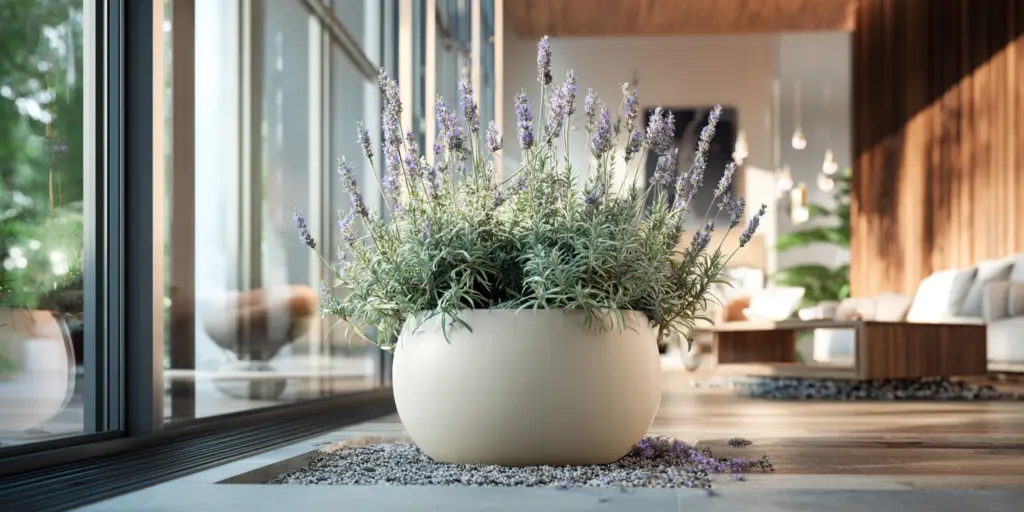
Lavender grows well in pots if given room and perfect drainage. As a baseline, provide at least 3 gallons of volume for compact English types and 5 to 7 gallons for larger lavandin, which is about 11 to 26 liters. A pot 14 inches in diameter or larger works well for long‑term plants. Terra‑cotta or other porous materials help because they allow mix to dry more quickly between irrigations. Always use containers with large drainage holes, and raise pots on ceramic feet or bricks so water escapes freely. Use a high‑drainage mix built from quality potting medium plus extra perlite or small pumice at roughly 20 to 30 percent by volume. You can add a fistful of small gravel to the top as a mineral mulch. Water deeply, then wait until the top inch or two, about 2.5 to 5 cm, is dry before watering again. Avoid water softened with sodium salts. If your tap water is hard and leaves crust on the soil, drench containers to leach accumulated salts monthly or use collected rainwater periodically. Lavender tolerates heat, wind, and reflected light once established. In blazing sites, light gravel mulch reflects sun into the plant and keeps foliage dry. In humid coastal areas, increased spacing, mounding, and morning sun that dries the canopy are your allies. Where winter winds are harsh, plant on the leeward side of a fence or stone wall without sacrificing sun.
Companion Planting & Design
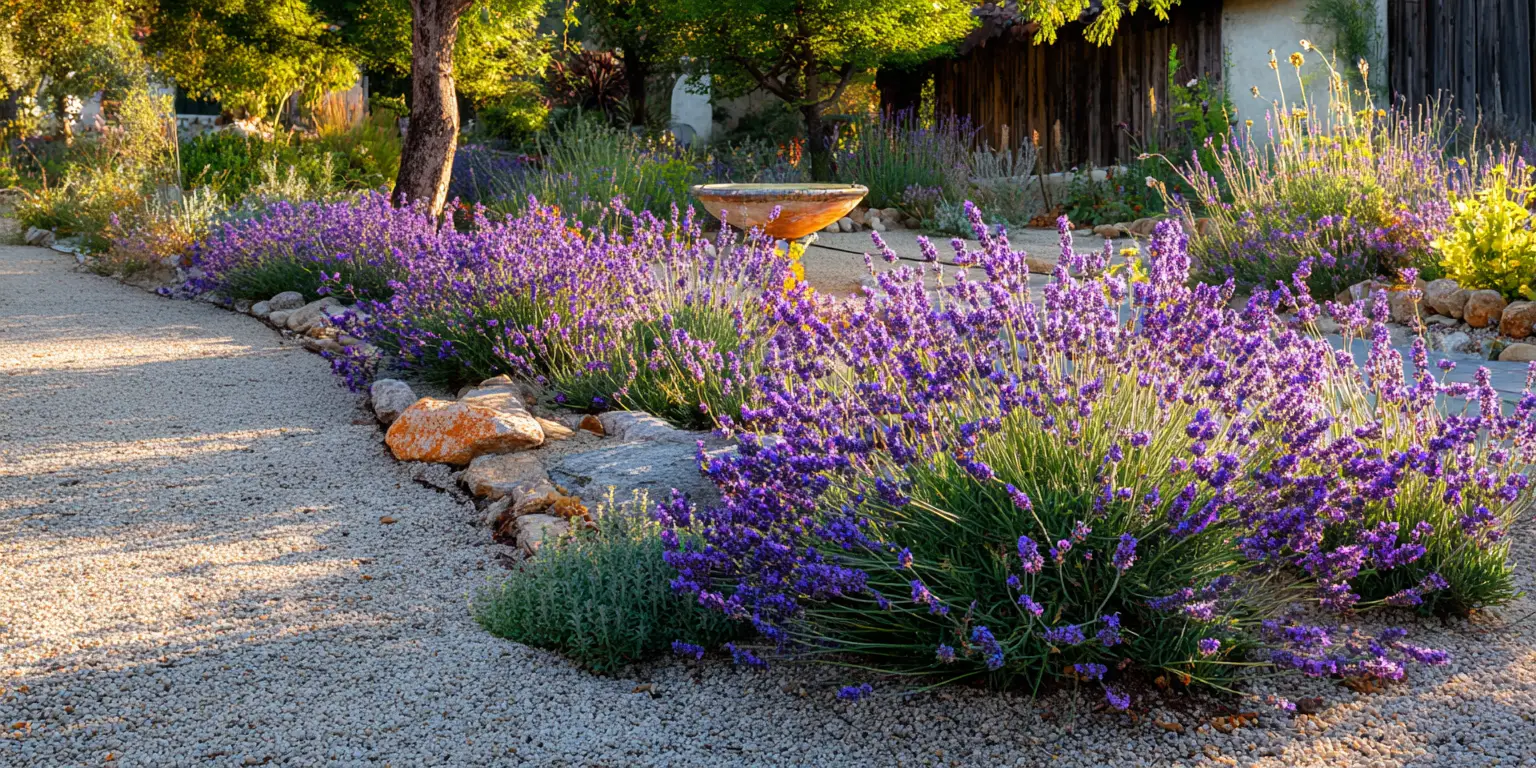
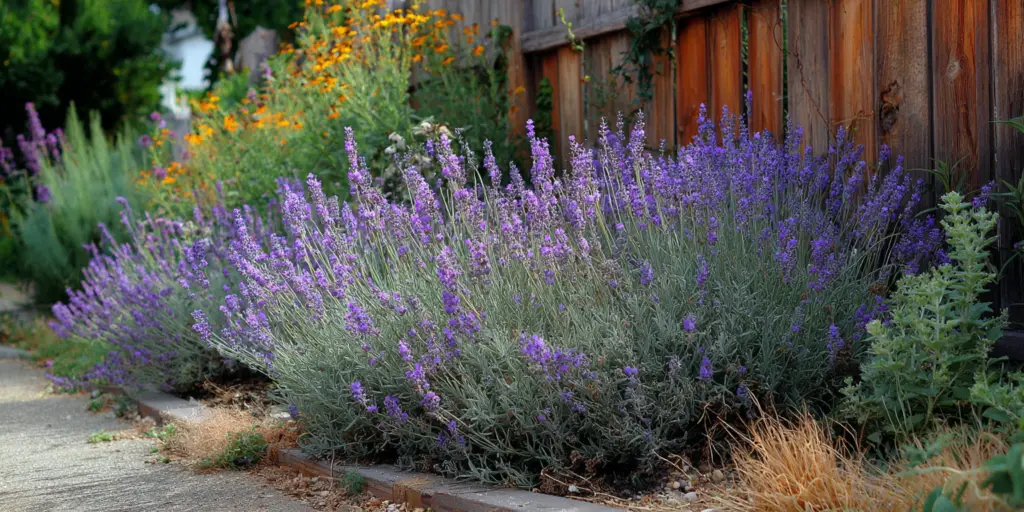
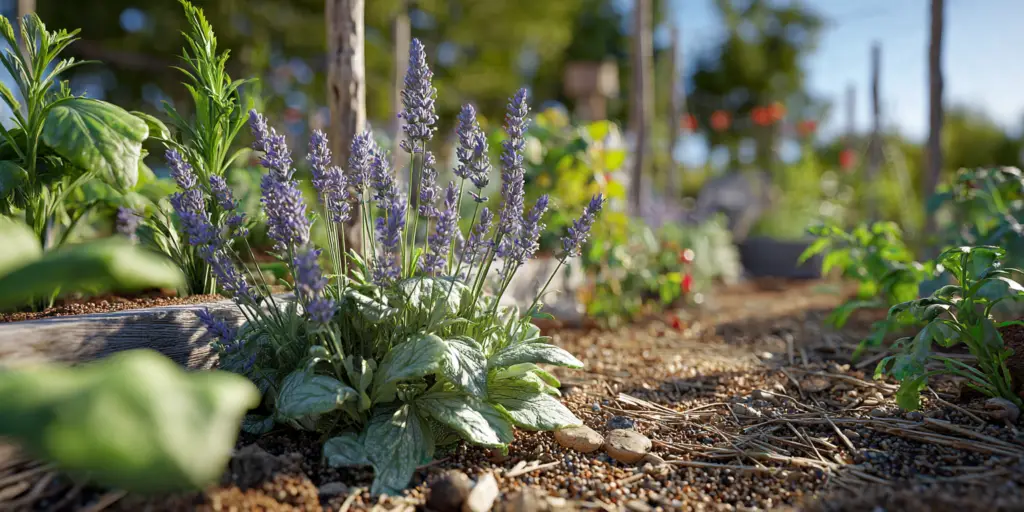
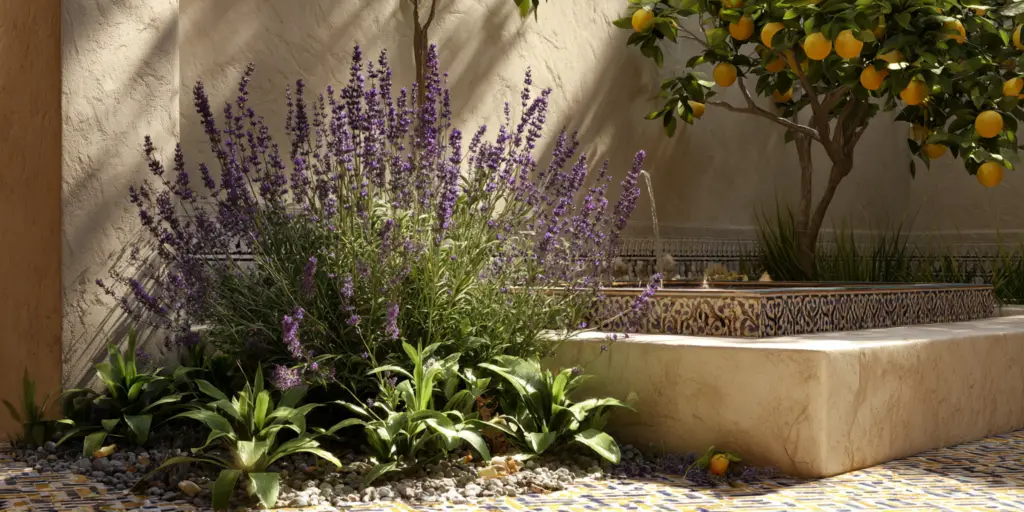
Lavender’s fine texture and silver foliage make it a strong backbone for Mediterranean and water‑wise beds. Pair it with other sun‑loving, drought‑tolerant herbs and perennials like rosemary, thyme, sage, artemisia, santolina, yarrow, salvias, and ornamental grasses. These companions share drainage needs and similar pruning rhythms. For four‑season structure, repeat mounds of lavender along walks so clouds of bloom and scent greet you at shoulder height. Space plants generously so air can move between mounds, which limits foliar disease and keeps the architecture crisp.
For color play, lean into cool harmonies. Surround lavender with other purple and blue flowers to extend the palette, then brighten the composition with pockets of white flowers. In a cottage border, lavender’s silver cushions tuck neatly among roses and tulips while offering a fragrance break between flushes. If you need a quick contrast lesson for readers exploring the site’s broader categories, steer them toward types of flowers for structure ideas and the wedding flowers guide when arranging stems for events. If you love hydrangeas, note that hydrangea macrophylla favors acidic, moisture‑retentive soil, which is the opposite of what lavender wants. Use that difference on purpose by grouping plants by soil preference so each thrives where it is planted.
References
- Colorado State University Extension. “Growing Lavender in Colorado.”
- Utah State University Extension. “How to Grow English Lavender in Your Garden.”
- Utah State University Extension. “English Lavender in the Garden.” PDF.
- Illinois Extension. “Lavender | Herbs.”
- Missouri Botanical Garden Plant Finder. “Lavandula angustifolia ‘Hidcote’.”
- Missouri Botanical Garden Plant Finder. “Lavandula × intermedia ‘Provence’.”
- Missouri Botanical Garden Plant Finder. “Lavandula × intermedia ‘Niko’ PHENOMENAL.”
- Missouri Botanical Garden Plant Finder. “Lavandula stoechas ‘Bandera Deep Rose’.”
- University of Maryland Extension. “Soil Health, Drainage, and Improving Soil.”
- Iowa State University Extension. “Testing and Improving Soil Drainage.”
- University of Minnesota Extension. “Clean and Disinfect Gardening Tools and Containers.”
Written by: Your Flowers Guide editorial team
We are a small independent group of flower lovers who research and review each guide using trusted horticultural and educational sources. Learn more about us