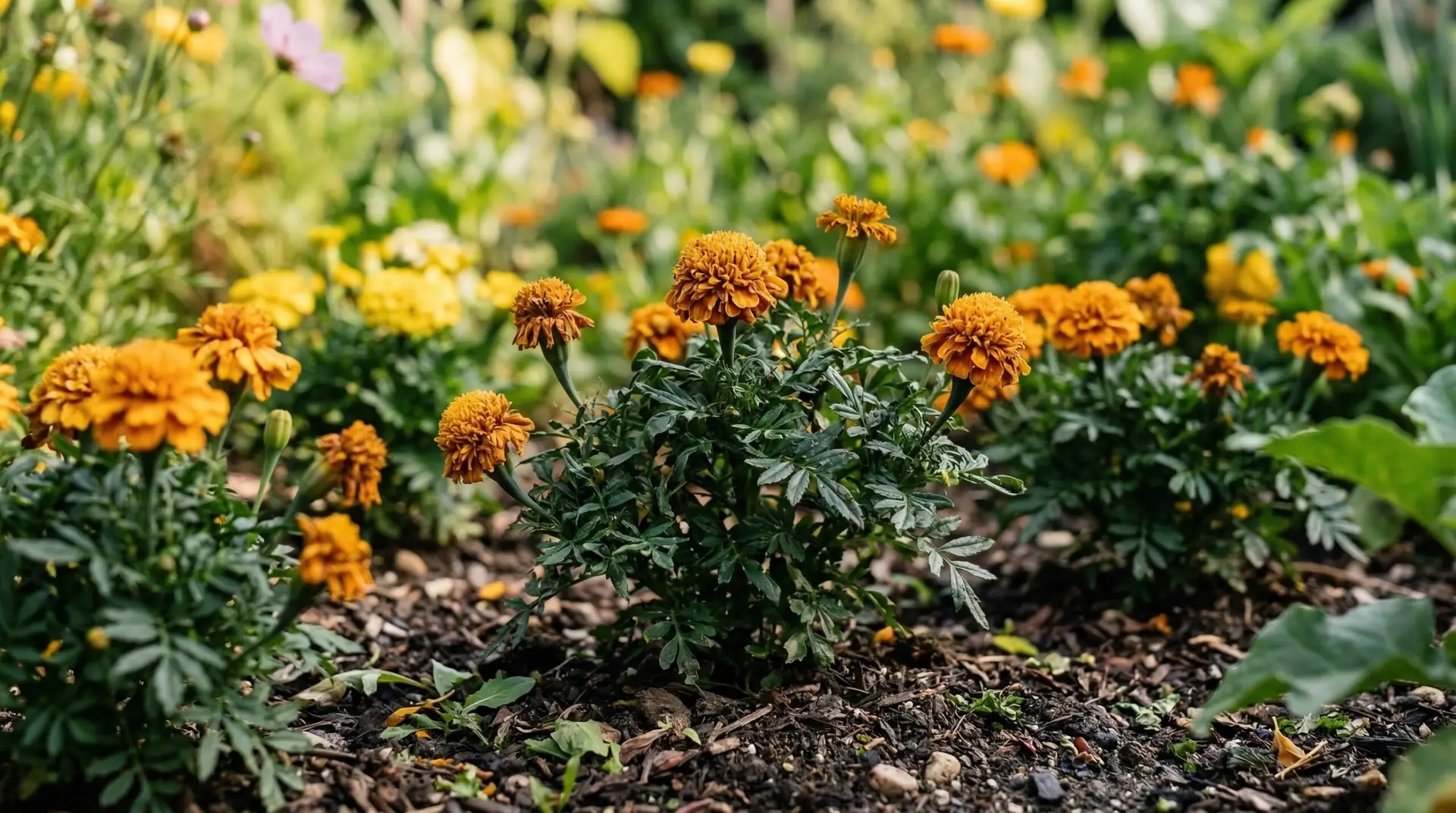
People buy marigolds in the spring expecting an unbroken parade of bright blooms straight through to the first frost. By mid-July, many home gardeners stare at large green bushes that have completely stopped producing new flowers. This sudden halt in blooming is one of the most common frustrations I see in summer gardens. You did not necessarily do anything wrong, and your plants are likely not dying. Marigolds, especially the large African varieties, have a built-in survival mechanism that triggers when the weather gets too hot. When daytime temperatures consistently push past ninety degrees Fahrenheit and nights stay warm, these plants simply shut down their flower production to conserve energy.
Dealing with this midsummer slump requires understanding what the plant is experiencing rather than throwing random solutions at it. Many people panic when the flowers disappear and immediately dump heavy doses of fertilizer on the soil. This is the exact opposite of what a heat-stressed plant needs and usually results in even more leafy green growth with zero buds. The plant is focusing entirely on keeping its roots and stems alive through the scorching weather. Once you recognize that this pause is a natural response to extreme heat, you can adjust your care routine to support the plant until the weather breaks.
Contents 4 sections
Understanding the midsummer heat pause
To troubleshoot a non-blooming marigold, you first need to know which type you are growing. French marigolds are the shorter, bushier plants with smaller flowers, and they tend to push through summer heat with a bit more resilience. African marigolds are the tall varieties with large, pom-pom shaped blooms, and they are notorious for taking a hard break during the dog days of summer. When the heat index climbs, African marigolds stop setting new buds entirely. If you want continuous color in the absolute hottest parts of your yard, you might need to mix in a heat-loving zinnia next year to carry the visual weight while your marigolds take their summer vacation.
The heat pause happens because producing flowers requires an enormous amount of water and energy. When a marigold senses that the soil is drying out faster than its roots can pull moisture up, it drops its buds to protect the main stalk and foliage. You will often notice that any existing blooms fade unusually fast, turning brown and crispy in a matter of days. The stems might look perfectly healthy, thick, and green, but the top growth simply forms blind shoots with no flower heads. You cannot force the plant out of this stage with chemicals or extra water. You have to wait for the nighttime temperatures to drop back into the sixties or low seventies before the plant feels safe enough to resume blooming.
Spotting and fixing spider mite damage
Sometimes a lack of blooms is not just a heat pause, but a sign of a severe pest infestation that thrives in exact same hot and dry conditions. Spider mites are microscopic pests that suck the sap out of marigold leaves, draining the plant of the vigor it needs to form flowers. You usually will not see the bugs themselves, but you will notice the damage they leave behind. The foliage will take on a dull, dusty, gray-green appearance, and you might see tiny webbing near the joints of the stems. If your marigold looks like it is covered in a fine layer of dust and the leaves are stippled with tiny yellow dots, spider mites are actively destroying the plant.
Getting rid of spider mites requires a physical approach rather than harsh chemicals. When you spot the dull foliage and webbing, take your garden hose and spray the entire plant down with a strong blast of water. Make sure to hit the undersides of the leaves where the mites congregate and lay their eggs. Doing this early in the morning every few days disrupts their breeding cycle and physically knocks them off the plant. If the infestation is severe, you can follow up the water blast with an application of insecticidal soap. Keep the area around the plants free of dry, dusty debris, as spider mites hate humidity and wet environments.
Proper watering and deadheading practices
Watering mistakes during a heat wave will severely prolong the time it takes for your marigolds to start blooming again. Underwatering is easy to spot because the entire plant will droop dramatically in the afternoon sun, and the lower leaves will turn yellow and crispy. Overwatering is actually the more common mistake, as gardeners see a drooping plant and constantly soak the soil without checking if it is actually dry. Marigolds hate sitting in muddy, waterlogged soil, which suffocates their roots and causes the stems to rot at the base. You should water deeply at the soil level only when the top two inches of dirt feel completely dry to the touch. Consistent, deep watering encourages the roots to grow further down into the cooler soil, making the plant much more resilient to surface heat.
Deadheading is the other essential maintenance task that dictates whether your plant will ever bloom again. When a flower dies and dries up on the stem, it forms a hard, swollen seed pod at the base of the old petals. If you leave that pod on the plant, the marigold receives a chemical signal that it has successfully reproduced and no longer needs to make new flowers. Many beginners make the mistake of just pulling the dried, brown petals off the top, leaving the green seed pod firmly attached to the stem. To properly deadhead, you must pinch or snip the stem just below the swollen base of the dead flower. Removing these old pods forces the plant to try again, setting the stage for a heavy flush of new buds once the weather cools down. Similar to managing a sprawling petunia that has gone to seed, aggressive deadheading is the only way to reset the blooming cycle.
Preparing for the fall bloom resurgence
The hardest part of dealing with a midsummer blooming pause is simply having the patience to wait it out. By late August, your African marigolds might look a bit ragged, tall, and completely devoid of color. This is the perfect time to give them a light pruning to encourage fresh, bushy growth. Cut back the tallest, leggiest stems by about one third, making your cuts just above a set of healthy leaves. This pruning removes the oldest, most exhausted growth and signals the plant to push out new side shoots. Do not prune the entire plant down to the ground, as it still needs plenty of foliage to photosynthesize and gather energy for the fall.
When the intense summer heat finally breaks and the cool nights of September arrive, your marigolds will experience a strong resurgence. The plants will suddenly cover themselves in dozens of new buds, often producing larger and more intensely colored flowers than they did in the spring. This late-season display will last right up until a hard freeze kills the plants. To ensure you get this final show, my best advice for anyone growing marigolds is to completely ignore the urge to fertilize a stressed, non-blooming plant in July. Keep the soil evenly moist, aggressively snap off any old seed pods, wash away the spider mites, and simply let the plant rest. If you protect the root system through the worst of the summer heat, the plant will reward you with a heavy second flush of flowers in the fall.
More About Marigolds
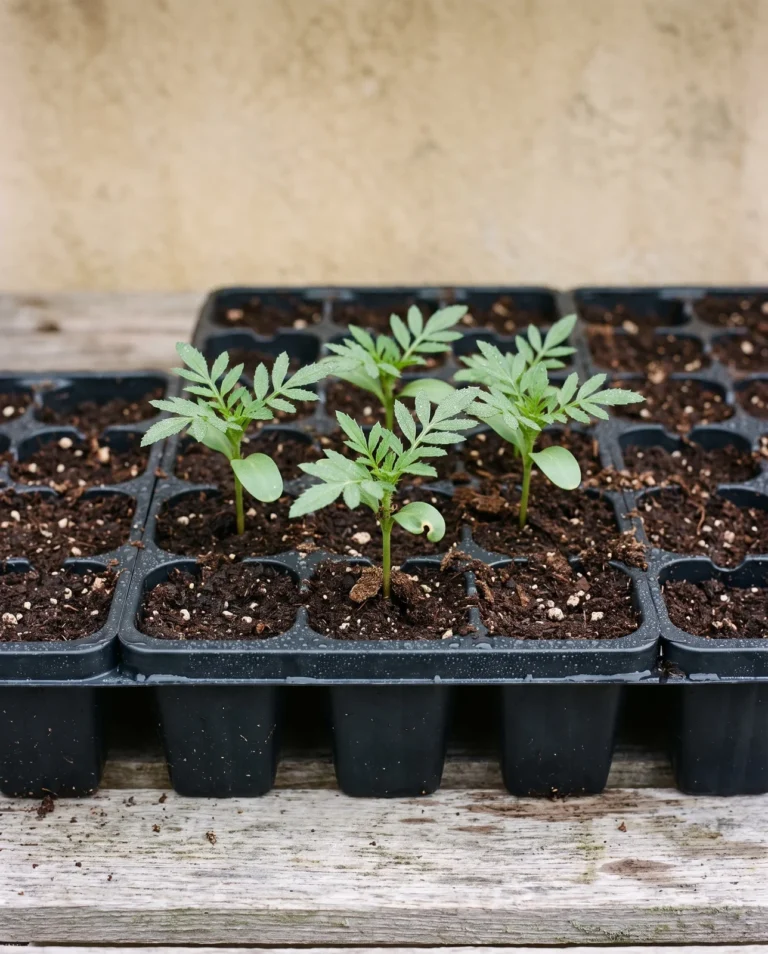
Cempasúchil marigolds: growing them for Día de los Muertos
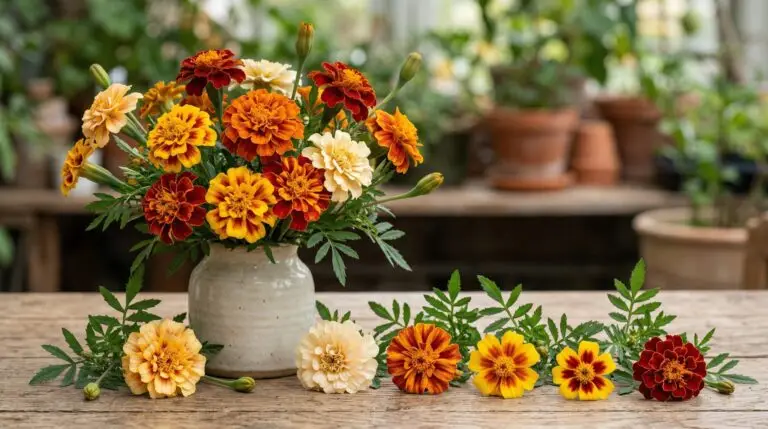
Best marigold varieties from tiny French Bonanza to towering African Antigua
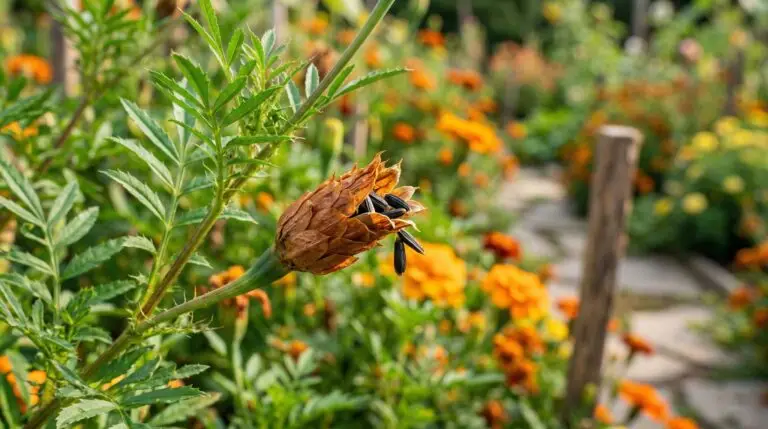
Growing marigolds from seed so easily that children can do it on their first try

Marigold meaning, from the sun and celebration to Victorian grief
Signet marigolds for edible flowers that taste like citrus in salads and cocktails
Marigolds in containers and window boxes for instant summer curb appeal
How to grow marigolds for bulletproof color from planting day to first frost

Marigold companion plants: what works, and what’s folklore
Marigolds in the vegetable garden and the pest-repelling companion planting tradition
Enjoying our flower guides? Add YourFlowersGuide as a preferred source on Google. It helps more readers find us.
Add to Preferred Sources