How to Grow and Care for Poppy
Contents
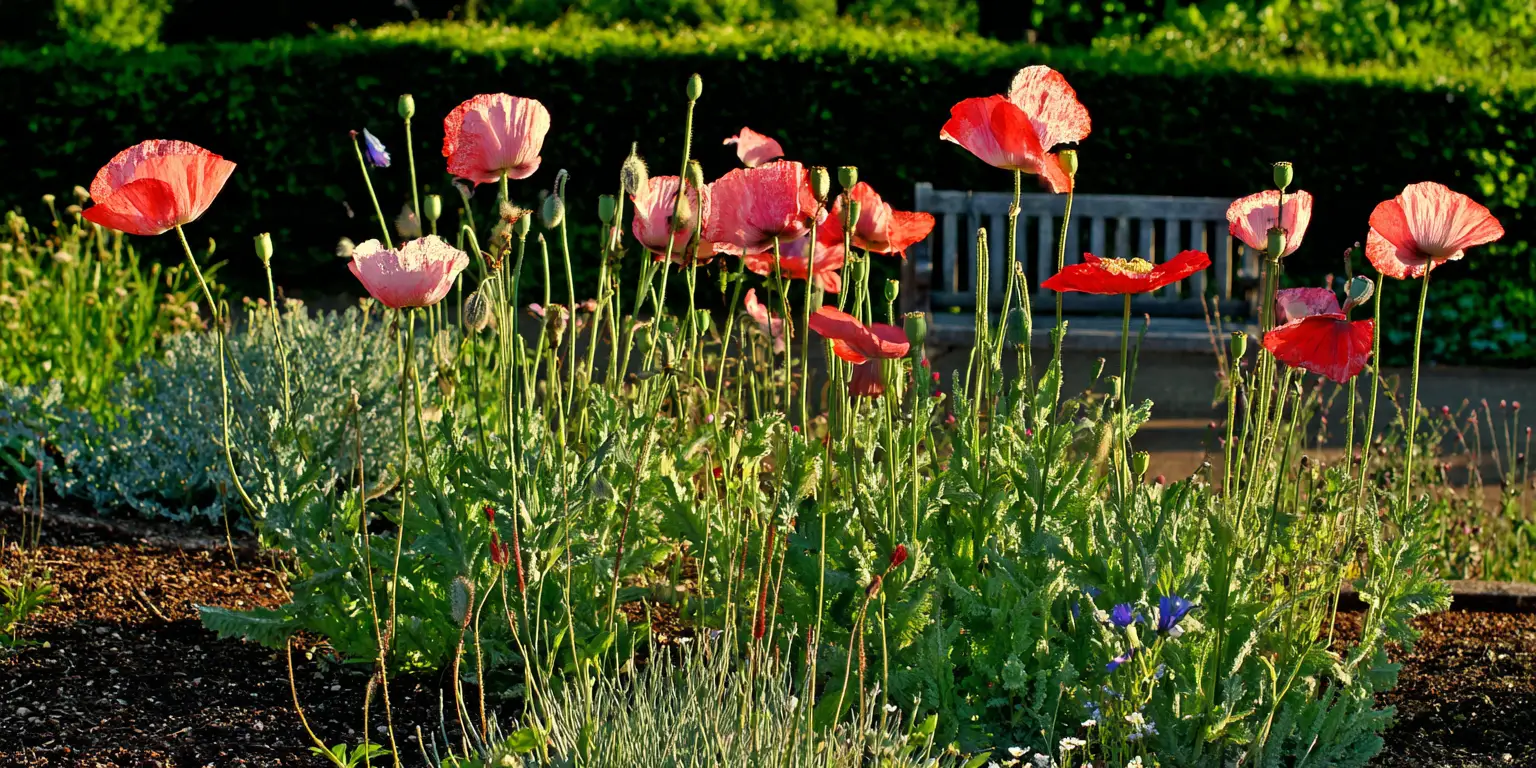
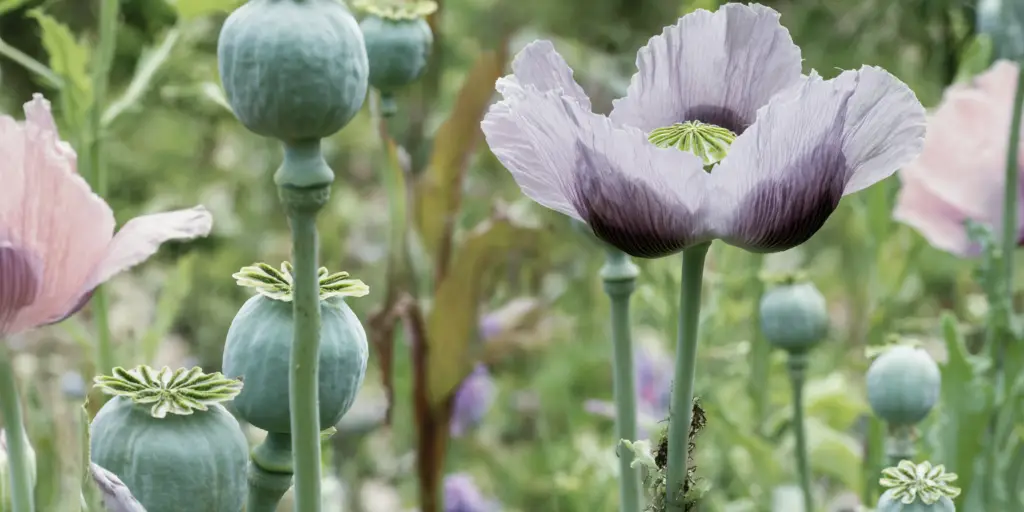
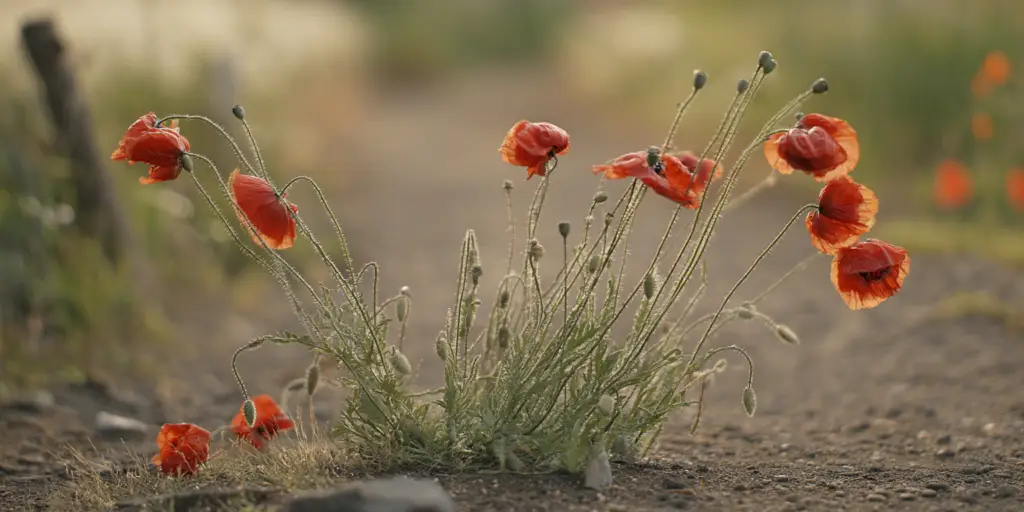
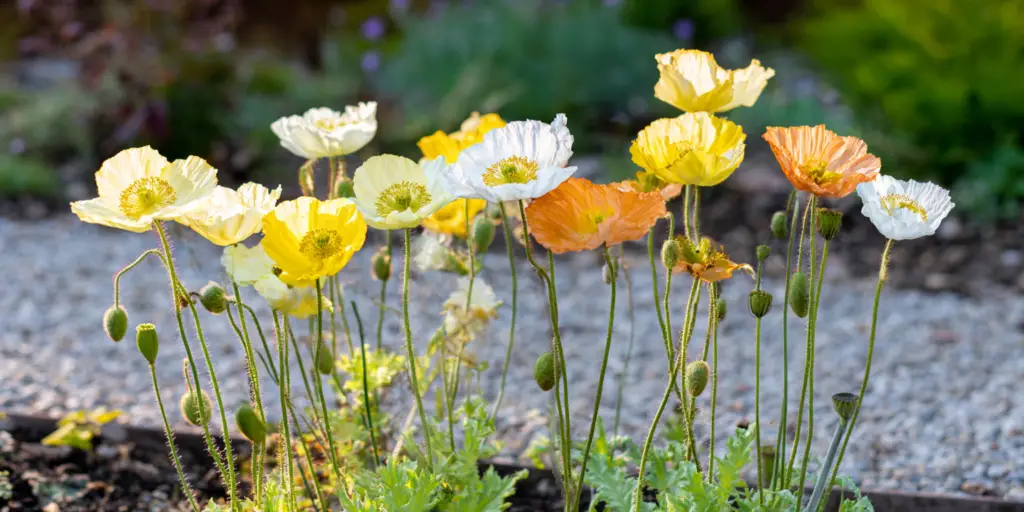
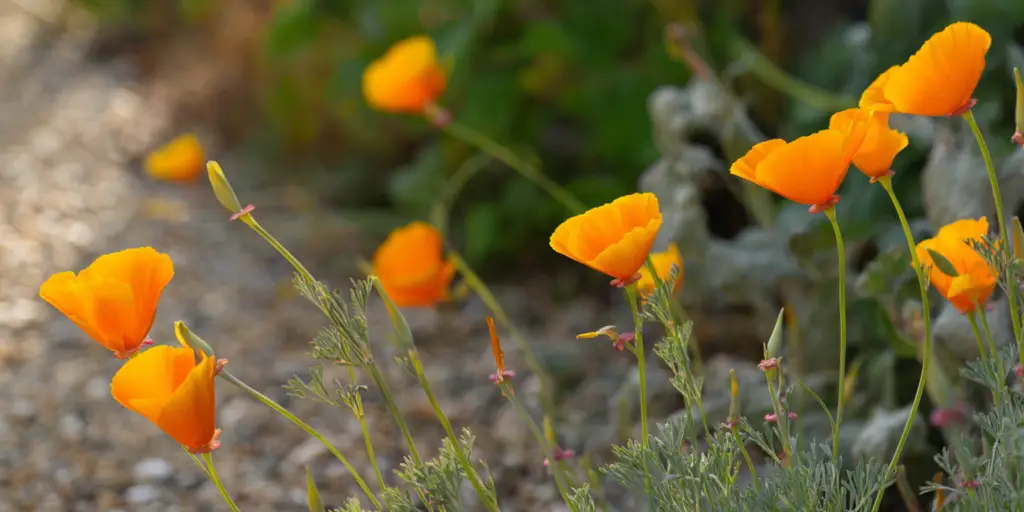
Poppy is the common name for a group of cool weather, sun loving ornamentals known for satiny petals, bristly buds, and decorative seed pods. The core garden poppies belong to Papaver including Papaver somniferum, Papaver rhoeas, Papaver orientale, and Papaver nudicaule. California poppy is Eschscholzia californica and is closely allied in culture though it sits in a different genus. Common names you may see include breadseed poppy, corn poppy, oriental poppy, Iceland poppy, and California poppy. Most annual poppies excel as direct sown flowers where springs are cool. Oriental poppies are hardy herbaceous perennials for colder regions. California poppy behaves as a reseeding annual in much of the United States and as a short lived perennial where winters are mild.
Hardiness varies by species. Oriental poppy overwinters in Zones 3 to 7. California poppy persists in Zones 6 to 10 when drainage is excellent. Annual poppies grow across the country with timing tied to local frost dates. Full sun means six or more hours of direct light. In hot summer areas, afternoon shade keeps blooms from fading too fast. To succeed with poppy care, sow or plant into a site that drains fast, keep the soil lean to moderately fertile, water to establish then back off, and avoid disturbing the roots. Accept some self sowing for easy displays year after year, and plan companions that carry the border after early summer bloom.
Soil & Bed Preparation
Poppies thrive in well drained soils that never stay waterlogged. A sandy or loamy texture is ideal. Heavy clay can be improved with two to three inches of finished compost mixed into the top 8 to 12 inches of soil. You can also blend in coarse sand or small gravel to speed water movement if your native soil is tight. Aim for a pH that is slightly acidic to neutral in the 6.0 to 7.0 range for most Papaver species. California poppy tolerates slightly alkaline ground and is happy in lean soils where many annuals would struggle. Avoid fresh manure and rich, high nitrogen amendments because excess fertility produces lush leaves with fewer flowers. Raised beds help where drainage is marginal, but they must be at least 10 to 12 inches deep so taproots can run.
Taprooted poppies dislike transplanting and deep cultivation around the crown. Prepare the bed thoroughly before sowing so you will not need to disturb the soil later. Rake the top layer to a fine texture for even seed to soil contact. If you are planting perennial oriental poppies, loosen a broad area so large roots can settle without bending. For container gardening, choose a high quality potting mix and add extra perlite or small bark to increase porosity. Good drainage is more important to poppies than rich soil. When in doubt, choose better drainage over more nutrients.
Before planting, dig a 12 inch wide hole 12 inches deep and fill it with water. Let it drain. Refill it and time the second drain. If water disappears in less than 4 hours, drainage is adequate. If it takes longer, elevate the planting area or amend more aggressively with coarse mineral material. Check pH with a home kit or your local Cooperative Extension lab. If pH is below 6.0, apply garden lime at the label rate and retest after a few months. If pH is above 7.5 in soils meant for Papaver species, add elemental sulfur at conservative rates and retest later. Do not try to force California poppy into rich, wet ground. It will grow leggy and flop. For any poppy, never bury the crown in mulch or soil. Keep the growing points at or just above the final surface.
Planting Calendar by USDA Zone
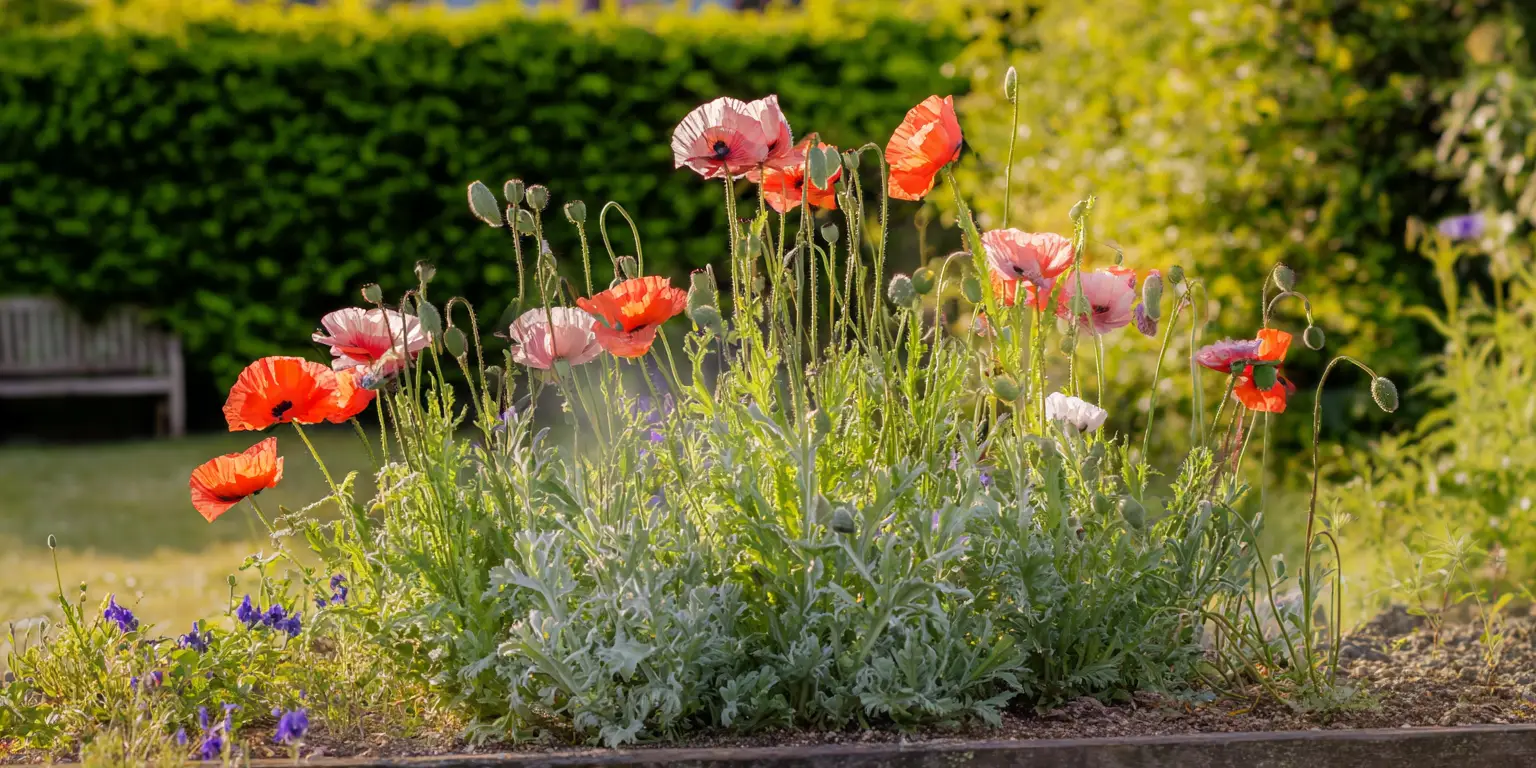
Annual poppies such as Papaver somniferum and Papaver rhoeas prefer cool weather from sowing to bloom. In Zones 3 to 5, direct sow four to six weeks before the average last frost or as soon as the ground can be worked. You can also scatter seed in late fall before consistent snow. Winter chilling improves spring germination. In Zones 6 to 7, sow in late winter to early spring or try a late fall sowing if winters are not soggy. In Zones 8 to 10, fall sow from mid October to mid winter so seedlings grow during the cool season and bloom in spring. Heat arrives quickly in warm climates, so fall sowing produces stronger plants and larger flowers than spring sowing.
Oriental poppy, Papaver orientale, is a hardy perennial that is best planted in fall so roots establish before deep cold. In Zones 3 to 7, set divisions in late summer to early fall. Container grown plants can also go in the ground in early spring once soils begin to warm to about 50 degrees Fahrenheit (10 degrees Celsius). Expect lush leaves in spring, a flush of bloom in late spring to early summer, then a natural dormancy when heat sets in. Plan your border so companions cover gaps in midsummer.
California poppy, Eschscholzia californica, is often direct sown. In Zones 6 to 7, sow in very early spring and again in late summer for a fall show if heat allows. In Zones 8 to 10, sow in fall and again in mid winter for a long spring season. In arid and high desert climates, fall sow as soon as reliable cooler nights return. Along foggy coastal belts, poppies may flower longer into summer than inland gardens. In hot and humid regions, poppies still grow, but choose the earliest sowing windows, provide sun at cooler times of day, and favor excellent airflow to limit summer diseases.
Planting: Depth & Spacing
Bulbs or Tubers
Poppies are not grown from bulbs or tubers. They are produced from seed, from container grown crowns, or from divisions of perennial plants. If you see bare root offerings, they are roots of oriental poppy rather than true bulbs. Handle any bare root with care and keep roots moist until planting.
Bare Root or Divisions
Oriental poppy can be divided or planted as bare root during dormancy. Set the plant so the crown sits at the final soil level with the growing points just covered by a thin layer of soil. Spread long roots out like spokes so they are not bent upward. Backfill gently and water to settle soil around the roots. Space oriental poppy 18 to 24 inches apart (45 to 60 centimeters) to allow for a broad clump and good airflow. For divisions, keep new plants evenly moist for a few weeks. A light temporary shade structure or floating row cover can reduce stress while roots knit into the soil. Avoid fertilizer during establishment. Good soil preparation matters more than early feeding.
Container Grown
Transplant poppies at the same depth they were growing in the pot. Loosen the root ball only if roots circle the container. For annual types like Papaver somniferum and Papaver rhoeas, space plants 8 to 12 inches apart (20 to 30 centimeters) for full, yet airy, stands. For Iceland poppy, Papaver nudicaule, allow 10 to 15 inches (25 to 38 centimeters). For California poppy in drifts, broadcast seed and thin to 6 to 10 inches apart (15 to 25 centimeters). If you are planting in rows for cut flowers, set rows 12 to 18 inches apart (30 to 45 centimeters). Water transplants thoroughly after planting and provide light shade for two to three days in bright regions to ease shock.
Seed Sowing
Most poppies resent root disturbance, so direct sowing is often the simplest route. Rake the bed smooth, scatter seed thinly on the surface, and press with a board or the back of a rake for good contact. Do not bury deeply. A dusting of fine sand or vermiculite helps keep seed in place. Target a final sowing depth of 1 sixteenth inch or less (1 to 2 millimeters). Keep the top layer moist with a gentle spray until seedlings appear. Thin in stages to the final spacing so you remove weak seedlings and keep the strongest. If you want a light self sown display next year, allow some seed pods to mature and shatter naturally where you want them.
Watering & Mulching
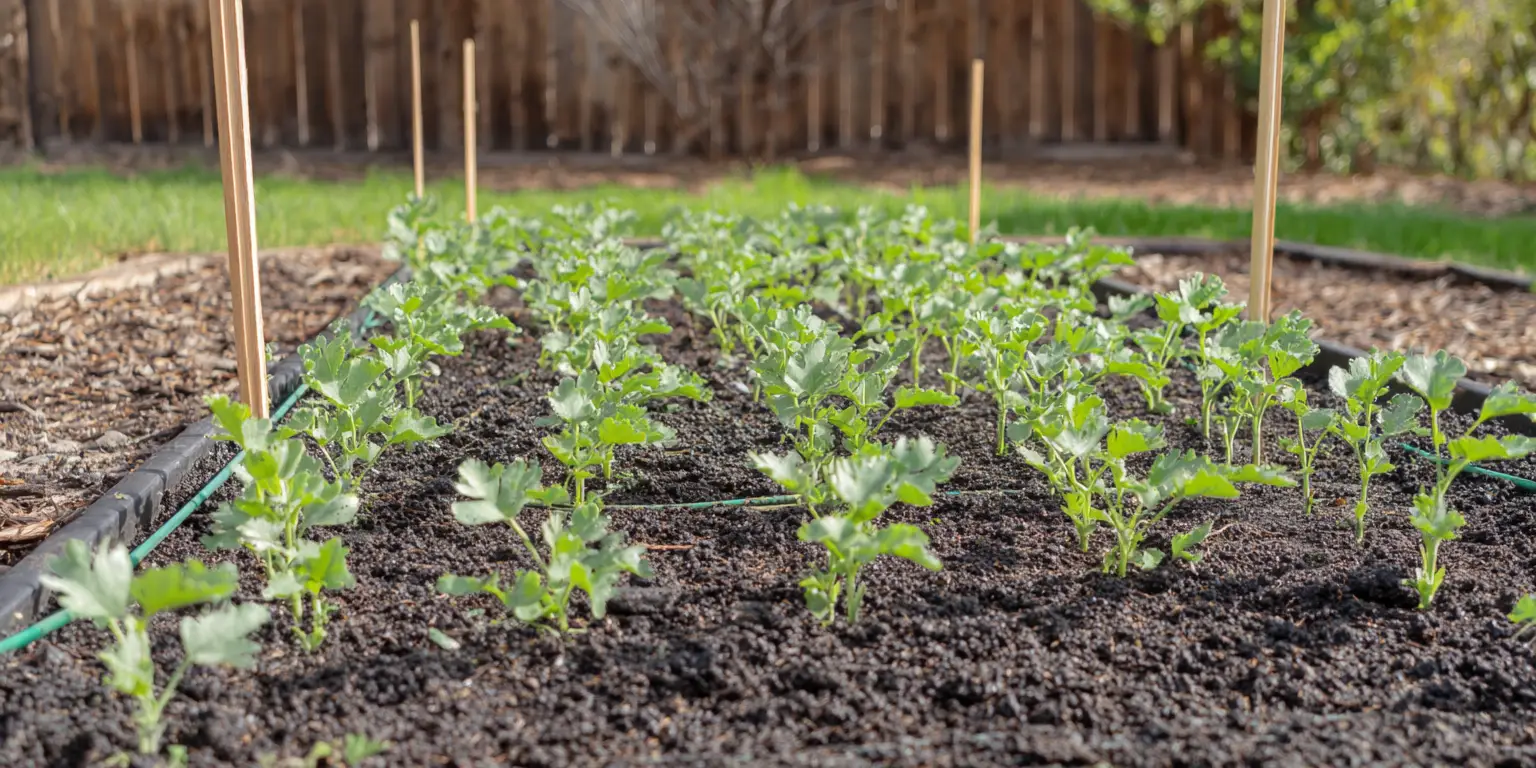
Watering needs are highest at germination and during the first weeks after planting or thinning. Keep the top inch of soil evenly moist until seedlings develop several true leaves. Once established, annual Papaver species prefer infrequent, deep water. A typical target is about 1 inch per week (25 millimeters) from rain and irrigation combined during active growth. In cool seasons, you may water less. California poppy is among the most drought tolerant garden annuals and may need water only during prolonged dry spells to keep flowers coming. Perennial oriental poppy appreciates steady, moderate moisture in spring, then prefers dryness after bloom when it goes dormant.
Mulch conserves moisture and limits weeds, but it must be used with care. For annual poppies, a very thin layer of fine textured mulch or shredded leaves, about half an inch to 1 inch (1 to 2.5 centimeters), is enough between rows after thinning. Keep mulch several inches back from the crown. For oriental poppy, apply a two inch layer (5 centimeters) of shredded bark or leaf mold in spring to stabilize soil temperature and reduce splashing on foliage. California poppy grows best with little to no organic mulch in wet climates. Where summers are hot and dry, a thin layer of gravel mulch works well and discourages rot at the crown. Avoid overhead watering late in the day. Morning irrigation dries foliage quickly and reduces disease pressure.
Heat spikes and drought can flush blooms too quickly. Water early in the morning the day before a forecast heat jump so plants start hydrated. A temporary shade cloth or row cover held above the foliage reduces stress without blocking airflow. In windy, exposed sites, a low border or a thin shrub hedge breaks harsh gusts that can shred petals. Poppies are not salt tolerant, so gardens near roads or coastal sites with salt spray should be positioned away from direct exposure. Hard water is usually not an issue, but saline water supplies can cause leaf burn and reduced vigor. If you must irrigate with marginal water, apply deeply to leach salts beyond the root zone and mulch with mineral materials rather than heavy composts.
Feeding
Poppies are adapted to low to moderate fertility. Overfeeding produces soft, leafy growth and fewer flowers. For new beds, mix in a modest amount of finished compost before sowing, roughly 1 to 2 inches (2.5 to 5 centimeters) worked into the top 8 inches. For annual poppies, a single light feeding at thinning or early bud stage is often enough. Choose a balanced, slow release fertilizer with a ratio similar to 5 10 10 or 10 10 10 and follow the bag for low rate application. If you prefer organic options, a small topdress of composted poultry manure or an alfalfa meal based blend can provide a gentle boost. Water in after feeding to move nutrients into the root zone.
Perennial oriental poppy benefits from a light feeding in very early spring as new leaves emerge. A low nitrogen fertilizer is preferred. Avoid feeding after midspring because the plant is preparing for summer rest, not for continued leafy growth. In lean soils, topdress around the drip line with one half inch of compost in spring and again in fall. Aim for a soil organic matter content in the 3 to 5 percent range. If you had nutrient deficiencies in a previous season, arrange a soil test through your local Extension office and retest every two to three years. Skip fertilizer entirely if plants are blooming well and foliage is sturdy. Poppies respond more to sun and drainage than to heavy nutrition.
Pruning & Support
Deadheading improves appearance and extends bloom for many annual poppies. As petals fall, snip individual stems back to the nearest healthy leaf. If you enjoy decorative seed pods or want a light self sown display, leave a few pods to ripen and turn brown, then collect or let them shatter. For California poppy, shear lightly across the top of the mound after a strong flush to encourage new growth and more flowers. Avoid cutting into woody bases on older plants. For Iceland poppy, remove spent blooms regularly to keep the plant clean and productive in cool weather.
Oriental poppy forms a dense clump of leaves in spring, sends up tall flower stalks, then the foliage yellows and collapses in early summer. Cut back the yellowing leaves at that stage and allow the crown to rest. New leaves often return in late summer to fall when temperatures drop. Tall poppies can be top heavy in windy sites. Discreet support rings or a few brushy twigs set early in the season keep stems upright without looking artificial. Good airflow prevents disease, so maintain your spacing and avoid crowding with aggressive neighbors.
Tool hygiene helps limit disease spread. Clean blades with isopropyl alcohol at 70 percent between plants when cutting diseased tissue. If you use a bleach dip, mix one part household bleach with nine parts water, rinse tools afterward, and dry to prevent corrosion. Collect and discard infected leaves rather than composting them if you have had issues with powdery mildew or leaf spots. Keep the area under the plants tidy to discourage slugs and other pests that hide in debris.
Overwintering
Annual Papaver species survive light frosts as seedlings, which is why fall sowing in mild regions and very early spring sowing in colder ones work so well. Where winters are severe, young plants need snow cover or a light mulch of pine needles to buffer freeze to thaw cycles. In Zones 8 to 10, fall sown stands cruise through winter with little attention as long as soils drain well. In any climate, avoid soggy sites in winter because crown rot is the most common killer of poppies between seasons.
Oriental poppy is cold hardy when planted in the right season. After the ground freezes in Zones 3 to 5, apply a two to four inch layer of straw or shredded leaves over the root zone to reduce frost heaving. Pull mulch back in early spring as growth resumes. If rodents are active, use a loose collar of hardware cloth around the crown in fall to prevent chewing. Do not overwater dormant crowns in midsummer. In dry climates, an occasional deep soak during prolonged drought can keep crowns from shrinking, but too much water leads to rot.
Containers need extra care. Roots are exposed to more temperature swing in pots than in ground. In cold regions, slide pots against a south facing foundation, pack them together for protection, and wrap with insulating fabric or bubble wrap if long cold snaps are expected. Another option is to sink the pot in the ground to the rim before winter and lift it again in spring. In warm winter climates, simply keep containers draining freely and water sparingly. Remove any winter cover as soon as consistent thaw arrives to avoid smothering new shoots.
Growing Environments
Poppies grow best in full sun. In hotter parts of the South and interior West, a bit of afternoon shade can keep flowers from bleaching and extend the show. Wind shreds paper petals, so if your garden is exposed, consider planting near a low fence or a hedge that filters gusts. Reflective heat from walls and pavement shortens bloom in warm climates. Offset that by mulching the root zone with light colored gravel and watering deeply just before hot afternoons.
Container growing is possible with the right pot and mix. Choose a container that is at least 12 inches deep and 12 inches wide for annual poppies. A volume of 3 to 5 gallons works for one oriental poppy. Use a free draining mix, for example two parts quality potting soil to one part perlite or small pine bark. Ensure multiple drain holes and elevate the pot on feet so water can escape. Water when the top inch of mix is dry. In cool weather that may be once or twice a week. In heat it may be every other day. Fertilize lightly and rarely. Crowding several annuals into a bowl looks lush for a few weeks but often fails later because roots are cramped. Give each plant enough soil to thrive.
For microclimates, think season by season. On south and west exposures, sow earlier but choose the coolest sowing window. On north exposures, poppies may stretch. Increase spacing on shadier sites to improve airflow. Raised beds warm quicker in spring but also dry faster. Plan irrigation accordingly. In humid climates, wider spacing and careful morning watering minimizes mildew. In arid climates, a light gravel mulch over drip lines keeps crowns dry and roots just moist enough.
Companion Planting & Design
Poppies bring early to midsummer color, then many types slow down. Use neighbors that fill gaps and extend the season. For oriental poppy, plant clump forming perennials such as catmint, hardy geranium, daylily, or Shasta daisy to cloak the spot after summer dormancy. For annual breadseed and corn poppy, weave in airy spring bloomers like larkspur and love in a mist, then follow with warm season workhorses like zinnia once the poppies fade. California poppy pairs beautifully with low grasses and other drought tolerant species for a long, naturalistic display.
Color partners are easy. The classic look mixes poppy reds with blue companions. Explore our blue flowers ideas to echo clear spring skies. Pastel Iceland poppies marry with pink and apricot tones. See pink flowers for options that keep the palette soft. White and cream poppies glow in evening light. A tour through white flowers helps you find plants that read well at dusk. Golden California poppies make a cheerful meadow with companions from yellow flowers. If you lean toward moody borders, tuck poppies near spiky salvias and dusky perennials pulled from purple flowers. For fragrant edges, silver leaved lavender sits well alongside the feathery poppy foliage.
Spacing matters in design. Poppies need open air to keep leaves dry. Leave at least a hand’s width between mature plants and their neighbors. That air gap becomes a ribbon of light when petals flutter. In mixed borders, repeat the same poppy cultivar in drifts so the display reads as one mass. Use seed collected from your healthiest plants to encourage strain selection over time. If you are planning a mixed cutting garden, align poppy rows with companions that share similar sowing calendars. Early sown cornflower and poppy make classic spring bouquets. If your garden plan includes big hubs like types of flowers, choose poppy cultivars that echo the colors and textures in those larger categories for a unified look across the site.
References
- North Carolina Extension Gardener Plant Toolbox. Papaver orientale.
- North Carolina Extension Gardener Plant Toolbox. Papaver rhoeas.
- North Carolina Extension Gardener Plant Toolbox. Eschscholzia californica.
- Lady Bird Johnson Wildflower Center. Eschscholzia californica.
- ASPCA Animal Poison Control. Poppy Papaver species.
Written by: Your Flowers Guide editorial team
We are a small independent group of flower lovers who research and review each guide using trusted horticultural and educational sources. Learn more about us