Contents
Ranunculus
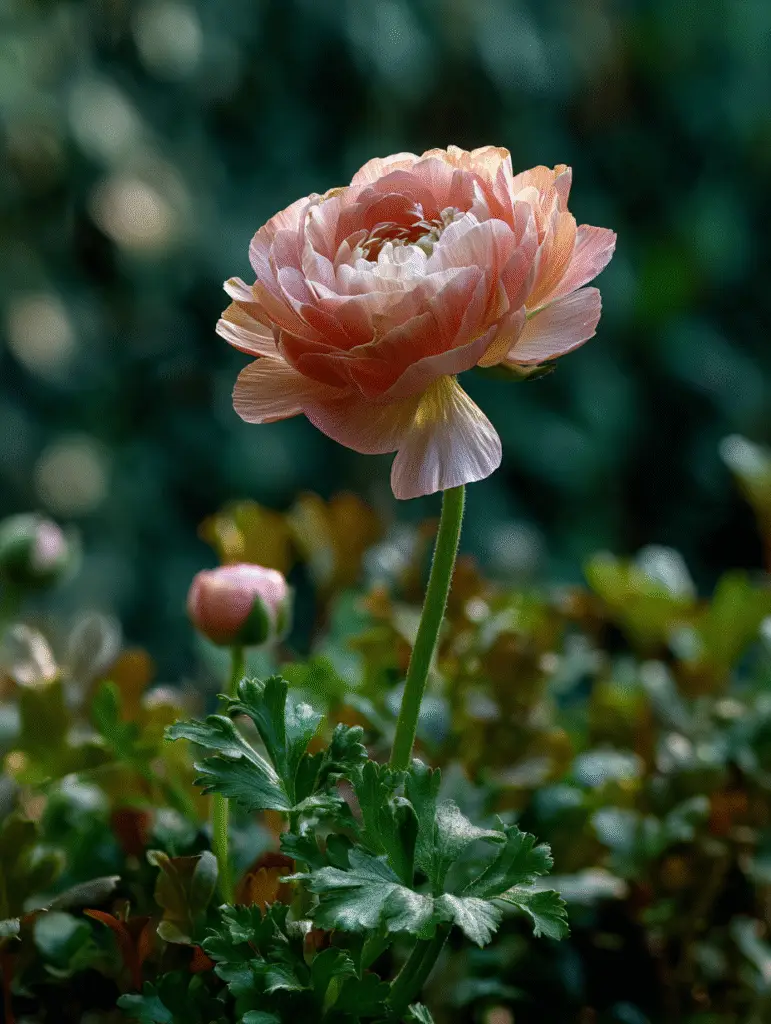
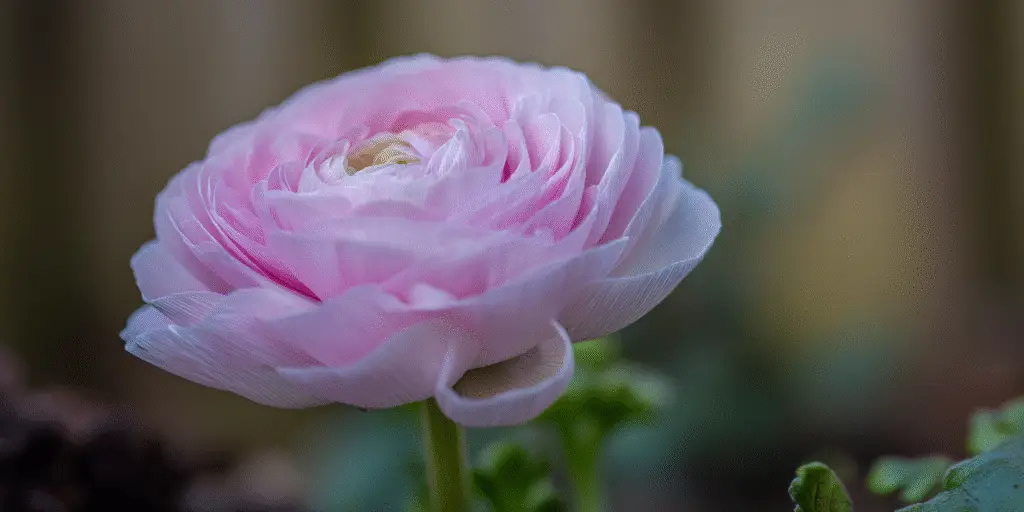
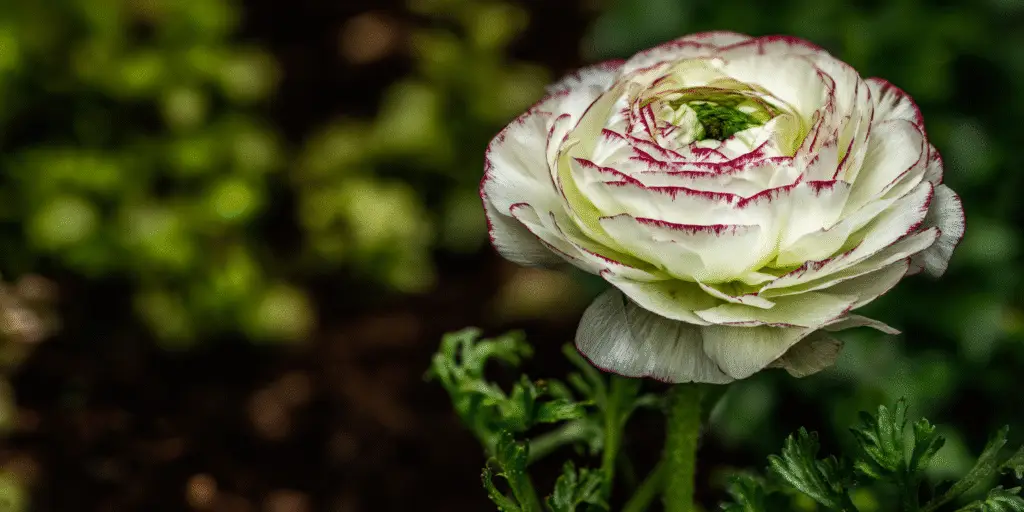
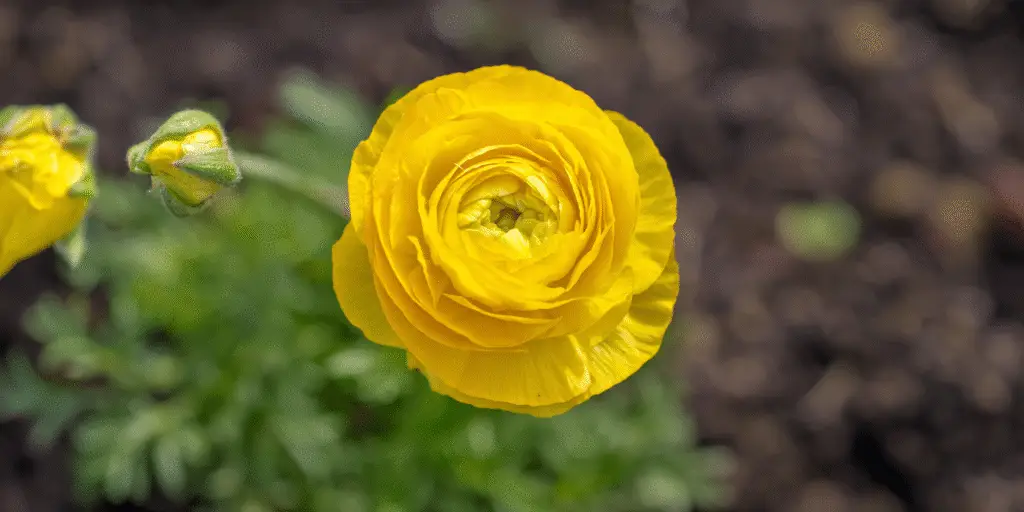
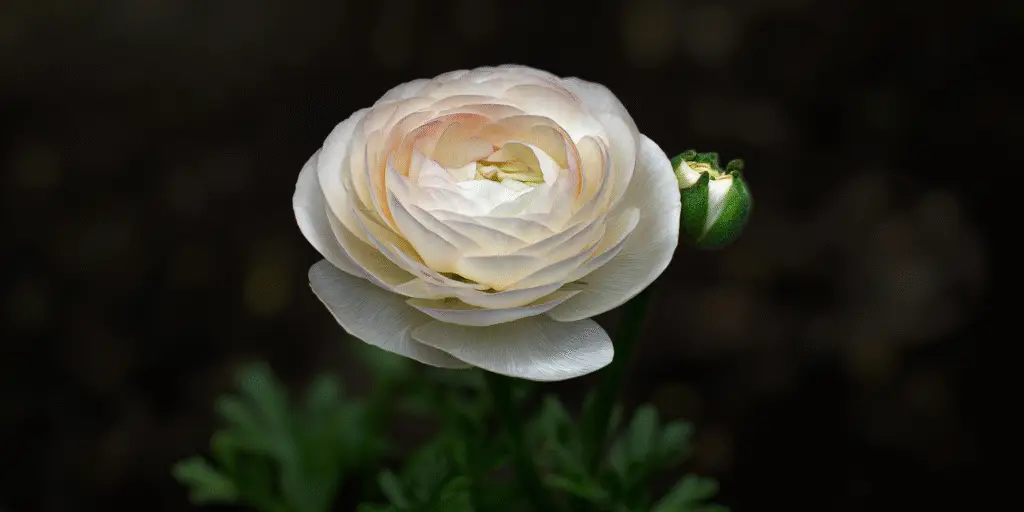
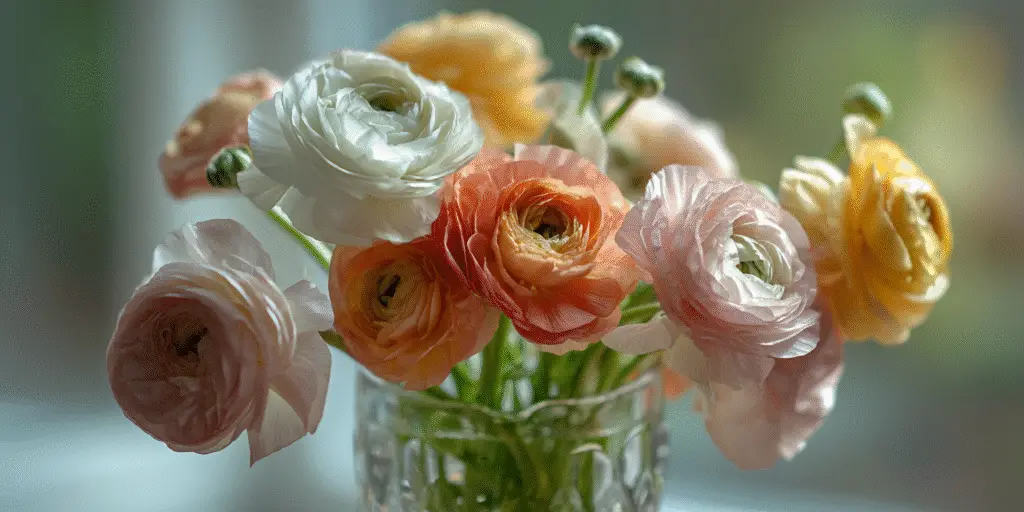
The ranunculus flower is a vibrant and highly ornamental bloom known for its layers of delicate, rose-like petals. A favorite in cutting gardens and florist shops, it offers a riot of colors from bright gold to soft pastels. Gardeners prize this plant for its ability to produce multiple lush blossoms per stem, making it a stunning addition to spring displays and bouquets. Among various types of flowers, ranunculus stands out for its combination of vivid hues and long-lasting blooms that remain attractive for days. These flowers are especially beloved as wedding flowers, often tucked into bridal bouquets in place of more common roses or peonies to add a touch of whimsy. They deliver an eye-catching display in beds and containers, complementing spring bulbs like tulips and adding a rich texture akin to a small rose. In floral arrangements, ranunculus is valued alongside elegant blooms such as calla lily for their refined, romantic appearance and reliable vase life, making them versatile occasion flowers for celebrations throughout the season.
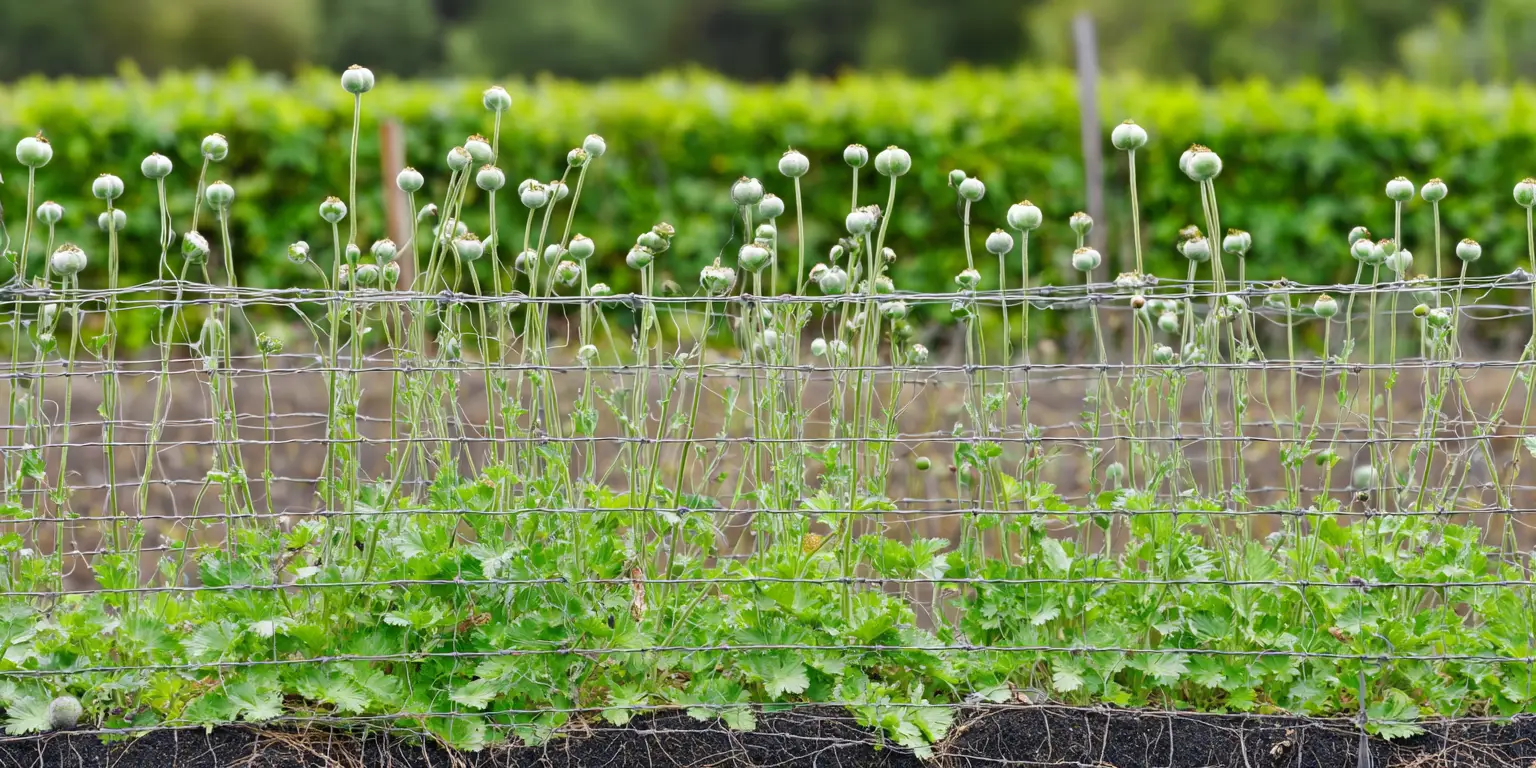
A clear, step-by-step guide to soil, planting, watering, feeding, pruning, and winter care. Includes zone timing, container tips, companions, and quick fixes for common problems.

Bouquet Ideas
Explore simple, beautiful bouquet ideas for the home, gifts, and special occasions from romantic mixes to clean, minimal styles. Each idea includes suggested flower combinations, color palettes, and sizes, with photos for quick inspiration.
🌱 Taxonomy and origin
Ranunculus is a genus of flowering plants in the buttercup family (Ranunculaceae), encompassing hundreds of species commonly known as buttercups. The cultivated ranunculus grown in gardens and the floral trade is typically the Persian buttercup, botanically classified as Ranunculus asiaticus. This plant’s lineage reflects its Latin name, with “ranunculus” meaning “little frog” – likely a nod to the wild buttercups that thrive in damp habitats similar to frogs. The Persian buttercup is native to parts of the Mediterranean region, including southwestern Asia, southern Europe, and North Africa. These origins in mild, winter-rainfall climates inform the plant’s preferences for cool, moist spring conditions. Over time, horticultural breeding has produced many hybrids and cultivars with larger, fully double blooms in an expanded color palette. Despite this variety, all ranunculus species share a place in the broader buttercup family alongside cosmos, irises, and other ornamental genera. Their botanical heritage underpins the plant’s growth habits and care needs, linking it to a rich history of wild buttercups and ornamental cultivation.
🌸 Bloom time
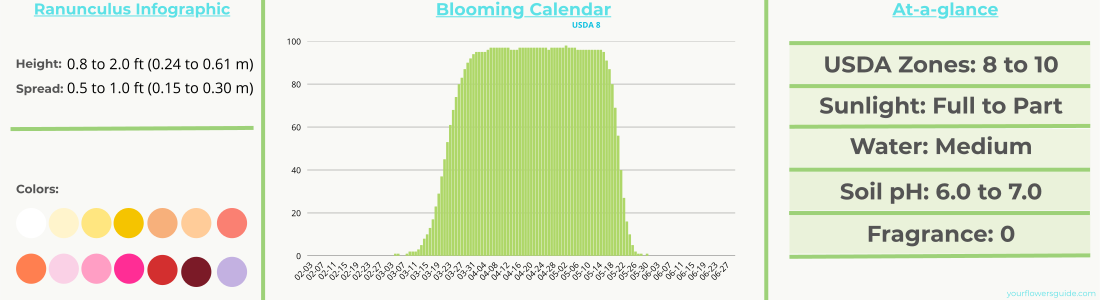
Ranunculus bursts into flower primarily during the spring season, rewarding gardeners with showy blooms once temperatures begin to warm but before the onset of hot summer days. In most temperate climates, Persian buttercups planted from tubers (often called corms) in late fall or late winter will bloom from mid-spring into early summer. A typical bloom time may span April through June, depending on local conditions and planting time. These plants thrive in the cool part of the growing season, producing their fullest flush of flowers when daytime highs are moderate. Each plant can yield multiple flowers in succession over several weeks, extending the display. Gardeners often notice that as soon as extreme heat arrives, the ranunculus begins to wind down its flowering cycle. The blossoms themselves are long-lasting on the plant, holding their color and form well in the garden. By deadheading spent blooms, one can encourage additional budding in favorable weather. However, once the temperatures climb consistently, ranunculus will naturally begin to go dormant after its prolific spring show, conserving energy for the next cycle if conditions allow.
📏 Height and spread
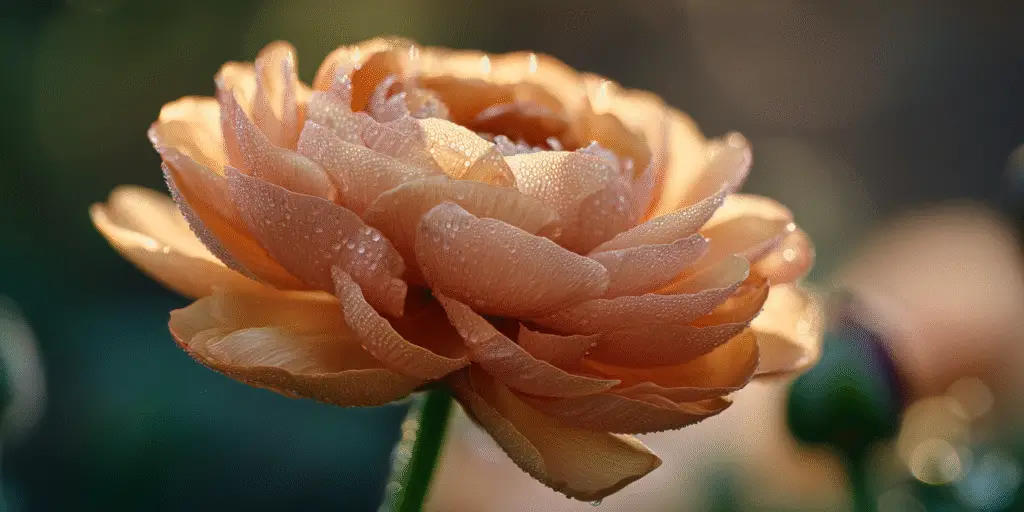
Persian buttercup plants maintain a compact yet robust stature, typically reaching about 1 to 2 feet (approximately 30 to 60 cm) in height when in full bloom. The flower stems are sturdy yet graceful, holding the multi-petaled blooms above the foliage. Each plant forms a mound of finely divided, fern-like leaves at its base, usually 6 to 12 inches tall, from which the taller flowering stems emerge. At maturity, a healthy ranunculus clump can spread roughly 1 to 2 feet (30 to 60 cm) across, depending on the growing conditions and spacing of the tubers. The growth habit is clumping rather than vining, and individual plants can be spaced about 6 to 8 inches apart for a full display without overcrowding. Their moderate height makes ranunculus ideal for the front or middle of mixed flower beds, where they can shine without being overshadowed. Despite the abundance of blooms, the plants remain relatively neat. The foliage forms a lush green mound that supports the blooms and then gradually withers as the plant enters dormancy. Overall, their height and spread allow ranunculus to integrate well in gardens, complementing larger plants like peonies or roses behind them and shorter edging yellow flowers in front for a layered effect.
☀️ Light
Like many sun-loving types of flowers, ranunculus performs best with ample sunlight. Full sun exposure (at least 6 to 8 hours of direct light per day) is ideal to ensure vigorous growth and abundant blooming. In regions with mild spring weather, providing full sun encourages the plants to produce sturdy stems and vibrant flowers. The intense energy from sunlight fuels the development of their lush petals and helps prevent the stems from stretching or becoming weak. In hotter climates, ranunculus can benefit from a bit of afternoon shade to protect them from scorching heat as spring turns to summer, but they should still receive strong morning and late-day sun. Too much shade will result in fewer blooms and leggy growth, as the plant will reach for light. When planning a planting site, gardeners often place ranunculus in open areas alongside other sun-loving blooms like tulips, rather than under trees or in the shadow of taller shrubs. Ensuring sufficient light is one of the key factors in successful ranunculus cultivation, directly impacting flower quality and quantity. With the right balance of bright light and a slight reprieve during peak heat in warm zones, these plants will reward growers with robust foliage and a carpet of dazzling blooms.
💧 Water
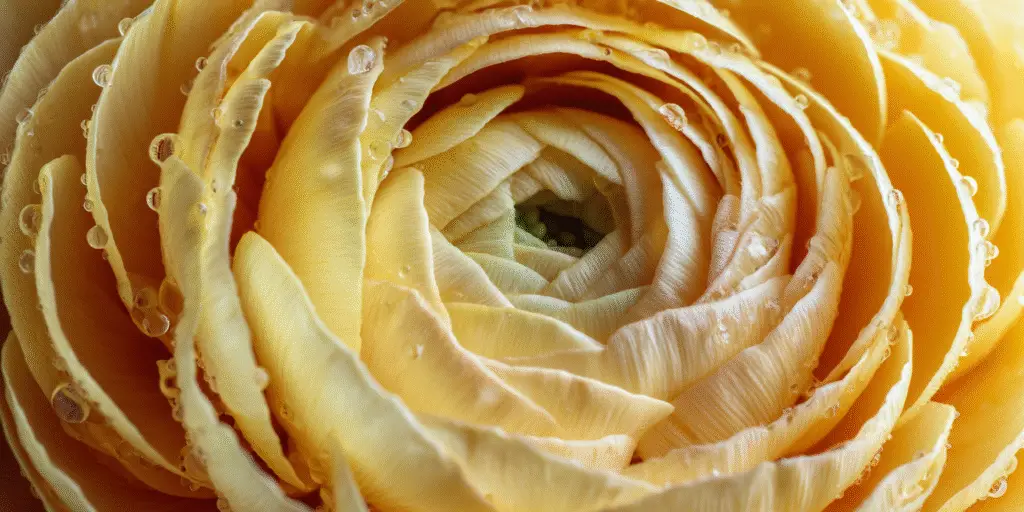
Ranunculus requires consistent moisture during its active growth and blooming period, but it does not tolerate waterlogged soil. Striking a balance is important: the soil should be kept moderately moist like a wrung-out sponge, never bone dry and never sopping wet. During the spring growing season, regular watering is needed, especially if rainfall is inadequate, to support the development of the lush flowers and foliage. However, drainage must be excellent. Standing water around the tuberous roots can quickly lead to rot, which is a common issue if soil remains soggy. Incorporating organic matter into the planting medium can help retain necessary moisture while also improving drainage. Gardeners should allow the top inch of soil to dry slightly between waterings to avoid oversaturation. As the ranunculus plant finishes blooming and begins to yellow, it is entering dormancy and requires less water. At that stage, watering should be gradually reduced. In many cases, once the foliage dies back in early summer, natural rainfall is sufficient and additional watering can cease. By being attentive to soil moisture-providing adequate irrigation in spring and withholding water as the plant rests-gardeners can meet ranunculus’s needs and prevent common problems like root rot.
🌍 Soil and pH
Ranunculus thrives in rich, well-draining soil with a light, friable texture. A sandy loam or loamy soil amended with organic compost provides the ideal environment for the tuberous roots to establish and take up nutrients without risk of waterlogging. Good drainage is absolutely essential; heavy clay soils that retain water can cause the “buttercup” tubers to rot. Before planting, many gardeners loosen the soil deeply and incorporate aged manure or compost to ensure both fertility and drainage. In terms of soil pH, ranunculus prefers a slightly acidic to neutral range. An optimal pH around 6.0 to 7.0 supports nutrient availability and healthy growth. In areas where soil is more acidic or alkaline, pH can be adjusted gradually-adding garden lime to raise a too-low pH or sulfur to lower a too-high pH. Fortunately, ranunculus is somewhat adaptable as long as extremes are avoided; it can tolerate mildly acidic conditions, similar to many spring-blooming bulbs, and will also grow in nearly neutral soils without issue. The key is to avoid very acidic or very alkaline extremes that could lock up nutrients. Providing fertile, well-drained earth at the appropriate pH creates a strong foundation for these flowers. When planted in the right soil conditions, ranunculus corms readily send out roots and reward the gardener with vigorous foliage and abundant blooms.
❄️ USDA hardiness
Persian ranunculus is considered a tender perennial, with true winter hardiness limited to relatively mild regions. In the United States, Ranunculus asiaticus typically survives outdoors year-round in approximately USDA hardiness zones 8 through 10. In these warmer zones, the tubers can overwinter in the ground and sprout again the following season, especially if provided with a layer of mulch for insulation. Gardeners in these climates often treat ranunculus as a short-lived perennial, allowing the plants to naturalize or persist for a few years.
However, in colder zones (7 and below), ranunculus will not tolerate freezing winter temperatures if left in the ground. The tubers are likely to be killed by hard frosts and prolonged freezes. Therefore, in regions with cold winters, ranunculus is usually grown as an annual – planted anew each season from purchased corms. Another strategy in marginal zones is to lift the tubers in summer after the foliage has died back and store them in a cool, dry place until replanting in fall or spring. This method can be hit-or-miss, as the tubers are somewhat delicate to store and may dry out or succumb to rot. Many gardeners simply opt to buy fresh, healthy corms each season for consistent results. Understanding the local climate and winter lows is important for deciding whether ranunculus can be perennial in one’s garden or must be treated as a seasonal delight.
🌼 Propagation and longevity
Ranunculus plants are commonly propagated by their tuberous roots (often referred to as bulbs or corms), which resemble small, claw-like clusters. The most straightforward way to multiply ranunculus is to plant these tubers, which will sprout into new plants each season. Garden centers sell dried tubers that can be soaked in water before planting to plump them up, then placed “claw side” down into soil about 2 inches deep. Each tuber typically produces one plant; as the plant grows, it may form additional tiny tuber offsets that can be separated and replanted in subsequent seasons. Ranunculus can also be grown from seed, though this method is slower and more challenging. Seeds may take a few weeks to germinate and often require a long growth period (several months) before flowering, so it is less commonly used by home gardeners compared to planting tubers.
In terms of longevity, ranunculus behaves as a perennial in mild climates but is often treated as an annual in harsh climates. In zones where winter conditions are suitable, the plants can live for a few years, going dormant in summer and re-sprouting from their tubers when conditions are right again. However, even in ideal conditions, individual ranunculus plants are not long-lived perennials the way some hardy bulbs are. Many gardeners notice that the quality of blooms may diminish after the first year, which is why fresh tubers are frequently planted each season. After flowering, the foliage will yellow and the plant will enter dormancy, at which point its energy is stored in the tuber. The tubers can be lifted and stored if necessary-dried gently and kept in a cool, dark, dry place-to replant later, though not all will successfully survive storage. Overall, propagation is most effective from tubers or purchased corms, ensuring vigorous plants, and ranunculus longevity in the garden is often managed by renewing plantings periodically for the best floral display.
👃 Fragrance
Despite their striking visual appeal, ranunculus flowers are generally not known for a strong fragrance. Most varieties are essentially fragrance-free or have only a very faint, subtle scent that is not readily noticeable. This lack of perfume sets ranunculus apart from other popular blooms like roses or certain lilies that are famed for their scent. For many gardeners and florists, the absence of fragrance is not a drawback; in fact, it can be a benefit for those sensitive to strong floral odors. Bouquets of ranunculus can be enjoyed for their beauty without overwhelming a room with smell. In the garden, the limited fragrance means ranunculus does not heavily attract pollinators by scent, although the bright colors and open-centered varieties may still catch the attention of bees and other insects visually. In practical terms, gardeners grow ranunculus for their brilliant colors and form rather than for aroma. When planning arrangements or garden designs, their neutral fragrance means ranunculus won’t clash with strongly scented flowers. They can be mixed into bouquets without creating an overpowering aroma. The elegant look of ranunculus carries the display, while their lack of scent ensures they remain pleasant to have indoors or out.
⚠️ Toxicity and pet safety
All parts of ranunculus plants are considered toxic, containing compounds that can cause irritation or illness if ingested by humans or animals. In particular, fresh ranunculus (buttercup) foliage and sap have an acrid quality that can lead to burning sensations on the skin or mouth. Pets such as cats and dogs should be kept from chewing on ranunculus plants, as ingestion can result in drooling, vomiting, and gastrointestinal distress. In more severe cases or if consumed in large quantities, symptoms could escalate to difficulty breathing or convulsions, though such extreme reactions are uncommon with the small amounts a pet might nibble. The toxic component, ranunculin, converts into a substance called protoanemonin when the plant is damaged (for example, by chewing), which is what causes irritation and pain.
Luckily, the bitter taste usually deters animals and children from consuming much of the plant. Nonetheless, it is advisable to plant ranunculus out of reach of curious pets and to wear gloves if you have sensitive skin when handling the sap or cutting the stems. Dried ranunculus (such as in hay) lose much of their toxicity, as the harmful compound evaporates, but in a fresh state these flowers are not considered pet-safe. Gardeners who are planning bouquets for households with pets should remember to keep ranunculus arrangements well out of reach. As with many occasion flowers like tulips and lilies that have toxicity concerns, basic precautions ensure that ranunculus can be enjoyed safely without risk to beloved animals or people.
🌿 Vase life
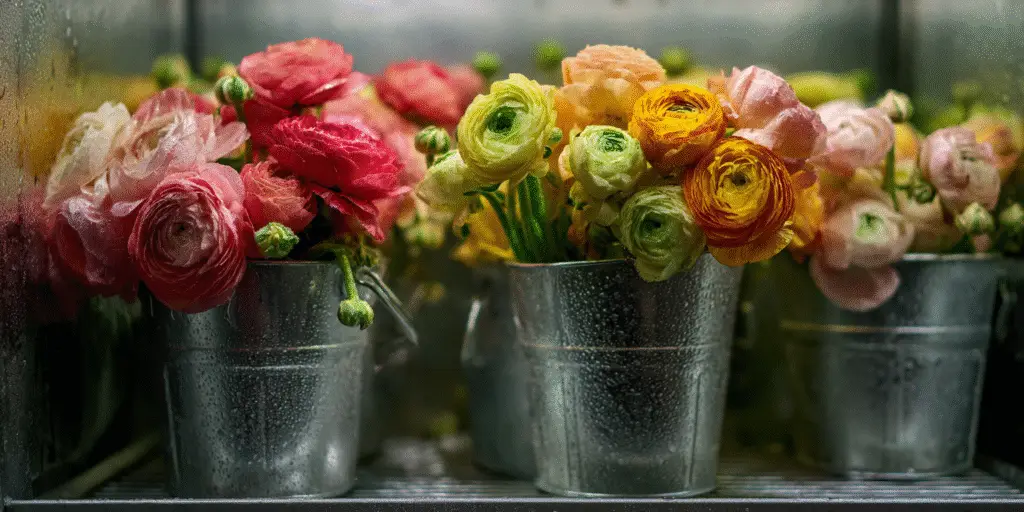
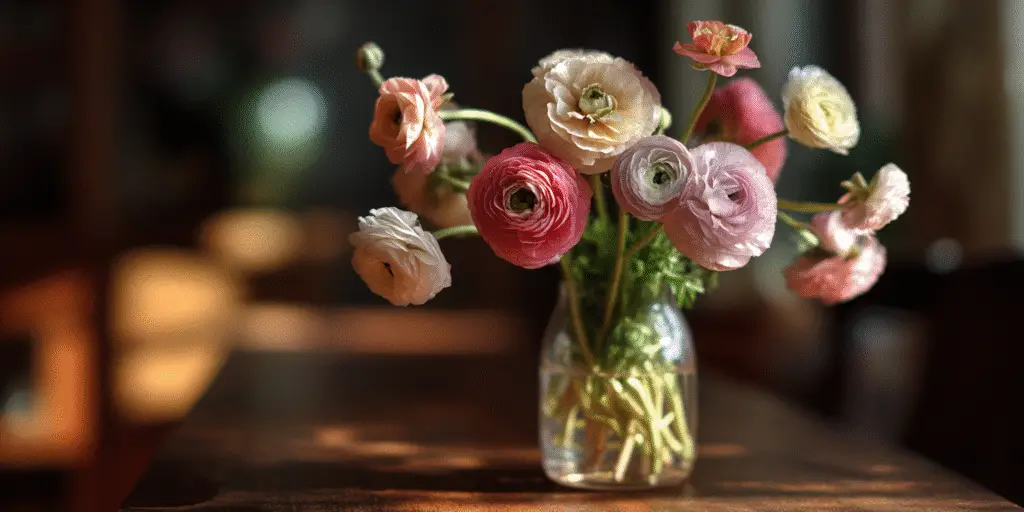
Ranunculus is highly esteemed as a cut flower in part because of its excellent vase life. When harvested at the proper stage – often when the first petals have opened enough to reveal a colored “pom-pom” but the flower is not yet fully blown – ranunculus can last a week or more in a vase. In ideal conditions with fresh water and clean stems, these blooms commonly stay fresh for around 7 to 10 days, and sometimes up to nearly two weeks. This longevity rivals or exceeds that of many other spring cut flowers. Florists handling ranunculus often cut the stems early in the morning and immediately place them in cool water to prolong their freshness. It’s important to remove any foliage that would sit below the water line in the vase, since this plant material can decompose and shorten the vase life. Changing the vase water every couple of days and keeping the arrangement in a cool spot away from direct sunlight or heat sources will further extend the life of the flowers. One interesting aspect observed by flower enthusiasts is that ranunculus stems can continue to grow slightly in the vase, and the buds may continue to open gradually over several days, providing an evolving display.
Thanks to their sturdy stems and multi-layered petals, ranunculus hold up well in arrangements, pairing beautifully with other spring blooms. Whether showcased alone or combined with other wedding flowers like peonies or the elegant calla lily, ranunculus reliably provides lasting beauty as a cut flower, making it a top choice for florists and home arrangements alike.
🐛 Pests and diseases
Ranunculus can be susceptible to a few pest and disease issues, especially when conditions are not ideal. Among insect pests, aphids are the most common problem, often seen clustering on new growth and flower stems to suck sap. A minor aphid presence can be washed off with water, but heavier infestations might require treatment with insecticidal soap or neem oil. Another possible pest is the spider mite, which may appear in hot, dry conditions, causing speckled foliage and fine webbing; maintaining some humidity and proper watering can help prevent spider mite outbreaks. Additionally, gardeners should be aware that rodents or other small animals might dig up and eat ranunculus corms in the ground, mistaking them for a food source, so protecting newly planted tubers with mesh or repellents can be wise if this is a known issue in the area.
On the disease front, fungal problems are the most serious concern for ranunculus. Chief among these is root rot or crown rot, often caused by fungi like Pythium or Botrytis when the soil is too wet or drainage is poor. Affected plants may wilt suddenly and develop blackened, mushy roots. To avoid this, it is critical to plant ranunculus in well-drained soil and avoid overwatering. Botrytis blight can also occasionally affect the flowers or foliage, especially in very damp, cool weather, leaving a gray fuzzy mold on petals. Good air circulation around plants and removal of any diseased material helps reduce fungal issues. There are no specific blights or wilts unique to ranunculus beyond these general pathogens. By keeping the growing area clean, not overcrowding plants, and monitoring soil moisture, most serious diseases can be prevented. In general, ranunculus is not plagued by an overwhelming number of pests or diseases, provided it is given the proper care and environmental conditions.


FAQ
Are ranunculus flowers annual or perennial?
Ranunculus can behave as either annuals or perennials depending on the climate. In warm regions (roughly USDA zone 8-10), the tubers can survive in the ground and regrow in subsequent years, making them perennial. In colder areas, the winter frost will kill them if left outdoors, so they are treated as annuals and replanted each season or dug up for storage after blooming.
How do I store ranunculus tubers for next year?
If you live in a region with freezing winters and want to save your ranunculus, you can dig up the tubers after the foliage has turned yellow and died back. Gently clean off excess soil and allow the tubers to dry for a few days in a shaded, airy spot. Once dry, store them in dry peat moss or vermiculite in a paper bag or ventilated box. Keep the storage container in a cool (around 50°F, 10°C), dark, and dry location. Not all tubers will survive storage, but this method gives you a chance to replant them the following growing season.
Do ranunculus multiply or spread over time?
Ranunculus tubers can produce small offset tubers as they grow. Over a season, a healthy tuber may form a few “baby” tubers attached to the original. When the plant is lifted, these can be separated and planted on their own, effectively multiplying your stock. However, ranunculus do not spread aggressively in the way that some bulbs (like daffodils) do. Their clumps can get a bit larger from year to year in mild climates, but they generally stay where they are planted and expand slowly. Many gardeners rely on planting additional new tubers each year for a bigger display rather than expecting large natural spreading.
Why are my ranunculus not blooming?
If ranunculus plants fail to bloom, it is often due to environmental stress or timing. Ranunculus need cool temperatures to initiate flowering; if they were planted too late and encountered early heat, they might not set buds. Insufficient sunlight is another common reason – these plants require full sun for abundant blooms. Additionally, poor soil or overcrowding can reduce flowering. Check that the soil is rich and well-drained, and that tubers were planted at the proper depth (around 2 inches deep). Lastly, if the foliage suffered from disease or pest damage early on, the plant might not have enough energy to produce flowers. Ensuring the ideal cool-season growing conditions and proper care will typically result in plentiful blossoms.
Are ranunculus flowers pet-safe?
No, ranunculus is not pet-safe. They are considered toxic to cats, dogs, and many other animals if ingested. Chewing on ranunculus can irritate a pet’s mouth and digestive tract, leading to symptoms like drooling and vomiting. Fortunately, the plant’s bitter taste usually prevents animals from consuming too much. Nevertheless, it’s best to keep ranunculus out of reach of pets and to promptly dispose of any garden clippings. If you suspect your pet has eaten ranunculus and is reacting poorly, consult a veterinarian for advice.
How long do ranunculus blooms last after cutting?
Ranunculus are prized in floral arrangements because their cut blooms have a relatively long vase life. On average, ranunculus flowers will last around 7 to 10 days in a vase with proper care. To maximize their longevity, cut the stems at a diagonal when the buds are colored and soft (but not fully open), place them in clean water with floral preservative if available, and change the water every couple of days. Keeping the vase in a cool location out of direct sunlight will also help the blooms stay fresh. With these steps, it’s not uncommon for ranunculus to remain attractive for over a week, making them an excellent choice for home bouquets and centerpieces.
Interesting tips
For gardeners eager to get the best from their ranunculus, a few extra tips can make a difference. First, soaking the tubers before planting is a common practice – by immersing the dried “claw” tubers in room-temperature water for a few hours (until they swell slightly), you can speed up their sprouting and get a jump start on growth. Some experienced growers even pre-sprout the tubers by laying them in a tray of moist soil or sand for a week or two before transplanting, ensuring each tuber has started to develop roots. Another tip is to pay attention to planting time: in climates with mild, wet winters (like coastal California), ranunculus is often planted in the autumn for an early spring bloom, whereas in areas with harsh winters, planting in late winter or very early spring after frost yields the best results. Ranunculus also makes a superb container plant – you can cluster several tubers in a large pot with rich, well-draining soil to create a dense display of flowers that can be moved to prime viewing spots as needed.
When cutting ranunculus for arrangements, choose stems where the flower bud feels marshmallow-soft; at this stage, the bloom will continue to open slowly in the vase and reward you with a longer show. Finally, while ranunculus come in an array of bright and pastel shades, you won’t find a true blue among them. If you desire a touch of blue in your spring palette, you might pair ranunculus with complimentary spring blue flowers like muscari or blue anemones in the garden. With proper care and a few insider techniques, the ranunculus flower can be a highlight among your spring plantings and floral designs.
Related Guides & Flowers
- Anemone (Windflower) – Silky, layered petals with a refined, airy look; perfect companion to ranunculus in spring bouquets.
- Hellebore – Early-spring, many-petaled blooms with a romantic, rose-like form; same Ranunculaceae family.
- Love-in-a-Mist (Nigella) – Same family as ranunculus; delicate flowers and sculptural seed pods that pair beautifully in arrangements.
- Delphinium (Elatum Group) – Tall spires from the Ranunculaceae family; great color contrast and vertical interest beside ranunculus.
- Camellia – Lush, layered petals and refined form; a good visual match for romantic ranunculus styling.
- Peonies – Big, plush petals and a similar “cup of petals” look; a natural substitute or partner in luxury bouquets.
- Carnation – Long-lasting, frilled petals and broad palette; a budget-friendly textural match in mixed bunches.
References
- NC State Extension – Ranunculus (Plant Toolbox): Practical cultural notes, spacing, planting depth, and site conditions for Ranunculus.
- Utah State University Extension – Ranunculus Cut Flower Production (2023): Cool-season annual production timings, planting windows, and cut-flower guidance for R. asiaticus. PDF.
- Cornell University (eCommons) – Postharvest Storage and Handling of Ranunculus asiaticus (2011): Vase-life handling, conditioning, and storage recommendations.
- Kew Science – Plants of the World Online: Ranunculus asiaticus: Accepted name, native range, and taxonomic baseline.
- ASPCA – Buttercup (Ranunculus spp.) Toxicity (cats, dogs, horses): Clear pet-safety confirmation and symptoms to cite in your toxicity section.
Written by: Your Flowers Guide editorial team
We are a small independent group of flower lovers who research and review each guide using trusted horticultural and educational sources. Learn more about us