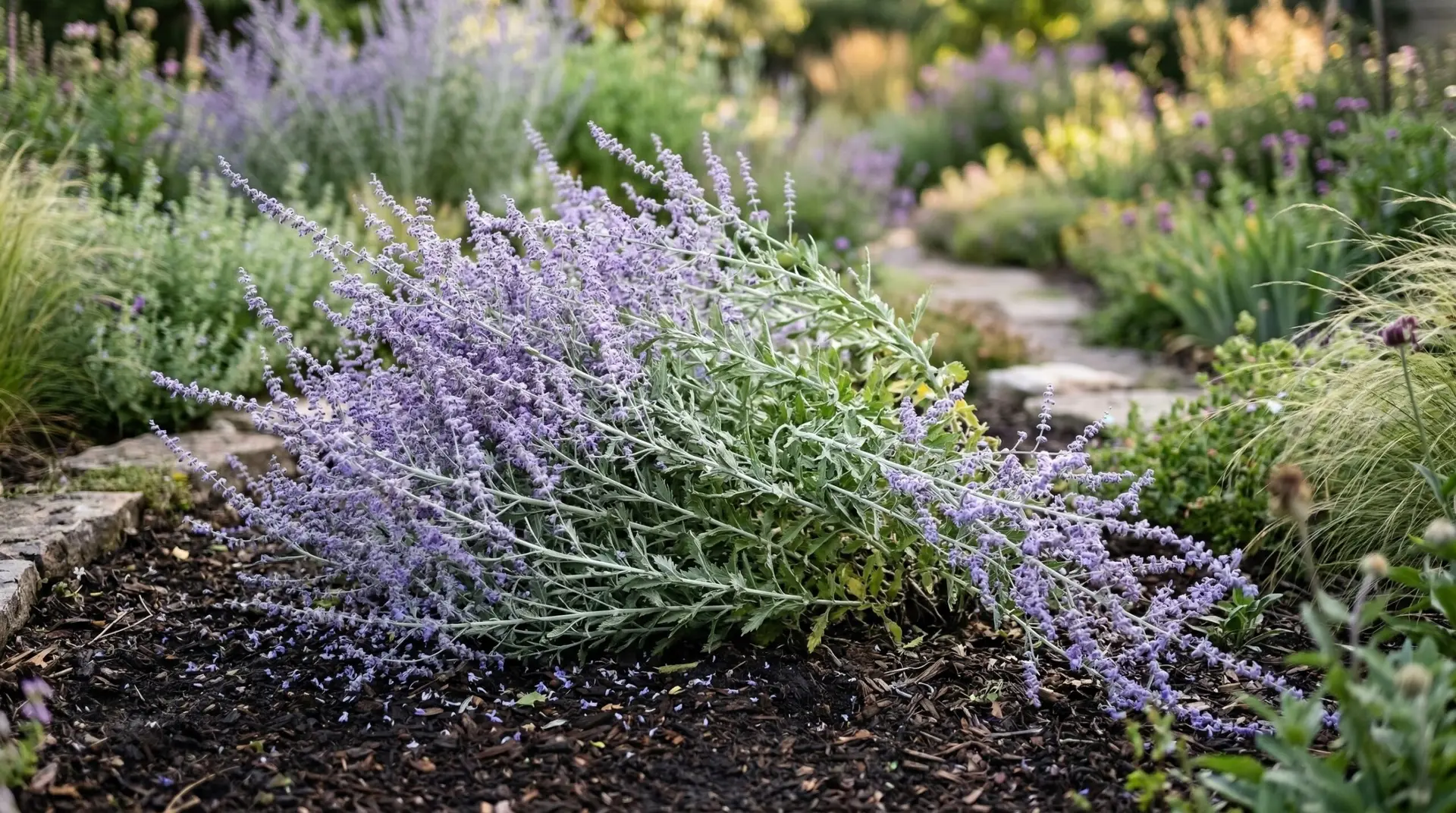
You plant Russian sage expecting a tough, upright pillar of silvery foliage and purple blooms, but by late July, it looks like a flattened crater in the middle of your garden bed. I see this issue constantly when visiting home gardens, and it usually leaves people wondering if they bought a defective plant or if a neighborhood animal decided to sleep in the middle of it. The reality is that Russian sage flopping or falling over is incredibly common, and it almost always comes down to how the plant is treated in its environment. People assume that all garden plants want rich soil, lots of water, and regular feeding, so they treat this rugged survivor like a delicate greenhouse specimen. When you give Russian sage a pampered life, it responds by growing too fast. This rapid growth produces weak stems that simply cannot hold up the weight of their own flowers once a summer rain hits them.
To fix a floppy Russian sage, you have to stop treating it like your other garden perennials and start treating it like a weed that thrives on neglect. The stems fall over because they lack the structural integrity that comes from struggling in poor, dry conditions. When a plant gets too much nitrogen, the cellular growth is rapid and thin, resulting in long, spindly branches that bend easily under pressure. If your plant is already splayed open on the ground right now, you cannot un-bend those stems, but you can take steps to manage the mess and prevent it from happening again next year. By adjusting the soil conditions and using specific pruning techniques early in the season, you can force the plant to grow exactly how you want it to.
Contents 4 sections
Why rich soil ruins the structure of Russian sage
The most frequent cause of Russian sage falling over is planting it in soil that is simply too good. This plant originates in harsh, rocky environments where nutrients are scarce and water drains away instantly. Those difficult native conditions force the roots to grow deep and the stems to grow thick and woody. When you place it in a heavily amended garden bed full of dark compost and moisture-retaining mulch, the plant goes into overdrive and produces an unnatural amount of soft green growth. This rapid expansion creates tall, watery stems that lack the woody strength needed to stay upright when the wind blows or the heavy flowers open. If you have been fertilizing your Russian sage or planting it alongside heavy feeders that require rich soil, you are actively encouraging the plant to collapse.
Fixing the soil issue requires a permanent shift in how you manage that specific area of your garden bed. Stop applying any fertilizer, compost, or rich organic matter near the base of the plant, and avoid using thick layers of wood mulch that trap moisture against the crown. If your soil is naturally heavy clay that holds water, you might need to dig the plant up in early spring and mix a significant amount of coarse sand or gravel into the planting hole to improve the drainage. Sometimes the best solution is simply moving the Russian sage to the worst, driest spot in your yard where nothing else seems to survive. When the plant is forced to work harder for its water and nutrients, it will naturally grow shorter, thicker, and much more resilient to summer storms.
Controlling height with the Chelsea chop
If you cannot change your soil or if you just want an extra layer of insurance against flopping, you need to use a pruning technique known as the Chelsea chop. This involves cutting the entire plant back by one third to one half in late spring or early summer, right around the time the stems reach about eighteen inches tall. When you cut the main growing tips off, the plant responds by pushing out multiple side shoots from the lower leaf nodes instead of continuing to grow straight up. This creates a denser, shorter, and much sturdier shrub that has a lower center of gravity and a thicker base to hold the weight of the blooms. It takes a bit of courage to chop down a healthy plant in early June, but this single action prevents the late summer collapse that ruins the look of your garden.
You do have to accept a small trade-off when you use the Chelsea chop method on your Russian sage. Pruning the plant delays the flowering time by about two to three weeks, meaning you will have to wait a little longer to see that purple color in your yard. However, because the plant produces more side branches, you actually end up with a higher number of flower spikes overall, creating a much fuller display that stands entirely upright. If you have a massive patch of Russian sage, you can even cut back just the front half of the plants while leaving the back half tall. This gives you an early bloom on the taller stems in the back, while the shorter, sturdier stems in the front hide any bare legs and provide structural support.
Effective staking strategies for heavy stems
Even with poor soil and proper pruning, a severe summer thunderstorm can still knock down a mature Russian sage, making physical support a necessary backup plan. The biggest mistake people make with staking is waiting until the plant has already fallen over. At that point, gardeners usually try to tie a single piece of string around the whole bush like a tight belt. This creates a terrible hourglass shape that looks completely unnatural, and the stems inside the tight bundle often rot because they lose all air circulation. Instead, you need to put your supports in place early in the spring when the plant is just starting to push new growth from the base. Using a metal grow-through grid allows the stems to grow up through the holes, hiding the hardware entirely by the time the plant reaches its full height.
If you prefer a more natural approach to staking, you can use the traditional method of pushing sturdy, branching twigs into the ground around the crown of the plant in early spring. These brushwood supports create a rigid framework that the soft new stems can lean against as they gain height and weight throughout the summer. This method is highly effective for many tall garden plants, and you might already be familiar with using it if you grow heavy bloomers like Delphinium elatum, which require significant physical support to survive high winds. The trick is to make sure your stakes or twigs are pushed deeply into the ground so they do not simply tip over along with the Russian sage when the soil gets wet. By the time the flowers open, the foliage will have completely covered the supports, giving the illusion of a perfectly behaved plant.
Using companion planting as a living support system
One of the smartest ways to keep Russian sage standing tall is to pack the garden bed tightly enough that the surrounding plants become a living support structure. When plants grow closely together, they physically hold each other up and block the wind from hitting the lower stems directly. You want to choose companion plants that share the same preference for lean, dry soil but have a rigid, upright growth habit that will not bend under pressure. A sturdy, deep-rooted Coneflower is an excellent neighbor, as its stiff stems create a solid wall for the softer Russian sage branches to lean against. This dense planting method mimics how these plants grow in the wild, relying on the surrounding vegetation to keep them upright.
You do need to be careful not to crowd the base of the Russian sage too much, as it still requires good air circulation around the crown to prevent fungal diseases. Plant your supportive neighbors about eighteen to twenty-four inches away, allowing enough room for the base of the plants to breathe while ensuring their upper canopies eventually touch and interlock. The goal is to create a tight matrix of stems above the ground while keeping the soil surface clear. This strategy takes a few seasons of trial and error to get the spacing exactly right, as you have to account for the mature width of every plant in the bed. If you notice the Russian sage stems are still finding a way to flop through the gaps, you can add a few more rigid companions or combine this method with the Chelsea chop for maximum stability.
Dealing with a floppy Russian sage is entirely preventable once you understand that less care actually results in a better plant. Stop trying to improve the soil, put away the fertilizer, and do not be afraid to aggressively cut the stems back in early summer to force a stockier shape. The most useful piece of advice I give to anyone planting Russian sage for the first time is to treat it poorly from the very beginning. Dig a hole in the driest, sunniest, most unappealing part of your yard, plant it directly in the native dirt, and walk away. When you force this tough plant to rely on its own survival instincts, it will reward you with the strong, upright structure you originally wanted.
More About Russian Sage
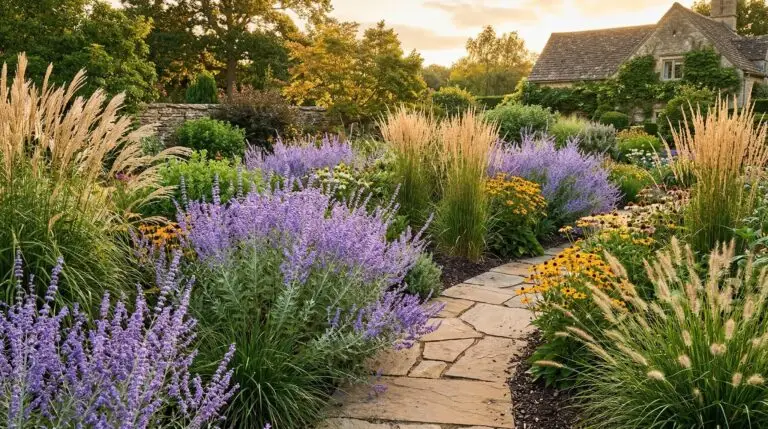
Russian sage companion plants: what to grow and avoid
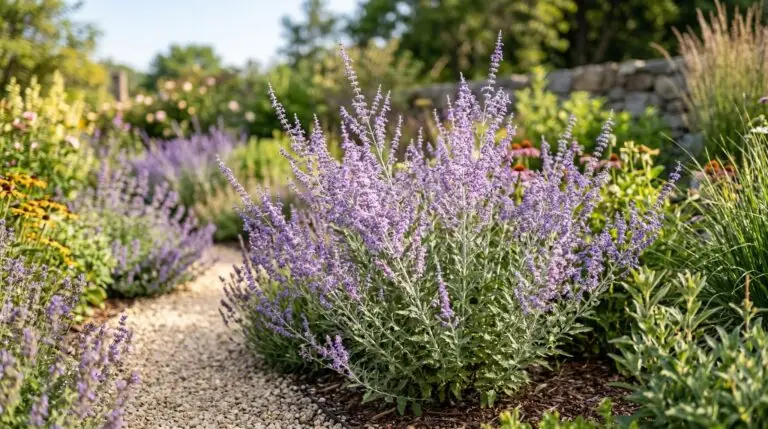
How to grow Russian sage for airy lavender-blue clouds that float above the summer border
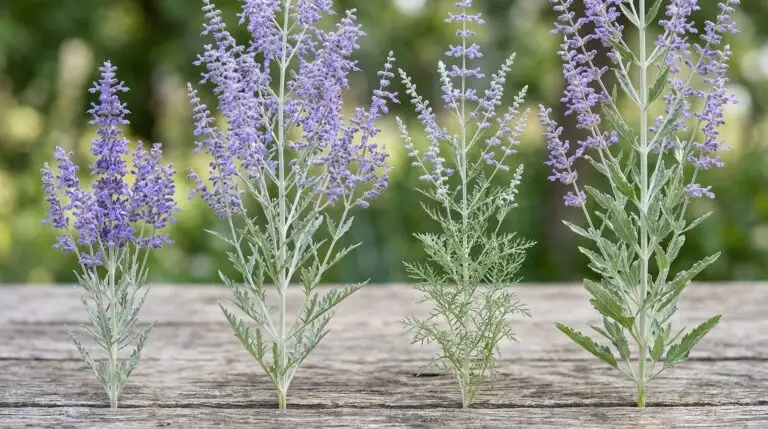
Russian sage versus lavender and which silver-stemmed blue bloomer is right for your garden

How to prune Russian sage in spring without ending up with a woody tangled mess
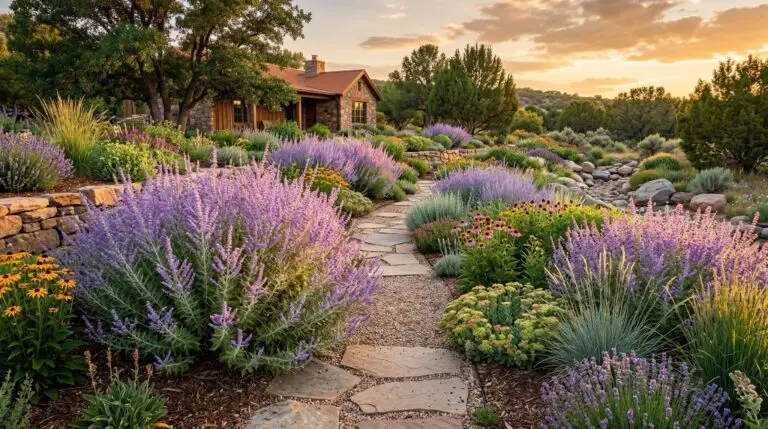
Russian sage as a drought-tolerant superstar for waterwise and xeriscape gardens
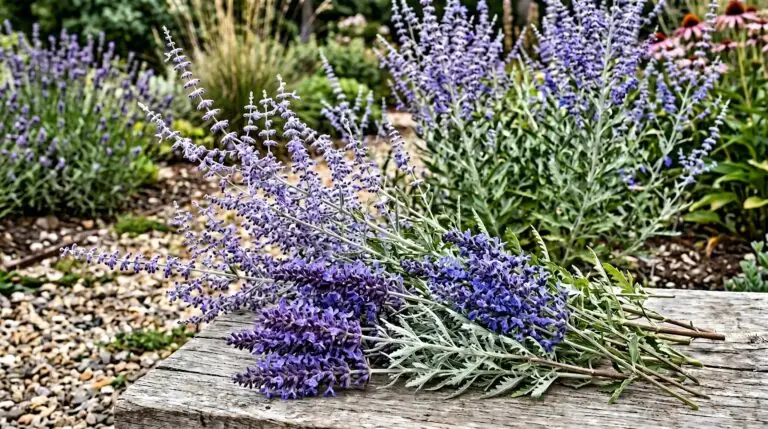
Best Russian sage varieties from compact Little Spire to silvery Blue Jean Baby
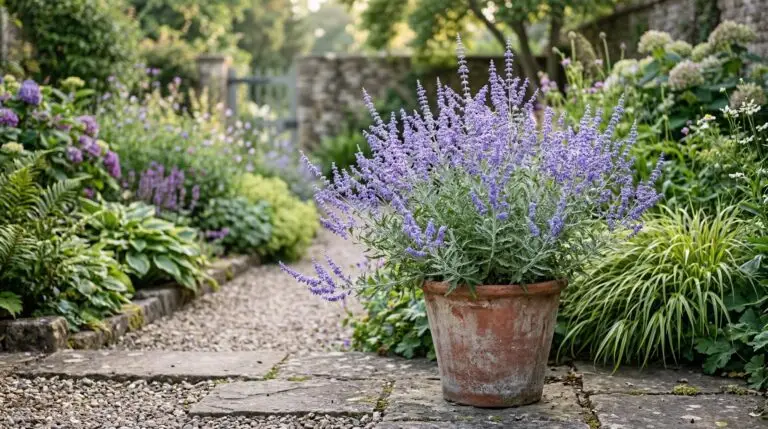
Growing Russian sage in containers for silver-blue drama on sunny patios
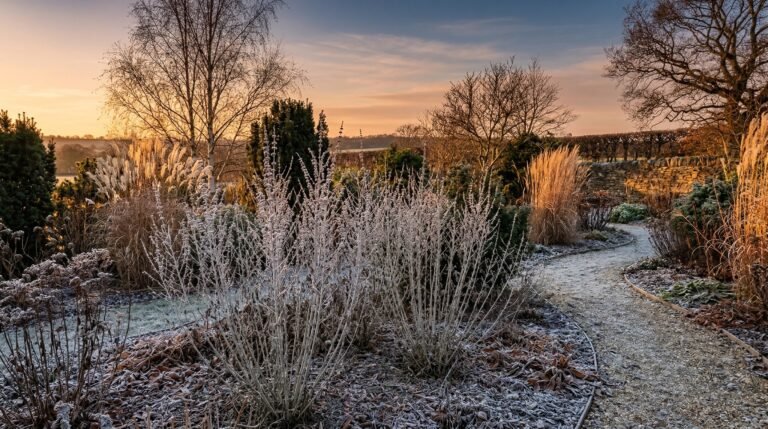
Russian sage in winter and the silver-white stems that bring structure to the frozen garden
Russian sage for pollinators and the long bloom season that feeds bees for months
Enjoying our flower guides? Add YourFlowersGuide as a preferred source on Google. It helps more readers find us.
Add to Preferred Sources