Contents 5 sections
Finding a strange green fruit on your vine
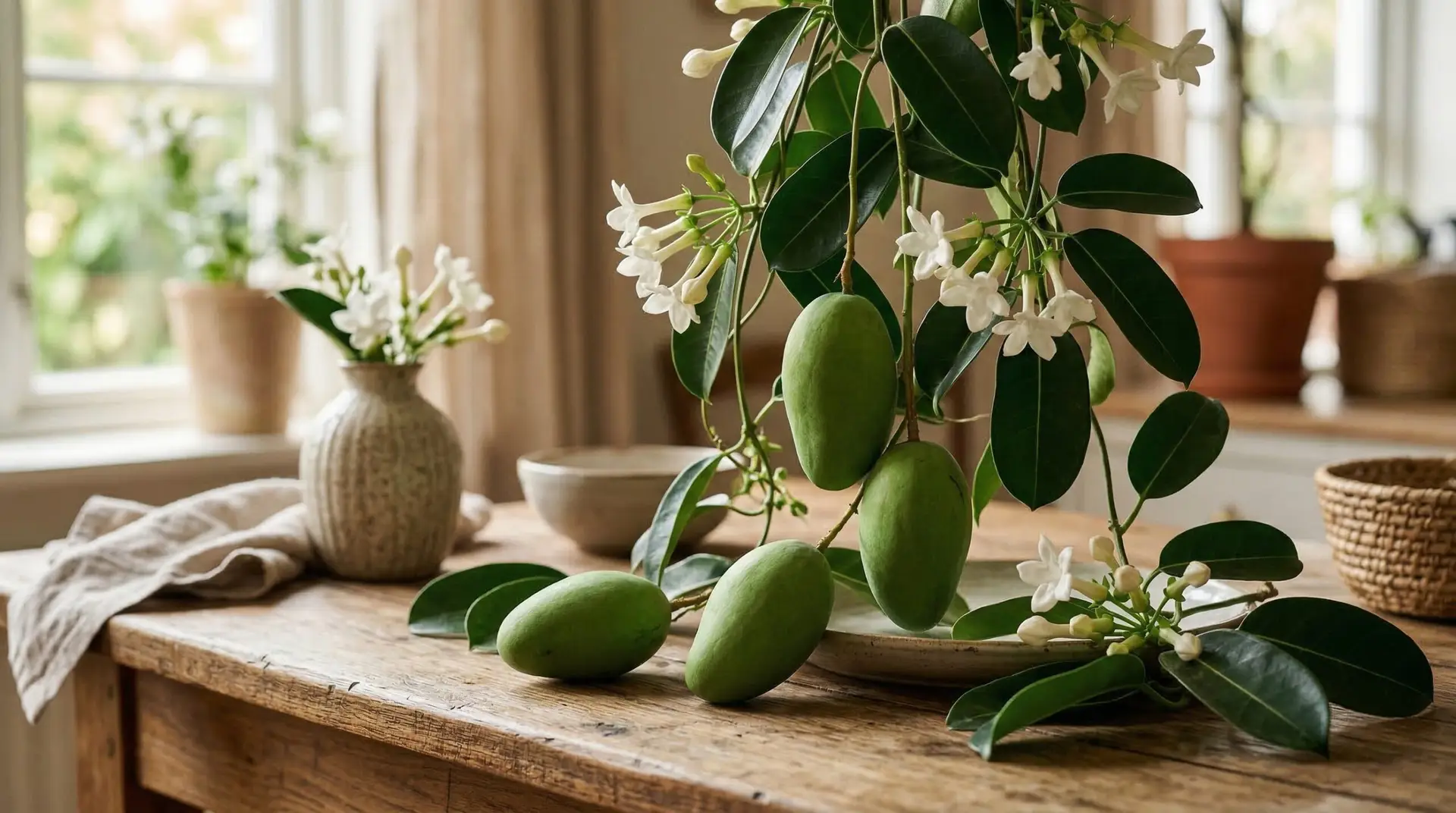
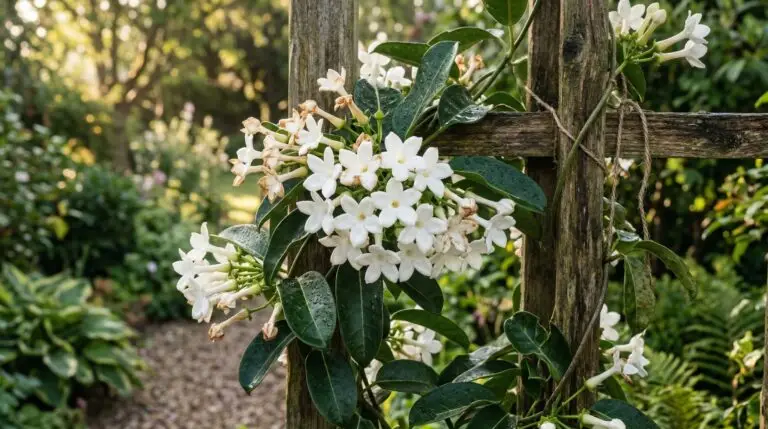
One of the first things gardeners ask when they start growing a stephanotis vine indoors is what exactly is growing on their plant. You might walk by your plant one day and notice a massive green lump hanging from the delicate vines. Many growers assume it is some kind of gall or mutation because it looks entirely out of place next to the small waxy leaves. The stephanotis seed pod looks remarkably like an unripe mango or a large avocado hanging right in your living room. People often wonder if they accidentally bought a fruit tree instead of a flowering vine. This giant green fruit is actually the natural result of successful pollination of those highly fragrant white tubular blooms. In an indoor setting, this usually happens if a moth or other insect managed to visit the flowers while the plant was outside for the summer. Sometimes a dedicated grower will hand-pollinate the blooms, but most of the time, the appearance of a stephanotis seed pod is a complete surprise to the owner.
Understanding the long wait for ripening
The natural follow-up question is usually about how long this heavy green fruit will take to ripen. If you are accustomed to growing typical garden vegetables, you might expect a month or two of waiting. A stephanotis fruit requires an enormous amount of patience because it can take anywhere from six to twelve months to fully mature on the vine. During this long waiting period, the pod will just sit there looking like a heavy green avocado, slowly draining energy from the parent plant. By the way, a fun fact that most people do not realize is that stephanotis is actually a member of the milkweed family. If you have ever watched common milkweed pods develop and split open in a roadside ditch, you are watching the exact same biological process on a much larger scale. This family connection also explains why the plant is entirely different from true jasmine, even though it is commonly sold under the common name Madagascar jasmine. The thick vines and milky sap are classic milkweed traits that become very obvious when you watch this giant pod develop over the better part of a year.
Knowing when the pod is ready to open
Since the wait is so long, growers inevitably want to know how to tell when the pod is finally ready to open. You will notice the thick green skin starting to lose its glossy sheen and turning a dull yellow or brownish color. The skin will begin to wrinkle slightly, losing that tight mango appearance it held for so long. Eventually, a prominent seam will form down the length of the pod, which is your signal that the wait is almost over. Once that seam splits, the true milkweed nature of the stephanotis seed pod reveals itself. Hundreds of flat brown stephanotis seeds are packed tightly inside, each attached to a tuft of silky white fluff. If you let the pod split completely open in your house, you will be vacuuming tiny white parachutes out of your carpets for weeks. To prevent this indoor snowstorm, many people tie a light mesh bag around the pod once it starts turning yellow.
Growing new vines from your harvested seeds
This leads to something many growers wonder about once they have a handful of these fluffy seeds. People naturally want to know if they can actually grow new vines from their harvest. The short answer is yes, but you need to plant stephanotis seeds while they are relatively fresh for the best germination rates. You will want to carefully pull the flat brown seeds away from their silky parachutes before planting them. Fill a shallow tray with a light seed-starting mix and lay the seeds flat on the surface, covering them with just a very thin sprinkle of soil. They need consistent warmth and high humidity to sprout, much like the environment you might create if you were trying to coax a moth orchid into blooming. Keep the soil evenly moist but never completely waterlogged, and place the tray in a bright, warm spot out of direct sunlight. The seeds usually germinate in a few weeks, sending up tiny green shoots that will eventually develop into those familiar thick vines.
Deciding whether to keep the pod or cut it off
There is a final question that many people never think to ask until their plant starts looking a little tired. Should you actually let that giant pod stay on the vine in the first place? Developing a fruit the size of a mango takes a massive amount of water, nutrients, and energy away from the rest of the plant. If your vine is young or struggling with indoor conditions, leaving the pod on the plant might cause it to drop leaves or stop flowering entirely. Many experienced growers choose to cut the green pod off as soon as they spot it, prioritizing the health and future blooms of the vine. On the other hand, if your plant is large, vigorous, and healthy, letting the pod develop is an interesting botanical experiment. You just have to weigh the novelty of growing a giant indoor seed pod against the energy it costs your plant. If you do decide to remove it early, be careful of the sticky white sap that will bleed from the cut stem, as it can irritate your skin and stain your floors.
More About Stephanotis
Propagating stephanotis from cuttings for new plants from your prized vine

How to get stephanotis to bloom indoors with the right winter rest and spring warmth
How to grow stephanotis for waxy white stars with an intoxicating jasmine-like fragrance
Stephanotis versus jasmine and choosing the right fragrant white vine for your home
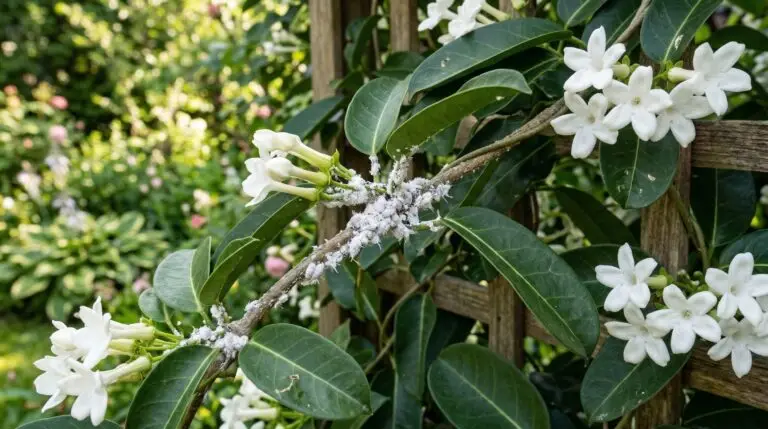
Common stephanotis pests from mealybugs to scale and keeping your vine clean
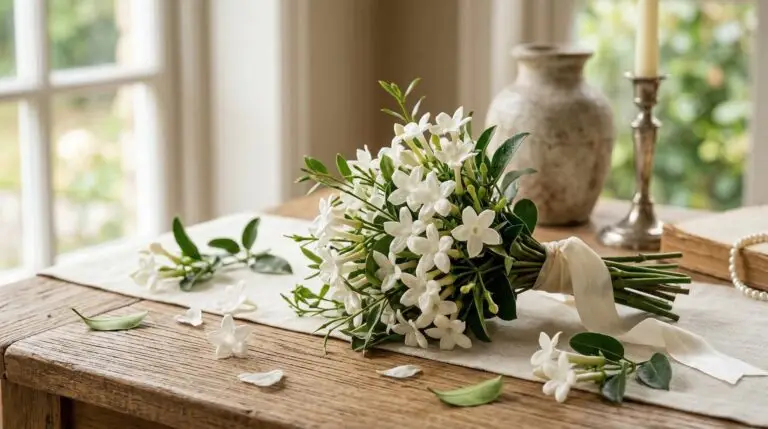
Stephanotis in bridal bouquets and why this is called the wedding flower
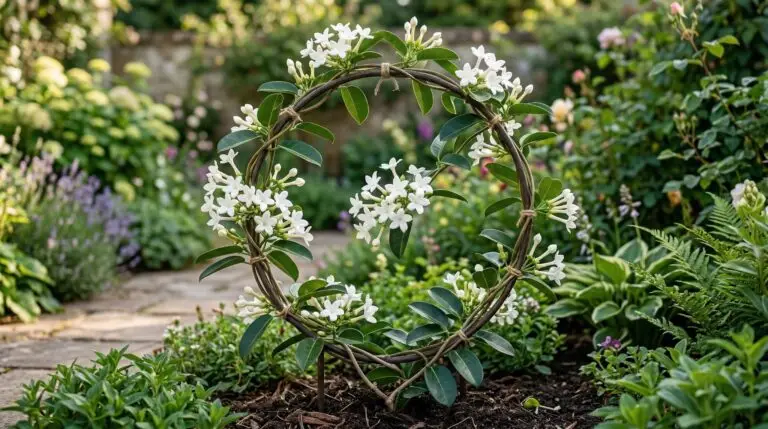
Growing stephanotis on an indoor trellis or hoop for a fragrant living room feature
Stephanotis flower meaning and the marital happiness this bloom has promised for centuries
Why stephanotis drops buds and the temperature and light secrets to keeping flowers
Enjoying our flower guides? Add YourFlowersGuide as a preferred source on Google. It helps more readers find us.
Add to Preferred Sources