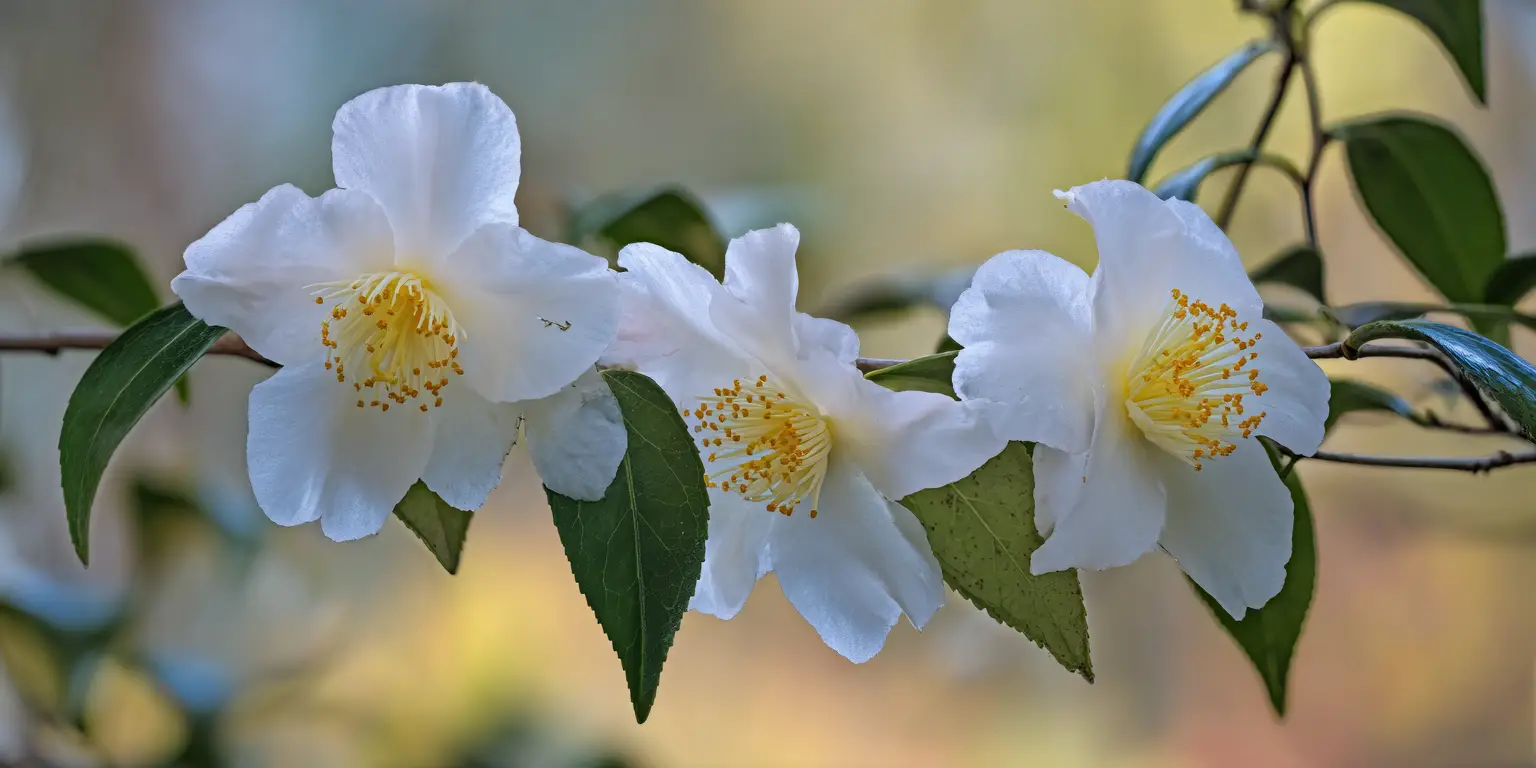
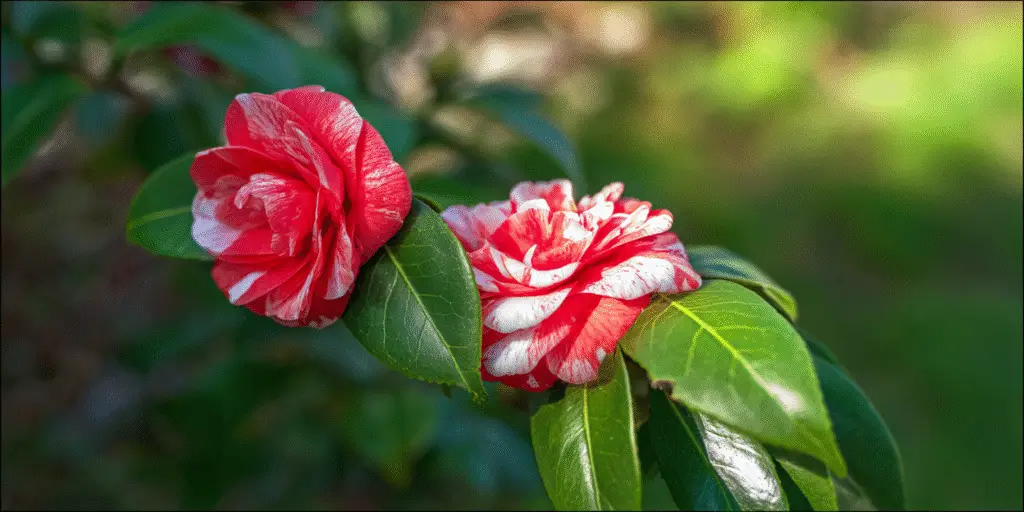
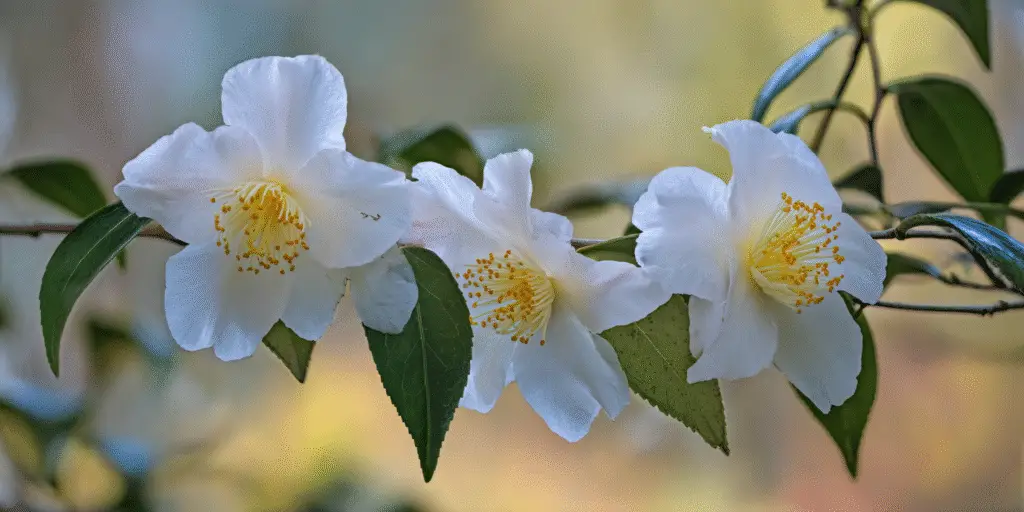
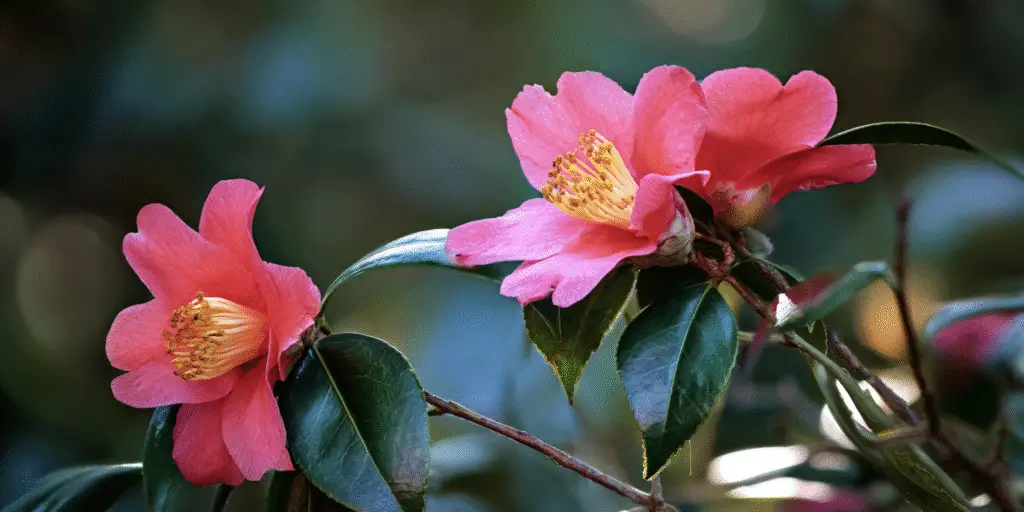
Camellia sasanqua is a fall‑to‑early‑winter bloomer with smaller leaves and lightly fragrant flowers. It stands out for sun tolerance and useful hedging. It performs best in full sun to part shade with acidic, well‑drained soils. Once established it tolerates brief drought and some salt. It is more resistant to Phytophthora root rot than many camellias. Typical hardiness is USDA zones 7 to 9.
At‑a‑glance
Group/Class: Species
Height × spread: 6–14 ft (1.8–4.3 m) × 5–7 ft (1.5–2.1 m)
Bloom window: fall to early winter
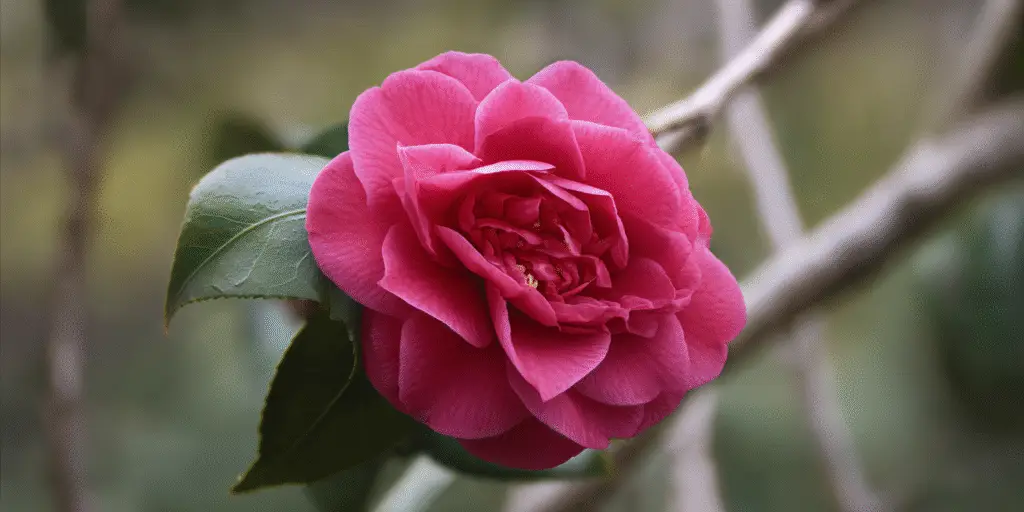
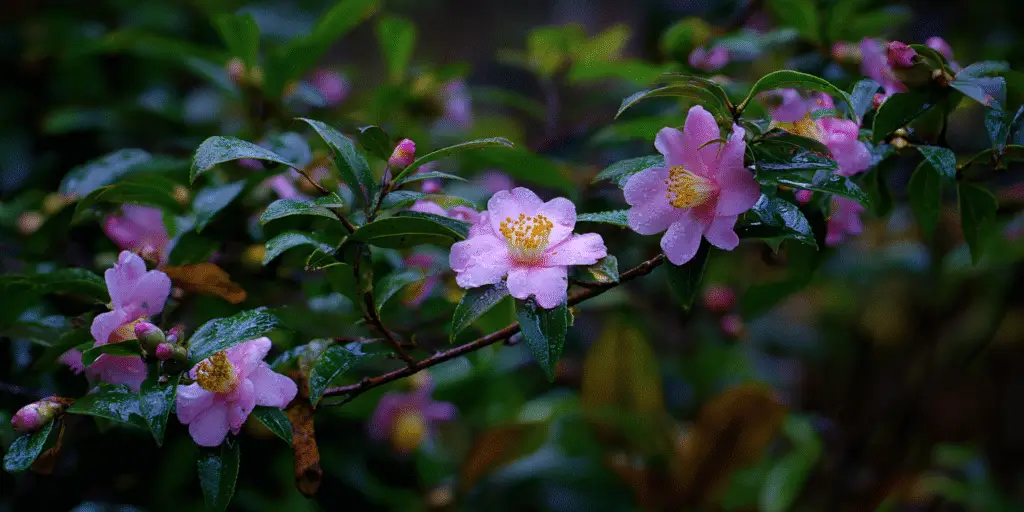
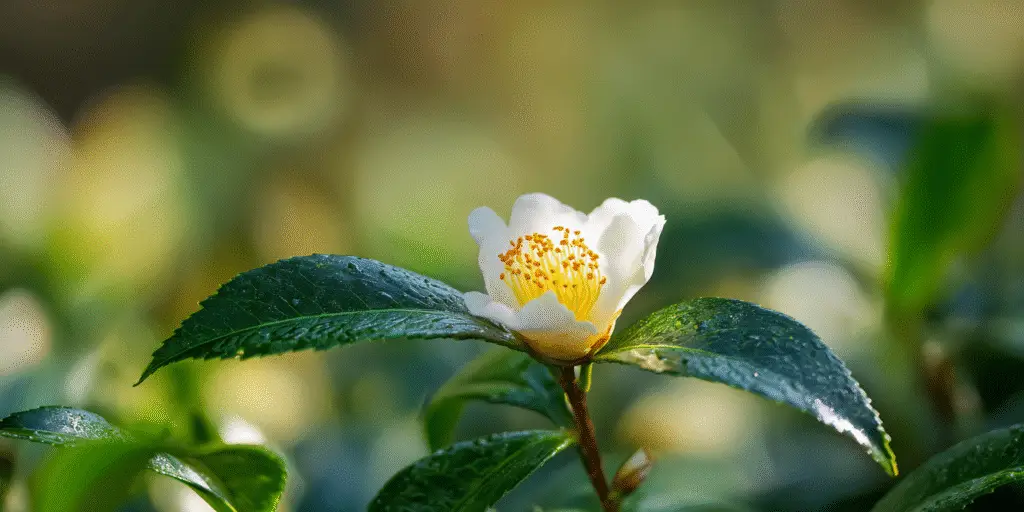
Color & flower form: white to pink to red; usually single to semi‑double
Fragrance: 1 trace
USDA hardiness: zones 7–9
Breeder / Year / Origin: unknown, unknown, Japan
Cut‑flower notes: blooms drop quickly; not ideal as cut flowers; floating displays are better
Pet safety: safe
How it differs
Blooms earlier than most japonicas.
Smaller leaves and finer texture.
Tolerates more sun and brief drought once established.
More resistant to Phytophthora root rot.
Strengths
Fast growth; trains well for hedges and espaliers.
Light fragrance on many cultivars.
Performs in containers and narrow spaces.
Care in one minute
Light: full sun to part shade; shelter from drying winter winds where possible.
Soil: acidic and organic with good drainage; mulch to moderate moisture.
Watering: steady moisture the first year; then deep, occasional watering.
Feeding: light, acid‑forming fertilizer after bloom if needed.
Pruning: shear or shape right after flowering; set next year’s buds on old wood.
Watch‑outs
All camellias can get petal blight; remove spent blooms.
Scale, aphids, mites possible; manage with monitoring.
Yellowing in alkaline soils; keep pH acidic.
Best uses (tags)
hedges; screens; foundation; containers; winter color
Provenance note
Native to Japan; widely used in North American landscapes for early season color and hedging.
Written by: Your Flowers Guide editorial team We are a small independent group of flower lovers who research and review each guide using trusted horticultural and educational sources. Learn more about us