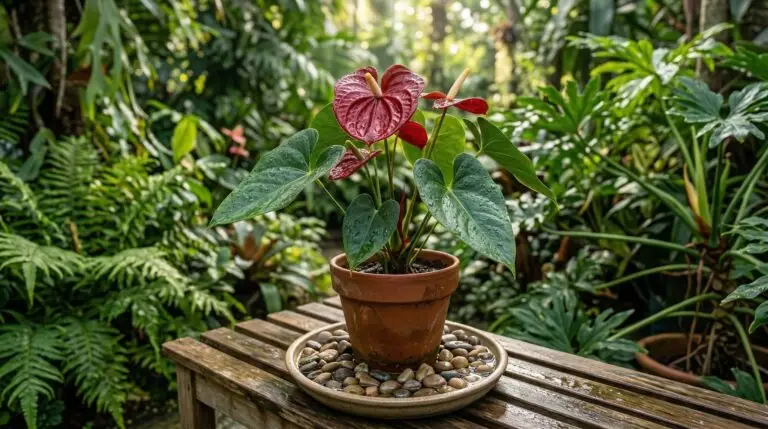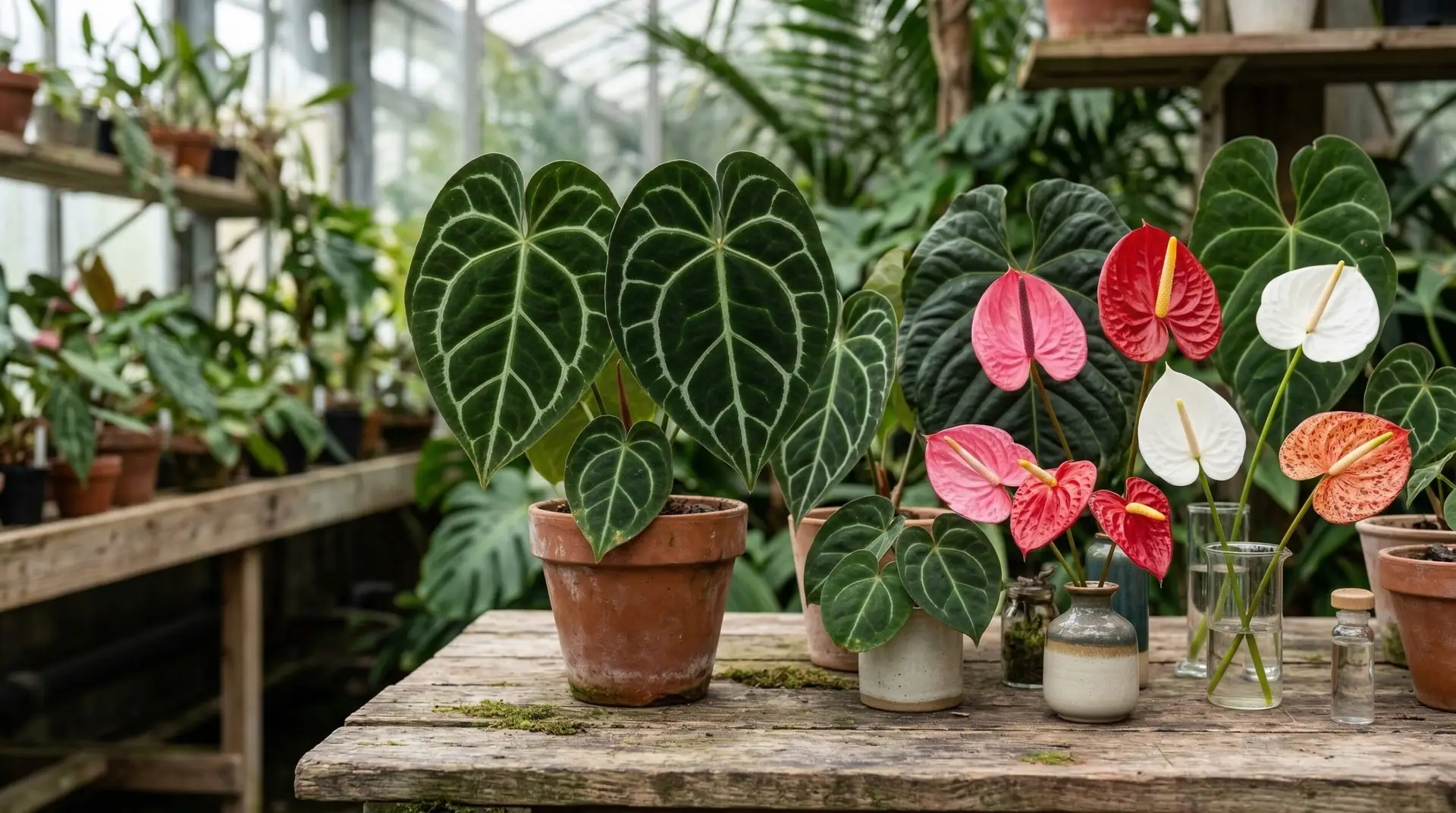
Most people know the standard flamingo flower with its bright red spathe sitting in the corner of a grocery store floral department. That was my first introduction to the genus, but the real obsession began when I discovered the foliage anthurium varieties. These plants trade bright blooms for massive, deeply veined leaves that look like they were carved out of dark green velvet. Seeing a mature foliage anthurium in person completely changes how you understand indoor gardening. You realize that leaves can be the main event, offering textures and patterns that rival any flower. The moment you run your fingers over that plush leaf surface, you are pretty much hooked for life.
Growing a rare anthurium collection is an exercise in patience and observation. Unlike fast-growing tropicals that push out a new leaf every week, these plants make you wait. When a new leaf finally emerges, it appears as a tiny, fragile, almost bronze-colored spike that slowly unfurls over several weeks. Watching that soft tissue expand, deepen in color, and harden off into a thick, leathery shield is one of the most satisfying experiences in plant care. You learn to read their subtle signals, adjusting humidity and light just to see that next leaf grow slightly larger than the last. It is a slow, methodical process that turns a casual hobby into a daily ritual.
The gateway into velvet foliage
If you are looking to step into the world of velvety anthurium types, Anthurium clarinervium is usually the plant that starts the addiction. It has distinct, heart-shaped leaves with a thick, almost cardboard-like texture that makes it surprisingly resilient in average household humidity. The contrasting white veins form a perfect, bold web across the dark green background, creating a graphic quality that catches the eye from across the room. I love recommending this species because it forgives the occasional missed watering while still giving you that exotic, jungle aesthetic. It grows as a compact rosette, making it easy to fit onto a crowded plant shelf or a desk. Once you master the clarinervium, you build the confidence to try the more demanding species.
Right next to it in popularity is Anthurium crystallinum, which offers a slightly different take on the velvet leaf. The leaves on a crystallinum are longer, more oval, and can grow significantly larger than those of the clarinervium. The veining is thinner but has a crystalline shimmer that sparkles when the morning light hits it just right. I find crystallinum to be a bit more expressive, dropping its leaves dramatically if the soil stays dry for too long, but it bounces back quickly once you correct the moisture level. It is also a prolific parent in hybridizing, crossing easily with other species to create seedlings with unpredictable and fascinating traits. Growing a crystallinum gives you a true appreciation for the subtle variations within the genus.
Pushing the limits with the queen
Eventually, every collector looks at Anthurium warocqueanum and decides they are ready for the challenge. Known among growers as the queen anthurium, this species produces incredibly long, pendant leaves that can reach several feet in length in the right conditions. The foliage hangs down like dark green ribbons, marked by thick, prominent veins that give the plant an elegant, architectural presence. I will be honest, the queen can be incredibly frustrating to grow outside of a greenhouse environment. It demands high humidity and perfect airflow, and it will unceremoniously drop its oldest leaf if the roots experience even a minor disturbance. You have to commit to its care, often building special enclosures or humid cabinets just to keep it happy.
Despite the heartache it sometimes causes, getting an Anthurium warocqueanum to thrive is a badge of honor. When you finally dial in the right mix of chunky orchid bark, perlite, and tree fern fiber, the plant responds by pushing out leaves that are progressively longer and more dramatic. I have spent countless hours just staring at a newly expanded queen leaf, admiring the ribbed texture and the deep, rich green color. It requires a level of dedication similar to keeping a finicky Moth Orchid blooming year after year, where the reward is directly tied to the effort you put in. The sheer scale and beauty of a mature specimen make all the dropped leaves and brown tips completely worth the trouble.
The peculiar charm of round leaves
While most anthuriums are known for their classic heart shape, Anthurium forgetii breaks the mold in the best way possible. This species lacks a sinus, which is the botanical term for the gap at the top of the leaf where the two lobes usually meet. Instead, the forgetii produces completely closed, teardrop-shaped leaves that look entirely unique in a collection of aroids. The foliage is incredibly smooth and velvety, often featuring silver flecks along the veins that give it a metallic sheen. I was initially drawn to it simply because it looked different, but it quickly became one of my absolute favorites because of its cooperative nature. It tends to hold onto multiple leaves at once, creating a lush, full plant rather than a single stem with one or two lonely leaves.
The forgetii also comes in a completely green form without the silver veining, which has a quiet, understated appeal. Collectors often use Anthurium forgetii in breeding projects to pass on that rounded leaf shape to other species, resulting in some truly wild looking hybrids. I have a few forgetii crosses in my own collection, and watching them mature to see which parent traits dominate is a constant source of entertainment. If you enjoy the patterned leaves of a Begonia but want something with a bit more structural substance, the forgetii provides that perfect middle ground. It brings a soft, rounded geometry to a plant display that contrasts beautifully with the sharp angles of other tropicals.
Finding balance in the indoor jungle
Balancing an anthurium collection requires a shift in how you view plant care, moving away from a strict watering schedule to a more intuitive approach. These plants are epiphytes in the wild, meaning they grow on trees rather than in the ground, so their roots need to breathe just as much as they need water. I mix my own potting medium using large chunks of bark, charcoal, and pumice, creating an airy environment that mimics their natural habitat. Watering becomes a ritual of taking each plant to the sink, flushing the pot thoroughly, and checking the roots for active growing tips. You learn to appreciate the thick, fleshy roots almost as much as the foliage, knowing that a healthy root system is the secret to those massive leaves. It is a very tactile, hands-on way of gardening that keeps you deeply connected to the daily changes in your plants.
What keeps me coming back to these foliage anthurium varieties year after year is the sheer diversity and the constant potential for discovery. Even within a single species, no two plants look exactly alike, with variations in vein thickness, leaf color, and sinus shape. You can grow a dozen seedlings from the same mother plant and end up with twelve distinct individuals, each with its own personality and quirks. The community of growers surrounding these plants is incredibly generous, always willing to trade cuttings, share pollen, and troubleshoot care issues. The satisfaction of raising a tiny, two-leaf cutting into a massive, floor-standing specimen is a quiet joy that never really gets old. These plants demand your attention and respect, and in return, they transform your living space into a deeply personal, living gallery.
More About Anthurium
Anthurium versus peace lily and which tropical houseplant suits your home better
Anthurium flower meaning and why it is the perfect gift for lasting love
How to repot anthurium plants and when to know it is time for a bigger pot
Best soil mix for anthurium plants that prevents root rot and promotes growth
Using anthurium flowers in modern minimalist home decor and arrangements
How to care for anthurium houseplants so they bloom all year long
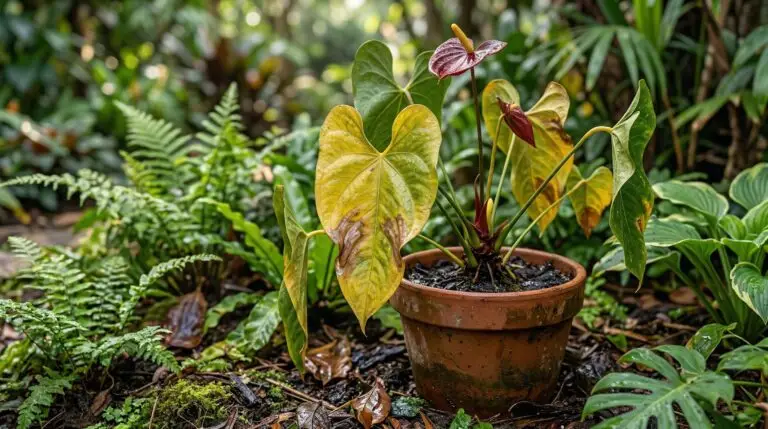
Why your anthurium leaves are turning yellow and brown and what to do about it
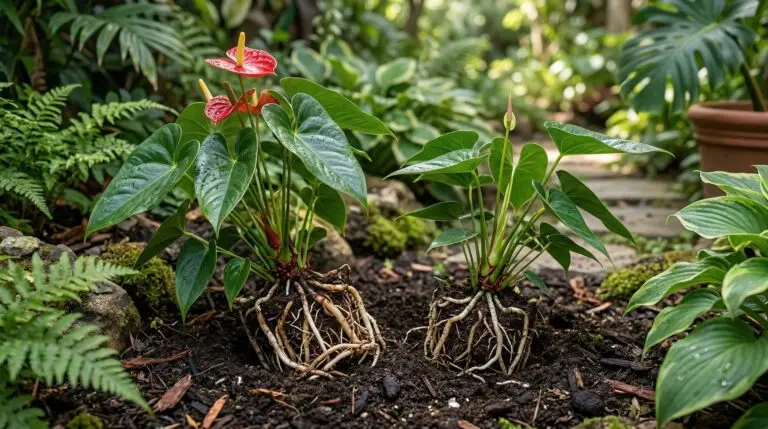
How to propagate anthurium by division and stem cuttings for more plants